REVIEW · MOSHI
2 Day Tanzania Safari in Tarangire and Ngorongoro Crater
Book on Viator →Operated by Altezza Travel · Bookable on Viator
Elephants in Tarangire, then the crater bowl next. This fast, 2-day Northern Tanzania safari is built for big sightings: I love the chance to track Tarangire elephants gathered around the river, and I love the way Ngorongoro animal density puts so many species close together. The main trade-off is simple: with only about two days, you’ll spend more time traveling in the jeep than you would on a slower, longer circuit.
This trip also feels organized from the start—pickup and drop-off at Kilimanjaro International Airport (JRO), plus a pop-up-roof Land Cruiser 4×4 that’s made for game viewing. And it includes solid safety extras for peace of mind, including an AMREF air ambulance option and a medical kit, which I always appreciate when plans are far from hospitals.
In This Review
- Key reasons this 2-day safari works so well
- The best way to think about this 2-day safari: speed with structure
- Getting from JRO to the parks: transfers, vehicle, and the small details
- Tarangire National Park: why the elephants show up in a hurry
- What your day feels like in Tarangire
- A practical tip for elephant-focused safaris
- Ngorongoro Crater: the 30-minute descent that changes everything
- What makes Ngorongoro special for sightings
- A well-timed break at Lake Magadi
- Comfort and food: what’s included (and what costs extra)
- Included meals and drinks
- What’s not included
- Guides, group size, and the difference between a trip and a safari
- Binoculars: use them like a tool
- Price and value: what $1,310 per person really covers
- Who this 2-day plan is best for
- Quick booking checklist before you go
- Should you book this Tarangire and Ngorongoro safari from Moshi?
- FAQ
- How long is the safari, and what time does it start?
- Which parks are included in this 2-day experience?
- Is pickup and drop-off included for flights into Kilimanjaro (JRO)?
- What’s included while you’re on safari in the jeep?
- Is Wi-Fi available during the tour?
- What’s the cancellation policy for a full refund?
Key reasons this 2-day safari works so well
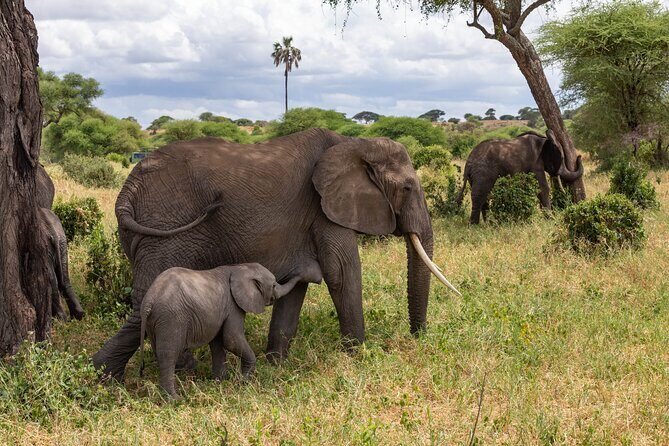
- Tarangire River seasonality: in the dry season, water concentrates wildlife, especially elephants
- Ngorongoro crater game viewing: descent into the crater (about 30 minutes) sets you up for close-up wildlife spotting
- A real safari vehicle for photos and spotting: Land Cruiser 4×4 with pop-up roof, ergonomic seating, and power sockets
- You’re not hunting the logistics: park fees, meals on safari, and JRO transfers are covered
- Small comforts that help long drives: bottled water, soft drinks, hot coffee, and tea in the jeep
- Private group setup: only your group participates, so your time in the vehicle stays focused
The best way to think about this 2-day safari: speed with structure
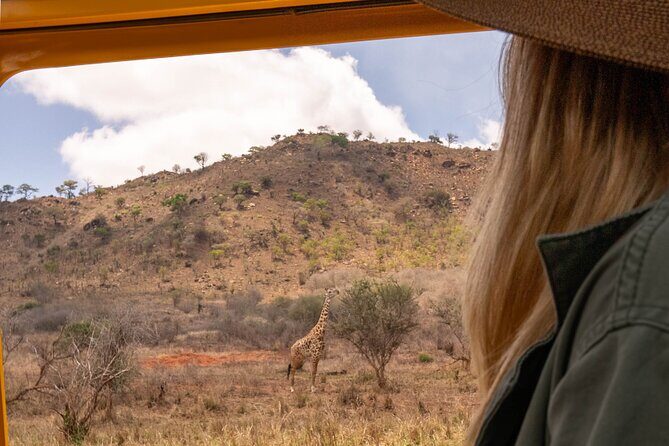
If your calendar is tight but you still want a top-tier Northern Tanzania hit list, this is a smart format. You’re squeezing two of the region’s most famous wildlife zones into one short window: Tarangire for its elephant focus, then Ngorongoro Crater for its famously concentrated animals.
The value here isn’t just that you visit two parks. It’s that the route is designed to increase your odds of seeing a wide mix of wildlife in a short time. In Tarangire, the timing around water matters. In Ngorongoro, the crater bowl structure matters. Put those together and you get better “sighting probability” than you would from spending both days in one place.
The other big point: this is not a hop-on, hop-off sightseeing trip. You’ll be in a safari jeep for long stretches. That’s how wildlife works here—your schedule follows animal movement and park rules. If you’re the kind of traveler who can enjoy patience (and repeated scanning with binoculars), you’ll get a lot out of these two days.
A few more Moshi tours and experiences worth a look

Getting from JRO to the parks: transfers, vehicle, and the small details
This safari is built around convenience. You’re picked up at Kilimanjaro International Airport (JRO) and returned there after the tour. For many visitors, that’s the difference between a smooth start and a stressful scramble with local taxis or extra logistics.
Inside the safari jeep, you get practical creature comforts that actually help during long game drives:
- New Land Cruiser 4×4 with a pop-up roof for better views
- Ergonomic seats, plus power sockets and a refrigerator
- Bottled water, soft drinks, and hot coffee/tea while you’re in the jeep
- Binoculars (1 piece per car)
The pop-up roof sounds like a small thing, but it’s huge for spotting. You don’t always need it for every moment—you’ll use it when visibility matters most (when animals move into open ground or when you’re trying to look over vegetation).
Also note the Wi-Fi situation. The tour includes free Wi-Fi, but the signal is only available in about 60–75% of the areas traveled. In other words: don’t plan your day around uploading photos, but it can be nice for quick check-ins when the signal cooperates.
Tarangire National Park: why the elephants show up in a hurry
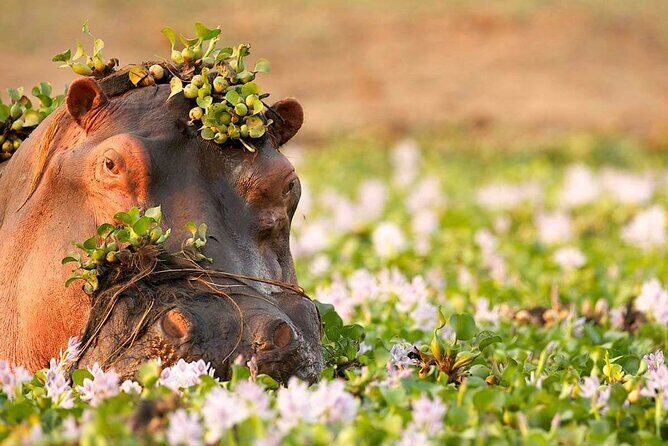
Tarangire is a different kind of safari park than many people expect. The standout feature is water—the Tarangire River becomes a major draw in the dry season, when it’s one of the only reliable water sources for animals for many kilometers. That’s when herds gather, and you can get the rewarding feeling of seeing wildlife where it concentrates.
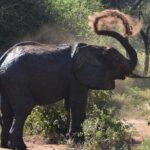
This is especially meaningful for elephants. Tarangire is described as having the largest elephant population in Northern Tanzania for much of the year, with the best chances often in June–October and December–March. When elephants congregate like this, sightings don’t always depend on chasing distance. They depend more on being in the right place at the right time and staying alert.
What your day feels like in Tarangire
Your day begins with breakfast and a morning pickup, then you head into the park and settle into your first stretch of game viewing. Expect big-sky safari moments—scanning tree lines, river edges, and open grass for movement.
One reassuring detail: the elephants here are described as not being intimidated by visitors, and they may come quite close to the cars. That doesn’t mean you treat them like props. You still follow your guide’s instructions and keep a respectful distance—this is how you stay safe around the biggest animals on the planet.
A practical tip for elephant-focused safaris
Bring patience and keep your eyes at two levels. Scan for movement in the open, but also watch the edges—elephants often appear when you finally stop overthinking and just watch the slower traffic of the savanna. If you can, give yourself a rhythm: scan for 10–15 seconds, then check your surroundings again before you start photographing.
A few more Moshi tours and experiences worth a look

Ngorongoro Crater: the 30-minute descent that changes everything
Ngorongoro Crater is one of those places where the geography does the heavy lifting. The crater bowl—left by an ancient volcanic event—creates a setting where wildlife remains packed into a smaller area than you might expect.
Your descent into the crater takes about half an hour of driving. That drive matters because it transitions you through different visual zones, including lush forest scenery along the descent route (so yes, you’ll get more than just the crater floor view).
What makes Ngorongoro special for sightings
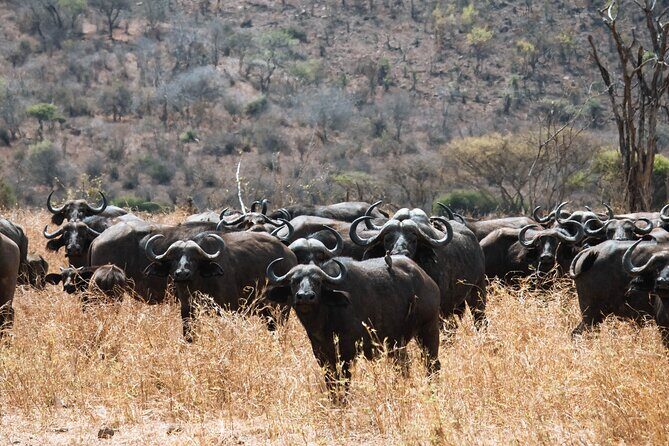
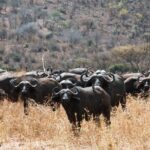
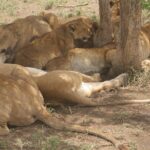
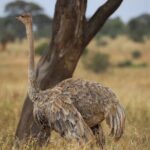
The key idea is animal density. The crater is described as home to a very high variety of animals per square meter compared to elsewhere. In plain terms: you can spend your morning game drive looking at more animals more often, and when you do spot something, it’s easier to compare species in the same general area.
Because it’s a crater and not an endless plain, your wildlife “map” feels tighter. That helps with photography too. Instead of constantly repositioning across huge distances, you can focus on what’s happening in front of you and adapt when animals move.
A well-timed break at Lake Magadi
After your morning drive around the crater, you stop at the picnic area near Lake Magadi for a snack and rest. This is a smart pacing move for a short safari. It prevents the classic “just keep driving until everyone’s tired” problem that can happen on packed schedules.
Comfort and food: what’s included (and what costs extra)
A short safari can feel long if you’re hungry or dehydrated. Here, the basics are handled well.
Included meals and drinks
You get:
- Breakfast (included)
- Lunch (2) (included)
- Dinner (2) (included)
On game drives, you have bottled water plus soft drinks and hot coffee/tea available while you’re in the jeep. That’s genuinely helpful, especially if you’re out for hours and the temperatures shift between morning and afternoon.
What’s not included
Alcoholic beverages are not included. Costs are listed as extra—from about $5 per drink up to $40 per bottle—depending on lodge pricing. If alcohol matters to your budget, I’d plan for it in advance rather than assuming it’s part of the package.
Guides, group size, and the difference between a trip and a safari
This experience is offered as a private tour/activity, meaning only your group participates. That matters more than it sounds. You don’t have to compromise your game viewing rhythm with strangers’ preferences, and your guide can tailor pacing to what you’re seeing.
You’re also traveling with a certified, experienced English-speaking safari guide. Some of the names that have shown up in guide assignments for this kind of itinerary include Adam and Aaron Temu, and the common thread in the praise is clear communication and sharing what to look for while you’re out there.
Your guide’s job isn’t just driving. It’s reading terrain, interpreting animal behavior, and knowing when to stop so you don’t miss the moment animals move into view.
Binoculars: use them like a tool
You’ll have binoculars (1 piece per car). Don’t treat them like an optional extra. Use them early to spot signs you can’t see with the naked eye. Then go back to scanning with your eyes once you know what to track.
Price and value: what $1,310 per person really covers
At $1,310 per person for about two days, the sticker price is not cheap. But the value depends on what you’re comparing it to.
In this package, you’re not only paying for two game drives. You’re also paying for:
- National park fees for the entire tour
- A safari guide and the safari vehicle setup (Land Cruiser 4×4 with pop-up roof)
- Accommodation before and after safari, as listed in the program
- Meals: breakfast, lunch (2), dinner (2)
- Park-day drinks in the jeep (bottled water, soft drinks, hot coffee/tea)
- JRO pickup and drop-off
- 24/7 phone/email support
- Medical and safety provisions, including a medical kit and an AMREF Flying Doctors air ambulance service
So the “value math” is pretty strong if you’d otherwise have to price these pieces separately. Where costs can quietly rise on self-planned safaris is usually in park fees, vehicle arrangements, and transferring smoothly to/from the airport.
If you already have lodging sorted and you’re confident arranging a vehicle and guide, you might find cheaper options. But if you want one bill, clear inclusions, and less coordination stress, this package style is often the best deal in real life.
Who this 2-day plan is best for
This safari is a good match if:
- you want major parks in a short time
- you’re okay with a structured schedule and longer jeep hours
- you want a setup with park fees and meals included
- you prefer the stability of a private group experience
There’s also a clear accessibility limitation. It isn’t suitable for people using special mobility aids. Lodges in remote areas may not have the needed infrastructure, and safari vehicles do not have special seating or storage for mobility aids.
Quick booking checklist before you go
To get the most from a short safari like this, plan around the realities of game drives:
- Bring clothing you can layer, since morning and crater conditions can feel different
- Keep your camera charged and ready for sudden sightings from close range
- Pack a light snack or keep water habits in mind, even with water included
- If you care about being able to post photos, remember Wi-Fi may only work in about 60–75% of areas traveled
Also: confirmation is provided at booking time, and the experience requires good weather. If poor weather cancels it, you’ll be offered a different date or a full refund.
Should you book this Tarangire and Ngorongoro safari from Moshi?
I’d book it if you want a focused Northern Tanzania experience with minimal planning and maximum structure. Tarangire’s elephant concentration and Ngorongoro’s crater-based density make this one of the more efficient ways to see a wide range of wildlife in only about two days.
I would hesitate if you hate long drives, want a slow pace, or need mobility accommodations. In that case, a longer safari format with more rest time usually fits better.
If your goal is simple—big wildlife sightings, two iconic parks, and a trip that runs on included logistics—this one is a solid choice.
FAQ
How long is the safari, and what time does it start?
The safari lasts approximately 2 days, and the start time is listed as 9:00 am.
Which parks are included in this 2-day experience?
You’ll visit Tarangire National Park and Ngorongoro Crater (Ngorongoro Conservation Area).
Is pickup and drop-off included for flights into Kilimanjaro (JRO)?
Yes. Pickup at Kilimanjaro International Airport (JRO) is included, and you’ll also be dropped off at JRO after the tour.
What’s included while you’re on safari in the jeep?
You’ll have bottled water, soft drinks, and hot coffee/tea while in the jeep, plus binoculars (1 piece per car). The vehicle is a new Land Cruiser 4×4 with a pop-up roof, ergonomic seats, a refrigerator, and power sockets.
Is Wi-Fi available during the tour?
Yes, free Wi-Fi is included, but the signal will be available in only about 60–75% of the traveled territories.
What’s the cancellation policy for a full refund?
You can cancel up to 6 days in advance for a full refund. A full refund requires canceling at least 6 full days before the experience’s start time.