REVIEW · MOSHI
2 Days 1 Night Northern Joining Safari Private Tour
Book on Viator →Operated by Leroi Lion Safaris · Bookable on Viator
Elephants and crater lions in two days. This private Northern Joining Safari links two of northern Tanzania’s star wildlife zones—Tarangire’s baobab scenery and river habitat, then Ngorongoro Crater’s packed cat-and-rhino country—while keeping the driving, timing, and meals handled for you. If you like seeing a lot in a short window, this route is built for exactly that.
I love the animal variety: Tarangire can deliver elephant herds, zebras, giraffes, hippos, and plenty of antelopes in a landscape anchored by the Tarangire River and famous baobabs. I also love the human touch behind the scenes—your guide can be Joshua, and the driver can be Barnabas, with feedback specifically praising punctuality, friendliness, and even gluten-free food.
One possible drawback: the day starts early. The listed start time is 7:00 am, and at least one pickup was reported as early as 4:00 am, so plan for a quick start and a tight schedule.
In This Review
- Key highlights to know
- Why Tarangire and Ngorongoro Crater Fit Together
- Getting From Moshi and Handling the Early Morning
- Day 1 in Tarangire: Baobabs, Elephants, and the Tarangire River
- Switching Gears on Day 2: Ngorongoro Crater’s Rhino and Lion Chances
- Guide and Driver Quality: Joshua and Barnabas Matter
- Food, Comfort, and What the Price Actually Covers
- Tarangire vs. Ngorongoro: How to Choose What You Want Most
- Price and Logistics: Is $780 Per Person Good Value?
- Who This Tour Suits Best (and Who Might Feel Rushed)
- Final Thoughts: Should You Book This Northern Joining Safari?
- FAQ
- What is the tour duration?
- Where does the tour start?
- What time does the tour start?
- Is this a private tour?
- Which parks are included?
- Is pickup offered?
- What meals are included?
- Are park fees and taxes included?
- What is not included in the price?
- Is cancellation free?
Key highlights to know
- Tarangire’s baobabs plus the Tarangire River make the wildlife feel more grounded than “just a savanna drive.”
- Over 400 recorded bird species means you can enjoy the trip even on days when mammals are quieter.
- Ngorongoro Crater game drive with picnic lunch keeps the day focused, not spent shuttling around.
- Private tour setup means your schedule is built around your group, not random stops.
- Guide Joshua and driver Barnabas are specifically praised for being punctual and organized.
- What’s included in the price covers key costs like fees/taxes and meals, so your bill is easier to manage.
Why Tarangire and Ngorongoro Crater Fit Together
This safari works because it gives you two different “styles” of wildlife viewing.
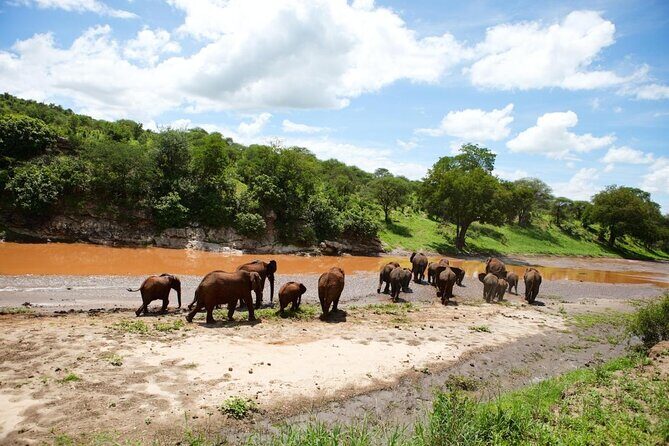
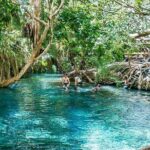
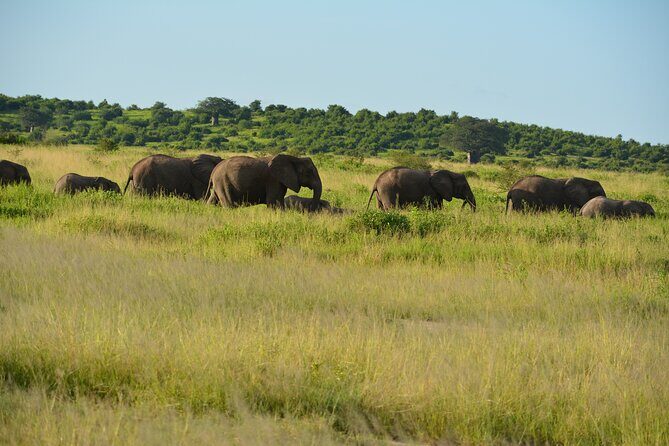
Tarangire National Park is known for sheer numbers of elephants and the dramatic baobabs that frame the scenery. It’s also shaped by water—the Tarangire River area can concentrate animals—so your sightings often feel more realistic, less like you’re searching in empty space.
Ngorongoro Crater, on the other hand, is famous for a concentrated viewing experience. You go looking for big names—rhino, lion, leopard, buffalo, elephants, zebra, and more—and the crater setting helps animals appear in a tighter, more structured way than you’d often get in wider open parks.
For me, the key is that this plan doesn’t waste a day traveling without a wildlife payoff. You’re stacking two places that have good reputations for both mammals and birds, and you still get time for a full crater drive with a picnic lunch box.
You can also read our reviews of more private tours in Moshi
Getting From Moshi and Handling the Early Morning
You’ll meet at Kilimanjaro Airport (listed meeting point), with a start time of 7:00 am. The tour also includes pickup offered, which is great if you’re landing in Tanzania and don’t want to coordinate taxis or transfers.
There’s another detail that matters in real life: the route to Tarangire begins with a drive from Arusha-area logistics, and the schedule includes a stop at a supermarket in Arusha Town for last-minute purchases. That little stop is more useful than it sounds. It gives you a chance to grab anything you forgot before you’re committed to park roads for the day.
Because this is a private tour/activity, the pace stays consistent for your group. You won’t be waiting around for other people’s luggage or sorting out mixed itineraries.
One more timing note: the safari runs across two days, with Day 2 returning to the Arusha Airport or onward to Kilimanjaro area options after the crater game drive ends around 2:00 pm. If you’re trying to match a flight, that 2:00 pm endpoint is the kind of detail you’ll want to plan around.
Day 1 in Tarangire: Baobabs, Elephants, and the Tarangire River
Day 1 starts with your transfer to Tarangire National Park and then shifts quickly into game drive mode. The drive follows the Great Northern Highway across the Maasai steppe and through many villages, so even before the wildlife, you get that sense of “this isn’t a theme park road.” It’s real travel between communities and open country.
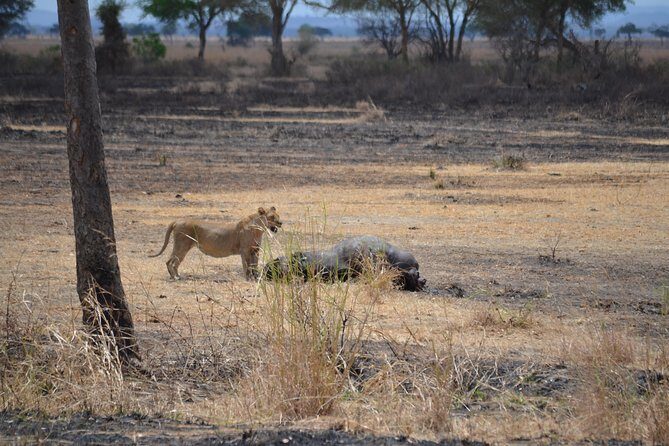
Once you’re in Tarangire, the focus is classic: baobab trees, elephants, and animals that use river or seasonal water sources. Tarangire is famous for huge numbers of elephants, and it’s a place where you might realistically expect to spot:
- elephants (including herds)
- zebras and wildebeest
- giraffe
- buffalo
- hippos (often linked to water areas)
- baboons and other primates
- a wide range of antelope species
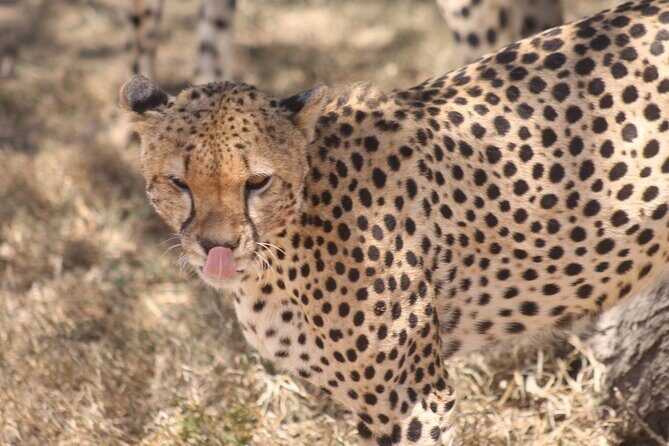
You also get lions, cheetahs, leopard talk in the safari’s overall promise, but the day’s identity is Tarangire’s elephant strength and the look of the place itself. The park’s river system and baobabs help explain why it’s so memorable in photographs—you’re not just tracking animals, you’re watching them in a landscape with signature features.
Bird lovers also have something to chase. The park records over 400 bird species, which is why you can have a great day even if the big cat sightings aren’t instant. In many safaris, people forget birds until late. Here, the bird count is part of the reason Tarangire is worth the time.
How the day is paced: the plan lists time in Tarangire across two segments (one longer stop and then another). Practically, that usually means you’re not stuck doing one loop and leaving early—you get additional chances to adjust your viewing, based on where animals are moving.
Switching Gears on Day 2: Ngorongoro Crater’s Rhino and Lion Chances
After breakfast on Day 2, you head to Ngorongoro Crater for a game drive. This is the part of the route built around the big-ticket sightings.
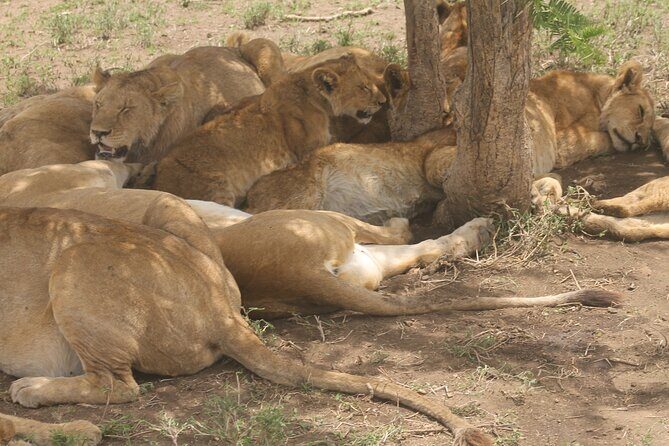
Ngorongoro Crater is where your itinerary starts naming a heavier list of headline species. Expect an active search for rhino, lion, leopard, and buffalo, plus elephants, zebras, antelopes, and lots of birds. The crater is also described as having beautiful weather and a dramatic “wandering of the creator” feel—meaning the scenery and the setting are part of the experience, not just background.
The schedule includes a picnic lunch box, so you’re not breaking the day for restaurant time. The game drive continues until 2:00 pm, and then you transfer onward to Arusha Airport or Kilimanjaro options.
That timing is important for two reasons.
First, it keeps your day from turning into a long, drawn-out itinerary with constant transfers. Second, a defined end time helps if you’re planning an airport arrival. If you’re juggling flights, you can build your schedule around the fact that your crater time ends around mid-afternoon.
In terms of expectations, Ngorongoro is about concentration: animals may show up where you can spend time watching them instead of just passing by while driving. You’ll still be in the vehicle, scanning constantly, but the crater’s reputation is built on how sightings can stack up in a relatively tight area.
Guide and Driver Quality: Joshua and Barnabas Matter
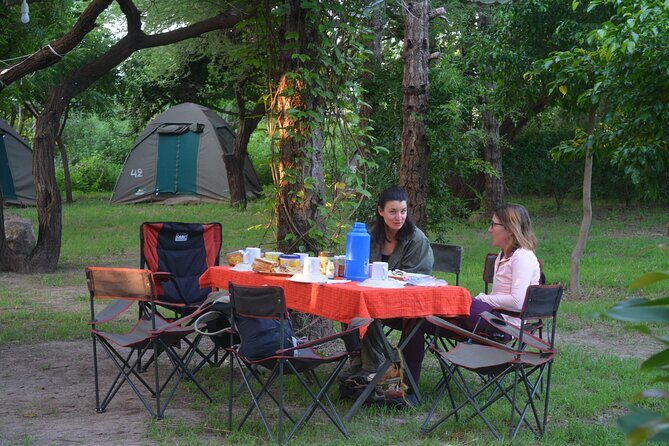
This safari is private, but it’s not just the vehicle that makes it feel smooth—it’s the human team.
In the feedback I reviewed, Joshua stood out as the guide, and Barnabas as the driver. People described Joshua as friendly and punctual, and they also noted he speaks French very well (useful if you’re traveling with French-speaking companions or simply prefer clear communication).
The driver portion matters more than many people expect. A safari drive isn’t only about knowing where parks are—it’s about where animals tend to be seen and how to get there efficiently while the light and animal movement are still working in your favor. Praise specifically mentioning that the driver knows where animals are tells you the operation aims for smart positioning, not random cruising.
Punctuality also came up in a direct way: one pickup was reported as happening at 4:00 am to take guests to the airport. That’s not a guarantee you’ll have the same exact early hour, but it signals that the team understands safari logistics and runs with intention.
If you want your trip to feel organized from the moment you meet, this kind of guide-and-driver consistency is a big part of the value.
You can also read our reviews of more evening experiences in Moshi


Food, Comfort, and What the Price Actually Covers
The tour includes dinner and breakfast, and it also includes lunches (listed as lunch 2x) plus a picnic lunch box for the crater day. If you’ve done safaris before, you know how often “food” ends up being an afterthought. Here, the meal plan is actually built into the schedule.
You also get accommodation included. That matters for a two-day safari because it removes the most common pain point: trying to find a room at the right location and timing yourself after a park day.
A standout detail from the feedback: the food can be gluten-free. That’s huge if you have dietary needs, because it often requires advance coordination. Having that handled as part of the tour setup makes the whole experience less stressful.
On what’s not included, the list is refreshingly simple: tips and alcohol aren’t included. Everything else that tends to inflate safari bills—fees and taxes, and crater services—is included.
In other words, you’re paying for a fairly complete package rather than an add-on buffet where you’re discovering extra charges day by day.
Tarangire vs. Ngorongoro: How to Choose What You Want Most
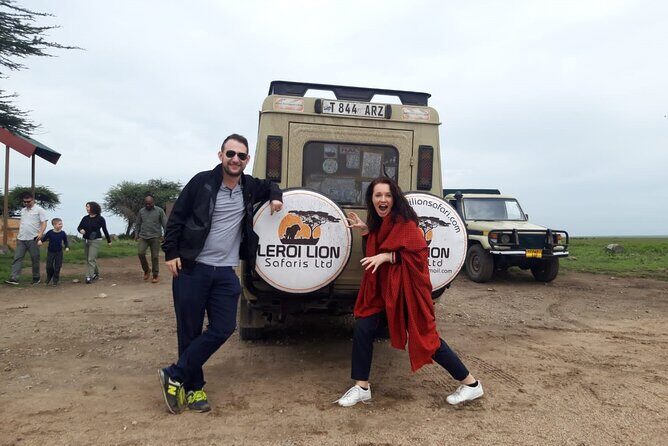
People usually book this route because they want “more animals,” but the two parks deliver different flavors.
If your priority is elephants, baobabs, and that river-and-water vibe, Tarangire is the star. It’s famous for large elephant numbers and for its iconic vegetation. It’s also good for birding, given those 400+ species.
If your priority is a higher chance at iconic predators and big names in a concentrated setting, Ngorongoro is your event. You go there with rhino and cats on the mental checklist, and the schedule is built for enough drive time to search properly rather than rush.
So, ask yourself a simple question: do you want your trip to feel like a “wildlife scavenger hunt in a signature landscape,” or like a “concentration chamber for headline species”? This itinerary tries to deliver both, which is why it’s a strong fit for first-time visitors who don’t have time for every park on earth.
Price and Logistics: Is $780 Per Person Good Value?
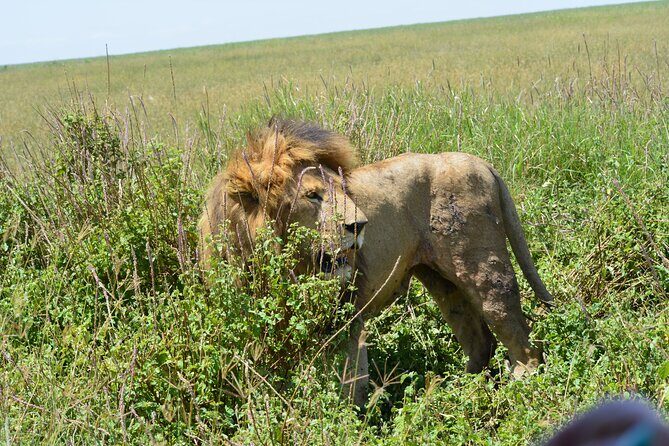
At $780 per person, the price looks high at first glance—but on this itinerary, you’re not just paying for vehicle time. You’re also paying for:
- accommodation for the night
- dinner and breakfast
- lunches, including a picnic lunch box
- all fees and taxes
- crater services
- a private tour setup (only your group)
The value equation gets clearer when you think about what safaris cost when you add the pieces separately. A private transfer between parks, park fees, and at least one night of lodging can add up fast. Here, they’re bundled into one number.
Also, the tour includes mobile ticket and pickup offered. Those may sound like minor admin points, but in practice they can reduce friction when you’re arriving in Tanzania and want the day to start smoothly.
One more value factor is communication and timing. Praise for punctual pickups and the guide’s language skill (French) suggests the tour operates in a way that respects your time. That’s not about luxury; it’s about fewer wasted hours and a better chance at daylight viewing.
So yes, I think this can be good value if you’re using it as intended: a two-park, two-day plan where you want convenience, included meals, and knowledgeable support.
Who This Tour Suits Best (and Who Might Feel Rushed)
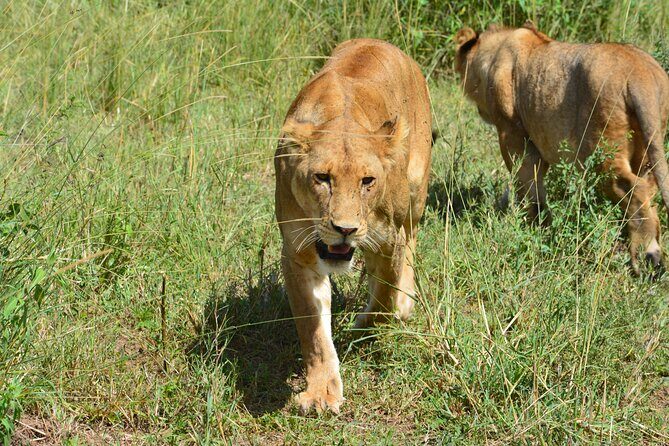
This safari is best for people who want a focused plan and don’t want to piece together multiple transfers and lodging arrangements.
It also fits you well if:
- you want elephants and baobabs early, then headline species later
- you value having meals built into the schedule (including picnic lunch)
- you appreciate punctual, organized service (Joshua and Barnabas were specifically praised)
- you have dietary restrictions like gluten-free needs
The main caution is the physical and time demand. The tour notes a moderate physical fitness level requirement. That usually means you’ll spend time in vehicles and do the day’s walking or boarding as needed without expecting long hikes. Still, if you’re very sensitive to early starts, or if you dislike tight pacing, the schedule can feel brisk.
Final Thoughts: Should You Book This Northern Joining Safari?
I’d book this safari if your goal is simple: see Tarangire’s elephant and baobab world, then hit Ngorongoro Crater for a concentrated chance at rhino, lion, leopard, and buffalo—while keeping lodging and meals handled.
What seals the deal for me is the combination of included costs and practical support. You’re not just buying a drive; you’re buying a ready-to-go plan with dinner, breakfast, lunches, accommodation, park-related fees, and crater services. The mention of gluten-free food is another strong signal that this company thinks about real needs, not just checkboxes.
One last piece of practical advice: if your travel dates are fixed, match your flight timing to the crater day ending around 2:00 pm and your airport transfer needs. Do that, and you’ll reduce stress and get more out of your game drives.
FAQ
What is the tour duration?
The tour runs for 2 days (approx.), covering two days of safari activities.
Where does the tour start?
The listed start meeting point is Kilimanjaro Airport, in the Kilimanjaro National Park Tanzania area.
What time does the tour start?
The start time is listed as 7:00 am.
Is this a private tour?
Yes. It’s a private tour/activity, and only your group will participate.
Which parks are included?
Tarangire National Park is included, and Ngorongoro Crater is included on the second day.
Is pickup offered?
Pickup is offered, and the tour includes pickup related to airport arrival logistics.
What meals are included?
Dinner and breakfast are included, plus lunch (listed as 2 lunches) and a picnic lunch box on the Ngorongoro day.
Are park fees and taxes included?
Yes. All fees and taxes are included, along with crater services.
What is not included in the price?
Tips and alcohol are not included.
Is cancellation free?
The policy is free cancellation. You can cancel up to 24 hours in advance for a full refund.