REVIEW · MOSHI
Affordable Short Tanzania Safari (2 Days Camping Safari)
Book on Viator →Operated by African Choice Safari · Bookable on Viator
Few places in Tanzania pack speed and wonder. This 2-day camping safari from Moshi hits Tarangire National Park for elephants and baobabs, then drops you into the jaw-dropping Ngorongoro Crater for a game drive and picnic lunch. I love the way the schedule squeezes in two top parks without wasting time, and I also like the camping feel—you end the first day at Fanaka Camp and get dinner at the campsite. One thing to consider: it’s an active, early-start trip, so if you want slow mornings and lots of downtime, this quick-hit format may feel a bit rushed.
What makes this one practical is how it’s set up for efficient wildlife viewing. You meet in Moshi Urban at 8:30 am, you’re picked up (pickup is offered), and the tour is private for your group, so the driver can keep the day moving at a safari pace. You’ll also get a mobile ticket, and the plan is designed to maximize crater and savannah sightings instead of stacking extra stops. If you’re chasing the Big Five in a short time, this format is built for that goal—and you should know spotting all five isn’t guaranteed, but the crater layout makes it more likely than most.
In This Review
- Key highlights
- Tarangire to Ngorongoro in 2 Days: Why this route works
- Moshi pickup, meeting point, and the reality of an early start
- Day 1 Tarangire: termite mounds, baobabs, and elephant-heavy viewing
- The practical value of starting here
- Camping at Fanaka Camp near Lake Manyara: what to expect
- Day 2 Ngorongoro Crater: Big Five odds, picnic lunch, and Soda Lake
- What you might see inside the crater
- A quick reality check on the Big Five promise
- Guides and coordination: Joseph and the small-group advantage
- Price and value: is $975 per person a smart deal?
- Who this safari fits best (and who should rethink it)
- Should you book this 2-day camping safari from Moshi?
- FAQ
- How long is the Affordable Short Tanzania Safari (2 Days Camping Safari)?
- Where does the safari start and end?
- Is pickup included?
- Is this tour private?
- What parks are included?
- What’s included for meals during the trip?
- What’s the cancellation policy?
Key highlights
- Tarangire early drive through termite mounds and towering baobabs
- Elephant country with frequent sightings across the savannah
- Overnight camping at Fanaka Camp near Lake Manyara with dinner served
- Ngorongoro crater rim game drive with a picnic lunch
- Soda Lake stop for the flamingos (when conditions align)
- Big Five focus supported by the crater’s natural “in-and-out” pattern
Tarangire to Ngorongoro in 2 Days: Why this route works
A short safari can feel like a highlight reel. The trick is whether the route is efficient and whether the time you spend is actually good time for seeing animals. This itinerary is efficient by design: you’re not hopping around five different regions. Instead, you focus on two of the best wildlife zones Tanzania has in a compact window.
Tarangire National Park is a strong first day because it’s built for sightings. The park is known for elephant herds and big concentrations of animals around the habitats there. I like how the day isn’t treated like a quick parking-lot stop. You’re given a real game-viewing block with time to look across the savannah and through the park’s signature features—especially the termite mounds and baobab trees that show up everywhere once you know what you’re looking at.
Then you switch gears to the Ngorongoro Crater, which works for a “see a lot fast” itinerary. The crater walls act like a natural container, so animals tend to stay in patterns and you’re more likely to run into multiple species on the same drive. The tour plan is built around an early start and a crater game drive with picnic lunch, which is exactly what you want when you only have two days and you don’t want to waste half the day relocating.
A few more Moshi tours and experiences worth a look


Moshi pickup, meeting point, and the reality of an early start
This tour begins in Moshi Urban at 8:30 am, with the activity ending back at the same meeting point. Pickup is offered, so you shouldn’t need to figure out your own logistics to get to the parks. You’ll also have a mobile ticket, which is handy if you prefer keeping everything on your phone instead of chasing paper.
The timing matters. Both days are roughly 8 hours, and the itinerary calls for an early departure on day one and an early start on day two to get you through the crater drive and picnic lunch. That means you should plan for an alarm clock, not a casual breakfast. Pack for heat and dust, because you’ll be out in the open and moving.
Also note the vibe: this is a private tour for your group only. That often makes a big difference on safari because you’re not sharing your vehicle or your viewing time with a pile of strangers. Your driver can usually adjust the pace to what’s happening in front of you, within the boundaries of the schedule.
Day 1 Tarangire: termite mounds, baobabs, and elephant-heavy viewing

Day one starts with Tarangire National Park, and the experience here is more than just spotting animals—it’s the feel of the terrain and the way the park rewards patience. You begin in the morning and move into areas known for the park’s standout features, including huge termite mounds and ancient baobab trees. Those aren’t decorative extras. They help you understand where animals like to graze, rest, and move.
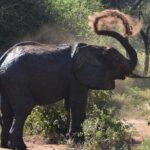
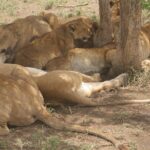
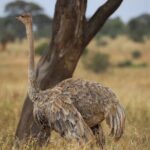
Tarangire is especially strong for elephants. The itinerary description emphasizes the park’s extensive elephant population and also lists frequent wildlife possibilities. You might spot lions, giraffe, warthogs, ostriches, impalas, cheetah, mongoose, buffalo, and baboons. Even if you don’t see every species on your day, that list signals what the park is like: a mix of predators, grazers, and birds that can appear throughout the drive.
The practical value of starting here
Choosing Tarangire first makes sense for two reasons. First, elephants and savannah wildlife give you immediate payoff on day one, which helps set the tone. Second, it reduces pressure on day two. If you’re lucky in Tarangire, you can go into Ngorongoro focused rather than panicked about missing the Big Five.
One small consideration: the day includes both sightseeing and travel to your overnight area near Lake Manyara. So even though the safari block is the point, you still need to treat day one like a full operating day rather than a relaxed “starter tour.”
Camping at Fanaka Camp near Lake Manyara: what to expect
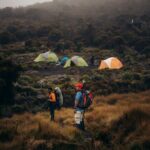
After Tarangire, you continue the drive and set up camp close to Lake Manyara for the night. Your lodging is Fanaka Camp, and the itinerary notes that camping facilities are provided and dinner is served at the campsite.
This is one of the reasons this option stands out in the “affordable short safari” category. You’re not paying for a long lodge stay in a place where you’d only use the room to sleep. Camping keeps the budget closer to the safari itself, and it adds a real Tanzania rhythm to the trip.
What you should consider is comfort level. The tour data confirms camping facilities and dinner, but it doesn’t describe room types or luxury details. So go in with realistic expectations: think “functional comfort and safari energy,” not spa retreat.
Also, dinner being served at camp is useful. When you’re on a tight itinerary, having meals handled means less time searching, less time waiting, and more time resting so you can handle an early crater start the next morning.
A few more Moshi tours and experiences worth a look


Day 2 Ngorongoro Crater: Big Five odds, picnic lunch, and Soda Lake
Ngorongoro Crater is the main event, and the plan is designed to let you enjoy it properly even with a short timeframe. You’re up early so the itinerary can fit a game drive with a picnic lunch in the crater. That matters because the crater day isn’t just driving. It’s about sustained viewing time so you can catch different species moving through their preferred areas.
The Big Five focus is specific. The itinerary points out that animals infrequently migrate in and out of the crater because the crater is ringed by elevated walls. In plain terms: the crater acts like a natural holding space, so you’re more likely to see multiple Big Five members in one day compared with areas where animals roam widely across a huge region.
What you might see inside the crater
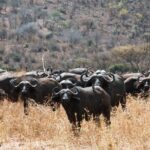
The described wildlife possibilities include buffalo, elephants, rhinos, lions, and leopards. Additional species mentioned include zebras, hippos, wildebeest, and hyenas. You’ll also get a bird component, with the itinerary noting birds such as geese, storks, and vultures.
Then there’s the Soda Lake element. The tour description highlights flamingos at the Soda Lake, which is one of those Tanzania moments that feels like it belongs in a movie. This is the kind of stop that adds variety after hours of savannah scanning, and it also helps you understand the crater ecosystem isn’t only about mammals.
A quick reality check on the Big Five promise
The tour is structured to make Big Five sightings possible in a single day, but it still remains a wildlife safari. Your best strategy is mindset: treat the day as a chance to see as much as possible, not as a checklist you must complete. You’ll get the most enjoyment that way.
Guides and coordination: Joseph and the small-group advantage
The safari runs through African Choice Safari, and the name Joseph shows up in client feedback as the owner who coordinates efforts to help maximize time in Tanzania. That’s exactly the kind of behind-the-scenes work that matters on a short trip. When the schedule is tight, good coordination can prevent lost hours and reduce the “what now?” moments that derail a safari day.
You’ll also see the driver Bony referenced in client notes. Again, you shouldn’t assume which person you’ll get from this alone, but the takeaway is clear: the operation puts real effort into getting you from place to place efficiently and keeping the day running smoothly.
What you personally benefit from is the private-group format. With only your group in the vehicle, you’re more likely to get consistent pacing. Your driver can adjust viewing stops based on what’s happening, within the constraints of the itinerary.
Price and value: is $975 per person a smart deal?
At $975.00 per person for about two days, this lands in the “short safari, focused parks” category. Value comes from what you’re actually buying with that number.
Here’s what the tour data supports as included or covered in a meaningful way:
- Pickup offered in Moshi
- Private tour (your group only)
- Two major parks: Tarangire and Ngorongoro Crater
- Camping at Fanaka Camp and dinner served at the campsite
- Picnic lunch in the crater
- Admission details: Tarangire day lists admission ticket free for day one, and Ngorongoro day lists admission ticket included for day two
- Mobile ticket
That combination is why the pricing can feel fair. In many safari budgets, the cost jumps when you add lodging and extra days. Here, you’re using camping to keep the overnight affordable, and you’re using a tight route to avoid extra transport costs and extra time away from the main wildlife zones.
The one place where the value question depends on you is comfort preference. If you want a high-end lodge experience, this camping format may not feel worth it. If you want the core safari experience—wildlife, crater views, elephants—this is a sensible way to do it without paying for a multi-day luxury itinerary.
Who this safari fits best (and who should rethink it)
This tour is a great fit if you:
- Want a first safari in Tanzania and don’t want to spend a full week on the road
- Care most about wildlife viewing more than slow pacing
- Like the idea of camping and having dinner handled for you at camp
- Want one of the best “big park, big sightings” combos: Tarangire + Ngorongoro
You may want a different option if you:
- Need a very flexible schedule, because this is built around early starts and a fixed day plan
- Hate camping or want lodge-style comfort details (the data doesn’t promise luxury)
- Prefer to travel at a gentle pace rather than a safari pace
The “most travelers can participate” note suggests it’s not limited to a narrow fitness group, but it still involves long drives and time outdoors, so pack smart and plan on being active.
Should you book this 2-day camping safari from Moshi?
If your goal is maximum Tanzania wildlife time in minimum days, I think this is an easy yes to consider. The reason is simple: the route is focused, the timing is designed for early crater viewing, and the camp-to-crater rhythm is exactly what works for a two-day plan. You also get the practical benefits of a private group and pickup in Moshi.
Book it if you’re excited by the idea of Tarangire elephants and baobabs followed by a Ngorongoro Crater day with game drive + picnic lunch, plus the chance to see flamingos at Soda Lake. Skip it if you want a relaxed vacation with lots of downtime or if camping comfort expectations are high for you.
FAQ
How long is the Affordable Short Tanzania Safari (2 Days Camping Safari)?
It’s listed as 2 days (approximately) with about 8 hours per day.
Where does the safari start and end?
The meeting point is Moshi Urban, Tanzania at 8:30 am, and the activity ends back at the same meeting point.
Is pickup included?
Yes. Pickup is offered, and you’ll be picked up from the Moshi Urban area for the tour.
Is this tour private?
Yes. It’s described as a private tour/activity, meaning only your group participates.
What parks are included?
You’ll visit Tarangire National Park and Ngorongoro Crater.
What’s included for meals during the trip?
The itinerary states that dinner is served at the campsite on day one, and there’s a picnic lunch in the crater on day two.
What’s the cancellation policy?
You can cancel for free up to 24 hours in advance for a full refund. If you cancel less than 24 hours before the start time, the amount paid isn’t refunded.