REVIEW · ZANZIBAR
StoneTown Tours
Book on Viator →Operated by Ibrahim juma said · Bookable on Viator
Stone Town can feel like a maze at first. This short, private walk helps you hit major sights with a guide and keeps you from spending your energy on directions. I like the focus on Stone Town’s key landmarks and the fact that fees and taxes are handled as part of your booking, so you’re not constantly juggling extra payments. One consideration: a couple of past guests reported confusion around entry/taxi timing, so it’s smart to confirm plans clearly before you start.
What I’d aim for if you book this is a slow, curious pace. You’ll see the Old Fort, Old Slave Market, House of Wonder, Forodhani Gardens/Foodchain Garden area, and Hamamni Persian Baths rooms—plus Zanzibar’s iconic carved doors—while your guide answers the kind of questions you’d otherwise have to hunt down. If you’re expecting a full-day deep dive, this one is more of a highlights-and-stories route, with duration that can be short depending on your pace and what you want to add.
In This Review
- Key highlights and what to watch for
- Stone Town in a few moves: why this route works
- Price and value: what $30 covers (and what you should still confirm)
- Meeting up and keeping the day from slipping
- Old Fort: the first stop that sets the tone
- Old Slave Market: uncomfortable, but important
- House of Wonder and carved Zanzibar doors: where architecture tells stories
- Forodhani Gardens / Foodchain Garden: a change of pace
- Hamamni Persian Baths: the rooms that make history feel physical
- Private guide service and requests: where the tour can genuinely adapt
- The one caution worth taking seriously
- Who this tour is best for (and who should skip it)
- Should you book StoneTown Tours?
- FAQ
- FAQ
- Where is StoneTown Tours located?
- How much does the StoneTown Tours experience cost?
- How long is the tour?
- Is this a private tour?
- What major places will I see during the tour?
- Where does the tour end?
- Is there a mobile ticket?
- What are the opening hours?
- Can I get a refund if I need to cancel?
Key highlights and what to watch for
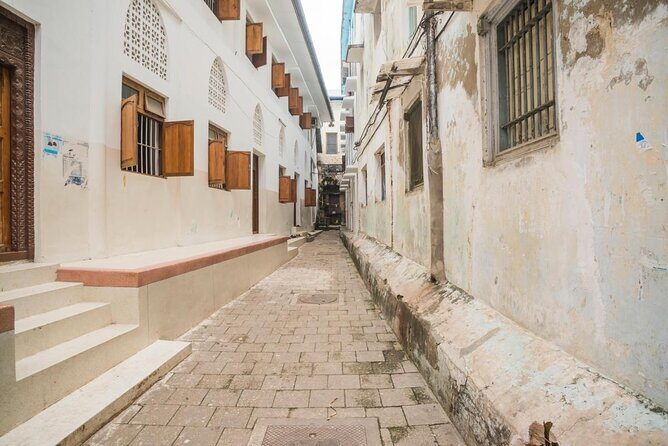
- Guide-led navigation through Stone Town so you don’t waste time getting lost in tight lanes
- Major landmarks packed in: Old Fort, Old Slave Market, House of Wonder, and Hamamni Persian Baths
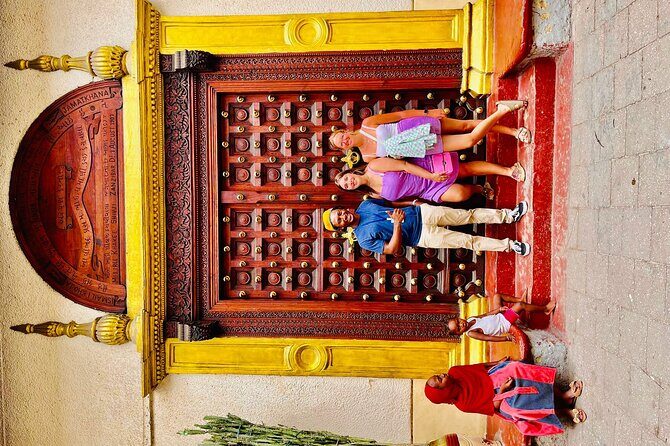
- Carved Zanzibar doors as a small but memorable visual stop you might miss on your own
- Forodhani Gardens/Foodchain Garden area for a change of pace near food and street life
- Good communication from Ibrahim Juma reported by guests who felt well cared for
Stone Town in a few moves: why this route works

Stone Town is one of those places where the streets look simple until you’re actually walking them. Turns start to look the same. Dead ends happen. You end up backtracking and your “one-hour plan” becomes a “four-hour wandering plan.”
This tour is designed to avoid that. You meet up, and your guide brings you to the main sites in an order that keeps things practical. It’s also built for flexibility. Your guide can accommodate requests, which matters in Stone Town because the best experience often depends on what you’re curious about—architecture, daily life, or the big historical themes tied to the buildings.
Another thing I appreciate is the tone: it’s not just “look and move.” You’re there to hear historical stories attached to what you’re seeing. That’s a big deal in Stone Town, where the buildings can look similar from the outside, but their purpose and the human stories around them are very different.
A final value point: the tour is private, meaning it’s just your group. For a place like Stone Town—where you may want to ask questions at each stop—private time is a huge upgrade over crowded group tours.
You can also read our reviews of more tours and experiences in Zanzibar.



Price and value: what $30 covers (and what you should still confirm)

At $30.00 per person, this is positioned as an affordable highlights walk. The big value comes from the promise that all fees and taxes are included in your booking. That reduces one of the most annoying travel moments: reaching a place and discovering you have to pay again before you can go in.
The mobile ticket is also practical. You don’t need to carry printed confirmations through busy streets. You just keep the ticket on your phone and show it when needed.
That said, Stone Town has a lot of spots where people can have questions about payments and entry. One short negative experience in the record described a guide trying to get visitors to pay entries after they believed they already had. I’m not saying that will happen to you, but it’s smart travel advice: before you leave your pickup point, take a minute to make sure you understand what’s already included for each stop. If you’re covered, show your confirmation clearly and keep it handy.
Meeting up and keeping the day from slipping
The tour runs between 8:30 AM and 6:00 PM on Mondays (based on the provided hours). Since Stone Town is active and streets can change quickly with foot traffic and weather, this kind of daytime schedule usually works best for photos and for actually getting into buildings comfortably.
The good news: the activity ends back at the meeting point. That matters more than you might think. Stone Town can make it hard to estimate walking distances, and finishing back where you started gives you a clean end to the experience.
Also, this is described as near public transportation. That gives you options if you’re not using a dedicated taxi for the whole day. Still, because one past guest described waiting for a taxi van after the tour (and some confusion about timing), I’d plan a small buffer. If you’re coordinating a pickup, give yourself time to breathe between the tour ending and your next transport.
Old Fort: the first stop that sets the tone

Your walk starts with one of the most recognizable anchors in Stone Town: the Old Fort. Even if you’ve seen fortresses before, this one is useful early in the tour because it gives context. It’s easier to understand the rest of the city when your first view is a place built for control and defense.
Why I like starting here: it acts like a visual map for the day. You see the defensive thinking behind the city’s layout, and then the later stops (markets, trading areas, prominent houses) make more sense because you can connect them to how people lived around power, commerce, and protection.
The possible drawback is simple: if you’re sensitive to crowds or heat, you may want to pace yourself. Stone Town can feel compact, and forts tend to attract foot traffic. Take your time, drink water, and don’t rush your photos. The stories your guide shares will help you slow down in the right way.
Old Slave Market: uncomfortable, but important

Next comes one of the hardest stops: the Old Slave Market. This is not the kind of place where you just look around and move on. Even with minimal explanation, the location carries weight, and a guide’s stories can help you understand what the site meant and why it remains historically significant.
Here’s what to expect: you’ll be walking through the area with commentary tied to the history of commerce and human suffering. It’s emotionally heavy. If you prefer light entertainment-only sightseeing, this stop may feel too intense. If you want to understand the full reality of Stone Town—including the parts that are not easy—this is one of the places where guided context makes the difference.
Practical tip: keep your pace steady. Don’t let this stop become a race to get it over with. The point is understanding, not checking a box.



House of Wonder and carved Zanzibar doors: where architecture tells stories

Then you shift into the standout “wow” factor of Stone Town: the House of Wonder and the carved Zanzibar doors stop mentioned as part of the route.
House of Wonder is a name you’ll hear often, and part of why it’s compelling is that it sits at the intersection of ambition and local building traditions. Without turning this into a textbook, a guide can point out details that your eye might skip—things like style choices, materials, and what the building’s prominence suggests about the era it represents.
The carved doors are the kind of detail that often wins on a small scale. From street level, doors are right there, yet many visitors walk past them quickly. A good guide treats them like a museum item: close enough to notice the carving work, but explained well enough to make them meaningful. You’ll come away seeing that Stone Town’s artistry isn’t only on grand structures. It’s in everyday thresholds.
If you’re taking photos, be respectful of entrances and privacy. The doors are part of lived spaces and historic design. Aim for angles that capture the carving without blocking movement.
Forodhani Gardens / Foodchain Garden: a change of pace

After the heavier and architectural moments, you’ll reach Forodhani Garden(s) and/or the Foodchain Garden area. This stop is useful because it changes the tempo. It’s a social zone, closely tied to the rhythms of Stone Town’s street life.
What you’ll likely appreciate here is the contrast: after forts, markets, and major buildings, the city feels more like a living place than an open-air monument. You get a break from the “look at the past” mode and move into “see how people gather now.”
One consideration: this is also the kind of area where you might feel pressure from sales activity in the general vicinity. Your guide can help you navigate calmly. If you don’t want to buy anything, you still can enjoy the atmosphere—just stick with your guide’s pace and keep your route clear.
Hamamni Persian Baths: the rooms that make history feel physical
One of the highlights is Hamamni Persian Baths, including wandering around the various rooms. Baths like this are fascinating because they’re history with touchable purpose. Instead of only studying buildings from the outside, you get to experience how spaces are arranged for cleansing, daily routines, and social interaction.
In a short tour, you won’t get time to study every wall, but you’ll get enough to understand how the layout supports the function. The “rooms” detail matters. It implies you’re not just viewing a single courtyard. You’re moving through different spaces tied to the bath experience, which makes it easier to picture how people used these areas.
Practical note: baths are not always identical in terms of temperature and comfort. Wear comfortable footwear you can handle indoors and outdoors. If you’re moving carefully inside, tell your guide so the pace matches your needs.
Private guide service and requests: where the tour can genuinely adapt
This is a private tour/activity. That means your guide is not trying to herd a bigger group through narrow streets. It also means you can ask questions at the exact moment something catches your attention—like why a carved door is shaped a certain way, or how a specific landmark connects to trade.
In the positive feedback included here, guests highlighted great care, strong English, and feeling supported. That’s not a small thing. Stone Town is a place where communication helps you feel oriented even more than signage does.
Because of that, I’d treat this tour like a conversation with a city expert. Bring a short list of what you care about most:
- architecture and doors
- market and trade history
- daily life and how people gather
- photo stops with the best sightlines
Your guide can then spend more time where it matters to you, without derailing the whole route.
The one caution worth taking seriously
A negative note in the record described a moment where the guide disappeared for about 15 to 20 minutes and the group waited. It also mentioned confusion about entry payments, requiring proof that entries had already been paid, and a delay with a return taxi van.
That doesn’t mean the tour is unsafe or unreliable by default. It does mean you should travel with a little structure:
- Keep your booking confirmation accessible in case anything comes up at entry points.
- If you’re using a taxi or pickup plan, don’t schedule your next commitment immediately after the tour ends.
- If anything feels off mid-tour, ask your guide clearly what’s happening and how long it will take before you assume it’s a misunderstanding.
In other words, plan like you’re in a historic area where small misunderstandings can happen. That mindset protects your day.
Who this tour is best for (and who should skip it)
This tour suits you if you want a high-impact Stone Town highlights route without doing the planning yourself. It’s also a good match if:
- you want a private experience focused on key stops
- you prefer a guide who explains stories, not just directions
- you want to see iconic architecture details like carved doors
- you’re short on time and still want meaningful coverage
It may be less ideal if:
- you want a long, slow museum-style experience with lots of downtime
- you’re sensitive to emotionally heavy sites (the Old Slave Market)
- you’re expecting a very predictable minute-by-minute schedule regardless of how long you stop at each room
Should you book StoneTown Tours?
I’d book this if your goal is simple: see the major Stone Town sights in an organized way and get human stories connected to what you’re looking at. At $30 with fees and taxes included and a private guide, the value can be excellent—especially if you’re the kind of traveler who enjoys asking questions in the moment.
I’d hesitate only if you’re booking on a super tight timetable or you don’t want any chance of logistics hiccups. If you do book, add a buffer for taxis and keep your confirmation ready. If you can do those two things, you’ll likely get the best version of this tour: a guided walk that helps Stone Town click into place fast.
FAQ
FAQ
Where is StoneTown Tours located?
The tour takes place in Zanzibar, Tanzania.
How much does the StoneTown Tours experience cost?
It costs $30.00 per person.
How long is the tour?
The duration is listed as approximately 3 to 30 minutes, depending on the flow of the experience.
Is this a private tour?
Yes. It’s a private tour/activity, and only your group participates.
What major places will I see during the tour?
You’ll visit highlights such as the Old Fort, Old Slave Market, House of Wonder, Forodhani Garden/Foodchain Garden area, Hamamni Persian Baths, and carved Zanzibar doors.
Where does the tour end?
It ends back at the meeting point.
Is there a mobile ticket?
Yes, this experience includes a mobile ticket.
What are the opening hours?
The provided hours are Monday 8:30 AM to 6:00 PM.
Can I get a refund if I need to cancel?
Free cancellation is available. You can cancel up to 24 hours in advance for a full refund, and cancellations within 24 hours are not refunded. The experience also requires good weather.