REVIEW · MOSHI
7 Days Rhino Ngorongoro Crater Safari Tour
Book on Viator →Operated by Tanzania Wildlife Adventures · Bookable on Viator
Wild rhinos and big-crater views in one trip. This 7-day safari route through Tarangire, Serengeti, Ngorongoro Crater, and Lake Manyara is built around classic wildlife country, with a real shot at the rarer sightings like black rhino. I like that the pace moves park to park without wasting time, and that the itinerary includes both long game drives and some special detours like a Maasai village visit or Olduvai Gorge, depending on what you choose.
I also like the small-group setup and support built into the experience: it’s capped at 6 travelers, you get an English-speaking driver-guide, and there’s 24-hour support from the office in Moshi. One thing to consider is that this is an active schedule with lots of driving between parks, and some nights are in hotels outside the parks, so you’ll want to be comfortable with a day that starts early and runs late.
In This Review
- Key Highlights You’ll Feel Day to Day
- $3,200 Worth It? The Value of a 7-Park/7-Day Safari
- Day 1: Landing in Kilimanjaro, Arusha Hotel Comfort, and a Pre-Safari Brief
- Day 2: Tarangire National Park for Baobabs, Dry-Season Water, and Birding
- Days 3 and 4: Serengeti’s Endless-Plain Feel with Migration Country and Kopje Predators
- Day 3: Game Drive Enroute + Optional Stops (Maasai Village or Olduvai Gorge)
- Day 4: Full Serengeti Day with Plains Game and Predator Chances
- Day 5: Ngorongoro Crater Descent for Black Rhino, Soda Lake Birds, and Big-Scale Viewing
- Day 6: Lake Manyara National Park for Tree-Climbing Lions and a Patchwork of Habitats
- Day 7: Arusha Morning at Leisure and Your Kilimanjaro Airport Transfer
- Vehicles, Group Size, and the Human Side of the Safari
- What You’ll Be Looking For (and When It’s Worth Being Patient)
- Who This Safari Fits Best
- Should You Book This 7 Days Rhino Ngorongoro Crater Safari Tour?
- FAQ
- What parks are included on this safari?
- What time does the safari start and where?
- Is airport pickup/transfer included?
- How large is the group?
- What meals are included?
- Is cancellation free?
Key Highlights You’ll Feel Day to Day
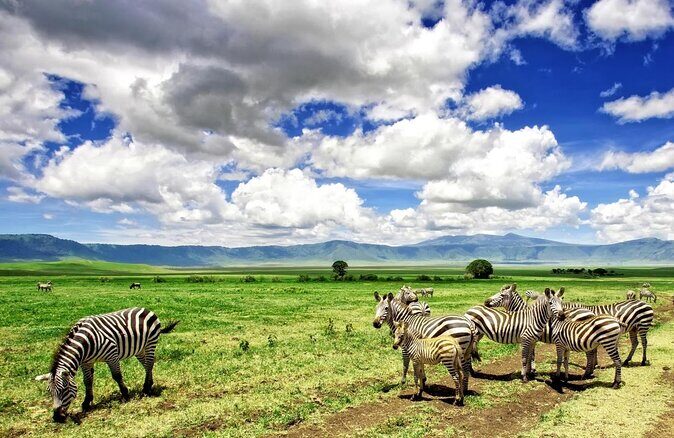
- Black rhino chances in Ngorongoro: grazing on the open crater floor, with game viewing across many species
- Serengeti game drives with migration country in mind: huge herds of plains game and predator action around kopjes
- Tarangire’s river water during dry season: a magnet for animals and birds in a park known for baobabs
- Lake Manyara’s different ecosystems: forest, plains, swamp areas, and a lake that pulls wildlife near the shore
- Small group safari: maximum of 6 travelers for a more personal pace
- Guide support you can actually reach: 24-hour help from Moshi during the safari
$3,200 Worth It? The Value of a 7-Park/7-Day Safari
At $3,200 per person, this is the kind of safari price that asks one question: what are you paying for? In this case, you’re paying for a full circuit that checks multiple “must-see” areas—Tarangire, Serengeti, Ngorongoro Crater, and Lake Manyara—while also covering a lot of the operational work.
The tour includes all fees and taxes, airport transfer, and daily meals (breakfast 6 times, lunch 7 times, dinner 7 times). It also includes a professional English-speaking driver/guide and 24-hour support from the company office in Moshi, which matters more than people think when you’re far from home. In plain terms: you’re not just buying a route map; you’re buying guidance, vehicles, and smooth handoffs between lodges and parks.
The other value lever is time. Seven days is long enough to do this circuit properly, and not long enough to turn into a “sit in the bus all day” slog—if your driver keeps things moving. The itinerary is set up to give you full game-viewing days in key places (Tarangire and Serengeti), plus the must-do Ngorongoro crater experience.
Possible drawback on value: the schedule includes some park-adjacent hotel nights rather than every stay inside the park. That’s common in Tanzania, but it can mean a bit more driving at certain points. If you’re chasing the maximum number of hours with your eyes on wildlife, keep that in mind.
A few more Moshi tours and experiences worth a look
Day 1: Landing in Kilimanjaro, Arusha Hotel Comfort, and a Pre-Safari Brief
Your safari starts at Kilimanjaro Airport with a 7:00 am start time, plus an airport transfer. There’s a simple, practical welcome: your driver is set up to meet you with a sign holding your name and then get you to your first night at Springlands hotel in the Arusha area.
After you arrive, you get a meal and then a pre-safari briefing from the safari coordinators. This matters because the best safaris aren’t just about animals; they’re about timing and expectations. A good briefing helps you understand what to look for, how game drives work, and how the schedule will feel once you’re in the parks.
Springlands is the kind of lodge you’ll appreciate after travel days: there’s a swimming pool, plus gardens with a bar and restaurant. That’s not just “nice to have.” It’s your decompression zone before the long drive days start.
What I’d plan for on Day 1: keep your evening light and sleep early. Even if you feel fine, the early mornings will catch up with you later.
Day 2: Tarangire National Park for Baobabs, Dry-Season Water, and Birding
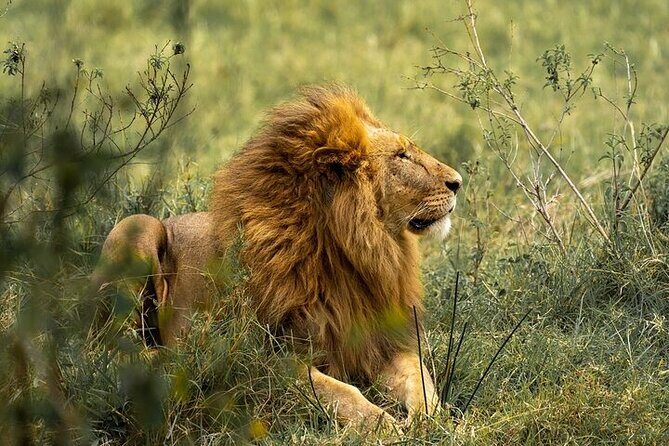
On Day 2 you head to Tarangire National Park, and the big reason animals show up here is water. Tarangire is fed by the Tarangire River, which doesn’t dry up in the dry season, and that becomes a reliable draw for hundreds of animals.
You’re also in a park with variety: grassy savannah plains, swamps, hills, and famous baobabs. That mix of habitats often means better odds of seeing wildlife in multiple moods—some animals out in the open, others near wetter areas, plus lots of birds.
This is a full day of game viewing, and you stay at Highview Hotel overnight (breakfast, lunch, dinner included). The practical upside of staying just outside the park is that you get restful downtime, instead of packing and repacking constantly.
One consideration: Tarangire is known for long viewing days. If you’re the type who wants breaks every few hours, plan to rely on your vehicle stops and your lodge evenings. The schedule here is built for steady wildlife time.
Days 3 and 4: Serengeti’s Endless-Plain Feel with Migration Country and Kopje Predators
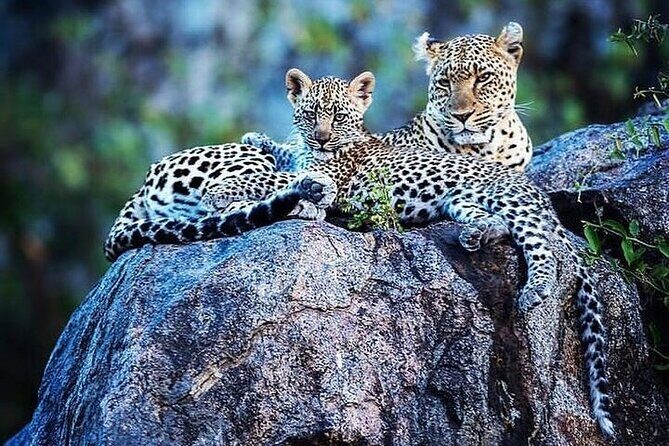
Then it’s on to Serengeti National Park, where the name itself points to what you’ll notice quickly: the sense of endless plain. The Serengeti part of this safari is structured as two full days, which is a smart move. One Serengeti day can feel magical; two days makes your odds better across different herds and predator situations.
Day 3: Game Drive Enroute + Optional Stops (Maasai Village or Olduvai Gorge)
After breakfast, you drive toward Serengeti. On the way, you can opt for either a Maasai village visit or Olduvai Gorge (Cradle of Humanity) with its museum.
- Maasai village: great if you want cultural context alongside wildlife. You can explore Maasai culture and participate in some tribal activities.
- Olduvai Gorge: for many people, this is the “how we got here” day. The museum traces humanity’s journey from early roots to modern life.
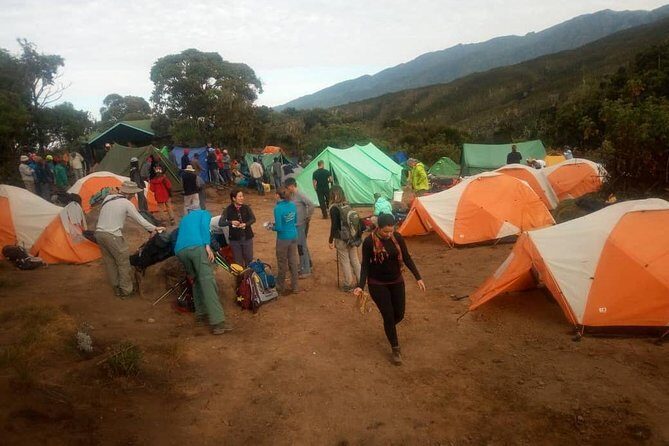
Once you’re in the Serengeti area, you enjoy a game drive en route to your camp. You stay at one of the wild camp options: Ikoma Wildcamp, Serengeti Wildcamp, or Serengeti Wildebeest Camp.
A few more Moshi tours and experiences worth a look
Day 4: Full Serengeti Day with Plains Game and Predator Chances
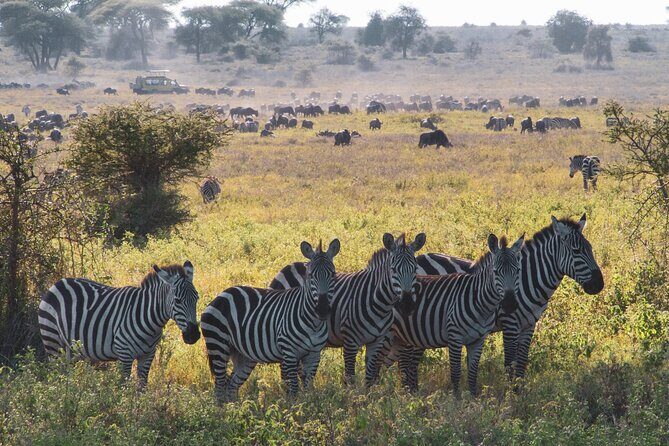
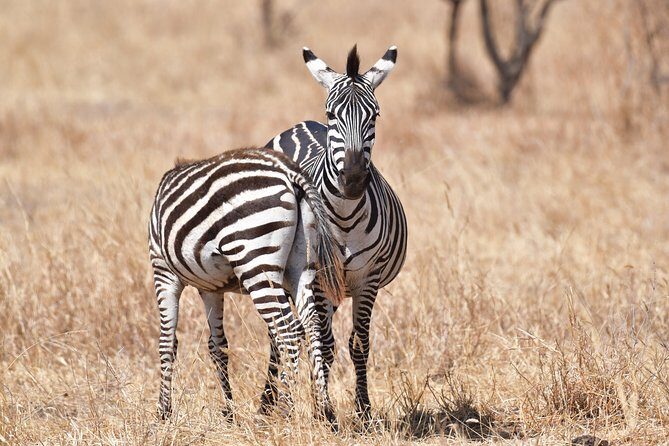
Day 4 is another full day in Serengeti with game drives. This is where your eyes will keep moving: huge herds of plains game like wildebeest, zebra, and antelope dominate the plains, while predators such as lion and cheetah are found around kopjes—those rocky outcrops that create natural viewing points.
The park’s topography is diverse, with open grass plains in the south, savanna with acacia trees in the center, hilly wooded areas in the north, and extensive woodland and black clay plains elsewhere. Translation: you’re not stuck watching one “type” of scene all day.
Practical note: bring patience for the long stares. Serengeti can reward quiet scanning as much as it rewards fast spotting. If you want photos, this is also where you’ll learn how to frame motion and dust against a still background.
Day 5: Ngorongoro Crater Descent for Black Rhino, Soda Lake Birds, and Big-Scale Viewing
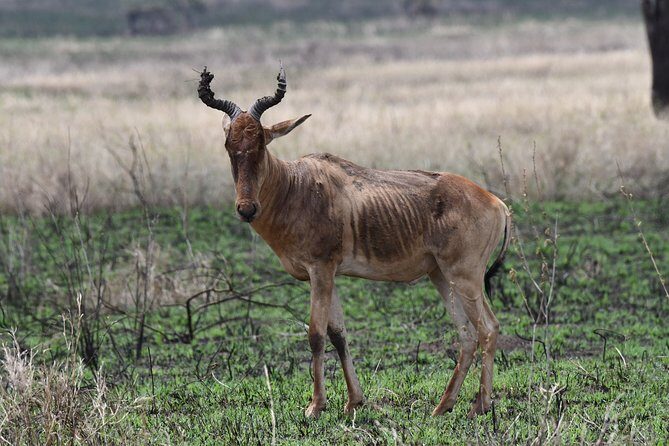
Ngorongoro Crater day is the headline for a lot of safari shoppers, and this itinerary treats it like one.
You’ll do a morning game drive en route to the crater, then descend into the crater floor for wildlife viewing. The crater is described as 600 meters deep and about 16 km across, and that scale shows in the way wildlife moves in wide, open views.
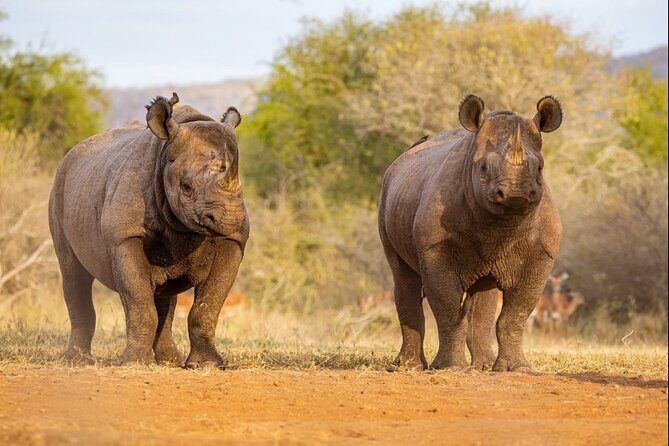
Why Ngorongoro matters for rhino: it’s specifically one of the places where you can see many of Tanzania’s last remaining black rhinos grazing on the open grassland. That’s a big deal because black rhinos aren’t “guaranteed on every safari” anywhere you go.
The crater holds a dense concentration of species, including lion and cheetah, plus antelope-like eland, zebra, and gazelle. Birds are part of the story too. Flamingo are often seen feeding at Makat Soda Lake, and that’s a great change of pace from focusing only on mammals.
After your crater drive, you head to your lodge for overnight at Highview Hotel again (with meals included). Most people feel tired here for a simple reason: you’re seeing a lot, and your vehicle time is packed with decisions about where to look next.
Possible drawback: crater visibility depends on vehicle position and timing. You’re not controlling the sun angle or cloud cover, so the best approach is to keep flexibility and stay focused on what’s directly in front of you when sightings pop up.
Day 6: Lake Manyara National Park for Tree-Climbing Lions and a Patchwork of Habitats
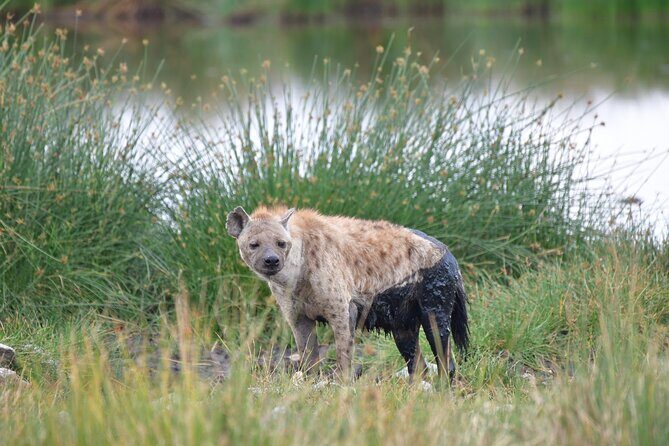
Day 6 shifts from crater drama to Lake Manyara National Park, set against the Rift Valley escarpment. Here, the park is described as having an evergreen groundwater forest and multiple ecosystems all close together: acacia woodland, grassy plains, swamp areas, and an expansive lake.
That mix is useful for wildlife spotting because animals tend to “choose” the habitat they match—so if you’re not seeing much in one zone, you still have other zones where the odds can improve.
Manyara also has a specific wow-factor people remember: it can be home to tree-climbing lions. Even if you don’t see that exact behavior, it tells you the park’s lion story can be unusual compared with more open-country parks.
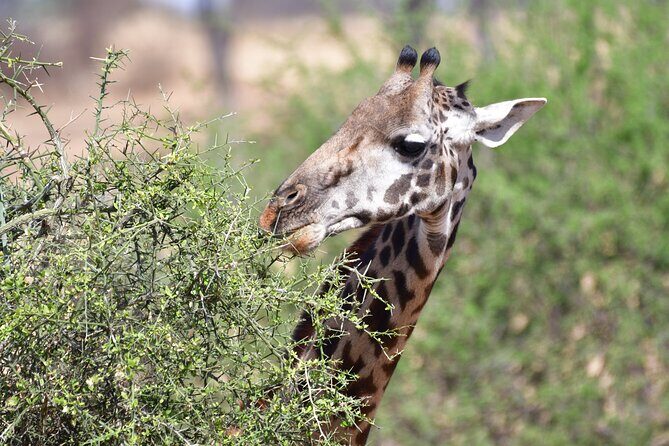
You can look for buffalo, impala, giraffe, bushbuck, waterbuck, hippos, and elephants near the lake. Plus the primates factor: blue monkeys, vervet monkeys, and active olive baboon troops.
Overnight returns to Springlands Hotel. This is a good “last full wildlife day” choice because you get a comfortable base with facilities that help you reset before the flight day.
Day 7: Arusha Morning at Leisure and Your Kilimanjaro Airport Transfer
On the final day, you get a morning at leisure in Arusha before transferring to Kilimanjaro airport for your flight home. If your flight is in the morning or night, the itinerary notes that you may need extra accommodation added in Arusha—so it’s worth planning your schedule early.
This day is intentionally lighter. After a week of early starts, you’ll appreciate the break. It also reduces stress if your airport timing ends up being tighter than expected.
Vehicles, Group Size, and the Human Side of the Safari
One of the most reassuring details is the tour’s group size: a maximum of 6 travelers. That means fewer voices in the vehicle, more flexibility during drives, and often a more personal feel to how sightings are handled.
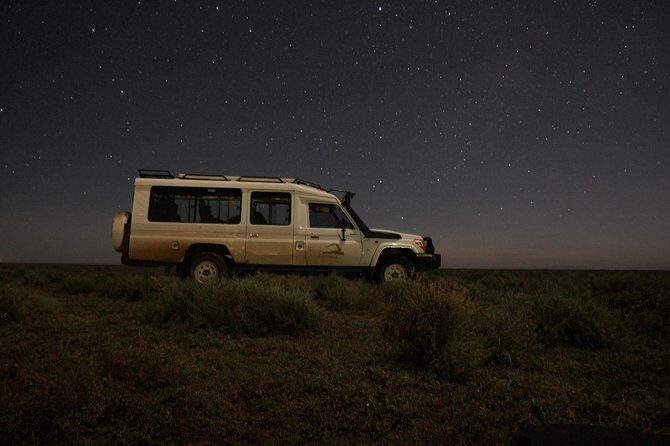
In the reviews, the driving experience also comes up. One guest praised a 4×4 in excellent condition, and another highlighted an excellent driver-guided tour by Moses. That’s the kind of detail that matters because a great safari isn’t just the parks—it’s also how your driver reads the road, positions the vehicle, and knows when to keep going or slow down.
Also, there’s 24-hour support from the office in Moshi. If you run into an issue with timing, a lodge handoff, or a last-minute change, you’re not stuck trying to solve it alone.
What You’ll Be Looking For (and When It’s Worth Being Patient)
This safari is designed around classic Tanzania wildlife patterns across different habitats:
- Tarangire pulls animals and birds toward permanent dry-season water
- Serengeti concentrates herds across plains and predators around kopjes
- Ngorongoro compresses many species into one massive crater bowl, with black rhino included as a key target
- Lake Manyara mixes woodland, swamp, and lake zones, raising the chance you’ll find wildlife in multiple ways
So, what should you do during game drives? Make your plan simple:
- Scan widely first, then zoom in when something moves
- Don’t tunnel vision on one species
- If you’re trying for a rhino-type sighting, know that crater sightings can happen at different times and won’t all show up at the same moment
And yes—bring patience. This is a “wait, watch, react” style of travel. The best moments often start with a long, quiet minute.
Who This Safari Fits Best
This rhino and crater focused circuit is a strong match if:
- You want a big multi-park highlight trip in a manageable time window
- You care about predator chances in Serengeti and the rare-rhino story at Ngorongoro
- You prefer small-group pacing (max 6) rather than a large group scramble
It’s also a decent pick for families or mixed groups because the route is well structured and includes cultural and historical options en route to Serengeti, like a Maasai village visit or Olduvai Gorge.
If you hate early mornings or you get motion-sick with lots of driving, you’ll want to plan for that. The schedule is active, and you’ll feel it.
Should You Book This 7 Days Rhino Ngorongoro Crater Safari Tour?
I’d book it if you want one clear answer to “Which parks should I prioritize in Tanzania?” This itinerary hits the big names—Tarangire, Serengeti, Ngorongoro Crater, and Lake Manyara—and it specifically targets the black rhino chance at Ngorongoro. The two full Serengeti days are also a smart call for anyone who wants more than a quick taste of migration country.
I’d think twice if your dream safari is mostly low-effort, with minimal driving and no early starts. This tour is built for people who want their days full and their game drives to count.
If you do book, my best advice is simple: pack for long days, keep your expectations flexible, and take the briefings seriously. That’s how you turn a good itinerary into a memorable wildlife week.
FAQ
What parks are included on this safari?
This tour includes Tarangire National Park, Serengeti National Park, Ngorongoro Crater, and Lake Manyara National Park.
What time does the safari start and where?
The safari starts at Kilimanjaro Airport at 7:00 am.
Is airport pickup/transfer included?
Yes. The tour includes an airport transfer.
How large is the group?
The safari has a maximum of 6 travelers.
What meals are included?
The package includes breakfast (6), lunch (7), and dinner (7).
Is cancellation free?
Yes. You can cancel up to 24 hours in advance for a full refund.