REVIEW · ARUSHA
5 Days Safari Tarangire, Serengeti, Ngorongoro Crater and Lake Manyara
Book on Viator →Operated by Jairos Adventure · Bookable on Viator
Five parks in five days, and every turn feels wild. What makes this safari work is the tight route through Tarangire elephant country, the lion-rich Serengeti plains, and the wildlife concentration of Ngorongoro, plus a calmer finish at Lake Manyara. I like the practical mix of comfort and value, with stays such as Tloma lodge and Acacia Central Camp, and I also like that meals are handled for both vegetarians and meat-lovers. One thing to weigh: you’ll spend a lot of time in the vehicle, and tips for your guide are extra (about $30–50 per day per car).
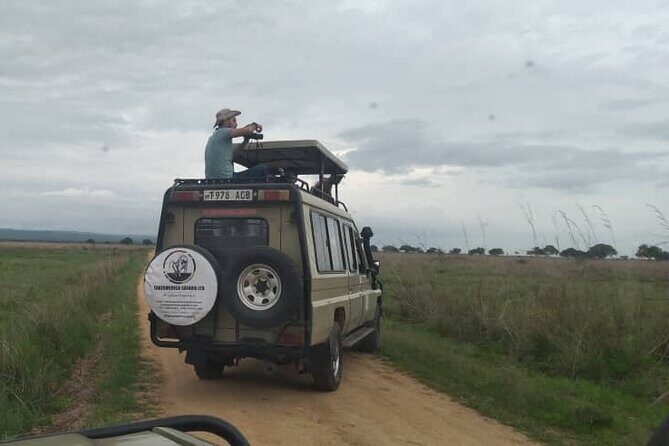
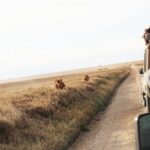
This trip is run from Arusha, with pickup from your accommodation and transport in a 4×4 Land Cruiser with an open roof. That open-roof setup is a big part of the fun for game drives, even if it means you’ll feel the sun and wind. You also get built-in reassurance items that matter on the road, like 24/7 phone support and an air ambulance service by AMREF Flying Doctors.
In This Review
- Key things I’d pay attention to
- Arusha to Tarangire: elephants, baobabs, and a river that never quits
- Central Serengeti game drives: lions that live there, not just pass through
- Ngorongoro Crater day: descending into a natural amphitheater
- Lake Manyara with a Maasai village pass: calmer scenery, Rift Valley context
- Lodges, tents, and the food plan that keeps everyone happy
- Your guide and the open-roof drive: what makes sightings actually happen
- Price and value: is $3,000 a good deal for this route?
- Who this safari suits best, and who should think twice
- Should you book this 5-day northern Tanzania safari?
- FAQ
- What parks are included in the 5-day safari?
- Where does the safari start and end?
- What is included in the price?
- What is not included?
- What accommodation can I expect during the safari?
- What happens if weather is poor?
Key things I’d pay attention to
- Open-roof 4×4 Land Cruiser for game-drive viewing you can actually feel
- Tarangire River all year so wildlife keeps showing up even in dry seasons
- Central Serengeti resident predators with a reported lion population around 3,000
- Ngorongoro’s wildlife density in the world’s largest caldera environment
- Wi-Fi at lodges plus chef-prepared meals that cater to vegetarians
- Extra costs to plan for: tips and any park-fee increases where applicable
Arusha to Tarangire: elephants, baobabs, and a river that never quits
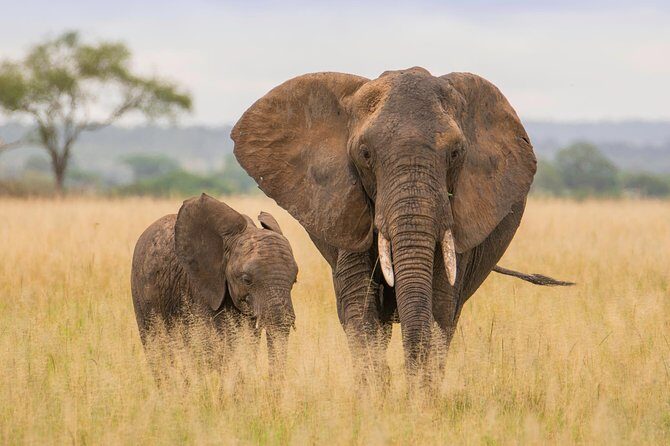
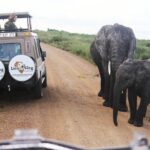
Your safari starts with pickup in Arusha, and then you point the Land Cruiser toward Tarangire National Park. Tarangire sits in the Manyara region and is known for big herds of elephants, tree-climbing lions, and those iconic baobab trees locals sometimes call the Tree of Life. What really sets Tarangire apart is the Tarangire River, which flows all year and acts as the key water source during dry periods. That means you’re not just hunting for animals in theory; you’re entering a system where water keeps pulling wildlife into sight.
I like this first-day choice because it’s a strong warm-up. You’re still getting your legs under you after travel, but you’re walking into a park where elephants are often present and the terrain gives great sightlines. If you’re a first-time safari person, this is also a smart way to learn the rhythm: spot something interesting, follow movement from a distance, then get closer as the guide reads the scene.
The possible drawback is simple: Tarangire’s best moments often come on drives that can feel long. If you’re the type who hates waiting for the right sighting, you’ll need patience. If you enjoy the slow build, this day sets the tone nicely.
Overnight is at Tloma lodge, and the lodge style you’re promised is “comfort with savannah views.” The tour also notes Wi-Fi at lodges, which is helpful if you want to share photos or just keep logistics simple.
A few more Arusha tours and experiences worth a look
Central Serengeti game drives: lions that live there, not just pass through
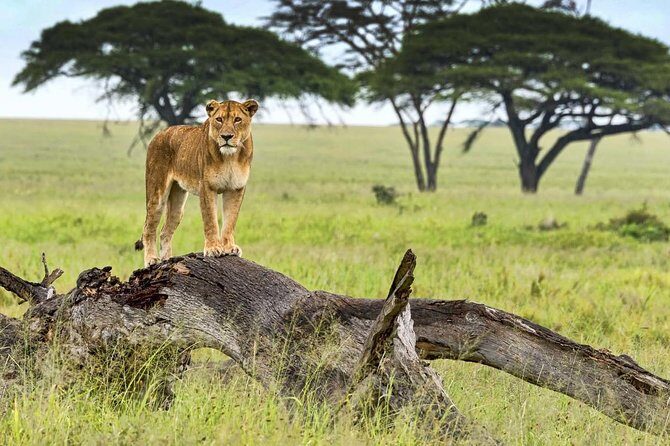
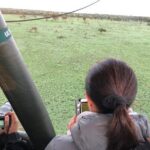
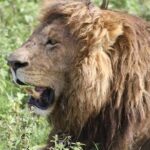
After breakfast, you move to Serengeti National Park, specifically the Central Seronera area. Serengeti is UNESCO-listed, and this route is built around resident wildlife, meaning animals don’t just show up during migration—they live there year-round. The star claim here is lions: Central Serengeti is believed to have the largest lion population in Africa, with more than 3,000 lions in the ecosystem. Add in leopards (with a population around 1,000 in this region) and you get a place where predator sightings are more likely to happen repeatedly across drives rather than being a one-time miracle.
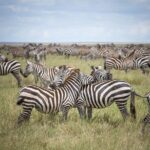
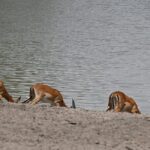
For me, the best part of Serengeti is the scale. The tour describes zebras and Thomson’s gazelles in huge numbers, and the idea of hearing millions of hooves on the open plains is exactly what makes Serengeti feel different from smaller parks. Even if you’ve seen wildlife before, Serengeti’s “space” changes how animals move and how sightings unfold. You’re not just watching; you’re reading the ecosystem.
One practical note: if you get motion sick easily, Serengeti drive days can be a challenge because you’re on the move early and often. The good side is that early morning drives are usually when predators are active and light is better for spotting.
You’ll spend the night at Acacia Central Camp, which fits the overall vibe of the trip: comfortable base, good meals, and an easy transition between drives. In the lodge planning, the tour also mentions chef-inspired meals made with fresh ingredients and that they work for both vegetarians and meat-eaters, so you shouldn’t feel like you’re settling for plain options.
Ngorongoro Crater day: descending into a natural amphitheater
Next comes the Ngorongoro Conservation Area, and the day is structured around an early morning drive into the crater highlands. This is another UNESCO site, and it’s named for Ngorongoro Crater, described as the world’s largest caldera. If you’ve seen photos, you already know it looks dramatic. What makes the crater especially worth the drive is concentration: the tour notes wildlife numbers around 25,000 in the area, which is why Ngorongoro often feels like the most “efficient” wildlife day on a multi-park safari.
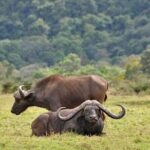
Expect game drives that feel different from the open plains. In the crater setting, animals gather in ways that can make sightings feel more frequent. You may still wait for the right scene, but the environment tends to bring wildlife into view without you needing to cover unlimited distance.
The trade-off is that Ngorongoro days can be visually intense and time-bound. Early starts are part of the package, and crater drives can get crowded in some seasons depending on timing and rules. You’ll want to bring a steady mindset: focus on your guide’s positioning and be ready to shift from “big picture” to “details” fast.
Overnight again is at Tloma lodge, giving you a second night to reset after the crater day.
Lake Manyara with a Maasai village pass: calmer scenery, Rift Valley context
Your final stretch heads to Lake Manyara via a Maasai village. Lake Manyara National Park is named from the Maasai word Manyara, connected to the plant Euphorbia tirucalli, which the Maasai people use to build livestock stockades. The tour also adds a neat geology hook: the Great Rift Valley stretches thousands of kilometers, and astronauts reportedly could see the Rift Valley clearly from the moon. That’s the kind of trivia that turns “getting there” into part of the experience rather than just a transfer.
After arrival, your day is split: a cultural pass en route, then a park visit with afternoon time before you’re taken to the airport. Lake Manyara can be a more relaxed finish compared to Serengeti. If you want a safari day with fewer “marathon” feelings, this is often the right kind of ending—still wildlife-focused, but with room to enjoy the broader setting and slow down.
Because the itinerary has you flying out after the afternoon, it’s also the day where you’ll want to keep your schedule tidy. Bring what you need for quick packing and be ready for a faster transition from game drive to airport transfer.
Lodges, tents, and the food plan that keeps everyone happy
The tour’s lodging plan is centered around comfortable properties in savannah areas, including Tloma lodge and Acacia Central Camp. You’re also told each lodge offers cozy rooms with breathtaking scenery and essentials, plus Wi-Fi. That combination matters more than people think. During a 5-day safari, you’re not just paying for beds; you’re paying for a place to charge devices, get a shower after dust and sun, and sleep well before another early drive.
Meals are handled daily: breakfasts, lunches, and dinners are included, with 1.5 bottle of water per person per day. The food is described as chef-inspired with fresh ingredients and catered for both vegetarians and meat-lovers. That’s a big practical win on a safari like this, because hunger is distracting when you’re trying to spot animals. It also means you don’t need to keep hunting for food options on your own between parks.
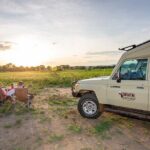
From a comfort standpoint, two different accommodation styles appear in the broader experience of this route: lodge nights like Tloma and camp stays like Acacia Central Camp, plus the possibility of tented accommodations in the Serengeti area as part of how the safari is run. Either way, the goal is the same: you’re close to the action without turning the whole trip into rough camping.
A few more Arusha tours and experiences worth a look

Your guide and the open-roof drive: what makes sightings actually happen
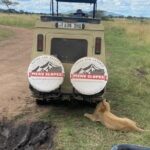
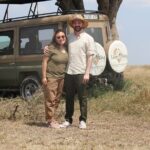
This safari uses a professional English-speaking safari guide and chef, and transport is in a 4×4 with an open roof. Those two details are connected. An open roof helps your sightlines, but someone still has to put you in the right position, time the drive, and interpret animal behavior. The tour’s reviews back up that real skill matters: guides named George, Ezekiel, William, and Mr Easy are described as finding animals quickly, including spotting small creatures in thick bush and identifying animals from a distance as a speck.
That kind of guidance is exactly what you want on a route packed with major parks. Anyone can drive through Serengeti; not everyone can consistently translate what you’re seeing into what matters—where to look next, when to stop, and when to move.
A second, less glamorous benefit is logistics support. The tour includes 24/7 phone support, and it lists an air ambulance service by AMREF Flying Doctors. On paper, that’s “just a feature.” On the road, it’s peace of mind.
One small consideration: this is described as a private tour/activity, meaning only your group participates. Private can be calmer, but it can also mean you’re paying for that exclusivity. Still, it’s a good fit if you want a tighter schedule and fewer compromises.
Price and value: is $3,000 a good deal for this route?
At $3,000 for roughly 5 days, you’re paying for a route that covers four major northern Tanzanian experiences: Tarangire, Serengeti, Ngorongoro Crater, and Lake Manyara. What makes the price easier to justify is what’s included.
Included items you should notice:
- All fees and taxes
- 4×4 transport with open roof
- All meals (breakfast, lunch, dinner) plus 1.5 bottle of water per day
- Professional English-speaking guide and chef
- Air ambulance coverage via AMREF Flying Doctors
- 24/7 phone support
- Group discounts are mentioned, and mobile ticketing is part of the setup
What’s not included:
- Flights to and from Tanzania
- Visa/passport fees and travel insurance
- Extra activities and alcoholic beverages
- Tips (expected at $30–50 per day per car)
- Possible increases in park fees where applicable
So the real question is not just the sticker price. It’s whether you’d rather pay more and have the essentials handled, or save money and manage everything yourself. If you value someone handling meals, transport, and the day-by-day routing, the $3,000 can be a fair deal for a short, high-impact safari loop.
If you’re extremely budget-driven and already comfortable organizing park fees, meals, and reliable 4×4 transport, then you may find cheaper options. But for most people, the included structure reduces stress and helps you focus on the sightings.
Who this safari suits best, and who should think twice
This is a great fit if you want a focused northern Tanzania circuit without adding extra travel days. It suits couples, small groups, and anyone who wants comfortable lodge/camp bases with meals handled and wildlife drives led by a guide who can actually spot and interpret wildlife.
It may be less ideal if you dislike early starts or you’re sensitive to long drives. The tour also states travelers should have moderate physical fitness level, which usually means being able to handle crater and park walking/standing time without strain. Also, because the experience depends on good weather, you should expect that the safari may shift dates if conditions are poor.
Should you book this 5-day northern Tanzania safari?
If you want a classic, well-structured sampler of northern Tanzania—elephants in Tarangire, resident lions in Central Serengeti, Ngorongoro’s dense crater wildlife, and a relaxed finish at Lake Manyara—this plan makes strong sense. The biggest reasons I’d book are the practical inclusions (meals, transport, guide/chef) and the “sightings-first” logic of the route, especially the Tarangire River and the resident predator focus in Central Serengeti.
I’d only pause if you’re the type who hates paying on top for tips or you need very low time in the vehicle to feel comfortable. If that’s you, consider how much you’re willing to trade for four headline parks in five days.
FAQ
What parks are included in the 5-day safari?
The safari route covers Tarangire National Park, Serengeti National Park (Central Serengeti/Seronera area), Ngorongoro Conservation Area (including Ngorongoro Crater game drive), and Lake Manyara.
Where does the safari start and end?
It starts in Arusha, Tanzania, with pickup from your accommodation. It ends back at the meeting point in Arusha, with an airport transfer mentioned for the afternoon.
What is included in the price?
The package includes all fees and taxes, transport in a 4×4 Land Cruiser with open roof, meals (breakfasts, lunches, dinners), and 1.5 bottle of water per day, plus a professional English-speaking safari guide and chef, air ambulance service by AMREF Flying Doctors, and 24/7 phone support.
What is not included?
Not included are local and international flights, personal items and alcoholic beverages, travel insurance and visa/passport fees, extra activities, tips to your safari guide ($30–50 per day per car), and any increases in park fees where applicable.
What accommodation can I expect during the safari?
You’ll stay at comfortable lodge/camp locations such as Tloma lodge and Acacia Central Camp, based on the overnight stops listed in the itinerary. The trip description also mentions Wi-Fi at the lodges.
What happens if weather is poor?
The experience requires good weather. If it’s canceled due to poor weather, you’ll be offered a different date or a full refund. If you cancel, the policy described is free cancellation up to 24 hours in advance for a full refund.