REVIEW · MOSHI
6 Days Climb Kilimanjaro Through Marangu Route
Book on Viator →Operated by Kilimanjaro Wonders Expedition Safari · Bookable on Viator
Kilimanjaro gets easier when logistics are handled. This 6-day climb along the Marangu Route is built around guides, porters, and a support crew, with sleeping options in provided huts and/or camping areas plus mattresses. I like that national park fees, meals, and mountain dining setup are included, so you can focus on walking and acclimatizing. The only real drawback to consider is that this route is still a short timeline—plus the summit day starts around midnight to 2 am—so altitude can hit fast for some people.
You’ll also get pickup and return transport from Moshi, along with practical safety extras like first aid kits and pulse oximeters, and boiled water on the mountain. And yes, there’s flexibility built into the experience, including a full rest day at Horombo with an optional hike, which helps you keep your head when the air thins.
In This Review
- Key Takeaways Before You Sign Up
- Marangu Route: Why These Huts Make Kilimanjaro Feel More Realistic
- Price and Value: What the $1,899 Includes (and the Gaps to Plan For)
- Day 1: Hotel to Mandara Hut Through the Rainforest
- Day 2: Mandara Hut to Horombo Hut and the Views Start to Hit
- Day 3: Rest at Horombo Hut and the Mawenzi Optional Hike
- Day 4: Horombo Hut to Kibo Hut and the Moonscape Begins
- Day 5: Midnight Start to Gilman’s Point and Uhuru Peak
- Day 6: Horombo Hut Down to Moshi, Mud and Momentum
- Guides, Porters, and the Small Safety Pieces That Add Up
- What to Pack for Marangu (So You Don’t Trade Comfort for Pride)
- Is This Trek Right for You?
- Should You Book This 6-Day Kilimanjaro Climb Via Marangu?
- FAQ
- How long is the Kilimanjaro climb on the Marangu route?
- Where does the tour start and finish?
- Does the package include transportation from Moshi?
- Is the Marangu route used for the climb?
- What is included for sleeping arrangements?
- Are meals on the mountain included?
- Are national park fees included?
- Are guides and porters included?
- Are tips included?
- When does the summit attempt start?
Key Takeaways Before You Sign Up
- Marangu’s hut-style comfort makes mornings and nights less chaotic than tent-only routes
- Meals and mountain support included so you are not budgeting day by day
- Altitude management built into the schedule with a rest day at Horombo
- Safety and monitoring tools like first aid kits and pulse oximeters are part of the package
- Summit push timing is intense (midnight to 2 am) and needs real stamina
- Mud on the way down is real; gaiters and poles are your friends
Marangu Route: Why These Huts Make Kilimanjaro Feel More Realistic
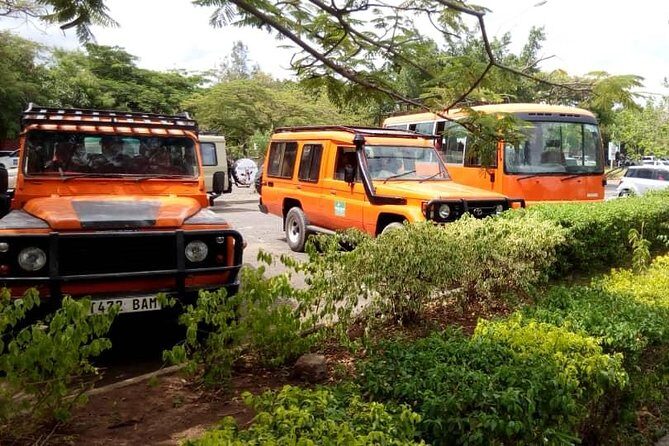
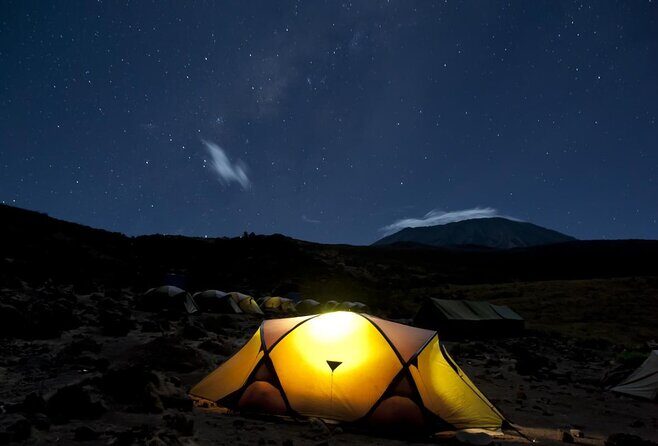
If the thought of sleeping in a tent in cold, high-altitude conditions sounds miserable, Marangu is the popular compromise. On this climb, you’ll camp in designated areas or use provided huts at different stops, and you get sleeping mattresses rather than sleeping on the ground. That matters on Kilimanjaro. You don’t just need rest—you need rest that actually lets your legs recover.
Marangu also tends to be more straightforward to navigate than some other routes, and it funnels you through three classic zones: rainforest, heathland, then the alpine desert toward the summit. That progression helps you mentally track what is happening to the mountain as you climb.
Just remember: huts do not stop altitude. Even with comfortable beds, you still have to deal with thinner air and the very human urge to go too fast.
A few more Moshi tours and experiences worth a look
Price and Value: What the $1,899 Includes (and the Gaps to Plan For)
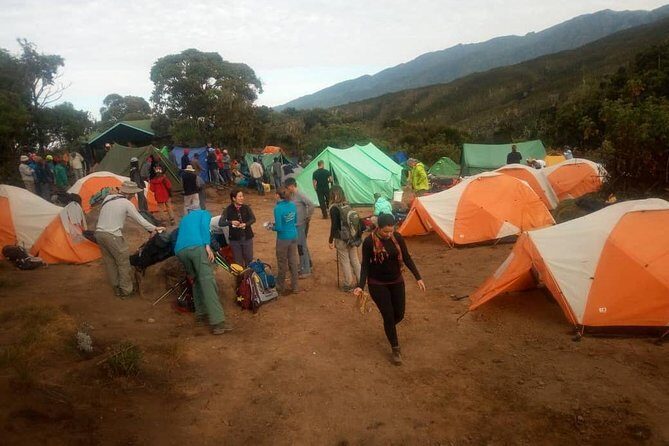
At $1,899 per person, this is not a bargain-style hike. It’s priced like a supported climb with serious logistics. Here’s what you’re paying for that can genuinely lower your stress:
What’s included
- Return transportation from Moshi to/from the starting/finishing point
- Qualified guides plus a mountain crew (and porters)
- National park fees
- Tents and sleeping mattresses (where camping is used)
- Full meal service on the mountain (breakfast, lunch, dinner—depending on the day)
- Mountain dining setup (mess tent, utensils) and mini camping chairs
- First aid kit and rescue fees
- Pulse oximeters
- Boiled water on the mountain
What’s not included
- Tips for guides, porters, cook/waiters
- Meals and drinks that aren’t specified as included
- Your climb gear
- Visas, personal items, nature items
- Emergency oxygen
So the value question is simple: if you want one company to handle the planning, staff, food, and park paperwork, this price starts to make sense. If you are the type who already has your gear and prefers DIY pacing, you might find other options cheaper—but then you’re also taking on more risk and uncertainty.
My practical advice: before you go, ask what your sleeping arrangement will be at each stop (hut vs camping) and confirm what “gear for your climb” covers on their side. You do not want any surprises at Mandara or Kibo when it’s freezing and you are tired.
Day 1: Hotel to Mandara Hut Through the Rainforest
Day 1 is where Kilimanjaro feels most alive. After breakfast and a briefing, you drive to the park gate and start your climb. It’s roughly an hour to the gate, then you walk into montane rainforest.
This section is about rhythm and breathing, not heroics. You gain from about 1,860 m (6,100 ft) up to 2,700 m (8,875 ft) on an 8 km / 5 mi hike that usually takes 3–4 hours. The path is in the rainforest, and the scenery is more than just trees. You’re looking for towering eucalyptus, birdlife, and Colobus monkeys.
A nice touch here is a side trip to Maundi Crater, which can give you a bigger view over Northern Tanzania and Kenya. It’s a good way to get your bearings without turning the day into a grind.
Tradeoffs: rainforest can mean humidity and damp ground. You’ll want shoes and socks that handle wet conditions, even if the day is relatively short. You also start building your altitude awareness early, because even by Day 1 you’re already well above comfortable breathing.
Day 2: Mandara Hut to Horombo Hut and the Views Start to Hit
Day 2 is when the jungle fades and the climb opens up. You leave the rainforest glades and move into open moorlands, then up toward Horombo Hut.
The numbers are clear:
- 2,700 m to 3,700 m (8,875 ft to 12,200 ft)
- 12 km / 7.5 mi
- 5–6 hours
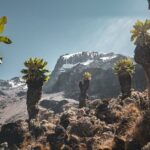
This is a day where you get big looks at Mawenzi and the summit of Kibo. If you are prone to rushing, try to resist. The climb is longer, and this is also where you might begin feeling altitude effects. The scenery includes giant lobelias and groundsels, which can look almost alien compared to what you see at home.
What you’ll likely notice on Day 2:
- Your breathing changes sooner than your legs do
- You may want to slow down more than you think you should
- Small discomforts start mattering because you’ll be sleeping high tonight
Positive angle: the open landscape makes it easier to pace yourself. You can see where the path goes and manage effort instead of guessing.
Day 3: Rest at Horombo Hut and the Mawenzi Optional Hike
Day 3 is a big deal because it’s a real rest day. You stay at Horombo Hut with breakfast, lunch, and dinner, plus the chance to do an optional hike toward Mawenzi Peak.
This is the kind of day that can decide whether the summit feels like a long grind or an achievable goal. A proper acclimatization day helps your body catch up with what you have already climbed.
Even if you choose to keep it easy, Horombo is a chance to reset:
- Hydrate using the boiled water provided
- Eat slowly, not like you are racing your stomach
- Check how you feel when you move around the camp area
One practical note: rest days can be surprisingly cold and can make you want to lie in your sleeping area. Pack for comfort so you are not shivering all day.
Day 4: Horombo Hut to Kibo Hut and the Moonscape Begins
Day 4 pushes you into higher, drier terrain. You ascend from about 3,700 m (12,200 ft) up to roughly 4,700 m (15,500 ft) over 9 km / 5.5 mi, typically 5–6 hours.
A key moment on this day is the last watering point before the landscape changes. After the saddle between Kibo and Mawenzi, vegetation starts to disappear, and you walk into something often described as a “moonscape.” You’ll feel how different the air is here—less lush, more exposed, and colder at night.
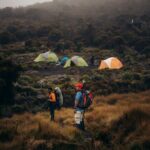
You arrive at Kibo Hut, and after dinner and rest you’re in prep mode for the summit climb. This is when good teams start tightening routines:
- Early night if you can
- Food that sits well in your stomach
- Keeping your layers organized so you’re not digging through your pack in the dark
Drawback to consider: once you’re at this altitude, you can feel it in your sleep. Even if you rest, your body may not feel fully recovered.
Day 5: Midnight Start to Gilman’s Point and Uhuru Peak
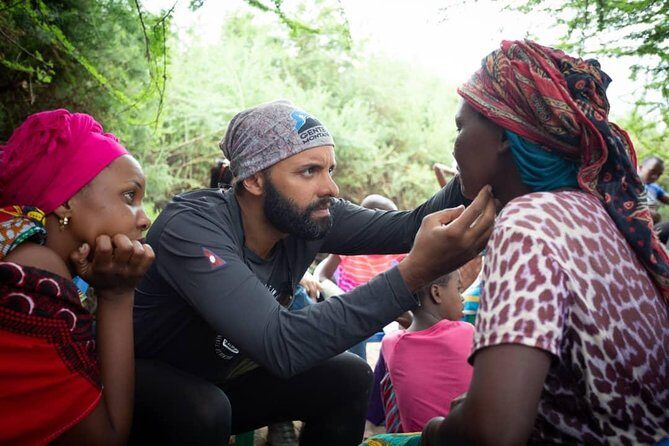
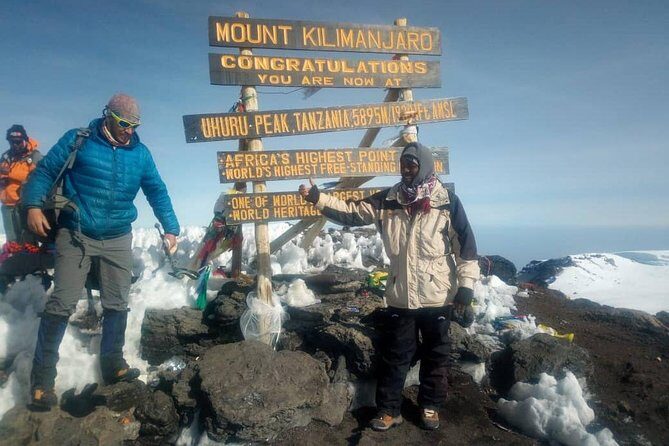
Day 5 is the one everyone remembers. You start very early—between midnight and 2 am—to climb steep, heavy scree or snow toward Gilman’s point on the crater rim. After that, you continue up to Uhuru Peak, the highest point in Africa.
This is where the climb becomes serious: you go from about 4,700 m to 5,895 m (15,500 ft to 19,340 ft), then descend back to around 3,700 m for the night.
The typical pacing is:
- 6 km up / 15 km down
- 6–8 hours up (for your summit push and crater section)
- 15 km / 9 mi down (with total day often landing around long, exhausting hours)
Expect unbelievable views at turns. Also expect the kind of cold that makes you grateful your hands are warm and your layers stay where they should.
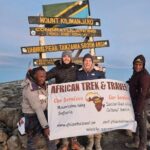
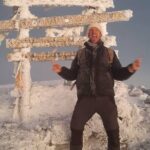
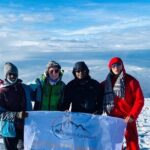
A smart planning tip: the photos at the summit matter to your family back home, but don’t let picture time steal your breathing. Take a moment, breathe, and keep moving once you get that iconic spot.
Another practical reality: you’ll come down past Kibo for lunch and rest before continuing on to Horombo. So even after reaching Uhuru Peak, the day is still work.
Day 6: Horombo Hut Down to Moshi, Mud and Momentum
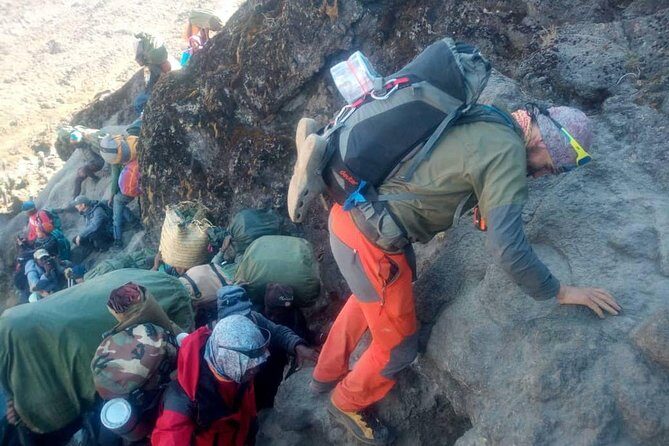
Day 6 is a steady descent through moorland back toward Mandara Hut, then further down through forest to the Marangu National Park gate. From there, a vehicle takes you back to Moshi—about an hour.
Elevation drop:
- 3,700 m to 1,700 m (12,200 ft to 5,500 ft)
Distance/time:
- 20 km / 12.5 mi
- 4–5 hours hiking
This is often where people overestimate themselves. Lower elevations can be wet and muddy, especially along the forest sections. The guide’s advice is very practical here: bring gaiters and trekking poles. You’ll also probably be fine in shorts and t-shirts, but keep rain gear and warmer clothing handy because weather can flip.
The best feeling on Day 6 is simple: you get your legs back, even if they’re tired. You’re done with the altitude grind and back into the rhythm of walking normally.
Guides, Porters, and the Small Safety Pieces That Add Up
On a climb like Kilimanjaro, the biggest value is often not the route—it’s the human support behind the route.
This tour includes:
- Qualified guides
- Porters and a mountain crew
- First aid kit and rescue fees
- Pulse oximeters
- A system for meals and boiled water
Those pulse oximeters and first aid kits are not just paperwork. They help you and your guide react when someone’s not feeling right. And if you’ve ever tried to explain symptoms while cold and exhausted, you’ll appreciate that the setup includes open communication and a dedicated team.
Guide quality matters, and it can vary. I’d take the time to ask a few direct questions before you pay in full, like who your guide is, how the crew manages pacing, and what happens if someone shows altitude trouble.
One thing I noticed from guide names that have come up in past Kilimanjaro Marangu trips: groups have been led by people like Edward “Teacher” Lazaro, Tuliza, and Temba, with support from guides such as Joseph and Goodluck. When leadership is strong, you get better pacing, clearer reassurance, and less chaos when weather or fatigue shows up.
What to Pack for Marangu (So You Don’t Trade Comfort for Pride)
Your tour includes meals, boiled water, and a place to sleep, but it does not include your climbing gear. So you’ll want to show up ready for cold nights and a summit start in the dark.
Use the trek’s reality as your packing checklist:
- Cold summit hours (night to early morning)
- Potential scree/snow on the way up
- Mud on the descent
- Rain in the lower forest sections
At minimum, plan for:
- Insulated layers for summit and windy ridgelines
- Rain gear you can actually put on quickly
- Trekking poles and gaiters for Day 6 mud
- A headlamp for early start work
- Sunglasses/eye protection for high sun and glare
Also: bring things that help you rest. A rest day and a long summit night can be ruined by discomfort, even when you have a hut or mattress.
Is This Trek Right for You?
This is best for you if:
- You want a supported climb with guides, porters, and mountain meals handled
- You like the idea of huts and mattresses instead of a tent-only strategy
- You want a reasonable acclimatization schedule, including a Horombo rest day
- You prefer a private setup where only your group participates
It might not be ideal if:
- You’re looking for a slow, luxurious trek. This is still a 6-day climb with a midnight summit push.
- You get discouraged easily when altitude makes everything feel harder than it should.
- You want a cheaper DIY approach. Gear, tips, and some personal items are on you.
Should You Book This 6-Day Kilimanjaro Climb Via Marangu?
If your goal is to reach the summit with the least friction in planning, this style of Marangu climb can be a smart choice. The included package covers the big budget line items most people forget: park fees, mountain meals, mountain staff, sleeping arrangements, and transport from Moshi. That’s real value when you want to focus on the mountain.
Before booking, do one last reality check:
- Confirm what you will sleep in at each stop (hut vs camping)
- Make sure you have the right cold-weather and rain-ready gear
- Budget for tips and keep emergency oxygen and visas as your responsibility (they’re not included)
- Ask how pacing decisions get made if altitude symptoms show up
If you want a route that balances comfort and classic Kilimanjaro scenery—and you can handle an early summit start—this could be exactly your kind of challenge.
FAQ
How long is the Kilimanjaro climb on the Marangu route?
The trek is about 6 days.
Where does the tour start and finish?
It starts in Moshi (at the Mount Kilimanjaro meeting point) and ends back at the meeting point.
Does the package include transportation from Moshi?
Yes. Return transportation from Moshi to/from the starting and finishing point is included.
Is the Marangu route used for the climb?
Yes. This climb goes up Kilimanjaro through the Marangu Route.
What is included for sleeping arrangements?
The tour includes tents and sleeping mattresses, and you may also stay in provided huts at different stops.
Are meals on the mountain included?
Yes. All meals on the mountain are included (breakfast, lunch, and dinner, depending on the day’s schedule).
Are national park fees included?
Yes. National park fees are included.
Are guides and porters included?
Yes. Qualified guides and porters (with a mountain crew) are included.
Are tips included?
No. Tips for guides, porters, cook, and waiters are not included.
When does the summit attempt start?
The summit climb starts very early, between midnight and 2 am.