REVIEW · MOSHI
7 Day Trek To The Roof Of Africa Kilimanjaro via Machame Route
Book on Viator →Operated by Soraka Tours · Bookable on Viator
Kilimanjaro isn’t a walk. It’s a climb with a clear plan, and the Machame Route gives you multiple scenery shifts while building your altitude rhythm day by day.
I like that this trip focuses on acclimatization time rather than rushing. I also like the safety structure, with medical-minded checks and serious crew support that keeps the experience organized from Moshi to the summit.
The main drawback is simple: you’re signing up for a high-altitude challenge. If you’re not ready for cold nights, steep days, and a big summit push, this is the kind of trip that can feel harder than you expect.
In This Review
- Key highlights worth caring about
- Why the Machame Route fits the Roof of Africa goal
- Day 1 and Day 2: landing in Moshi and hiking into the rainforest
- Day 3 and Day 4: Shira to Barranco, plus the Lava Tower acclimatization day
- Day 5: Barranco Wall time, where the route gets real
- Day 6: the high alpine desert to Barafu before summit night
- Day 7: Barafu to Uhuru Peak at sunrise, then down to Mweka Camp
- Day 8 and Day 9: Mweka Gate to Moshi, then transfers or safari time
- Safety and guide quality: certified first response and real medical checks
- Camp setup and food: tents, warm mats, and diet flexibility
- What you pay for: value breakdown for a $3,190 per person trek
- What to bring: personal gear you’ll be responsible for
- Who should book this Machame Route trek
- A quick reality check on the hardest moments
- Should you book Soraka Tours’ 7 Day Machame Route to Kilimanjaro’s Roof of Africa?
- FAQ
- How long is the trek, and how many days total?
- Where do you pick me up and drop me off?
- What’s included in the price?
- Do you accommodate dietary needs?
- What camping gear and comfort items are provided?
- Are the guides trained for emergencies?
- What personal items do I need to bring?
- Can I cancel and get a full refund?
Key highlights worth caring about
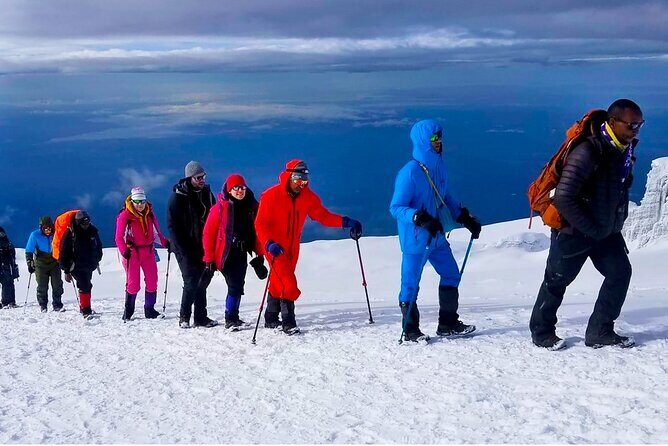
- Machame Route acclimatization style: rainforest start, then heather/moorland, then alpine conditions that prepare you for summit altitude.
- Health checks with an oximeter: two daily checks plus targeted questions to monitor how your body is handling altitude.
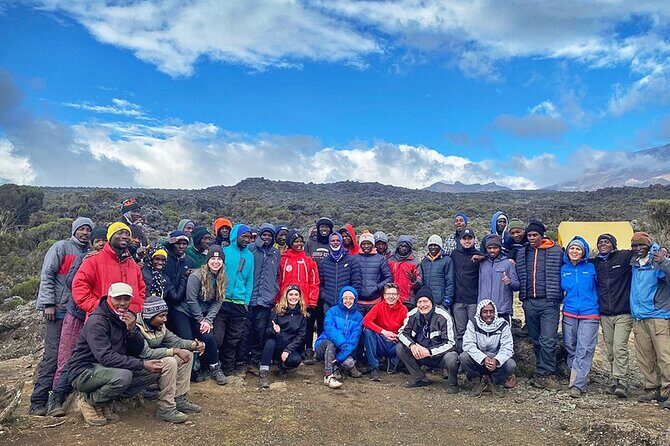
- First-responder trained guides: certified Wilderness First Responder guides with 10+ years of climbing experience each.
- Emergency oxygen and a medical kit: extra reassurance for the highest-risk day of the trek.
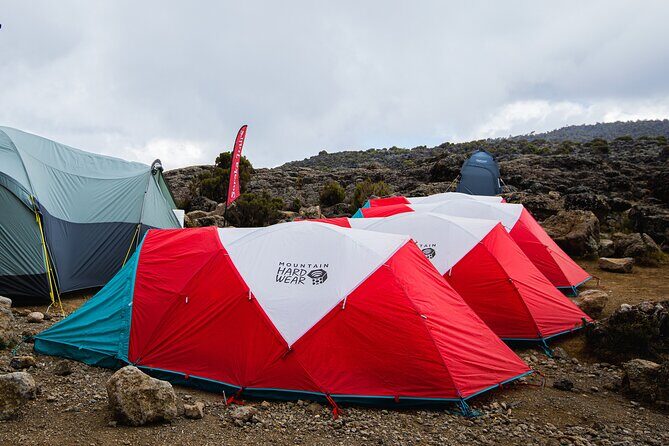
- Comfort basics at camp: four-season Mountain Hardware tents, warm sleeping mats, and real table-and-dining setups.
- Smaller group size: max 15 travelers, which usually means more personal attention on crowded mountain logistics.
Why the Machame Route fits the Roof of Africa goal
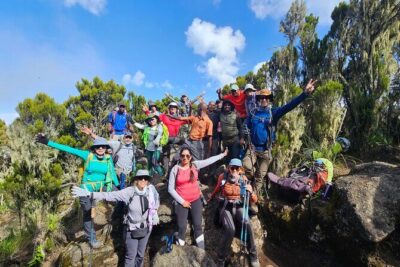
The Machame Route is popular for a reason: it mixes challenge with time to adjust. You’ll move from lush forest into heather and moorland, then toward harsher alpine terrain, so your body doesn’t just jump from “easy hiking” to summit altitude in one day.
What makes it feel smart is pacing. The plan builds rest and acclimatization into the middle days, then gives you a staging rhythm before the big summit push. That matters because Kilimanjaro rewards patience, not ego.
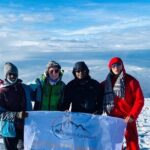
The top prize is obvious: reaching Uhuru Peak (19,341 ft). But the real win is how the route teaches you what it feels like to keep going at altitude, step by step, without losing your head.
You can also read our reviews of more hiking tours in Moshi
Day 1 and Day 2: landing in Moshi and hiking into the rainforest
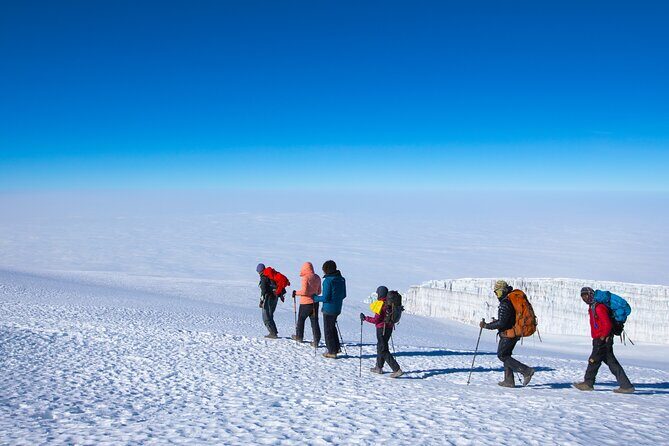
Day 1 is arrival and airport pickup at Kilimanjaro International Airport (JRO), with transfer time handled by the operator. You’ll also have two nights in Moshi at Kili Wonders Hotel (or similar) with breakfast included, which helps you start in a calmer way instead of sprinting straight from the plane onto a high-altitude hike.
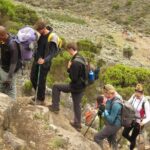
Day 2 takes you from Machame Gate (5,905 ft) to Machame Camp (9,875 ft). This is where the Machame Route’s personality shows up: a gradual climb through the rainforest. You’ll feel the effort build without immediately living in cold, thin-air conditions.
Practical tip: on this kind of start, you want to keep your pace steady and your breathing controlled. The rainforest can make you sweat, but that doesn’t mean altitude stress isn’t coming later.
Day 3 and Day 4: Shira to Barranco, plus the Lava Tower acclimatization day
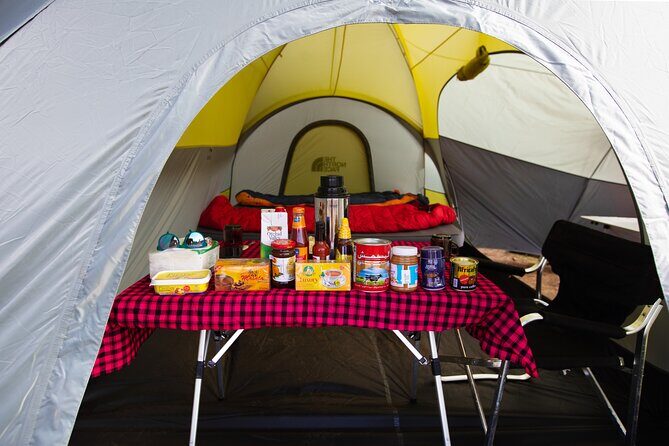
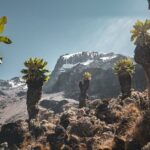
Day 3 climbs from Machame Camp (9,875 ft) to Shira Camp (12,600 ft). You shift out of the forest world and into heather and moorland zones, with views widening as the air gets thinner.
Then comes Day 4, from Shira Camp (12,600 ft) to Barranco Camp (12,960 ft), plus an acclimatization hike up to Lava Tower (15,190 ft). This is one of the route’s smartest teaching moments. You’ll climb higher than your camp elevation, then go back down—exactly the kind of routine that helps your body learn how to handle altitude.
You’ll also get dramatic payoff for the effort: views of the Western Breach and the Southern Glacier area. Even if you never call yourself a “scenery person,” this is the point where the mountain starts looking bigger than your doubts.
Day 5: Barranco Wall time, where the route gets real
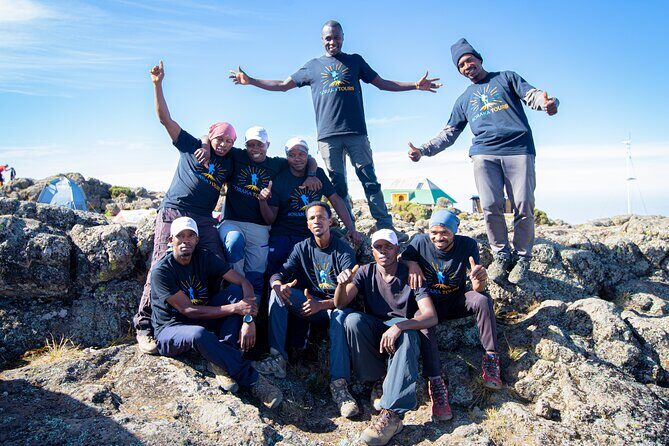
Day 5 moves from Barranco Camp (12,960 ft) to Karanga Camp (13,270 ft). The highlight here is the Barranco Wall. It’s a famous section of Kilimanjaro terrain, and it tends to feel both challenging and oddly satisfying because you can see the line you’re working on.
What I like about this day is that it breaks the trek into clear emotional stages. You go from high-up walking to a recognizable “workout wall,” then end at a camp that sets you up for the next phase.
If you get anxious at the idea of steep sections, keep it simple: focus on foot placement and steady movement. You don’t need to be fast; you need to be consistent.
Day 6: the high alpine desert to Barafu before summit night
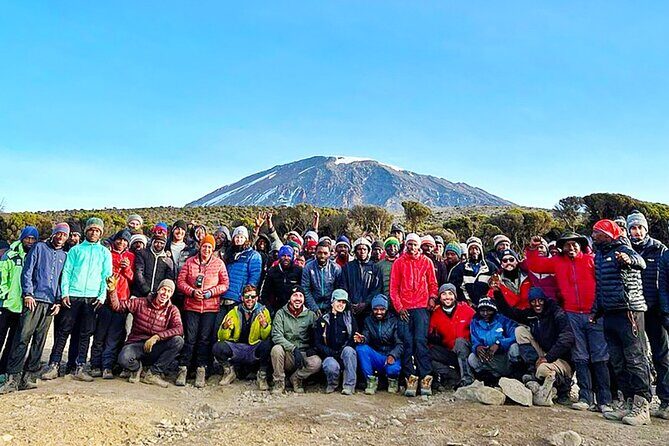
Day 6 is from Karanga Camp (13,270 ft) to Barafu Camp (15,190 ft). The terrain shifts into a high alpine desert feel. This is usually when the air feels thin enough that you notice every pause.
Barafu is your staging point. It’s where you transition from hiking mode into summit-prep mode, even if you don’t feel like you’re “training” for it. Your body starts understanding that tonight is different.
Practical reality: the air may feel harsher, and the cold can creep in faster than expected once the sun drops. This is also where choosing the right clothing layers matters more than trying to look cool.
A few more Moshi tours and experiences worth a look
Day 7: Barafu to Uhuru Peak at sunrise, then down to Mweka Camp
Day 7 is the summit day, starting at Barafu Camp (15,190 ft) and aiming for Uhuru Peak (19,341 ft), then descending all the way to Mweka Camp (10,170 ft).
The key moment here is timing. You’ll head out in the dark so you can reach the summit area around sunrise, when the glaciers and surrounding areas start lighting up. Then you descend. A lot.
That descent is not just “recovery.” It’s also where knees and lungs get tested again in a new way. You’ll want to move carefully, keep your steps controlled, and treat it like part of the summit effort, not an afterthought.
Day 8 and Day 9: Mweka Gate to Moshi, then transfers or safari time
Day 8 drops from Mweka Camp (10,170 ft) to Mweka Gate (5,380 ft). This is often a relief day, but it still isn’t “flat.” You’re still dealing with altitude, fatigue, and the mountain’s terrain underfoot.
Day 9 includes transfer. Your plan is either airport transfer or the start of safari adventures. That’s one of Kilimanjaro’s underrated perks: you can go from a once-in-a-lifetime climb to wildlife country without much extra travel planning.
Safety and guide quality: certified first response and real medical checks
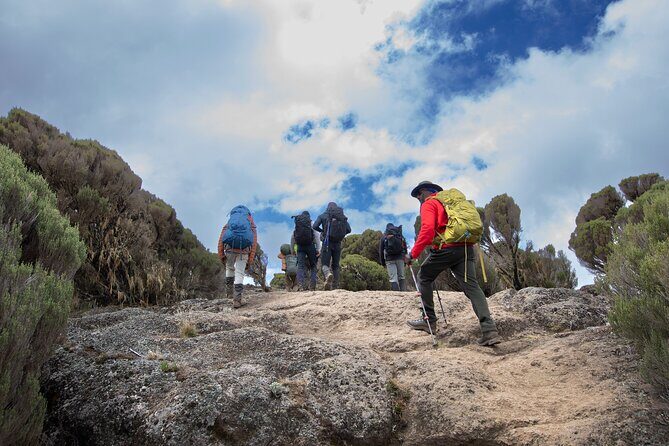
This is a trek where safety systems matter, and this operator builds them in. You’ll hike with certified Wilderness First Responder Guides (10+ years of climbing experience each). You also get an emergency oxygen canister and a medical kit.
Two times a day, there are health checks using an oximeter and specific questions tied to your health. That means the team isn’t guessing. They’re tracking how your body is responding and asking the right questions before the situation gets dangerous.
In practice, this style of supervision helps keep group dynamics calm. When everyone can see there’s a method, people make better decisions about pace, rest, and summit readiness.
Camp setup and food: tents, warm mats, and diet flexibility
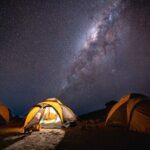
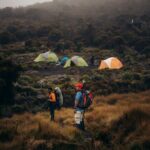
Camping on Kilimanjaro can range from “comfortable enough” to “survive mode.” Here, the camp baseline sounds solid: four-season Mountain Hardware tents with 2 people per tent, plus warm sleeping mats. There are also dining tents with tables, chairs, and cutlery, so meals aren’t just a quick bite on the ground.
Meals are also included in a meaningful way: 3 freshly prepared daily meals while on the mountain. If you need dietary support, you can request vegetarian, gluten-free, halal, or kosher meal plans. That’s not just convenience; it helps you eat consistently when your appetite may swing with altitude.
One more detail I like: mountain crew are paid fair wages as set by Kilimanjaro National Park authority standards. It’s a small line in the fine print, but it tells you the operation is trying to do the work ethically, not just efficiently.
What you pay for: value breakdown for a $3,190 per person trek
At $3,190 per person, the price can look steep until you unpack what’s included.
You’re covered for:
- Park fees, plus rescue and camping fees
- Guides, crew, and all ground transportation
- JRO airport pickup and drop-off
- Tented accommodation, meals, and camp gear basics (like sleeping mats and dining setup)
- Medical-minded support (oximeter checks, emergency oxygen, medical kit)
- Two nights in Moshi at Kili Wonders Hotel (or similar) with breakfast
The big value lever is that this price includes the “stuff that usually hides in the final bill” on Kilimanjaro: fees, logistics, and the cost of a staffed, well-run camp system.
What’s not included also matters:
- Visa fee
- Airfare
- Travel insurance
- Tips for mountain staff
- Alcoholic beverages
- Lunch and dinner at the hotel
- Personal climbing equipment like hiking boots and sleeping bag
My advice: budget for what you need to bring, then treat the included costs as the foundation of a safer, smoother trek.
What to bring: personal gear you’ll be responsible for
You’ll need to bring your own personal climbing equipment, including items like sleeping bags and hiking boots. The good news is you don’t have to source everything last-minute through the operator.
Since the mountain can be cold at night and early morning, pack with altitude realities in mind: layers, warm socks, and gear that handles wind and cold mornings. If you’re unsure, the safest move is to choose kit that you trust on cold, uneven terrain.
If you’re sensitive to altitude, also plan your medical supplies and discuss needs early with your doctor before travel. This is one trip where your body’s baseline matters.
Who should book this Machame Route trek
This trek fits people with moderate physical fitness who are ready for a serious high-altitude experience. The route is also a good match if you want a structured acclimatization plan instead of “tough it out and hope.”
You’ll likely enjoy the group size too: a maximum of 15 travelers. Smaller groups can mean less chaos when starting early, using shared logistics, and getting individual support when you’re tired.
One more note: single accommodation is available for an extra charge, which matters if you don’t want to share a tent. Otherwise, the standard setup is two people per tent.
A quick reality check on the hardest moments
Even with great guides and a smart acclimatization plan, the toughest parts are usually the same:
- cold mornings during summit push,
- breathing changes as altitude rises,
- and the fatigue that shows up after the adrenaline fades.
If you handle stress well and follow instructions, you’re in a good position. If you get impatient with slow progress, Kilimanjaro can humble you fast. It doesn’t punish; it just tests.
Should you book Soraka Tours’ 7 Day Machame Route to Kilimanjaro’s Roof of Africa?
I’d book this if you want a well-managed Machame Route with trained, safety-focused leadership, real camp infrastructure, and a plan that supports acclimatization. The included oxygen, oximeter checks, and qualified first-responder guides are the kind of things you only appreciate once you’re on the mountain and you’re tired enough to know you need trust.
I’d think twice if you’re looking for an easy vacation hike, or if you don’t want to handle cold, steep days, and personal gear prep. The Machame Route is a serious climb, and this trip is built for people who respect that.
FAQ
How long is the trek, and how many days total?
The trek is described as a 7-day climb, with the overall experience lasting about 9 days including arrival, transfers, and your time in Moshi.
Where do you pick me up and drop me off?
You’re offered pickup and drop-off at Kilimanjaro International Airport (JRO), with the experience also including transfers for your end-of-trek day.
What’s included in the price?
The price includes park fees (including rescue and camping fees), 3 freshly prepared meals each mountain day, mountain accommodation in tents, emergency oxygen and a medical kit, ground transportation, and hotel stay in Moshi (2 nights) with breakfast.
Do you accommodate dietary needs?
Yes. The trip can accommodate vegetarian, gluten-free, halal, and kosher meal plans.
What camping gear and comfort items are provided?
You’ll have four-season Mountain Hardware tents (2 people per tent), warm sleeping mats, and dining tents with table, chairs, and cutlery.
Are the guides trained for emergencies?
Guides are described as certified Wilderness First Responder Guides with over 10 years of climbing experience each, and the trek includes emergency oxygen and a medical kit.
What personal items do I need to bring?
You’re responsible for personal climbing equipment such as hiking boots and a sleeping bag.
Can I cancel and get a full refund?
Yes. You can cancel up to 24 hours in advance for a full refund; canceling less than 24 hours before the start time is not refundable.