REVIEW · ARUSHA
4 Days Tanzania Safari
Book on Viator →Operated by Nafika tours · Bookable on Viator
A four-day safari can feel like sprinting through wild Africa. This one works because you stack Tarangire, Serengeti, and Ngorongoro Crater into a tight route where big-animal chances stay high. You get a private open-roof jeep with handy extras for photography and comfort, so the days feel efficient instead of chaotic. The only real catch is that wildlife is never guaranteed, so plan your hopes around seeing lots of animals, not a fixed checklist.
What I like most is how the trip is built for real sightings, not just scenic drives. A second big plus is the small comforts that make long game-viewing hours easier, like charging access in the jeep and chilled drinks on the road. One drawback to consider: two of the biggest days run long, and Ngorongoro can be chilly and windy in the highlands, so you’ll want layers and patience.
In This Review
- Key highlights in this 4 days in Tanzania
- Why Tarangire–Serengeti–Ngorongoro makes sense in only 4 days
- The private jeep details that actually improve your safari day
- Day 1: Tarangire National Park for elephants, baobabs, and a monkey-proof lunch
- Day 2: Serengeti’s Seronera area and the power of water
- Day 3: North Serengeti for cats, then Ngorongoro Conservation Area at night
- Day 4: Ngorongoro Crater early start and a full day of wildlife in the caldera
- Meals and comfort: what “all camping equipment and accommodations” means for you
- Guides make or break your sightings: Ronald, Octavian, Elias, Edwin
- Price and value: is $1,300 per person fair for this route?
- Who this 4-day safari is best for (and who should think twice)
- A practical packing mindset for Tarangire and Ngorongoro
- Should you book this 4 days Tanzania safari?
- FAQ
- Which parks are included in this 4-day Tanzania safari?
- Is pickup included, and where does it start?
- What vehicle setup do you use for game drives?
- Are meals included during the safari?
- Are park admission tickets included?
- Is free cancellation available?
Key highlights in this 4 days in Tanzania
- Private open-roof jeep for close-up viewing and easier spotting
- Charging in the vehicle with electricity cables for camera and phone battery life
- Binoculars and chilled drinks available during drives
- Tarangire elephants and baobabs plus a good mix of other mammals
- Serengeti game drives in the Seronera area where water brings animals
- Ngorongoro Crater early start to maximize your time down in the caldera
Why Tarangire–Serengeti–Ngorongoro makes sense in only 4 days
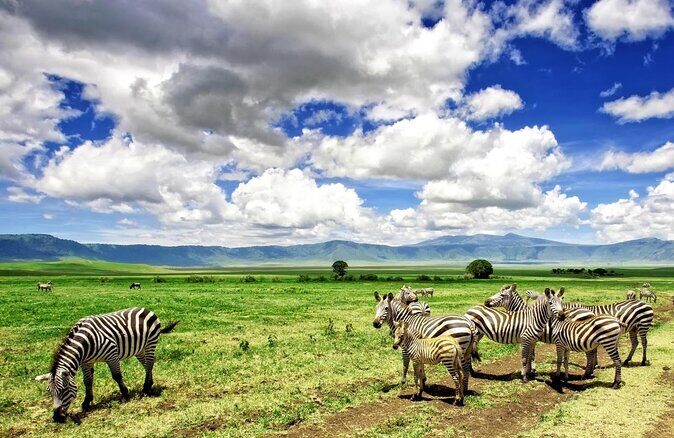
If you only have a few days, you need parks that each do something different. This route does that well. Tarangire is known for elephants and scattered baobab trees, so you get that classic Tanzania look on Day 1. Then you shift to Serengeti, where the plains stretch out and predators and grazers mix in big open spaces. Finally, Ngorongoro Crater gives you a dramatic bowl-shaped setting where wildlife density can feel intense.
You’re also not stuck doing one park over and over. The itinerary moves you through three major ecosystems, which is exactly what boosts your odds of seeing the variety people dream about. It even gives you a high chance to experience the Big Five animals, though you should still treat that as a strong possibility, not a promise.
The pacing is also built around wildlife time. You spend multiple hours inside each area rather than rushing through with quick stops. That matters because the best sightings usually show up when you’re in the right place long enough to watch animal patterns, not just when you drive past once.
A few more Arusha tours and experiences worth a look
The private jeep details that actually improve your safari day
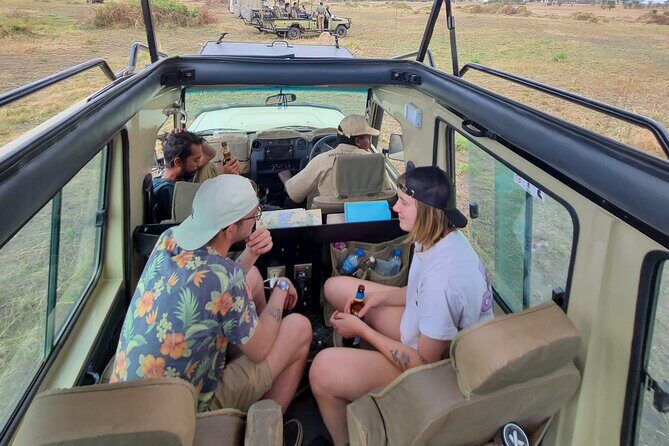
A lot of safaris sell the idea of privacy. This one adds practical pieces that make the time in the vehicle easier.
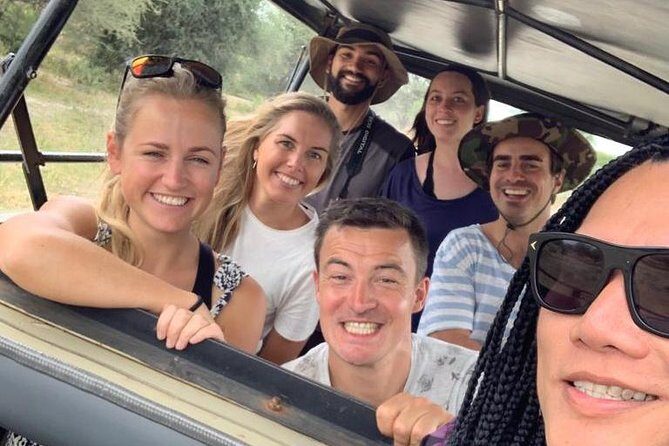
You’ll ride in a private jeep with an open roof, which is great for scanning and photography. Standing or leaning to see over the hood feels natural with an open design, and it also cuts down on those annoying blocked lines of sight that happen in enclosed vehicles.
Then there are the small gear comforts: there are electricity cables in the car so you can charge your camera or phone. There are also binoculars available, plus a freezer-style setup for drinks, so you’re not stuck with warm water after a long drive.
Comfort is covered too, with comfortable seats and first aid included. I like that this is not just comfort for comfort’s sake. When you’re spending hours scanning for movement, feeling relaxed makes you sharper.
Last practical note: the tour offers pickup and runs with a mobile ticket, which helps if you’re juggling flights and tight schedules. It’s one less thing to chase down on the ground.
Day 1: Tarangire National Park for elephants, baobabs, and a monkey-proof lunch
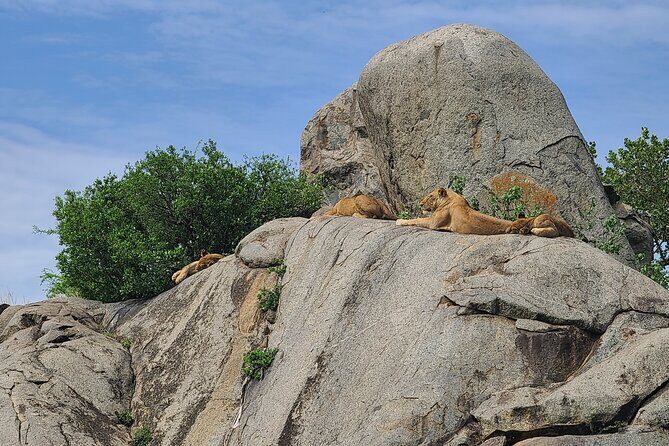
Your day starts with a drive from Moshi or Arusha, about 4–5 hours to reach Tarangire. That’s enough time to settle in, and it also helps you get your bearings with your guide. You’ll spend 3–4 hours driving within Tarangire, a schedule that gives you real scanning time instead of a quick taste.
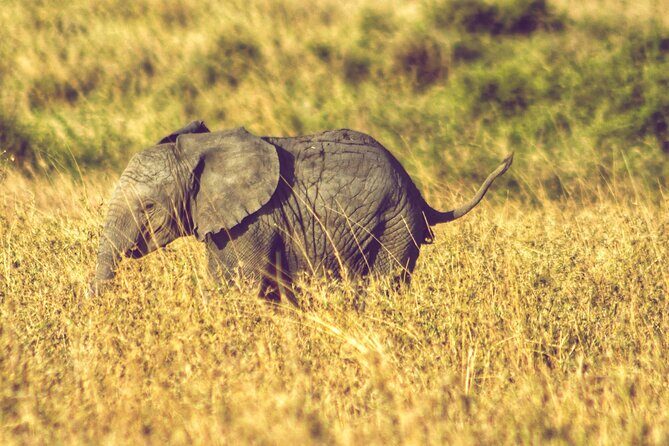
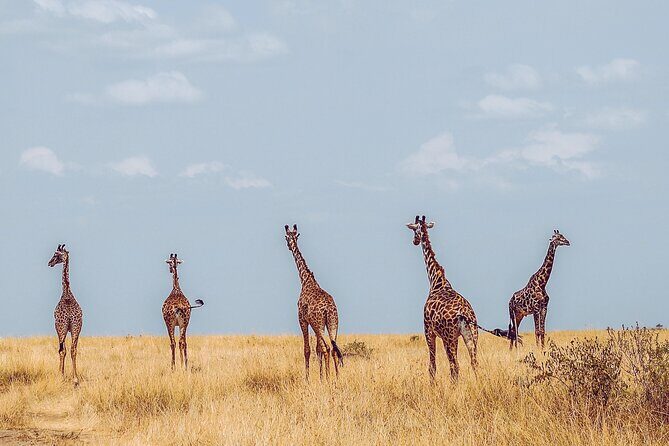
Tarangire’s “signature look” is elephants plus scattered baobab trees. Even when you’re not focused on one animal, that baobab landscape is what makes photos look like they belong in a Tanzania brochure without feeling staged. Along the way, you might spot other mammals like giraffes, antelopes, lions, and cheetahs. But the honest truth is that those cats are never guaranteed, so I’d treat Tarangire as your elephant-and-landscape day with bonus predator chances.
Lunch is provided during the park time. One tip I’d take seriously here: vervet monkeys can be sneaky. They might look harmless, but they’re bold about food. Keep your snacks secure and don’t leave anything unattended on the seat or in an open bag.
Around 4:00 pm, you leave the park and drive to Haven Nature Safari Camp for dinner and your first night. This is a smart end-point for Day 1. You’re not trying to cram one more drive after sunset; you get a chance to reset so Day 2 hits hard.
Day 2: Serengeti’s Seronera area and the power of water
After breakfast, you head toward Serengeti National Park through the Karatu farmland area and the Ngorongoro Conservation Area. This is a long transfer day in terms of distance, about 5 hours total on the park side, but it’s not wasted time. You’re crossing changing scenery, and that helps you appreciate how the land shapes animal movement.
Once you reach Serengeti, you focus on the central Seronera area, which is known for being one of the richer wildlife habitats. The key detail is the Seronera River. In Serengeti, water pulls wildlife together, and that’s why you’re more likely to see a mix of species in the same general zone.
This is also the day where the “endless plains” feeling starts to hit. I like Serengeti because it’s not just about a single dramatic moment. It’s about the slow rhythm of scanning across open ground, watching animals react to each other, and trying to learn the patterns your guide points out.
Expect a lot of time out in the vehicle. This tour keeps the emphasis on game viewing, not on rushed sightseeing stops.
Day 3: North Serengeti for cats, then Ngorongoro Conservation Area at night
Day 3 begins after breakfast with another Serengeti game viewing block. Serengeti is huge, about 1,400 km² in size (roughly the size of Northern Ireland, so yes, it’s big). The important practical thing: you won’t see all of Serengeti in a short trip. You’ll see a slice, and that slice is chosen for wildlife value.
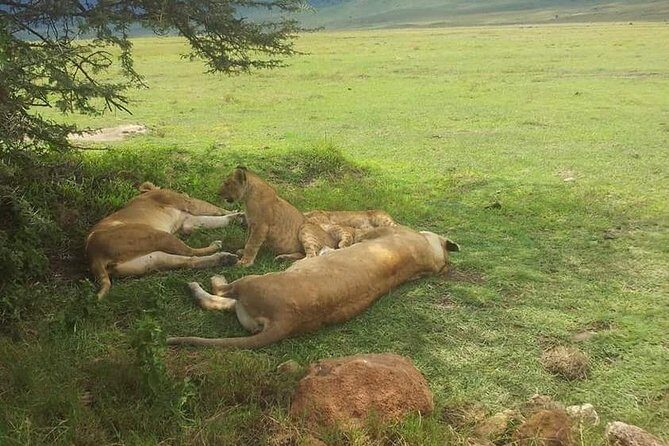
This tour focuses on the North Serengeti, described as the heart of the park and especially noted for a huge diversity, including the “cats” (lions, leopards, and cheetahs). I like how this day is built around predator odds. Predator sightings often come down to timing and patience, and using a full morning game drive gives you more opportunity for those moments than a quick afternoon loop would.
After the game drive, you move into the Ngorongoro Conservation Area for dinner and overnight. This is also the day where you should plan for weather. The highlands can be chilly and windy, and the tour specifically suggests bringing warm clothes and light gloves. I’d listen to that advice closely. When you’re sitting and scanning for hours, cold air is more than uncomfortable; it can slow your energy down.
The payoff of staying in the Ngorongoro region is that it sets you up for an early start next day. That matters for Ngorongoro, where timing can be everything.
A few more Arusha tours and experiences worth a look
Day 4: Ngorongoro Crater early start and a full day of wildlife in the caldera
Your last day is all about Ngorongoro Crater. You’ll have an early breakfast, then you’re picked up from your hotel/campsite and start very early to maximize time inside the crater. The plan is to spend around 7 hours in the park before transferring back toward Airport, Moshi, or Arusha.
Ngorongoro is one of those places that feels like you’re watching wildlife in a natural amphitheater. The scenery and wildlife combine, and there’s also a cultural and historical element tied to the area, which is part of why people treat it as a highlight even when they’ve seen other African parks.
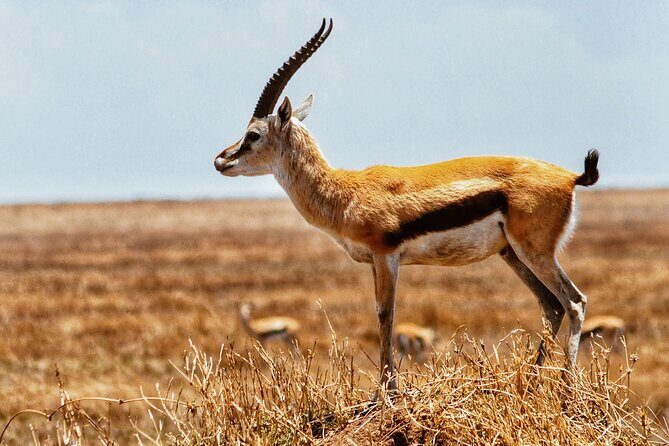
In terms of wildlife, you should expect strong chances for animals like rhino, elephants, lions, giraffes, pink flamingos, and hyenas. That list is exactly why the early start matters: if you’re down in the crater early enough, you’re more likely to experience animals moving through the area during peak activity.
You’ll be on the road for about 6–8 hours of game drive time and then you move toward the airport route. It’s a full final day, so I’d mentally prepare for a long sit in the vehicle, plus some walking around when you’re stopped at view points.
Meals and comfort: what “all camping equipment and accommodations” means for you
This tour includes meals that actually matter on safari: 4 breakfasts, 4 lunches, and 4 dinners. That removes a major hassle from your trip planning. It also helps you stay on schedule, which is key when you’re balancing park drive times and wildlife patterns.
Bottled water and some drinks are included in the safari vehicle. That small detail matters because you’ll spend long hours out in the heat (or the windier highlands) and you don’t want to constantly ration water from a personal stash.
On top of food, the tour includes all camping equipment and accommodations. In practice, that means you’re not trying to figure out what gear you need at night or how camp stays are set up. You start with Haven Nature Safari Camp on Day 1, and then you continue with accommodation included as part of the overall package.
I also like that there’s 24 hours support, which is reassuring when you’re dealing with multi-day logistics and park schedules.
Guides make or break your sightings: Ronald, Octavian, Elias, Edwin
With a private safari, your guide isn’t just driving. You’re relying on them to spot movement, interpret animal behavior, and help you understand what you’re seeing so it feels more than random luck.
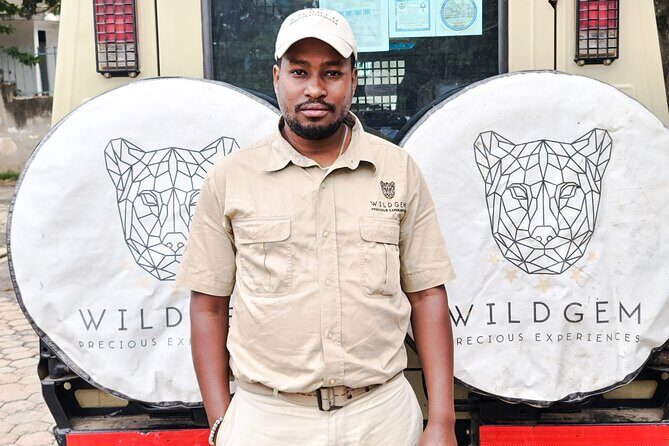
In the feedback around this safari, guides like Ronald are praised for being attentive and patient, and for explaining animals and the local environment in a way that makes sightings click. Octavian is highlighted for being insightful and for making planning and the trip process smooth and helpful. Elias shows up in multiple stories as someone who builds itineraries that fit your schedule, responds quickly, and can handle changes when flights get delayed. Edwin is noted for bringing people face to face with wildlife, including Big Five moments, and for making the journey feel like a once-in-a-lifetime experience.
Even if your guide isn’t the exact same person, this matters because it hints at the program style: guides who pay attention, talk through what’s happening, and adjust for your needs. One strong example from the feedback: a trip being adjusted to match the group’s needs instead of forcing a rigid plan.
If you care about photography, you’ll also appreciate the pairing of a photo-friendly vehicle setup (open roof and charging) with a guide who helps you read animal behavior fast. That turns shots from luck into strategy.
Price and value: is $1,300 per person fair for this route?
At $1,300 per person for about 4 days, you’re paying for several things at once: private transport, a professional guide/driver, park entry coverage as listed, meals, and overnight accommodation with camping gear.
Here’s where the value shows up:
- You get private transportation rather than shared group hassles.
- Park access is shown as Admission Ticket Free on the days you enter major sites.
- You get a full meal package: breakfast, lunch, dinner each day.
- You get practical vehicle perks: charging cables, binoculars, and chilled drinks.
- You also get camping equipment and accommodations included, plus landing and facility fees.
What’s not included is also clear: flights and insurance. That means you’ll still need to budget for getting to Tanzania and your own travel coverage.
If you’re the kind of traveler who wants maximum wildlife time with minimal extra coordination, this price starts to feel reasonable. The trip removes the big headaches (park logistics, food planning, and where you sleep) and replaces them with guided game viewing across three major areas.
Who this 4-day safari is best for (and who should think twice)
This route is a strong fit if you:
- Want a first Tanzania safari and need a high-impact overview in a short time.
- Like the idea of a private open-roof jeep with charging and binocular help for photos.
- Care about wildlife viewing hours more than spending time on long detours.
- Are comfortable with long drives and early mornings in exchange for more animal time.
It might be less ideal if you:
- Expect a guarantee of specific animals. Even with strong Big Five odds, wildlife timing is unpredictable.
- Hate cold weather. Ngorongoro’s highlands can be windy and chilly, and the tour specifically signals that you should dress for it.
- Prefer short days. Day 4 is an early start and long crater time, and Day 3 is also a long viewing day.
A practical packing mindset for Tarangire and Ngorongoro
The most specific packing advice here is about temperature. Bring warm clothes and light gloves for the highlands stretch near Ngorongoro, especially when the wind picks up.
Also pack smart around food security. If you’re eating outdoors or carrying snacks, remember that vervet monkeys can be mischievous and food-motivated.
Finally, think about charging. Since the jeep includes electricity cables for your camera/phone, plan to use that time. It helps you avoid battery panic when your best shot happens right after you would normally be running low.
Should you book this 4 days Tanzania safari?
I’d book this safari if you want a high-odds route that hits Tarangire, Serengeti, and Ngorongoro Crater without stretching your time in Tanzania. The private jeep setup is more than a luxury detail. The open roof, binoculars, drinks, and charging all support what you came for: more comfortable viewing hours and better photo chances.
I’d also feel good booking with a company that has guided trips by people like Ronald, Octavian, Elias, and Edwin, because the feedback points to guides who explain what you’re seeing and adapt when plans shift.
Just go in with the right mindset: wildlife is never a checklist, and long days come with early starts and cold wind in the highlands. If you can handle that, you’ll likely walk away with a full set of animal memories from three of Tanzania’s biggest wildlife zones.
FAQ
Which parks are included in this 4-day Tanzania safari?
You’ll visit Tarangire National Park, Serengeti National Park, and Ngorongoro Crater. You also pass through Ngorongoro Conservation Area during the route and spend an overnight there after Serengeti.
Is pickup included, and where does it start?
Pickup is included from your hotel or campsite in the Moshi/Arusha area. On the last day, you’re picked up after breakfast and later transferred back toward Airport/Moshi/Arusha.
What vehicle setup do you use for game drives?
You’ll have a private jeep with an open roof. The vehicle includes electricity cables for charging your camera or phone, binoculars, a freezer setup for drinks, and first aid.
Are meals included during the safari?
Yes. The tour includes 4 breakfasts, 4 lunches, and 4 dinners, plus bottled water and some drinks during safari drives.
Are park admission tickets included?
The safari schedule lists Admission Ticket Free for the park days, indicating park admissions are covered as part of the experience.
Is free cancellation available?
Yes. You can cancel for a full refund up to 24 hours in advance of the experience start time. If you cancel less than 24 hours before, the amount paid is not refunded.