REVIEW · NGORONGORO CRATER
Arusha: 2 Day Tarangire & Ngorongoro Crater Big Five Safari
Book on GetYourGuide →Operated by Season Master Adventures · Bookable on GetYourGuide
Two days, and the wild shows up fast. This Arusha safari pairs Tarangire’s elephants and ancient baobabs with the wildlife-dense wonder of Ngorongoro Crater, all backed by guided game drives in a 4×4 Land Cruiser. I love the way this itinerary gives you high Big Five chances without demanding a week of vacation time, and I like how the parks feel like two different worlds in one trip. One thing to keep in mind: the days start early and you’ll spend real time on the road.
The payoff, though, is that short-safari intensity. I like that you get both parks with guided drives in the same style: sunrise/sunset viewing times, a pop-up roof vehicle for better sightlines, and bottled drinking water during the day. The main drawback for some people is the early mornings, especially on Day 2 when you head to the crater around 06:00.
In This Review
- Key things to know before you go
- Tarangire and Ngorongoro in 2 days: why this combo works
- Hotel pickup and the 08:00 start in Arusha
- Tarangire National Park: elephants, baobabs, and serious wildlife density
- Lunch, off-road driving, and your first night near Mto wa mbuu or Karatu
- Ngorongoro Crater morning: where wildlife gets concentrated
- Hippo Pool picnic lunch and the return via curio shops
- Jeep setup and guide style: the pop-up roof matters
- Lodging and meals: camping vs mid-range lodges in practice
- Packing for a 2-day safari: 10kg limit and what to wear
- Price and value: is $530 per person fair for this plan?
- Rules, safety, and who this safari suits best
- Should you book this 2-day Arusha Big Five safari?
- FAQ
- Where does pickup happen and what time does the safari start?
- How long is the safari?
- Which parks are included?
- What vehicle do we ride in for the game drives?
- What time do we leave for Ngorongoro Crater on Day 2?
- What meals are included?
- What lodging options are available?
- Is there a luggage limit?
- Are there any rules about animals or drones?
- Is free cancellation available?
Key things to know before you go

- High Big Five odds in a short window: You’re doing crater wildlife plus Tarangire’s mammal action in just 2 days.
- Pop-up roof 4×4 Toyota Land Cruiser: Better viewing from your seat, especially when animals are just out of reach.
- Tarangire’s elephant focus and baobabs: You’re not just driving through; you’re in a park known for iconic wildlife and trees.
- Ngorongoro’s single-day crater plan: The crater floor is treated as the main event, with a morning drive and packed lunch.
- Camping or mid-range lodge options: Choose the vibe that fits your budget and comfort level.
- Simple rules for better wildlife time: No drones, and no feeding or touching animals.
Tarangire and Ngorongoro in 2 days: why this combo works

If you only have a couple of days in Northern Tanzania, this is the kind of route that actually makes sense. You’re not spreading your time thin over lots of distant stops. Instead, you concentrate on two of the most famous wildlife settings near Arusha: Tarangire National Park and Ngorongoro Crater.
Tarangire brings the classic elephant sightings and the park’s signature baobab trees. It also has a strong bird presence, so even when large animals aren’t close, you still get action. Then you switch to Ngorongoro, where you’re aiming for the crater-floor concentrations that make people plan whole trips around this one place.
The value in a 2-day plan is time efficiency. You get guided game drives with a vehicle that’s built for spotting animals, plus meals and park-related fees handled. You’re spending money on the experience, not on extra logistics.
A few more Ngorongoro Crater tours and experiences worth a look

Hotel pickup and the 08:00 start in Arusha

The tour starts with pickup from your hotel in Arusha at 08:00. If you’ve traveled a lot already, this is not a day for late breakfasts. Still, an 8 a.m. departure is a practical compromise between getting enough daylight and avoiding a too-early wake-up for everyone.
From Arusha, you’re transferred to Tarangire National Park. The schedule includes about 2 hours of driving for these park-to-park legs. That means you should plan to be comfortable sitting for stretches, and expect to hear lots of wildlife talk from your driver-guide as you go.
This format also helps with wildlife timing. You’re not arriving at the park as the day is cooling off. You’re there early enough to catch the best movement windows for many animals.
Tarangire National Park: elephants, baobabs, and serious wildlife density

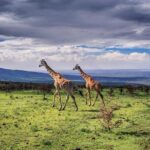
Tarangire is the first big hit of the trip, and for good reason. It’s famous for large elephant herds, lots of baobab trees, and a broad spread of wildlife and bird species. In plain terms: this is a park where you often feel like you’re in a wildlife “hot zone,” not just passing scenery.
During Day 1, you’ll do guided game viewing with a mix of sunset viewing and off-road adventure. The itinerary also mentions scenic views on the way. That matters because Tarangire isn’t only about animal sightings. The baobabs are part of the visual identity of the park, and they create those wide, memorable landscapes that make photographs work.
What you can realistically expect: you’ll have chances at large mammals and more than one type of wildlife encounter. What you should not expect: a guarantee of specific sightings. But Tarangire’s reputation for elephants gives you a strong foundation.
A small practical note: your guide will likely help position the jeep for better viewing when animals are at varying distances. Even if you’re not seeing everything instantly, you’re in the kind of park where patience tends to pay off.
Lunch, off-road driving, and your first night near Mto wa mbuu or Karatu

After your Tarangire game drive, you transfer to the campsite or lodge area for the overnight. The tour places you around Mto wa mbuu / Karatu, depending on which option you pick.
You have two broad overnight styles:
- Camping options: Jua Manyara Campsite or Kizumba Campsite
- Mid-range lodges: Motto Cottages Safari Lodge, Marera Valley Lodge, or Bougainvilea Safari Lodge
Meals on Day 1 are included: lunch and dinner, with bottled drinking water. For camping, sleeping mattresses are included, and you also get camping equipment such as tables, chairs, and cooking gear. A professional safari chef is part of the camping option as well.
The trade-off here is comfort vs. experience vibe. Camping can feel more “in the bush,” while lodges are easier on showers and general downtime. Either way, you’re likely to feel tired from the driving day, so choose the option that lets you actually recover.
Ngorongoro Crater morning: where wildlife gets concentrated

Day 2 is the big one: you depart for the crater at around 06:00. Early timing is part of why Ngorongoro works. The crater floor can give you some of the best odds in a single day, and you’re aiming to see animals while conditions are favorable.
Ngorongoro is a UNESCO World Heritage Site and is described here as the largest unbroken caldera in the world. It’s also listed as one of the new 7 natural wonders of Africa, which gives you a sense of why it’s treated like a headline stop on Tanzania itineraries.
Your game drive in the crater is scheduled for the morning, then you shift to a picnic lunch at the Hippo Pool Picnic site. That structure is useful. You focus your energy on the most active wildlife hours first, then you reset for the afternoon transfer back toward Arusha.
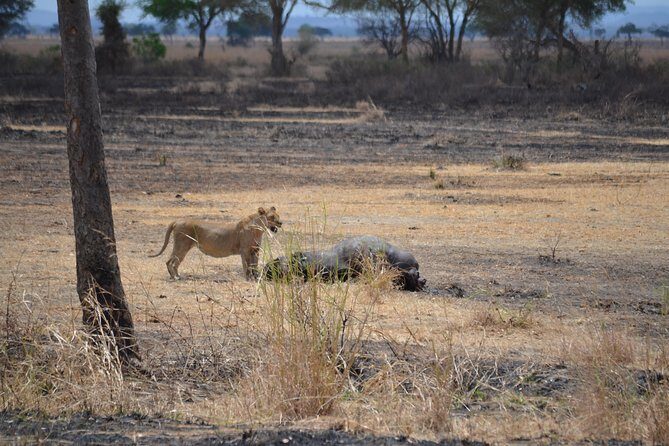
If you’re chasing the Big Five within this time limit, the crater plan is the reason it’s even possible. Tarangire sets you up with large animal odds and a classic Tanzania feel. Ngorongoro is where your “close-to-everything” viewing approach pays off.
Hippo Pool picnic lunch and the return via curio shops

After your morning crater drive, you get a break with packed lunch at the Hippo Pool Picnic site. Lunch is included, and bottled drinking water continues.
Then it’s back toward Arusha, with an afternoon transfer through curio shops. This is a practical, low-pressure chance to pick up souvenirs without building extra time into your schedule. You’ll want to plan a little space for small items, since your main luggage has a limit (more on that below).
Day 2 ends with drop-off in Arusha or Arusha Airport. Late flight drop-offs are mentioned for flights after 8:30 PM, which helps if you’re connecting onward the same day.
The return portion is usually quieter emotionally. You’ve seen the highlights. Now it’s about getting you back safely and on time, with a little shopping flexibility.
Jeep setup and guide style: the pop-up roof matters

This safari uses a 4×4 Toyota Land Cruiser with a pop-up roof throughout. That detail is not just a comfort perk. It changes how often you can spot animals that are slightly above or around bushes and over the jeep’s regular roofline.
You’ll have a professional, experienced driver-guide and English live guiding. The tour also notes you’re given binocular support through the guide (binoculars are available to share). So you don’t need to bring your own, though it can still help if you already own a pair.
For spotting, the biggest advantage of this setup is that your guide can adjust the vehicle positioning while keeping everyone’s visibility. You’ll be switching between “scan mode” and “watch for movement” mode constantly. That’s where good guidance makes the time feel productive rather than random.
Also pay attention to the animal rules: no feeding and no touching. Those rules are there for both safety and animal welfare, and they keep the viewing focused.
Lodging and meals: camping vs mid-range lodges in practice

Your itinerary includes full-board meals across the 2 days, plus bottled drinking water throughout. On Day 1: lunch and dinner. On Day 2: breakfast and lunch.
The overnight option you choose changes the feel of the second half of the day:
- Camping: You’re in a campsite environment with sleeping mattresses, plus cooking gear and a safari chef. If you like the idea of waking up with the feeling of being closer to the environment, this option can be a satisfying trade.
- Mid-range lodges: You’re in a lodge setting with named options around the Karatu/Mto wa mbuu region. This option is often easier if you prefer more predictable comfort and a less “gear-based” night.
Either way, the tour keeps things organized. You’re not trying to figure out where to eat or how to manage park-related logistics on your own. That’s real value in a short trip.
Packing for a 2-day safari: 10kg limit and what to wear
For this tour, there’s a 10kg luggage limit per person. Extra luggage can be stored in your hotel’s storage room, and duffel bags are recommended.
Clothing advice is straightforward and worth following. Use neutral colors like white, beige, and green. Bring a warm sweater, socks, and a jacket, since nighttime temperatures can drop during morning and night in this region. This matters more than you might expect after the warm-day excitement.
Other helpful items mentioned: use mosquito repellent with a high mint concentration. Also note that you won’t have a towel for shower or toilet paper included, so bring those if you need them for your comfort.
If you’re the kind of person who hates carrying too much, this is a good thing. With a tight luggage limit, you learn quickly what you truly need.
Price and value: is $530 per person fair for this plan?
The price listed is $530 per person for a 2-day safari. The big question isn’t just the number. It’s what’s wrapped into it.
Included costs cover a lot of the “hidden friction” items:
- Hotel pickup and drop-off in Arusha
- A 4×4 Toyota Land Cruiser with pop-up roof
- National park entry fees, concession fees or camping fees, plus crater service fees
- Accommodation (camping tents with sleeping mattresses, or mid-range lodges depending on option)
- Full-board meals and bottled drinking water
That matters because national park and crater fees can add up, and safari logistics are rarely cheap when you’re trying to do everything yourself. Here, you’re paying for an organized route with the vehicle, guide, and core costs bundled.
Not included are travel/accident/medical insurance (highly recommended) and any increases in taxes, park fees, or concession fees after booking.
So is it good value? For most people with limited time, yes. It’s a short safari that still includes the two headline ecosystems: Tarangire and Ngorongoro, with a vehicle and guide built for game viewing.
If you have more time than 2 days, you could spread out to reduce driving. But you’re not buying time here. You’re buying focus.
Rules, safety, and who this safari suits best
The tour has clear boundaries:
- Drones are not allowed
- Feeding or touching animals is not allowed
Those rules keep the experience safe and respectful. They also mean the best way you can help is simple: stay seated, follow your guide’s instructions, and keep your eyes on the wildlife.
Wheelchair accessibility is listed as available, which is good to know if mobility is a factor. At the same time, the tour is not suitable for pregnant women.
Who it suits best:
- You want a focused safari with big results in 2 days
- You like guided driving and want help finding animals, not just viewing from afar
- You’re comfortable with early starts and a bit of sitting time in a vehicle
Should you book this 2-day Arusha Big Five safari?
Book it if you’re working with tight time and you want a practical way to hit Tarangire and Ngorongoro without building your own route. This itinerary is built for concentration: game drives at key times, a pop-up roof jeep, park fees and meals handled, and a strong chance at major wildlife sightings in a short window.
Skip it or think twice if early mornings feel like a deal-breaker for you. Also consider your comfort level with the 10kg luggage limit and the fact you’ll be on the move between parks for about 2 hours at a time.
If you want a short, organized, wildlife-forward Tanzania safari that tries hard for Big Five odds, this one is a solid choice. Just pack for the cold mornings, trust the guide’s spotting rhythm, and accept that wildlife sightings are never guaranteed, even on the best days.
FAQ
Where does pickup happen and what time does the safari start?
Pickup is included from your hotel in Arusha at 08:00. The tour also lists pickup locations as Arusha and Arusha Urban.
How long is the safari?
The safari duration is 2 days.
Which parks are included?
This safari includes Tarangire National Park and Ngorongoro Crater.
What vehicle do we ride in for the game drives?
You’ll travel in a 4×4 Toyota Land Cruiser with a pop-up roof throughout the safari.
What time do we leave for Ngorongoro Crater on Day 2?
You depart for Ngorongoro at around 06:00.
What meals are included?
Day 1 includes lunch and dinner. Day 2 includes breakfast and lunch. Bottled drinking water is included throughout.
What lodging options are available?
You can choose camping (overnight at Jua Manyara Campsite or Kizumba Campsite) or mid-range lodges (including Motto Cottages Safari Lodge, Marera Valley Lodge, or Bougainvilea Safari Lodge).
Is there a luggage limit?
Yes. The luggage limit is 10kg per person. Extra luggage can be stored at the hotel in storage.
Are there any rules about animals or drones?
Drones are not allowed. You also can’t feed or touch the animals.
Is free cancellation available?
Yes. Free cancellation is offered up to 24 hours in advance for a full refund. There’s also a reserve now & pay later option.