REVIEW · ARUSHA
7-Day Kilimanjaro Hiking Tour via Machame Route
Book on Viator →Operated by Kitau Tanzania Safaris · Bookable on Viator
Machame feels like a long, earned promise. This 7-day Kilimanjaro Machame Route is one of the most scenic ways up, with an easier acclimatization pace and camps that set you up for the big night. I especially liked the combination of a Wilderness First Responder & CPR certified guide team and the solid on-mountain setup—tents included, plus proper mess tents and full board meals. One drawback to plan for: this is still a serious hike for fit people, and the summit push can run 10–14+ hours.
What makes this itinerary work well is the way it staggers climbing and recovery. You get rainforest walking early, then steeper “learning days” on the Barranco Wall, and finally a summit night that’s timed for sunrise over the Great Rift Valley. If you’re newer to altitude or hiking, you’ll want to take the acclimatization days seriously and pace yourself hard—your lungs will be the boss.
In This Review
- Key things to know before you go
- Machame Route 101: Why this Whiskey route is such a good fit
- Day 1: Arusha to Machame Gate, then rainforest walking to camp
- Day 2 to Shira Camp: A steep rocky ridge and the Shira wall feel
- Day 3: Lava Tower for acclimatizing, then the Great Barranco Wall descent
- Day 4: Karanga Camp through the edge of Great Barranco Wall
- Day 5: Barafu and the short climb that builds summit energy
- Day 6: The midnight summit push and sunrise over the Great Rift Valley
- Day 7: A short hike out through lush forest and the drive back to Arusha
- Tents, food, and crews: what the included support really changes
- Private transportation, park fees, and what your money covers
- Logistics and timing: what to plan around before you arrive
- Who this Machame plan suits best (and who should think twice)
- Should you book this Machame route with Kitau?
- FAQ
- How long is the Kilimanjaro Machame route trek?
- What time does the tour start each day?
- Is pickup from Arusha included?
- Are tents included in the price?
- What meals are included during the climb?
- What kind of guide support is included?
- What’s included in the price of $2,150 per person?
- What is not included?
Key things to know before you go
- Machame is the Whiskey route: scenic and popular, with a 7-day schedule that supports acclimatization.
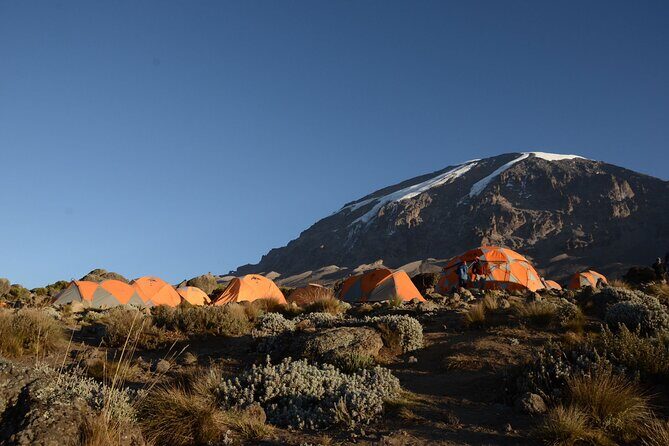
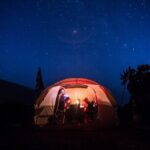
- Included tents and mess setup: you sleep in tents and eat in a dinner tent or outdoors, with table-and-chair mess tents.
- Day-by-day acclimatization plan: Lava Tower up high, then down to Barranco for a “work hard, recover smart” rhythm.
- Great Barranco Wall is a highlight and a workout: expect tough steep sections and big payoff views.
- Sunrise summit timing: start just after midnight, then descend to below the tree line the same day.
- Max 12 travelers: smaller group sizes usually help the whole flow stay calm and organized.
Machame Route 101: Why this Whiskey route is such a good fit
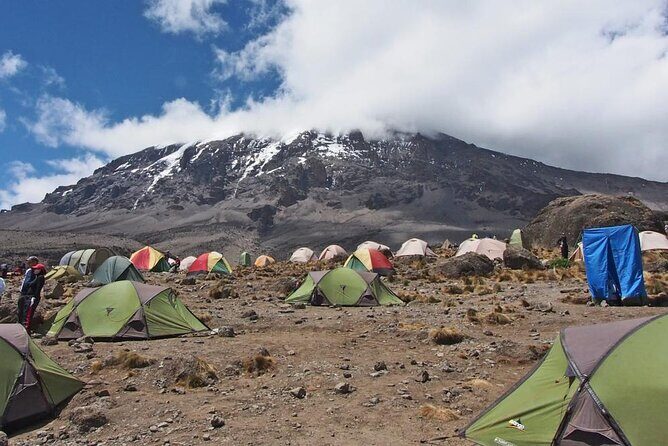
Machame is often called the Whiskey route, and for good reason: it has a classic Kilimanjaro personality—steady effort, big scenery payoffs, and a route shape that keeps you moving through changing ecosystems. It’s also one of the more popular options, which usually means more established logistics and a clearer routine for what to expect day to day.
This trek is built around acclimatization over 7 days, so your body has more time to adjust than shorter itineraries. That matters on Kilimanjaro, because altitude isn’t about “toughness”—it’s about how well you recover while you keep going.
The itinerary here is also aimed at people who are physically fit with some hiking experience. If you like long hikes, uneven footing, and climbing steadily for hours, you’re in the right zone. If you hate steep days, or you’re only comfortable with easy walking, you may feel the mountain’s personality a bit more than you want.
You can also read our reviews of more hiking tours in Arusha
Day 1: Arusha to Machame Gate, then rainforest walking to camp
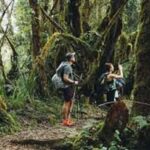
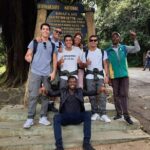
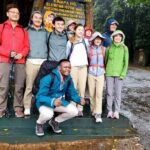
Your day starts with transport from Arusha and a drive to the Machame Gate, where registration kicks things off. Then you’re hiking right away—today is a more relaxed introduction through tropical rainforest, which helps you get warmed up without the altitude immediately punishing you.
This is also a great “attention day.” As you walk through the forest, you might spot colobus monkeys and wild birds. It’s not just sightseeing, though—these early hours let you find your pace before steeper terrain shows up later.
You finish with dinner and overnight at Machame camp. The schedule lists around 6 hours of hiking for the day, which feels right for that first day-after-arrival energy level.
Day 2 to Shira Camp: A steep rocky ridge and the Shira wall feel
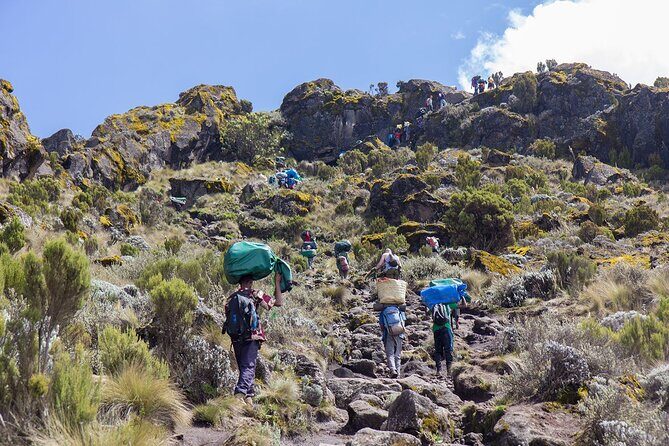
From Machame Hut, the path crosses a stream onto the west bank and climbs a steep rocky ridge. You’ll criss-cross a few times to make progress, then you reach Shira camp at the base of a semi-circular wall of rocks.
Day 2 is where you start to feel Kilimanjaro as a climbing experience rather than a casual walk. It’s still manageable, but it’s your first real test of keeping effort consistent when the trail gets rough.
You’re in camp for dinner and overnight at Shira camp, with the day also around 6 hours on the schedule. The payoff is that the route’s scenery and terrain start to shift in a way that makes you feel like you’re truly going upward, not just “walking in mountains.”
Day 3: Lava Tower for acclimatizing, then the Great Barranco Wall descent
Day 3 is a smart balancing act. You hike up from Shira toward Lava Tower at around 15,000 feet, primarily to acclimatize, and then you go down toward Barranco camp via the Great Barranco Wall.
This is one of the most useful kinds of “work” on Kilimanjaro: you gain altitude to teach your body what’s coming, then you come back down to recover. If you take the day seriously—slow steps, steady breathing—you set yourself up for a stronger Day 4.
Tonight at Barranco camp is often where people start saying the trek really gets good. The schedule keeps today around 6 hours, and it’s long enough to feel like accomplishment without wiping you out.
Day 4: Karanga Camp through the edge of Great Barranco Wall
Today starts with a tough morning climb up through the edge of the Great Barranco Wall. The trail is described as steep, so this isn’t a “scroll on your phone” day. Once you reach the top, the views make the pain feel worth it.
From there you continue to Karanga camp, with dinner and overnight. This day is about rewarding effort and building hiking confidence on rugged terrain.
If you want one practical tip: treat this as a pacing day. Going too hard early is a classic altitude mistake. You can always climb with energy later—what you can’t replace is recovery time when your body starts asking for it.
A few more Arusha tours and experiences worth a look
Day 5: Barafu and the short climb that builds summit energy
Day 5 is shorter than the previous days, but it’s still meaningful. You hike to the final camp before your last ascent day, arriving at Barafu camp, then you need to rest because the summit day is the real event.
On paper it’s listed around 6 hours, which sounds moderate, but the tone is different. Instead of chasing extra distance, you’re conserving energy like a budget. You want your body rested enough that the midnight start feels like a plan, not a shock.
Dinner and overnight at Barafu is where good decision-making pays off. You’ll likely be tired—use that tiredness productively. Sleep, eat what you can, and keep your breathing calm.
Day 6: The midnight summit push and sunrise over the Great Rift Valley
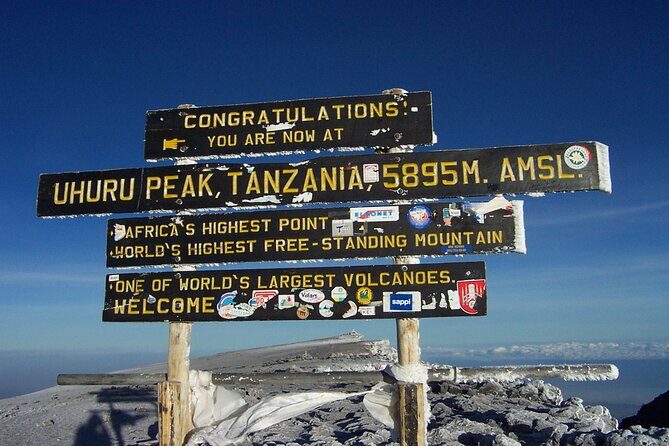
This is the day everyone remembers. You start trekking just after midnight, and the hike today can run 10–14+ hours depending on conditions and pacing. The climb includes a 1,100-meter (about 3,600-foot) ascent over a short distance, listed as just over 3 km (1.86 miles), so you’re climbing efficiently and with purpose.
The route’s goal is to reach the summit to watch sunrise over the Great Rift Valley. After sunrise and photos, you descend down the mountain to below the tree line, then sleep at Mweka camp for dinner and overnight.
This is also the day where having a guide who runs a safety-first operation matters. The tour includes a professional English-speaking guide who is Wilderness First Responder & CPR certified, plus rescue fees are included. That doesn’t make altitude easy, but it helps you feel the team has the right mindset and credentials for emergencies.
Practical approach: plan for cold, low light, and slower-than-you-expect progress. The summit is not a sprint. Your win is reaching it with enough energy left to descend safely.
Day 7: A short hike out through lush forest and the drive back to Arusha
You don’t disappear back into the mountain forever. Day 7 is a short three-hour hike out through lush forest, then you meet the driver with the vehicle at the Mweka park gate.
After that, you drive back to your hotel in Arusha. The finish feels surprisingly good because your body finally knows the climb is ending, and the last day’s pace is more about walking, breathing, and letting your muscles settle.
You’ll still get dinner and meal coverage from the trip structure, with the day ending your trek loop cleanly.
Tents, food, and crews: what the included support really changes
Kilimanjaro is hard partly because of the environment. It’s also hard because you’re moving on your feet all day while trying to sleep well enough to recover. That’s why the “camp experience” matters as much as the summit.
This itinerary does a few things right:
- Tents are included, and you sleep in tents every night.
- Meals come as full board: breakfast (6), lunch (7), and dinner (6).
- You eat in a dinner tent or outdoors, with quality mess tents with table and chairs.
That mess-tent detail sounds small until you’re actually tired. A stable place to eat and regroup reduces decision fatigue. It also keeps your routine predictable when weather and altitude are the wild variables.
The reviews back up the practical side of this. People praised the team for clean gears, quality tents, delicious food, and crews that are polite, friendly, and caring. One name that stood out was Mr Josia, credited with helping hikers reach the top safely and with good organization. When the team runs smoothly, you spend less energy worrying and more energy moving.
Private transportation, park fees, and what your money covers
At $2,150 per person, Kilimanjaro isn’t cheap. The real question is whether the package protects you from avoidable costs and stress. In this case, you’re getting a lot of the big-ticket “must-haves” handled.
What’s included:
- Private transportation
- All fees and taxes
- All fees for rescue and crew coverage elements
- Gate transfers
- Professional guide support with Wilderness First Responder & CPR certification
- Proper rations for mountain crew (cook and porters)
- Drinking water
- Equipment rentals (and tents are part of what’s covered)
What’s not included:
- Flights and related taxes
- Visas
- Any optional extras not listed in the itinerary
So the value angle here is pretty clear: you’re paying for a full operation, not just “a person to walk with you.” Also, the group size max of 12 travelers is worth noting. Smaller groups often make camp flow and pacing easier, especially on summit day when everything slows down.
Logistics and timing: what to plan around before you arrive
The scheduled meeting/start time is 7:00 am. The days are structured so you’re trekking around 6 hours most days, with Day 6 being the long summit effort and Day 7 being the short walk out.
You’ll also want to plan for the fact that the tour uses a mobile ticket, and pickup is offered. That helps if you’re juggling arrival timing or you’d rather not hunt down instructions on your own.
And like any Kilimanjaro climb, weather matters. The experience is listed as weather dependent, and if it has to be canceled due to poor weather, you’ll be offered a different date or a full refund.
Who this Machame plan suits best (and who should think twice)
This is a strong fit if you:
- Are physically fit and comfortable with sustained hiking
- Have at least some hiking experience
- Like a structured acclimatization schedule that builds toward the summit push
- Want a smaller-group feel (max 12 travelers)
You should think twice if you:
- Have limited hiking experience or struggle with steep, rocky terrain
- Know you’ll have trouble with a midnight start and a very long day
- Prefer short, gentle itineraries with minimal altitude commitment
The route itself is scenic and popular for a reason. Just make sure you respect the mountain’s pacing demands.
Should you book this Machame route with Kitau?
Yes, if you want a well-run Machame ascent that balances scenery with an acclimatization-friendly 7-day plan. The included support—CPR/WFR certified guide, tents, meals, gate transfers, and rescue fees—helps reduce the things that can turn a trek stressful at the wrong time.
I’d book it especially if you value camp comfort and predictable operations. Clean gear, quality tents, and a caring crew are exactly what you want when you’re running on thin sleep and stubborn legs.
If you’re still deciding between routes, keep one thing in mind: Machame is for hikers who can handle steep moments and a real summit-day grind. If that sounds like you, this itinerary’s pacing and logistics make it a practical, high-confidence choice.
FAQ
How long is the Kilimanjaro Machame route trek?
It’s a 7-day hike, with each day’s hiking time varying. Most days are around 6 hours on the schedule, with a longer summit day and a shorter final hike out.
What time does the tour start each day?
The meeting/start time is listed as 7:00 am.
Is pickup from Arusha included?
Private transportation and pickup are offered, and the trek includes drive transfers to and from the mountain gates.
Are tents included in the price?
Yes. All climbers sleep in tents, and tents are included as part of the trip setup.
What meals are included during the climb?
The package includes full board meals: breakfast (6), lunch (7), and dinner (6).
What kind of guide support is included?
The tour includes a professional English-speaking Wilderness First Responder & CPR certified guide, along with a mountain crew (cook and porters).
What’s included in the price of $2,150 per person?
Included items cover private transportation, all fees and taxes, rescue fees, gate transfers, drinking water, meals, tents, and equipment rentals, plus crew-related provisions.
What is not included?
Flights and taxes, visas, and any optional activities or extras not detailed in the itinerary are not included.