REVIEW · ARUSHA
7-Day Private midrange Tour in Arusha with Airport Pickup
Book on Viator →Operated by Suricata Safaris · Bookable on Viator
Four parks, one private guide, constant sightings.
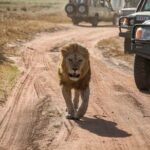
This 7-day private safari in Arusha is built for people who want wildlife drives without the headache of planning. You’ll move by private 4×4 between Tarangire, Lake Manyara, Serengeti, and the Ngorongoro Conservation Area, with park time focused on game viewing and comfortable midrange lodging.
I love that this trip handles the hard parts for you: airport pickup plus private guiding from start to finish. I also like the mix of big ecosystems—Serengeti and Ngorongoro are UNESCO sites, and you get both plains and crater wildlife in one loop.
One thing to think about: this is a very packed week with long days in the vehicle. If you hate early starts and big travel days, you may feel it.
In This Review
- Key safari highlights you’ll care about
- Entering The Safari Machine: how the private tour works from Arusha
- Tarangire: elephants, baobabs, and that first adrenaline hit
- Lake Manyara: flamingos, hippos, and why season changes everything
- Serengeti central: using the Seronera water source to your advantage
- Two full Serengeti days: more hours, better chances, real patience
- Ngorongoro early morning plus a lodge night: the pacing shift
- Inside the Ngorongoro crater: 600 meters down and a predator-rich stage
- Lodges, full-board meals, and what “midrange” means in real life
- Price and Logistics: does $3,900 per person make sense?
- Who should book this safari, and who should rethink it
- Should you book this 7-day private Arusha safari?
- FAQ
- How long is the safari?
- Is airport pickup included?
- Is this tour private?
- Which national parks are included?
- Are UNESCO sites part of the trip?
- What animals can I expect to see?
- Are meals included?
- What is the cancellation policy?
Key safari highlights you’ll care about
- Private guiding in every park, so you’re not waiting for a group to decide where to stop
- Serengeti + Ngorongoro UNESCO coverage in a single 7-day route
- Elephants at Tarangire, flamingos at Manyara (seasonal), and crater predators at Ngorongoro
- Long Serengeti game-drive blocks (8–9 hours of viewing time on two days)
- Full-board midrange comfort with breakfast and lunch every day, plus dinner on 6 nights
- Guides with strong animal-spotting reputation (names like Golden, Max, Rocky, Freddy, Ezekiel, and George come up often)
Entering The Safari Machine: how the private tour works from Arusha
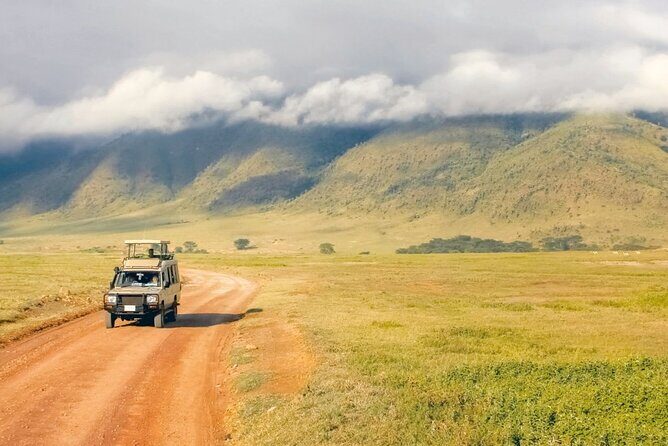
This is a classic Tanzania circuit, but run in a calmer, more personal way. From Arusha, you’re traveling with a private guide and your own vehicle, so you can adjust to what you’re seeing instead of being stuck with a rigid herd schedule.
On the first day, the drive begins after breakfast, with departure in the 08:30–09:00 window. That pattern matters. Wildlife days are easier when the morning is used well—especially in places like Tarangire and the Serengeti, where early light often improves viewing.
Because it’s private, you also get a better chance at learning on the move. The guides on this safari are repeatedly praised for knowing where to look and explaining what you’re seeing—whether that’s why water brings animals to the Serengeti’s Seronera area or how predator behavior changes across the crater floor.
Two practical notes to keep in mind:
- This week is designed around game drives first, comfort second, so pack for long days.
- You’ll be transferring between parks, including a jump from the highlands area toward the Serengeti plains and then down into the Ngorongoro crater region. Expect travel days to feel like part of the safari, not just “getting there.”
You can also read our reviews of more private tours in Arusha

Tarangire: elephants, baobabs, and that first adrenaline hit
Tarangire is where the trip starts flexing its wildlife muscles. After breakfast and your morning departure, you’ll head into the park and then arrive at your lodge for lunch. The afternoon is reserved for an extended game drive—your first real chance to get your bearings and start spotting.
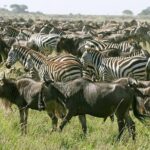
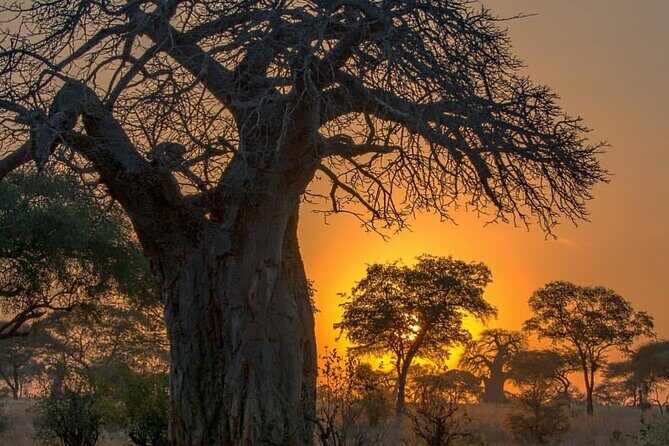
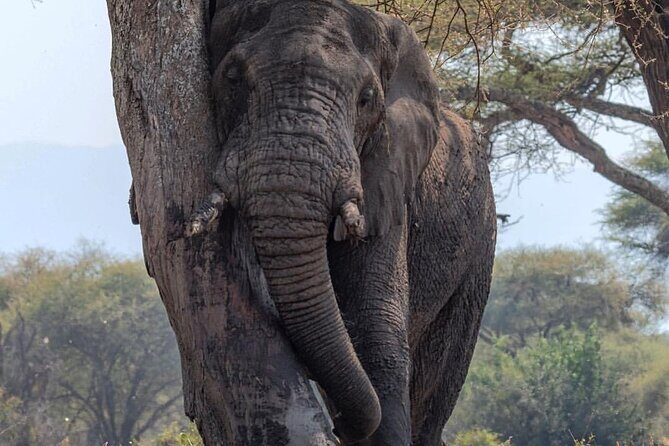
Tarangire is especially famous for its high density of elephants and baobab trees. If you visit during June to November (dry season), the animals tend to concentrate as water sources shrink. In that window, you can often expect to see large herds—zebra, wildebeest, and cape buffalo are specifically called out as likely—and the whole park can feel more “focused” than in wetter months.
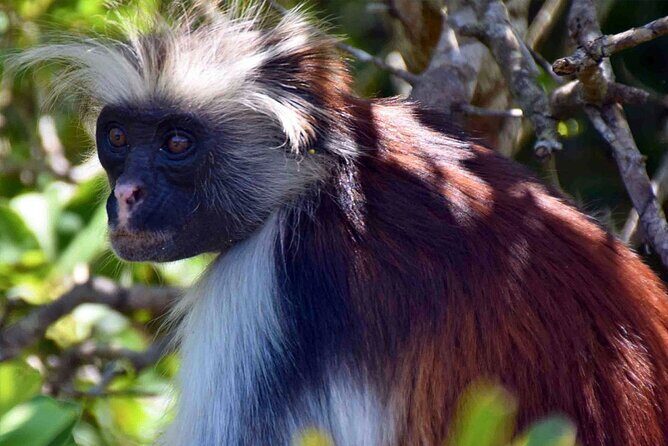
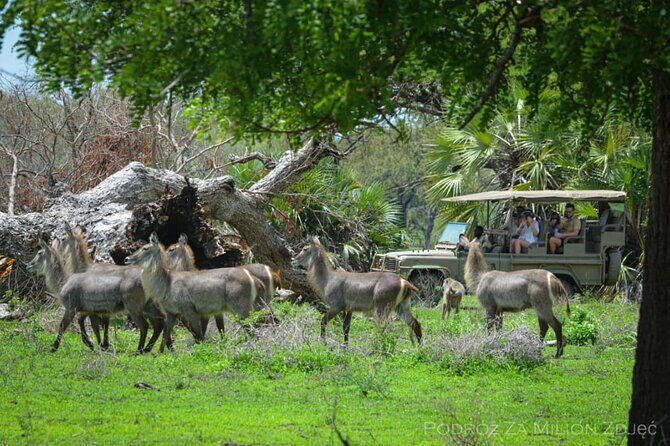
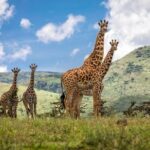
You also get a full spread of resident animals: giraffe, waterbuck, impala, eland, Grant’s gazelle, and several monkey and small-mammal species show up often in the Tarangire mix. Predators are on the list too—African lion, leopard, cheetah, and wild dog are mentioned—so you’re not just chasing elephants all day.
What’s the tradeoff? Tarangire is a “hits early, ask questions later” park. If you go in thinking every drive will look the same, you’ll miss what makes it fun: the scene changes fast as animals move between watering areas and feeding zones. This park is a good match for photographers, first-timers, and anyone who wants their safari to start strong.
Lake Manyara: flamingos, hippos, and why season changes everything
Day two shifts to Lake Manyara National Park. After breakfast, you’ll head out for an extended game drive. Lake Manyara’s headline attraction is the flamingos—but here’s the key detail: flamingo presence is seasonal.
During the wet season, flamingos can be found around the edges of the lake in flocks of thousands. During the dry season, they’re not as prominent. So if your timing lines up with dry months, you might not see flamingos in big numbers—but the park can still deliver with other wildlife.
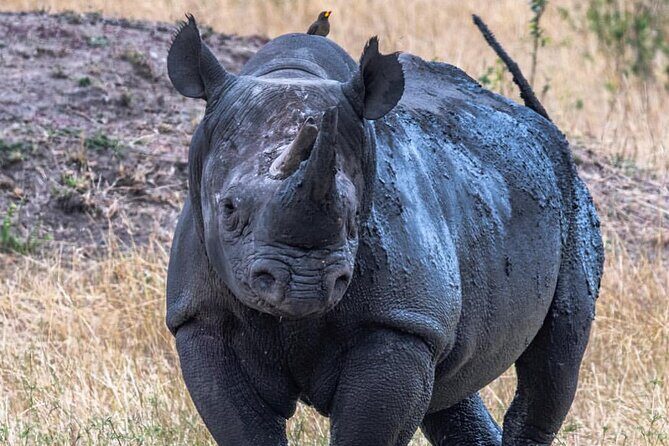
Manyara is also where you may spot predators and thick diversity in a smaller area. Lions (including East African lions), leopards, cheetahs, elephants, and blue monkeys are listed as year-round possibilities. There’s also a hippo pond at one end of the park, which is a helpful “focus point” for your drive, especially if you’re trying to spot something reliably.
One practical takeaway: Manyara is less about one animal and more about variety. If your group loves a mix day—big mammals plus birds plus chances at a predator moment—this stop fits well.
Serengeti central: using the Seronera water source to your advantage
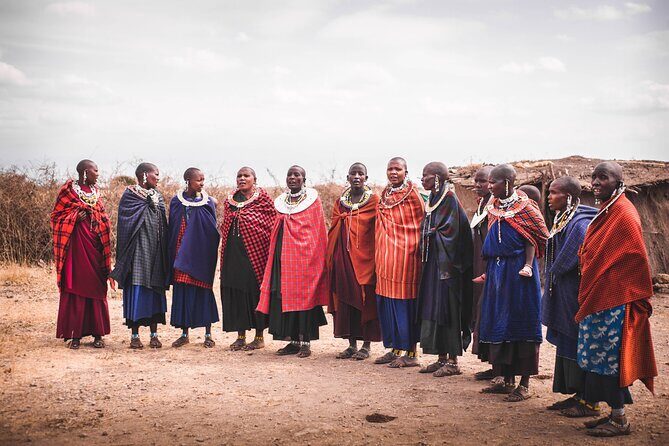
You’ll move to Serengeti on day three. The drive includes a transition through Karatu farmlands and the Ngorongoro Conservation Area before you drop into the plains character of the Serengeti.
Once you’re in the park, you focus on the central Serengeti area, specifically the Seronera region. Why that matters: the Seronera River provides a steady water source, which attracts wildlife and concentrates activity in the areas where food and water overlap. That’s one of the main reasons central Serengeti can feel “busy” in the best way.
Day three is an afternoon game drive after lunch. It’s not a full-day sprint, which can be a good thing on a safari like this. It gives you time to settle in, learn your guide’s spotting rhythm, and let the plains open up for you.
This is also a moment where your guide makes the difference. Guides like Max and Ezekiel are praised for finding animals and for storytelling that helps you understand behavior—not just name species. In a place as wide as the Serengeti, that kind of explanation helps you feel like you’re reading the scene instead of just watching from the window.
Two full Serengeti days: more hours, better chances, real patience
Days four and five are both built around a full Serengeti day. The plan is 8–9 hours of game viewing plus 2–3 hours of non-game time. That structure matters because it balances two competing safari needs:
- Enough game-drive hours to chase moments (predators hunting, herds moving, young animals learning fast)
- Time on the schedule for breaks, repositioning, and staying alert
On these long days, Serengeti rewards focus. You’ll likely spend a lot of time waiting for something to happen. And that’s not wasted time—this is how you catch behavior you’d otherwise miss, like a sudden chase response, a herd tightening up, or a predator using terrain cover.
The plains are also where you’ll start noticing patterns: where animals cluster after water, how herds react to predators, and why some sightings feel “predictable” once you understand the logic. With private guiding, you can ask questions and adjust your expectations to what’s actually happening that day.
If you’ve only done quick wildlife tours before, this is the opposite. This is a slow, long look, and it tends to be the part of the week that people remember most.
A few more Arusha tours and experiences worth a look
Ngorongoro early morning plus a lodge night: the pacing shift
On day six you go to the Ngorongoro Conservation Area. The day starts with an early game drive—5–6 hours—followed by lunch and then an afternoon departure for Ngorongoro, arriving at Ngorongoro Serena Lodge for dinner and overnight.
This is a useful pacing shift. Up to this point, you’ve been working through parks with different habitats. Now you’re heading into a place where the viewing experience changes at the first descent moment. That means day six is partly about “warming up” and partly about setting you up for the crater day.
Your early start on day six also helps with wildlife odds. Predators and herds can be more active and visible when the day is fresh. Even if you don’t see everything on day six, you’ll likely leave feeling like you understand where the action funnels before you descend.
Inside the Ngorongoro crater: 600 meters down and a predator-rich stage
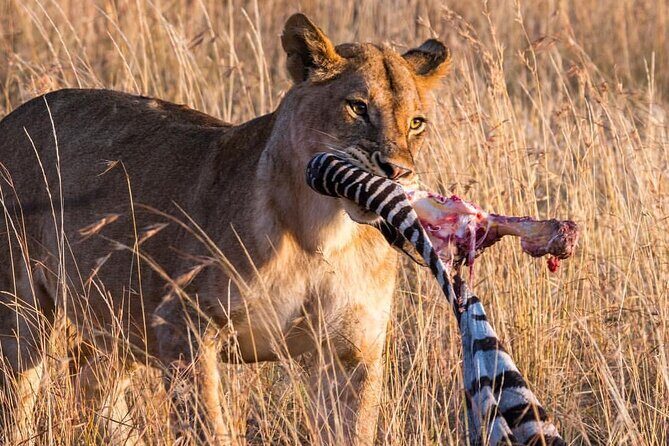
Day seven is the big one: descending over 600 meters into the crater to view wildlife. The crater environment is described as supporting many animals because it has year-round water supply and fodder.
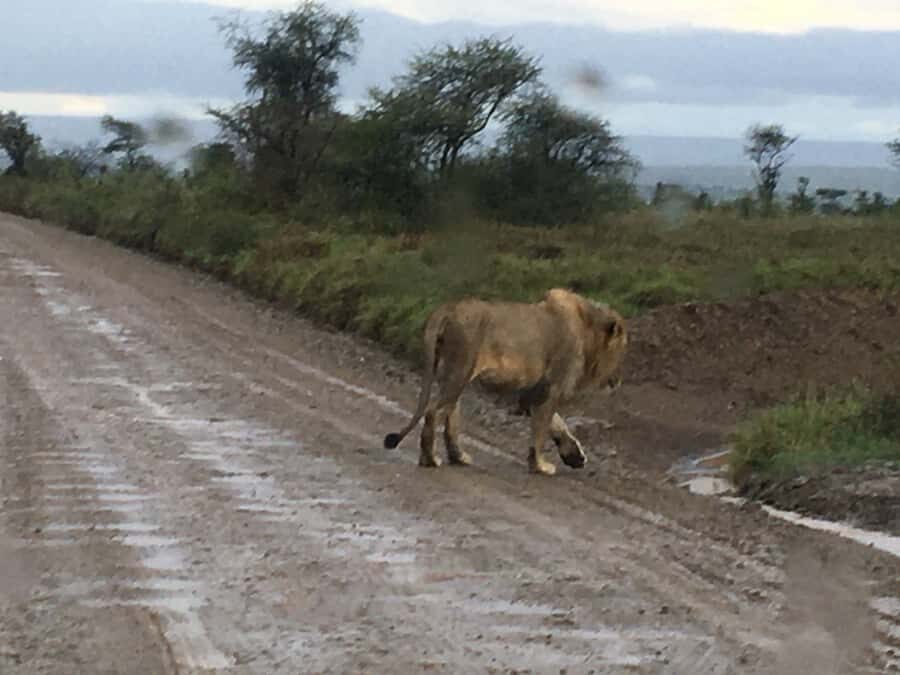
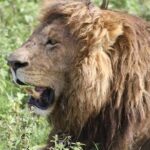
The list of animals you might see reads like a crater checklist: wildebeest, zebra, buffalo, eland, warthog, hippos, and giant African elephants are specifically mentioned. There’s also a strong predator picture—lions, hyenas, jackals, cheetahs, and the leopard, which can take a trained eye to spot.
This is where the safari turns into a different kind of game viewing. Instead of searching across open plains, you’re watching a concentrated arena. The upside is that wildlife density is high. The downside is that your best sightings can happen when you least expect them—so you’ll want to stay present and let your guide position you well.
You’ll also visit Lake Magadi, a large but shallow alkaline lake in the southwestern corner of the crater. It’s a main feature of the day, and flamingos are mentioned as a possible sighting there. Even when flamingos aren’t the main event in other parks, they can still show up in the crater world.
Lodges, full-board meals, and what “midrange” means in real life
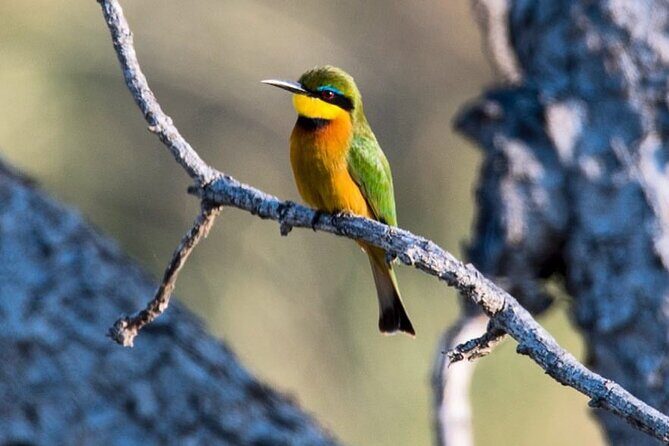
This safari is positioned as midrange, which here translates into comfortable lodging and full board. In practical terms, that matters because you’re traveling hard for a full week. The structure is meal-focused: breakfast (7), lunch (7), and dinner (6).
That dinner number tells you something too: one night on the route may be structured differently than the others, but the overall pattern is consistent. You won’t be stuck hunting for meals after long drives. You’ll also have fewer daily decisions—useful when your day already includes hours of viewing.
Your lodging could vary, but some feedback highlights places like Boma Lodge in Manyara for atmosphere and staff. Even when the lodge style changes from park to park, the rhythm stays the same: game drive in the morning or afternoon, then a return to rest and food.
One more detail worth noting: park admission tickets are listed as free as part of the experience. That’s a real value marker, because park fees can add up quickly on multi-park itineraries.
Price and Logistics: does $3,900 per person make sense?
At $3,900 per person for a private 7-day safari, you’re paying for four big things at once:
- Privacy (your own guide and your own vehicle)
- Time investment (multiple parks plus two long Serengeti days and crater viewing)
- Included food (breakfast and lunch every day, dinner for most nights)
- Park access (admission tickets listed as free)
If you tried to DIY this route, the costs don’t just come from tickets. You’d be paying for logistics, planning time, and the risk of mis-timing drives. With private guiding, you’re also paying for animal-spotting efficiency—where a guide like Max (the “eagle eye” reputation) or Ezekiel (known for both spotting and explanations) can change what you see in the same landscape.
The other side of the value equation is comfort vs. speed. This is a midrange set-up, not a ultra-luxury experience. That’s often a good trade if you want more days and more park time for your money. It’s less ideal if you want a slow, lounge-heavy safari with minimal driving.
Also, one review note flagged that communication on procedures prior to pickup could be improved. That’s easy to fix on your side: message ahead, confirm the exact pickup steps, and keep your arrival details clear. The safari looks smooth overall—just don’t assume.
Who should book this safari, and who should rethink it
This works best for you if:
- You want a private safari and don’t want to share vehicles with strangers
- You care about seeing Serengeti and Ngorongoro as UNESCO stops
- You’re happy with long days that prioritize wildlife viewing
- You like learning as you go—guides such as Golden, Rocky, Lewis, Freddy, Ezekiel, and George come up often for a reason
You might reconsider if:
- You want a relaxed vacation with minimal driving
- You get cranky with early starts and long time in the vehicle
- You prefer a more flexible day-by-day plan you control yourself
If you’re traveling solo, you’ll also like the private setup. Multiple reviews call out solo travelers feeling well looked after and safe, which matters when you’re relying on someone to run the whole week.
Should you book this 7-day private Arusha safari?
Yes—if your goal is a high-impact wildlife week with private guiding and you’re comfortable with a packed schedule. The strongest reason to book is simple: the route hits the big wildlife systems in a way that makes sense—Tarangire first for elephants, Manyara for variety and seasonal birds, central Serengeti for long viewing sessions, then Ngorongoro crater for dense wildlife and predator chances.
Just go in with the right mindset. This is not a “check one park off the list” trip. It’s a focused week built around game drives, and the best results come when you give it full attention.
If you do book, do one extra thing to protect your experience: confirm pickup procedures and your arrival details early, then stay flexible. After that, let the guide do the work—especially if you want the kind of animal spotting and explanations people consistently credit to the team behind this safari.
FAQ
How long is the safari?
It runs for about 7 days.
Is airport pickup included?
Yes. Airport pickup is offered as part of the experience from Arusha.
Is this tour private?
Yes. It’s a private tour/activity, so only your group participates.
Which national parks are included?
The safari covers Tarangire National Park, Lake Manyara National Park, Serengeti National Park, and the Ngorongoro Conservation Area.
Are UNESCO sites part of the trip?
Yes. Serengeti and Ngorongoro are UNESCO World Heritage sites included on this route.
What animals can I expect to see?
You can expect opportunities to see giraffes, elephants, lions, leopards, and many other species. The route also notes flamingos at Lake Manyara (seasonal) and in the Ngorongoro crater area at Lake Magadi.
Are meals included?
Breakfast is included for 7 days, lunch is included for 7 days, and dinner is included for 6 nights.
What is the cancellation policy?
You can cancel for a full refund if you cancel at least 24 hours before the experience’s start time. If you cancel within 24 hours, the amount paid is not refunded.