REVIEW · ARUSHA
4 days Best experience Kilimanjaro Hike, Serengeti &Ngorongoro
Book on Viator →Operated by Dancing Simba Safaris · Bookable on Viator
A four-day safari circuit with waterfall views. It blends Materuni’s Kilimanjaro-area trek, a Serengeti evening drive, and Ngorongoro’s famous crater wildlife into one tight loop from Arusha. You’ll also swap out the usual “just game drives” schedule with a coffee tour and a swim at Chemka Hot Springs.
Two things I really like: the mix of hands-on experiences (coffee tour + a real trek up toward 2500m) and the chance to chase Big Five sightings on Ngorongoro’s inner-crater drive. It’s the kind of itinerary that gives you both nature-work and wildlife payoff, without feeling random.
One drawback to consider: you’re sleeping on camping-site accommodations during the safari nights, so comfort is more “close to nature” than “hotel-luxury.” If you hate camping at all, you might find the schedule less relaxing.
In This Review
- Key highlights at a glance
- A 4-day northern circuit that actually mixes activities
- Day 1 near Kilimanjaro: Materuni trek, coffee, and Chemka pools
- Serengeti on Day 2: late-afternoon viewing and a tented-camp night
- Ngorongoro Conservation Area on Day 3: rim views plus Maasai life
- Day 4 inside Ngorongoro: the Big Five from the crater floor
- Value and what’s really included on this 4-day plan
- Comfort trade-offs: camping nights and long days (handled smartly)
- Who this tour fits best, and who should reconsider
- Should you book this 4-day Materuni–Serengeti–Ngorongoro route?
- FAQ
- How long is the tour?
- Is this tour private?
- Where does the tour start and end?
- What do you do on the Materuni day trek?
- Do you swim at Chemka Hot Springs?
- What wildlife can you look for at Ngorongoro?
- What meals are included?
- What isn’t included?
Key highlights at a glance
- Materuni day trek up to 2500m with views over Kilimanjaro-area scenery
- Materuni coffee tour with a local guide, plus hot traditional food
- Chemka Hot Springs swim in pools that feel warm on one side and colder on the other
- Serengeti evening game drive with about two hours of wildlife viewing
- Ngorongoro crater rim wildlife spotting from the rim before the full descent
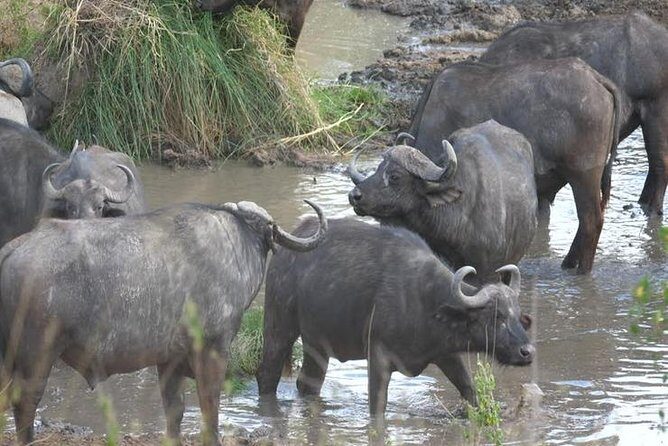
- Inside-the-crater Big Five time plus hippos, hyenas, flamingos, and more
A 4-day northern circuit that actually mixes activities
This route works because it doesn’t treat Tanzania like a checklist. You start with a day hike in the Kilimanjaro area, then you shift into safari mode with Serengeti and Ngorongoro. That rhythm matters: your brain gets a break from “watching for animals” right after you earn that first big sense of place.
You’ll also be moving in a private safari setup, not a packed cattle-car bus. Your days are planned around timing—morning and late-day game viewing are often when you’ll get the best sightings for the least wasted daylight.
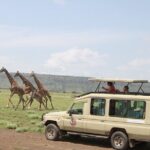
And it’s built as a complete 4-day package: meals, drinking water, safari jeeps with a top-up roof, and even camping gear for the safari nights.
You can also read our reviews of more hiking tours in Arusha
Day 1 near Kilimanjaro: Materuni trek, coffee, and Chemka pools
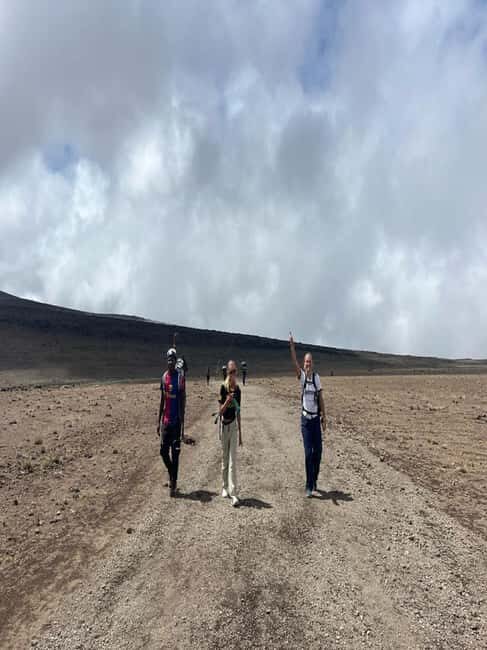
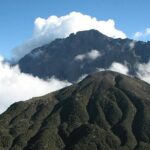
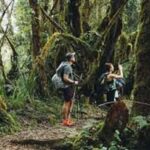
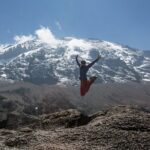
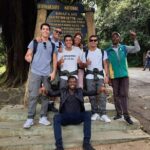
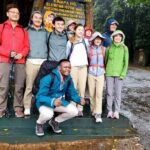
Day 1 is the “stretch your legs” day, and it’s a good one to start with because it’s active before you get road-drowsy. From the Materuni area, you trek up toward 2500m above sea level. Even if you’ve hiked before, go slow here—higher altitude can make a normal pace feel like you’re working.
The most memorable part isn’t just the walking. It’s the way you fold in a Materuni coffee tour with a local guide. You’re not just buying coffee at the end; you’re learning how it connects to the people living in these hills. After that, you’ll have hot traditional food, which is exactly what you want after a hike.
Then comes Chemka Hot Springs, where you’ll experience the pools at close range. The description is simple but important: the water is clean, and the pool changes temperature across different sides—warm on one side, cold on the other. That contrast makes it feel less like a “touristic soak” and more like you’re actually using the place the way locals might.
Practical note for your comfort: plan to pack a small towel, sandals you can handle on uneven ground, and a dry layer for after the swim. Even when the water feels great, the air can cool you quickly once you climb out.
Your evening ends back in Arusha at Graceland Hotel, so day one doesn’t leave you stranded in transit. It’s a smart reset after an active morning.
Serengeti on Day 2: late-afternoon viewing and a tented-camp night
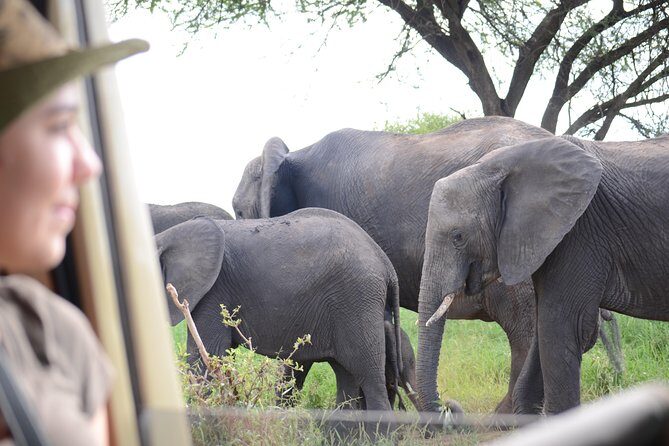
Day 2 shifts gears. After breakfast, you depart at 8:00am for a direct drive to Serengeti National Park. You’ll travel with a lunch box, then arrive later in the afternoon.
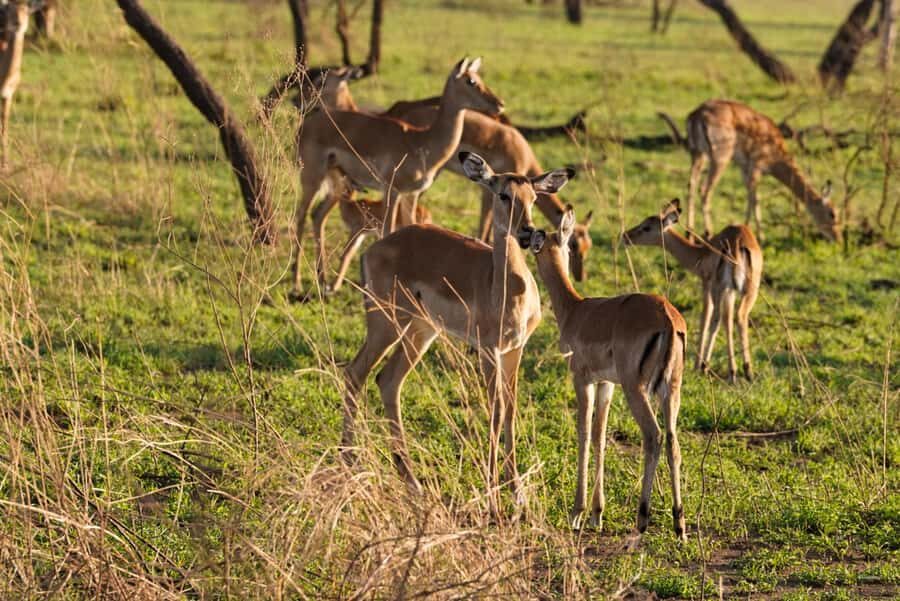
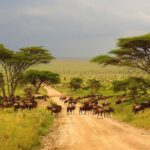
The wildlife time on paper is about two hours of game viewing in the evening. That might sound short compared to some longer safaris, but the trade-off is you’re not spending the entire day stuck in the vehicle. By arriving in the afternoon and driving for a focused window, you still get the Serengeti feeling—open plains, animals moving, and that sense of scale you only get in big ecosystems.
You’ll continue to a tented camp area for dinner and overnight at Serengeti Seronera camp. Staying in this zone matters. It keeps you close enough to maximize time on the ground the next morning (even though your Day 3 starts with an early game drive).
What I’d watch for on this day: do your photo settings before you start driving. Serengeti is the kind of place where you lose shots just from fumbling with your camera. Once you’re in motion, you’ll want your gear ready so you can focus on what’s actually happening outside.
Ngorongoro Conservation Area on Day 3: rim views plus Maasai life
Day 3 is where the itinerary earns its nickname as the “crater day.” You start with an early morning game drive, then head into the Ngorongoro Conservation Area.
One detail that changes how you’ll see the place: Ngorongoro is managed as a conservation area, not just a national park. That means the land is managed for animals and local Maasai people, who graze cattle alongside wildlife. If you’ve only ever pictured a park as fenced-off nature, this part can feel more real—life here isn’t separated into a clean “humans over there” zone.
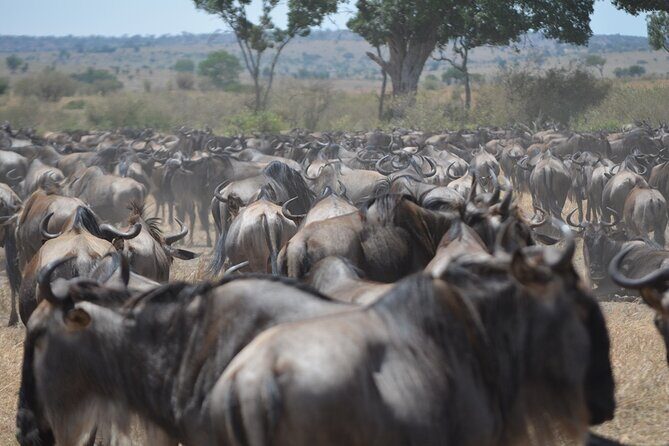
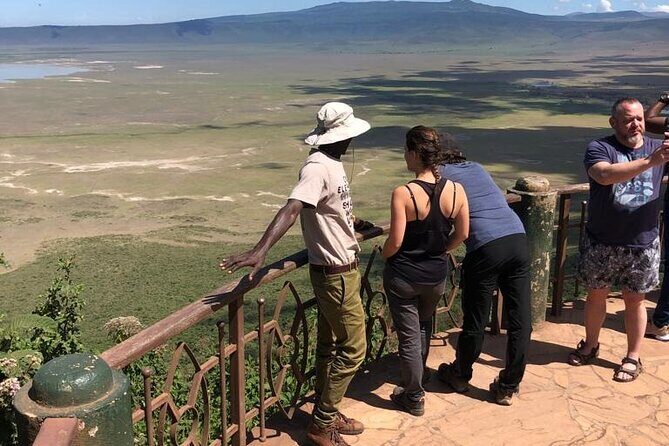
At the entrance gate, there’s a chance to learn more about the volcanic landscape. Then you drive around the rim, where you can look down and spot the movement below—often including herds of wildebeest or buffalo.
This rim time is powerful because you’re getting the big-picture view without committing to the full descent yet. You can spot where animals are concentrating and what routes they might take. Think of it as setting your “wildlife map” before the Day 4 crater drive.
Dinner and overnight are at Ngorongoro crater rim simba camping site. Again, this is camping mode, so come ready for basic accommodations. The upside is you’re close to the action, with the crater close enough that it feels like part of the camp’s atmosphere.
Day 4 inside Ngorongoro: the Big Five from the crater floor
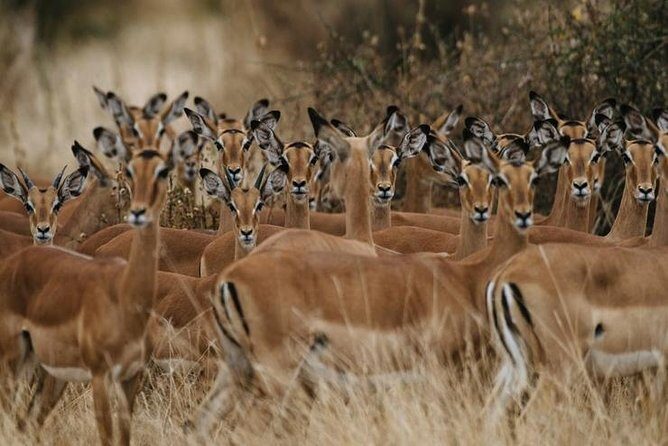
After breakfast, you descend into the crater. This is the part people talk about for a reason: crater walls act like a natural sanctuary for animals, which can mean there’s a lot to see in a smaller area.
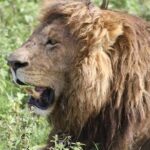
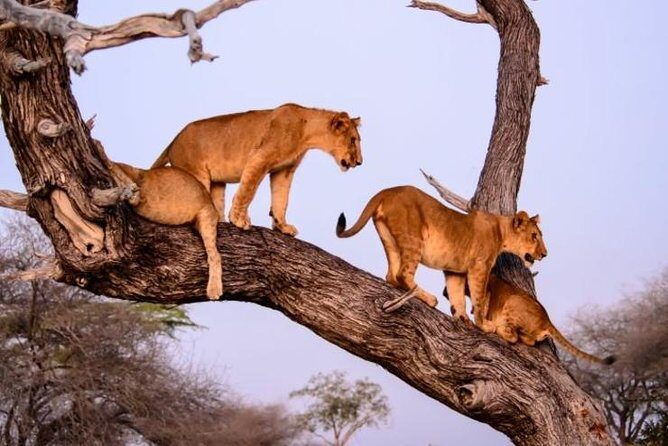
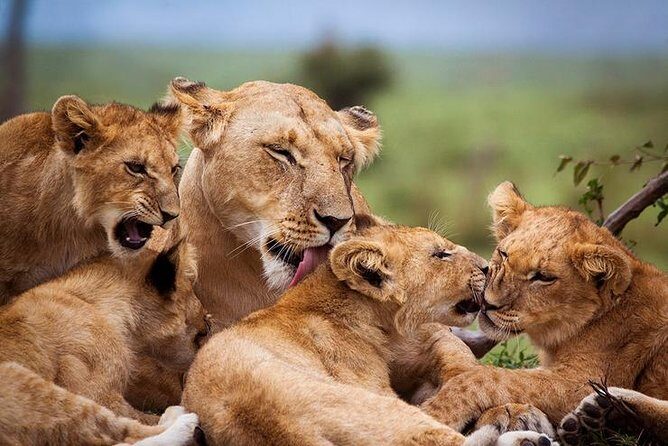
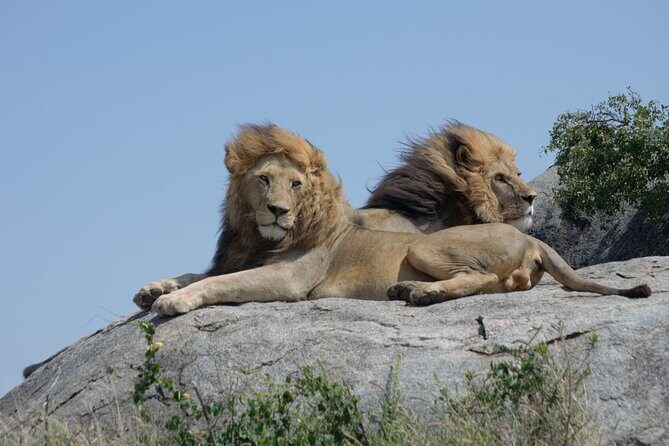
You’ll have the chance to look for the Big Five: lions, elephants, buffalo, rhino, and leopard. The itinerary also points to other species you might see, like hippos, hyenas, and flamingos, plus more.
This is where pacing really matters. If you sprint from viewpoint to viewpoint, you’ll miss behavior cues—like how animals react to other animals, wind direction, or the position of nearby water and shade. Take your time. Give yourself a moment at each stop so you can watch how the scene changes.
Binoculars can be useful here, but even without them, Ngorongoro has a “no excuses” quality: there’s enough structure and visibility that even a simple glance can turn up a new subject.
After the crater drive, you’ll be driven back to Arusha for overnight or to the airport. That means you don’t end your trip in the middle of nowhere—you close the loop and get back to civilization.
A few more Arusha tours and experiences worth a look

Value and what’s really included on this 4-day plan
Even though the price field here shows $0.00, the important part for value is what’s built into the day-to-day cost structure. This itinerary includes:
- Private safari adventure
- Camping equipment
- Meals and drinking water
- Safari jeep with top up roof
- Dinner (3), lunch (4), breakfast (4)
That combination is practical. When meals and water are covered, you’re not constantly negotiating for food or trying to stretch snacks across long drives. When you have a top-up roof jeep, you get better viewing angles without needing to climb around or fight for a seat. And when camping gear is included, you’re not trying to guess what you’ll need for safari nights.
The itinerary also notes admission ticket free for the scheduled key days listed in the plan. If those are part of your package, that’s meaningful value because park entry costs can add up quickly on multi-park routes.
What’s not included is also straightforward: tipping, flights, and personal items. Plan for those so you don’t get surprised at the end.
Comfort trade-offs: camping nights and long days (handled smartly)
This tour is built for seeing a lot in a short window, and it uses that logic well. You get active time on Day 1. You get game viewing time on Day 2 and rim time on Day 3. Then you go full crater on Day 4.
The comfort trade-off is camping. You’ll sleep at Serengeti Seronera camp one night and at Ngorongoro crater rim simba camping site another night. That’s not automatically bad. It can actually make the experience feel more real—close to the rhythm of the park areas.
But set expectations. If you’re the type who needs hotel-level bedding, hot showers, and quiet at all hours, think carefully. If you’re okay with “good enough and focused on wildlife,” this style is part of the safari charm.
Also, packing matters more than usual here. Bring a warm layer even during warmer months because mornings and higher areas can feel cool. Keep a dry bag for your swimwear after Chemka. And don’t forget a simple headlamp or flashlight for camp areas at night.
Who this tour fits best, and who should reconsider
This is a great match for you if:
- You want Serengeti + Ngorongoro + Kilimanjaro-area hiking in only 4 days
- You like a balanced itinerary: walking, coffee learning, hot springs, then big wildlife days
- You prefer a private group experience where timing feels less rushed
It might be less ideal if:
- Camping accommodations would make you unhappy
- You want a full-day Serengeti schedule with long drives every day (this plan focuses on key game windows)
- You’re looking for strictly “luxury lodge” comfort at every stop
The good news is that the structure is easy to understand. You know what each day is for, and you’re not asked to do heavy hiking every morning while also sitting through all-day off-road driving. Day 1 is your effort day. Day 2 and 3 emphasize wildlife viewing and positioning. Day 4 is crater payoff.
Should you book this 4-day Materuni–Serengeti–Ngorongoro route?
If you want a tour that connects Tanzania’s best-known wildlife with real human-scale activities (coffee, trekking, and hot springs), this one makes sense. The itinerary gives you two very different nature experiences: Kilimanjaro-area hiking and swimming, then major predator-prey viewing in Serengeti and Ngorongoro.
I’d especially consider it if your priorities include:
- Seeing Big Five possibilities on the crater drive
- Having a focused Serengeti window without sacrificing the rest of your trip
- Getting a guide who can explain what you’re seeing—many people highlight strong wildlife explanations and friendly support within the safari team tied to this operator
Before you book, do one thing: be honest about camping comfort and what you’ll tolerate for sleep quality. If that’s fine with you, this itinerary is a high-value way to pack in serious highlights without turning the whole trip into one long, repetitive vehicle ride.
FAQ
How long is the tour?
The itinerary is listed as 4 days (approx.).
Is this tour private?
Yes. It’s described as a private tour/activity, meaning only your group participates.
Where does the tour start and end?
It starts in Arusha. After the Day 4 crater drive, you’ll be driven back to Arusha for overnight or to the airport.
What do you do on the Materuni day trek?
You trek from Materuni village up to around 2500m above sea level, then enjoy a coffee tour with a local guide and hot traditional food.
Do you swim at Chemka Hot Springs?
Yes. The plan includes Chemka Hot Springs, where you can swim in a natural pool with clean water that’s warm on one side and cold on the other.
What wildlife can you look for at Ngorongoro?
The crater drive lists chances to see the Big Five (lions, elephants, buffalo, rhino, and leopard), plus hippos, hyenas, flamingos, and others.
What meals are included?
The inclusions list breakfast (4), lunch (4), dinner (3), and drinking water.
What isn’t included?
Tipping, flights, and personal items are not included.