REVIEW · ARUSHA
Group Safari 7 Days in Tanzania’s Main Parks
Book on Viator →Operated by Safari Avventura · Bookable on Viator
Big safari days start here. This 7-day main parks run out of Arusha turns the crank for you: a guided Jeep safari with park entrance fees, full board, and the kind of long-game-driving schedule that actually gets you to the big sights. I like that it’s geared to real wildlife time (not just checkpoints), and I also like the Jeep comfort details—power sockets, a fridge for cold drinks, and binoculars so you don’t arrive blind.
I also love the pacing between iconic stops: Manyara’s big biodiversity day, Ngorongoro’s crater scenery and animal density, then Serengeti for the migration-focused experience. The one thing to consider is the schedule: several days run up to 12 hours, so you’ll want a good attitude, a thermos-and-snacks mindset (even with snacks provided), and to plan for early nights.
In This Review
- Key points that make this safari tick
- Where this itinerary shines: northern parks in one tight loop
- The Jeep setup that matters when the day runs long
- Day 1 in Arusha: settle in with a village-style introduction
- Lake Manyara: biodiversity-focused wildlife time
- Ngorongoro Crater: when the scenery squeezes the wildlife
- Serengeti for migration vibes: the big-ticket day
- Tarangire: photo-safari energy and a nice rhythm change
- Food and stays: full board keeps your head clear
- Guides and the real value of getting it right
- Price reality check: $3,000 and what you’re actually paying for
- Mobile ticket, timing, and the small logistics that shape your trip
- Should you book this Tanzania safari?
- FAQ
- What parks are included in this 7-day safari?
- What is included in the $3,000 per person price?
- Is the Tanzania entry visa included?
- How many people are in the group, and what vehicle setup do you use?
- Are drinks included with meals?
- What’s the cancellation policy if I need to change plans?
Key points that make this safari tick
- Small group max of 6 helps keep the ride more flexible and the game drive less chaotic.
- Comfy Jeep touches like power sockets, a fridge with cold drinks, and binoculars make long drives easier.
- Full board included (with lunches and dinners) means fewer logistics headaches and more time watching wildlife.
- Top northern park lineup covers Manyara, Ngorongoro, Serengeti, and Tarangire instead of doing only one or two.
- Guide strength is a highlight, with names like Elias Muro, Mirambo, Issa, Calvin Jonatan, and Peter Aron Makongo showing up for calm, helpful guiding.
Where this itinerary shines: northern parks in one tight loop
If you’re choosing a Tanzania safari for the first time, you usually want three things: variety, convenience, and enough time in each place to feel like you’re not rushing through a checklist. This 7-day northern loop hits those boxes.
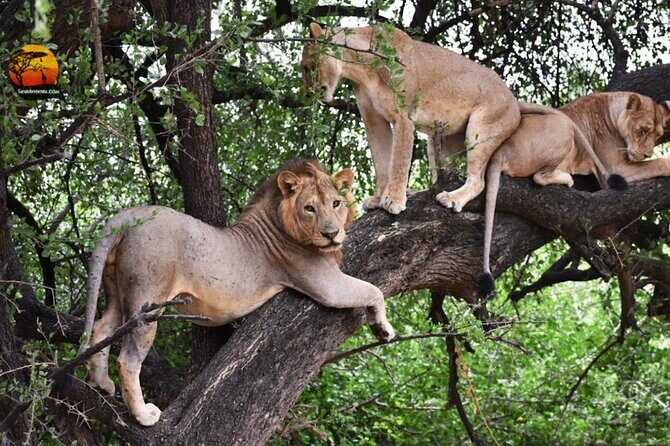
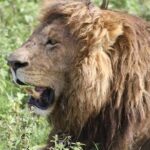
You start in Arusha, then move through some of the most famous game-viewing areas in northern Tanzania: Lake Manyara National Park, Ngorongoro Conservation Area, Serengeti National Park, and Tarangire National Park. The backbone of the experience is a guided Jeep safari—not a bus, not a “good luck” situation—so when the driver spots activity, you’re in position to enjoy it.
And because this is a group safari with a cap of six travelers, it tends to feel more personal than the huge-van style outings. You’re still with other people, but the energy stays manageable.
A few more Arusha tours and experiences worth a look
The Jeep setup that matters when the day runs long
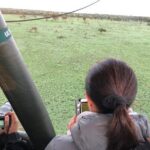
On safari, comfort is not fluff. It’s what keeps you alert for spotting animals instead of counting minutes. This tour uses an air-conditioned vehicle/Jeep and includes practical extras: power sockets, a fridge for cold drinks, and snacks during the day. They also include binoculars, which makes a big difference in the Serengeti and crater areas where spotting opportunities can be fast.
There’s another detail that you’ll feel day after day: the guide and operator handle the “moving parts.” That means you’re not doing route planning while you’re supposed to be watching wildlife. You’ll still have to walk to viewing spots and listen to instructions, but the logistics are taken care of.
One note: the itinerary includes a lot of long safari days (some days listed around 12 hours). If you’re sensitive to fatigue, it helps to pack with that in mind and accept that you’ll be rewarded for staying focused.
Day 1 in Arusha: settle in with a village-style introduction
Your first day is light compared to the park days: you’re picked up after arrival and taken to an Arusha Village Experience. It’s not about animals—it’s about getting oriented. I like this kind of start because it helps you land without feeling immediately shoved into dawn drives.
This also gives you time to reset after travel and build familiarity with your guide’s style. You’ll learn how the days flow and how they handle timing once you’re inside the parks.
The day includes admission, and it’s listed as about 12 hours, so even though it’s not a full “crater-to-Serengeti” day, you’ll still have a full agenda.
Lake Manyara: biodiversity-focused wildlife time
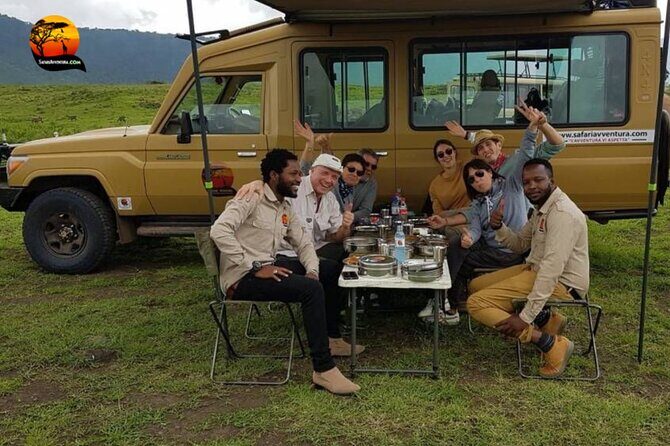
Lake Manyara National Park is the kind of place where you can get variety in what you see—birds, animals moving along edges, and different habitats packed into one area. This day is designed as a full safari experience with park access included.
What I like about a Manyara stop is that it’s a change of pace. After traveling and arriving in Arusha, it’s a good “welcome mat” to Tanzania’s wildlife rhythm. The listing also highlights biodiversity, which is exactly the right expectation here: more than one type of scenery and more than one style of animal sighting.
Practical tip: bring your patience. Some wildlife moments are quick, and your best results come from staying present with the guide’s driving and scanning pattern, especially when activity is near the margins.
Ngorongoro Crater: when the scenery squeezes the wildlife
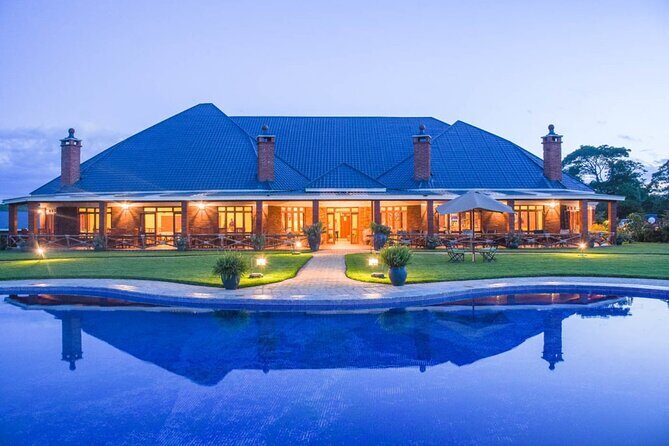
Ngorongoro is one of those places where the views already feel like part of the animal experience. This itinerary schedules a Ngorongoro Conservation Area day for about 6 hours, with entrance included.
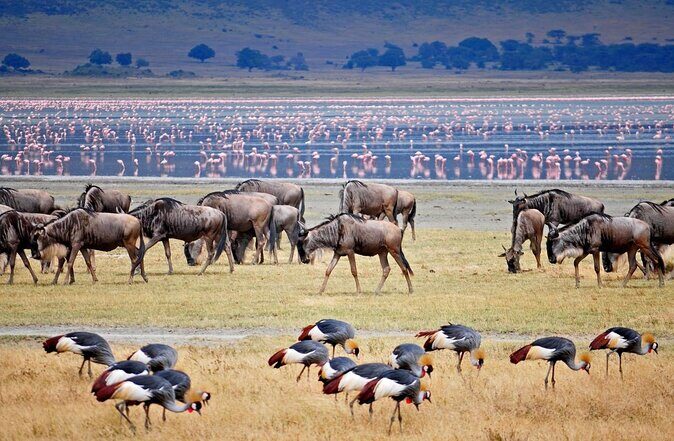
The big draw here is the combination of breathtaking landscapes and high animal wealth. The crater setting tends to concentrate sightings, which is why this is a “main parks” anchor for so many safaris. It’s also why guide skill matters: when the driver knows where to look and when to pause, you get more than passing glances.
You should expect:
- Driving and positioning for sighting opportunities
- Time spent with animals at the sort of distance where binoculars help
- A strong focus on viewing rather than hustling
If you’re hunting for a “wow” moment, this is the day where the vibe usually clicks. One practical consideration: crater days can feel intense. You’ll want water, sun protection, and a flexible mindset about timing.
A few more Arusha tours and experiences worth a look
Serengeti for migration vibes: the big-ticket day
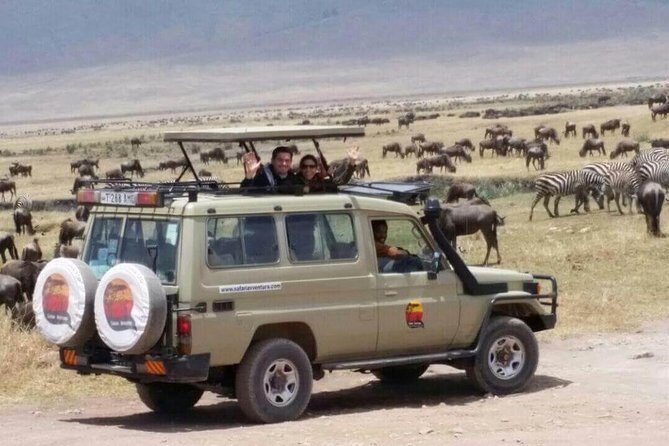
Serengeti is the headline for many people, and this safari schedules it as two substantial days: one centered on migration at Serengeti National Park, and another focused on Serengeti Hippo Pool.
The migration day is listed at about 12 hours. Even if you don’t obsess over migration calendar specifics, this is still valuable because it’s designed around Serengeti’s reputation for mass movement and dramatic wildlife viewing. Migration also changes how the plains feel. It’s not just animals scattered around—it’s a sense of motion and timing.
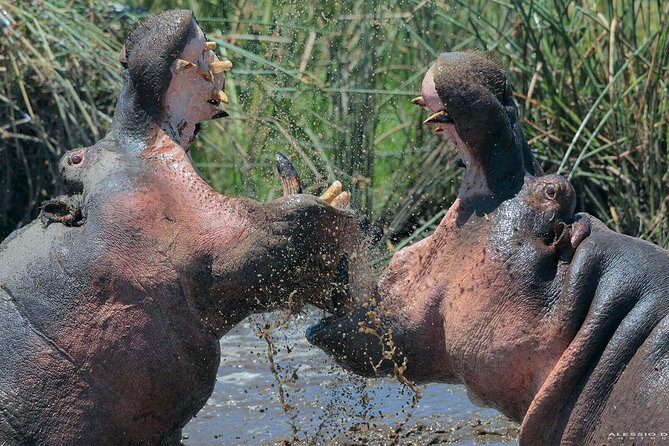
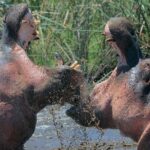
The hippo pool day is another 12 hours. Expect animal viewing centered around the water habitat. Hippos are the kind of animals that reward patience: they don’t always perform on demand, but when you’re in the right place, the activity can be extremely watchable.
Practical tip: on Serengeti days, set expectations for “watching” more than “chasing.” The best moments often come from staying with a spot long enough for behavior to unfold.
Tarangire: photo-safari energy and a nice rhythm change
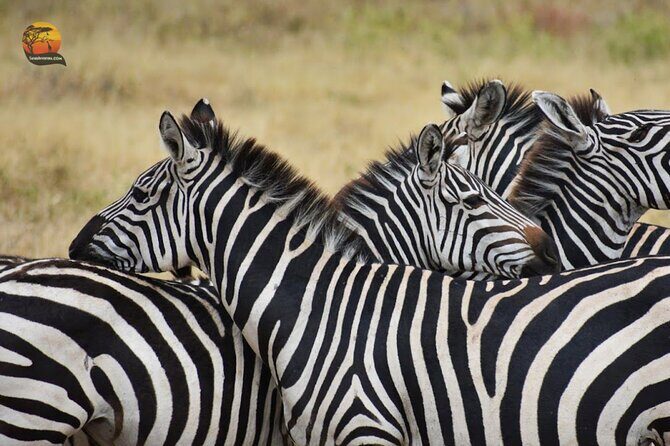
Tarangire National Park is your final major wildlife stop. It’s listed as about 12 hours, and the listing calls it the most popular destination for suggestive photo safaris.
That phrasing is useful. It hints at what you’ll feel on the ground: strong “picture moment” scenery, animals at angles that look good from a vehicle window, and plenty of opportunities for your camera to earn its weight.
This day also works as a rhythm change after Serengeti and Ngorongoro. Instead of being crater-focused or plains-focused, Tarangire tends to feel more like a varied stage—good for mixing types of sightings across the day.
If you’re the type who loves wildlife photos, this is the day you’ll enjoy the most without needing to be a professional photographer.
Food and stays: full board keeps your head clear
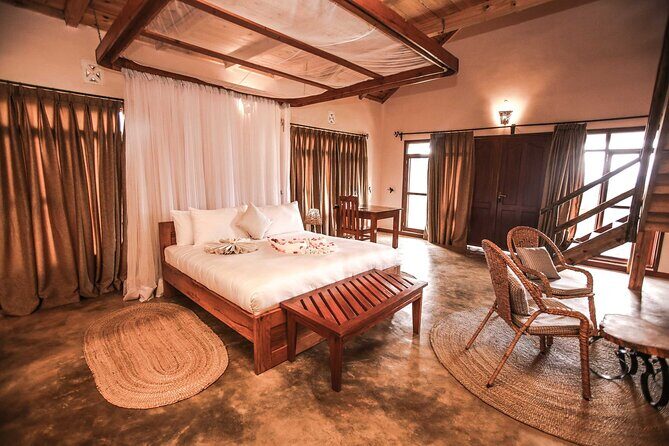
This trip includes full board in lodges, hotels, and tented camps, with lunches (7), breakfasts (7), and dinners (6). Drinks during meals are excluded, so you’ll pay for sodas and alcohol separately at the lodge or camp.
I’m a big fan of full board on safari because it reduces decision fatigue. When the day ends late, the last thing you want is to search for food or negotiate dinner options. With this setup, you show up, eat, and sleep.
One more practical detail: the daily schedule is long enough that meals can feel like part of your survival strategy. If you know drinks aren’t included, it helps to budget a bit for water and anything you like with dinner.
Guides and the real value of getting it right
This experience lives or dies on the guide-driver team. Across the guidance names associated with this operator—Elias Muro, Mirambo, Issa, Calvin Jonatan, Peter Aron Makongo, and Christian—there’s a consistent theme: people value knowledgeable spotting, calm driving, and helpful explanations.
You’ll feel that in small moments:
- When the driver pauses at the right time
- When the guide points out what to look for beyond “there’s an animal”
- When the Jeep is positioned well, so you’re not craning awkwardly while trying to see
There’s also a noticeable theme in how guides manage the day around what you want to see. Some people specifically noted pacing that didn’t feel like a rigid clock, which matters on safari where every drive is slightly different.
If you book, pay attention to who’s assigned to you, and take advantage of your guide’s input—ask questions at stops, and listen when they explain animal behavior or habitat.
Price reality check: $3,000 and what you’re actually paying for
At $3,000 per person, this isn’t a budget safari. But it’s not just “a seat in a vehicle,” either.
From the included items, you’re getting:
- Airport transfers (pickup and drop-off)
- Park entrance fees
- A professional guided tour
- Use of the Jeep
- Full board during the trip
- AMREF Flying Doctors Health Insurance
- Snacking/drinks support while on safari (cold drinks and snacks via the Jeep fridge)
When you compare safaris, the hidden cost is usually the add-ons: entrances, vehicle time, guide services, and food. Here those basics are handled. That makes this a more predictable value than deals that look cheaper but quietly charge for core pieces later.
What’s not included is also clear:
- Tanzania entry visa (listed as USD 50 per person)
- Air flights
- Drinks during meals at your accommodations
So the value equation depends on your travel style. If you want everything handled end-to-end—especially in multiple parks—this price can make sense. If you’re trying to squeeze every dollar and plan everything yourself, you might find cheaper ways to move around, but you’ll give up convenience.
Mobile ticket, timing, and the small logistics that shape your trip
You’ll get a mobile ticket, and confirmation is received within 48 hours of booking, subject to availability. The experience runs Monday through Sunday during the given availability window, with opening hours listed as 7:00 AM to 11:00 PM.
In plain terms: your main schedule is built around park time, not around a city bus schedule. You don’t need to think about every transfer detail because the trip is set up around the safari flow.
One more practical consideration: the tour notes say it’s near public transportation, and most travelers can participate. If you have mobility constraints, the itinerary’s long days and vehicle time matter—but nothing in the provided data lays out specific accessibility details.
Should you book this Tanzania safari?
Book it if you want:
- A well-known northern Tanzania park circuit in one guided package
- A small group (max 6) with a proper safari Jeep setup
- Full board so you can focus on wildlife and sleep at night
- A guide team that many people describe as organized and attentive
Skip it (or at least think hard) if:
- You hate long days (several listed around 12 hours)
- You expect drinks during meals to be included
- You’re strictly budget-minded and want to avoid the all-in structure
If your goal is simple—see major northern parks with minimal planning stress—this is a solid choice. And if you care about guide quality, it’s exactly the kind of trip where paying for guidance is worth it.
FAQ
What parks are included in this 7-day safari?
You’ll visit Lake Manyara National Park, Ngorongoro Conservation Area (including the crater), Serengeti National Park (including migration-focused time and a Serengeti hippo pool day), and Tarangire National Park. You’ll also have Arusha Village Experience time at the start and Arusha market time at the end.
What is included in the $3,000 per person price?
The package includes airport transfers, air-conditioned vehicle/Jeep use, entrance fees to the parks, professional guided tours, full board at lodges/hotels/tented camps (excluding drinks during meals), AMREF Flying Doctors health insurance, and meals listed as breakfast (7), lunch (7), and dinner (6).
Is the Tanzania entry visa included?
No. The tour data states the Tanzania entry visa is USD 50 per person and is not included.
How many people are in the group, and what vehicle setup do you use?
The safari is capped at maximum 6 travelers. It uses a comfortable Jeep/vehicle with power sockets, a fridge with cold drinks, snacks, and binoculars included.
Are drinks included with meals?
No. Drinks during meals are excluded, even though full board (breakfast, lunch, and dinner) is included.
What’s the cancellation policy if I need to change plans?
You can cancel up to 6 days in advance for a full refund. Canceling 2–6 days before start time gives a 50% refund, and canceling less than 2 days before start time is not refunded.