REVIEW · ARUSHA
Tanzania safari with guide in Italian, the great Migration of the Serengeti
Book on Viator →Operated by Safari Crew Tanzania · Bookable on Viator
A safari built around the Great Migration is always a gamble.
This one is still compelling because you mix the classic parks with real Migration timing and then add the less-famous Lake Natron side of the Rift Valley. I especially like the small-group setup (max 6) with a guide who speaks Italian, because it makes the long days feel focused instead of chaotic.
The itinerary is packed, and that’s the trade-off. You’ll be on the move across big regions, and if you want slow mornings and lots of downtime, this style may feel intense.
In This Review
- Key highlights I think you’ll care about
- Why This 8-Day Serengeti Safari From Arusha Makes Sense
- Day 1: Arrival At Kilimanjaro and Transfer Into Arusha Mode
- Lake Manyara: Dense Forest to Open Savanna, Plus Monkeys Everywhere
- Ngorongoro Crater Game Drive: A Volcanic World With Crowded Wildlife
- Serengeti National Park: The Ecosystem That Makes the Migration Possible
- Mara River Day: The Great Migration’s Northern Chapter
- Lake Natron: Flamingos, Alkaline Water, and a Rift Valley “Moon” Walk
- Oldoinyo Lengai: Where the Sacred Volcano Story Gets Practical
- Tarangire National Park: Baobabs, Elephant Herds, and the Dry-Season Water Magnet
- What You Get With an Italian Guide and a Max-6 Safari Crew
- Price and Value: Is $4,100 Reasonable for This 8-Day Circuit?
- Timing Tips: Migration and Flamingos Are Seasonal, Not Random
- Should You Book This Safari Crew Tanzania Great Migration Tour?
- FAQ
- How many days is this safari?
- What parks and areas are included?
- Is the guide in Italian?
- What is the group size?
- What’s included in the price?
- What’s not included?
- When is the Great Migration most connected to this route?
- What is the cancellation refund timeline?
Key highlights I think you’ll care about
- Max 6 people, 4×4 safari circuit, and a guide in Italian
- Great Migration season logic: northern Serengeti timing tied to July–October
- Ngorongoro Crater game drive in a super concentrated wildlife setting
- Lake Natron walks in a harsh, lunar-feeling setting and flamingo nesting area
- Tarangire elephants + baobabs, with the dry-season river pulling animals in
Why This 8-Day Serengeti Safari From Arusha Makes Sense
You’re not just ticking off parks here. You’re aiming for a moving target, the Great Serengeti Migration, and then building the rest of the trip around what makes that movement likely and visible during the right months.
I like that the trip keeps you in the northern part of the Serengeti ecosystem where the Migration’s timing is most relevant (between July and October). And because it’s a small group, your guide can work the rhythm of game drives without feeling like you’re always negotiating space, viewpoints, or time.
One consideration: you’ll cover a lot in 8 days. That’s great if you want big variety—less great if you want long, restful hotel time.
You can also read our reviews of more guided tours in Arusha
Day 1: Arrival At Kilimanjaro and Transfer Into Arusha Mode
Your day starts with arrival at either Kilimanjaro International Airport or Arusha Airport, plus help with entry formalities and a transfer to Arusha. It’s a smart first step because you get your footing quickly: you’re not hunting for logistics after a flight.
The tour also includes transfers as part of the package, so you’re less likely to get stuck in that awkward first-night scramble. You’ll spend Day 1 focused on resetting and getting ready for what comes next.
Lake Manyara: Dense Forest to Open Savanna, Plus Monkeys Everywhere
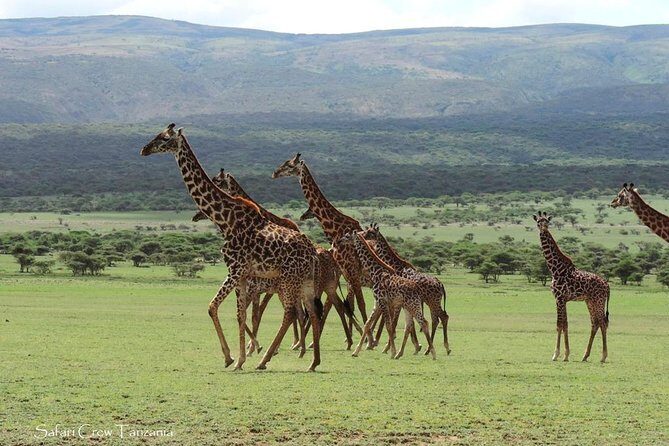
Lake Manyara is small compared to some parks, but it delivers variety fast. You’re under the Rift Valley escarpment, and the park shifts from forest zones fueled by resurgences to savannas and marshy lake edges.
What I’d expect you to enjoy most is how alive the place feels even before you find predators. The park is known for large baboon groups and other monkey species, plus major mammals like elephants and giraffes. And if you travel in the right season, Lake Manyara can also be a flamingo stop: large flocks are said to live there from December to March, before shifting elsewhere.
A practical drawback: Manyara can be a mix of conditions, from forest shade to open sun. You’ll want to be ready for fast changes—camera batteries, water, and sunscreen habits matter.
Ngorongoro Crater Game Drive: A Volcanic World With Crowded Wildlife
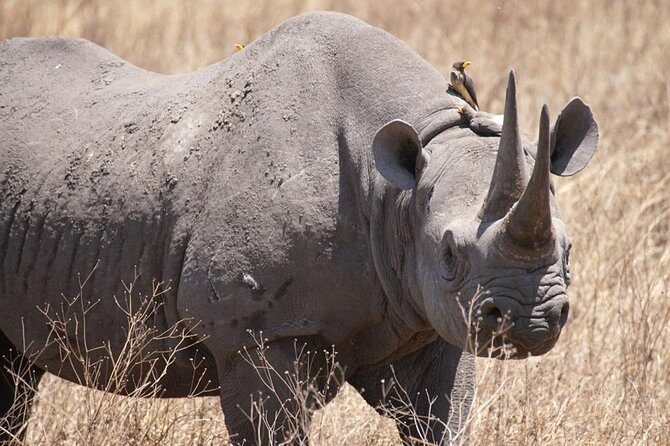
Ngorongoro Crater is the kind of place where “one drive” can feel like a whole safari movie. The crater is the collapsed top of an ancient volcano, leaving a caldera where savannah developed. The edge sits high (about 2,300 meters), and the crater floor holds a big concentration of animals.
The most useful detail for your expectations: the crater is said to host more than 25,000 large animals, and it has the typical species of the region except giraffes, which do not find nourishment there. That means you should be ready for dense sightings of many other species, and you won’t spend your time waiting for giraffes that simply aren’t part of this particular system.
Also, this is the sort of stop where timing and guiding style matter. You’re in a confined area, and an Italian-speaking guide can help you interpret what you’re seeing on the ground, not just describe it.
Serengeti National Park: The Ecosystem That Makes the Migration Possible
The Serengeti isn’t described as a single “spot.” It’s an ecosystem, and the tour leans into that. You’ll be out in Serengeti National Park with game drives that aim at both predators and the broader food web that supports the Migration.
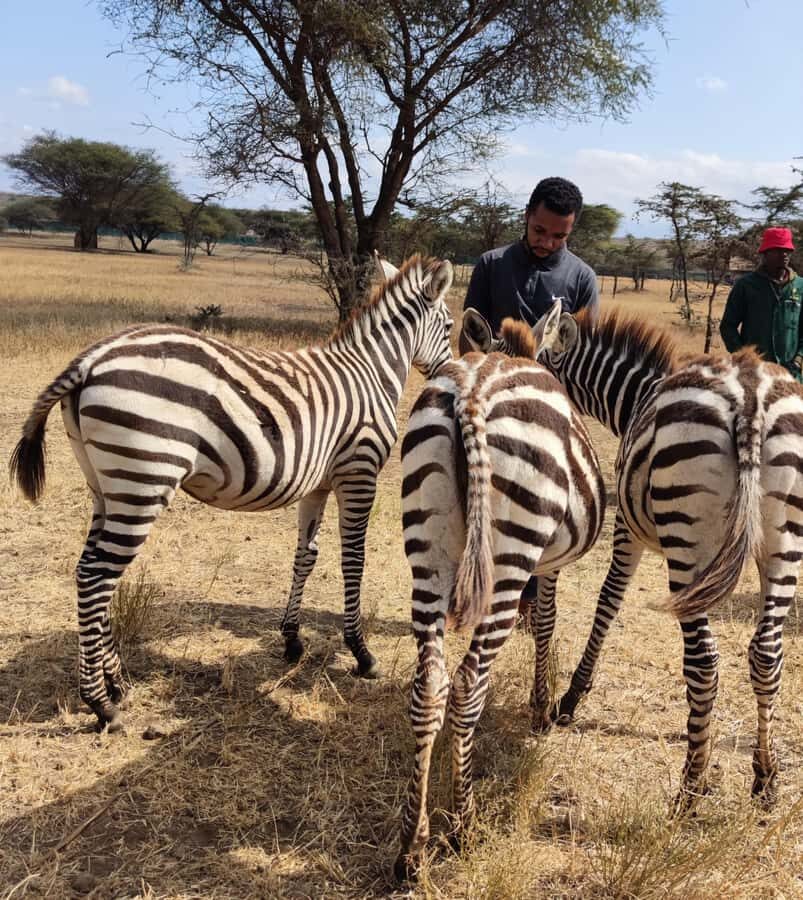
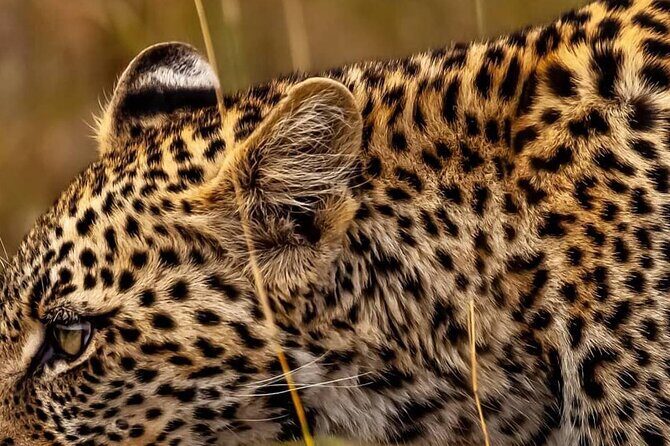
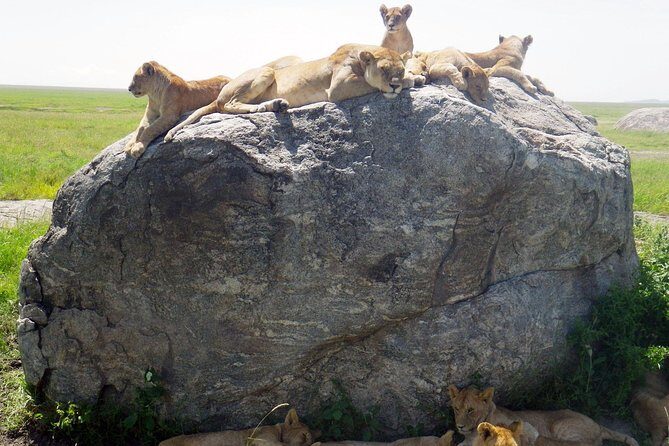
The numbers given are big enough to set your expectations: the Serengeti ecosystem is described as home to around 1.5 million wildebeest, 300,000 zebras, hundreds of thousands of Thomson’s gazelles, plus large predator populations (lions, leopards, cheetahs). You’ll also find crocodiles and hippos along waterways, and lots of birds (the park is described with 400+ bird species).
What I like here is that you’re not only chasing wildebeest. Even on days focused on Migration timing, the Serengeti payoff includes predator behavior, birdlife, and the constant movement of herds across terrain.
One consideration: you can’t guarantee a specific crossing moment every time. The best approach is to accept the day’s rhythm—your guide’s job is to position you for the best action available.
A few more Arusha tours and experiences worth a look
Mara River Day: The Great Migration’s Northern Chapter
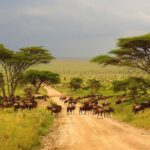
This is the day the whole trip is built around. The Migration described here affects the northern sector of the Serengeti between July and October, and the itinerary puts you at Mara River.
Why Mara River matters: it’s one of the places associated with dramatic movement when herds are pushing toward water and pasture. You’re basically timing the story arc—seeing herds in motion, then trying to catch the moments when the river becomes the obstacle and the turning point.
What you should understand before you go: you’re aiming at wildlife behavior, not a staged event. Even in the right season, the exact timing of any crossing is dependent on conditions. The value of this operator choice is that they structure the trip so you’re not missing the Migration window through bad scheduling.
Lake Natron: Flamingos, Alkaline Water, and a Rift Valley “Moon” Walk
Leaving the northern Serengeti leads you into the Lake Natron region. Lake Natron is described as strongly alkaline, set in a rugged Rift Valley depression in a lava-desert area. The key wildlife hook is flamingos: the lake is described as a nesting area for millions of pink flamingos, especially during June to October, when the waters are rich in cyanobacteria they feed on.
This is one of the reasons I think the itinerary feels more than just “classic parks.” Natron gives you a different Tanzania. It’s harsh, arid, and visually unusual—plus it’s tied to seasonal animal drama.
You also get walking time. There’s an excursion on foot to the shores of Lake Natron through rugged, almost lunar-looking terrain. That’s not a casual stroll. You’re moving in a landscape that looks and feels tough, so bring a mindset for uneven ground and heat.
Oldoinyo Lengai: Where the Sacred Volcano Story Gets Practical
Oldoinyo Lengai is described as sacred to the Maasai, with the home of God Leng’ai in their tradition. It’s also noted as the only volcano in the world to emit natro-carbonatitic lava. The tour data also makes one very important adjustment: since eruptions in December 2007 / January 2008, trekking to the top is no longer organized because a once-passable path is gone and the climb is harder.
Translation for you: don’t book this hoping for a summit hike. You’ll still get an afternoon excursion on foot in the area, but it’s set up as a safer, more realistic option.
Tarangire National Park: Baobabs, Elephant Herds, and the Dry-Season Water Magnet
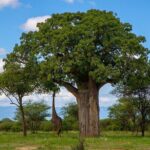
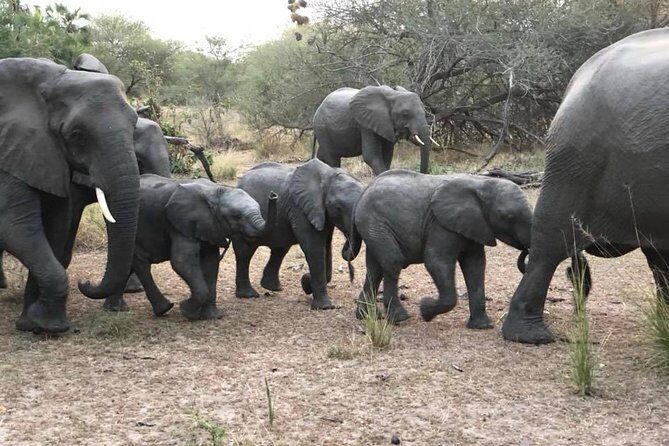
Tarangire is a different world from Serengeti. It’s described as the park of the giants—big baobabs and large elephant herds—plus lions, leopards, and many types of antelope and birds. The park is also described as having one of the highest concentrations in Tanzania, and a major reason is water.
The Tarangire River becomes the hub in the dry season, and it’s also linked with the Silale Marsh as another key water source. When water pulls animals in, you get the kind of repeated sightings that make a safari feel rewarding rather than random.
In this itinerary, Tarangire gets both afternoon and early-morning attention. Early drives typically pay off because animals are active and the light helps your photos. Even if you don’t care about photography, it’s still the best chance for closer looks at behavior—feeding, drinking, social dynamics inside herds.
A small consideration: Tarangire is not built the same way as crater or Migration country. You’re trading the river-crossing spectacle for steady wildlife density and iconic tree-and-bush scenery.
What You Get With an Italian Guide and a Max-6 Safari Crew
The best part of a small group is not comfort alone. It’s decision-making. When there are only up to 6 participants, the guide can adjust the plan faster based on animal movement, road conditions, and the day’s weather.
A big plus here is that your guide works in Italian. That matters more than people think on safari, because you’re learning why animals behave the way they do: why predators are positioned where they are, why herds are moving, and why water sources change everything.
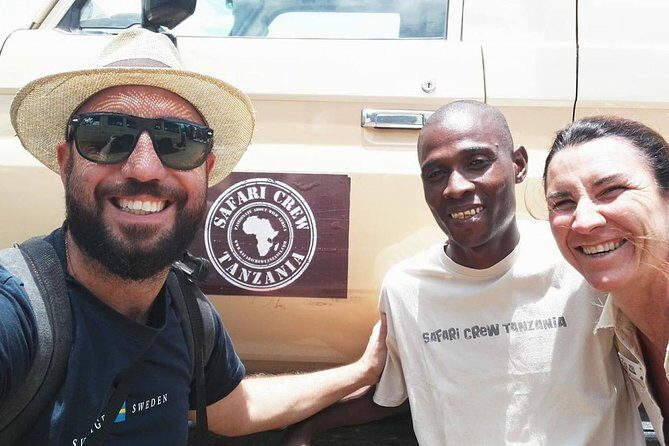
In the travel stories associated with Safari Crew Tanzania, I’ve seen multiple Italian-speaking guides named (like Jo, Naftal, Kahim, Omari, Martini, and Mussa). You shouldn’t assume you’ll get the same person, but it does suggest the operator values language compatibility, not just driving skills.
If you value strong communication and an interpretive approach, this is a good match.
Price and Value: Is $4,100 Reasonable for This 8-Day Circuit?
At $4,100 per person for roughly 8 days, you’re paying for a high-cost destination plus real park access. What makes this number easier to justify is what’s included:
Included items include a safari circuit in 4×4, full board (breakfast, lunches, dinners), park fees, transfers, AMREF insurance, and water on board. Those pieces add up fast on Tanzania safaris, especially when you’re jumping between several parks and conservation areas.
What’s not included is also clear: international and local flights, visa, lodge drinks, and personal extras. So the “true” trip cost will depend on how you handle your international flights and what you plan to buy on-site.
My advice: budget carefully for what’s not included, then treat the base price as covering the core safari work—vehicles, guides, parks, and meals. If you compare that to DIY travel, you’re also paying for time saved and a smoother route.
Timing Tips: Migration and Flamingos Are Seasonal, Not Random
This itinerary is designed around seasonal animal movement, so your month matters.
- Great Migration timing is tied to July–October for the northern Serengeti sector.
- Lake Manyara flamingos are tied to December–March.
- Lake Natron flamingos are tied to June–October.
So if you’re traveling in the sweet spot for Migration (roughly July through October), you get a double seasonal bonus: Migration positioning in Serengeti plus flamingo nesting activity at Natron. Travel outside that window, and your sightings still can be excellent, but you won’t be aiming at the same peak events.
Should You Book This Safari Crew Tanzania Great Migration Tour?
I think you should book if:
- you want a serious Great Migration-focused plan with northern Serengeti timing
- you prefer a max-6 small-group feel
- Italian guidance is a priority for you, not just a nice-to-have
- you like variety: Serengeti + crater + Manyara + Tarangire plus the Natron Rift Valley angle
You might think twice if:
- you want a slower pace and lots of downtime
- you’re hoping for a volcano summit trek at Oldoinyo Lengai (this is not offered after the 2007/2008 conditions)
- you’re trying to squeeze this in at a month that doesn’t match Migration or Natron flamingo season
If you’re booking for the Migration itself, the route’s logic is strong. You’re not just hoping. You’re showing up when the system is moving.
FAQ
How many days is this safari?
The tour is listed as 8 days (approximately).
What parks and areas are included?
The experience includes Lake Manyara, Ngorongoro Crater, Serengeti (including the Mara River area), Lake Natron, Ol Doinyo Lengai area (excursions on foot), and Tarangire National Park.
Is the guide in Italian?
Yes. The safari is run as a small group with a guide who speaks Italian.
What is the group size?
The tour specifies a maximum of 6 travelers.
What’s included in the price?
Included items are listed as 4×4 safari circuit, full board, park fees, transfers, AMREF insurance, and water on board, plus all fees and taxes.
What’s not included?
Not included are international and local flights, the entry visa, lodge drinks, and personal extras.
When is the Great Migration most connected to this route?
The Great Migration is described as affecting the northern sector of the Serengeti between July and October.
What is the cancellation refund timeline?
You can cancel up to 6 days in advance for a full refund. A 50% refund applies if you cancel 2–6 days before the start time, and there is no refund if you cancel less than 2 days before the start time.
If you want, tell me your travel month and your comfort level with long drives and walking, and I’ll help you sanity-check whether the Migration and Natron timing will line up for your dates.