REVIEW · ARUSHA
4 Days Mount Meru Trekking
Book on Viator →Operated by Rupia Adventure · Bookable on Viator
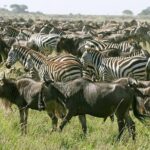
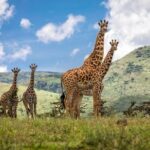
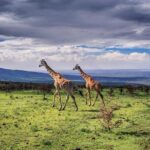
Mount Meru turns a simple trek into a safari-plus-summit day. You leave Arusha National Park through Momella Gate, walk with an armed park ranger, and work your way to the crater rim toward Socialist Peak with classic Tanzania wildlife like giraffes and buffaloes.
I especially like the fact that the trip packs in the essentials—park fees, meals, and transfers—so you’re not playing guess-the-cost at the last moment. And the human side matters: guides such as Gideon and Emmanuel are described as professional and attentive, with strong first-aid readiness and clear mountain know-how.
The main thing to consider is comfort. The overnight huts can be basic, cold, and dark, so if you’re expecting a cushy lodge stay, you’ll want to adjust your expectations.
In This Review
- Key highlights that make this Mt. Meru trek work
- Why Mount Meru feels different from a typical 4-day hike
- Day 1: Momella Gate, Maio Falls, fig tree arch, and Miriakamba Hut
- Day 2: Wooden steps to Mgongo wa Tembo (Elephant Back) and Saddle Hut
- Day 3: Headlamp climb to Rhino Point and Socialist Peak at sunrise
- Day 4: Northern route descent to Momella Gate with wildlife chances
- Guides, ranger safety, and the small-group ceiling (max 4)
- Price and what $1,000 actually covers for a 4-day trek
- Meals on the mountain: included, but plan for summit-day fuel
- Huts and comfort: realistic expectations for Miriakamba and Saddle
- What to pack for altitude and night summit conditions
- Pace, difficulty, and who should take this plan
- Weather reality: why good conditions matter for the summit plan
- Should you book this 4-day Mt. Meru trek?
- FAQ
- What time does the trek start?
- Does the tour include pickup and transfers?
- Is an armed ranger included?
- Are meals and park fees included?
- Where do you stay overnight during the trek?
- How many people are in the group?
- What happens if the weather is poor?
Key highlights that make this Mt. Meru trek work
- Arusha National Park starts your day: wildlife sightings can happen right from the grasslands near Momella Gate
- Armed ranger supervision: added security as you move through protected park areas
- Well-timed overnight stops: Miriakamba Hut and Saddle Hut set you up for the summit push
- Socialist Peak at sunrise timing: the summit day is planned for an early start and a big payoff
- Meals and park fees included: fewer surprises in your budget
- Small group size: up to 4 travelers, which often means less crowding on the trail
Why Mount Meru feels different from a typical 4-day hike
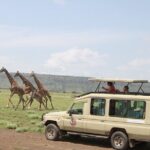
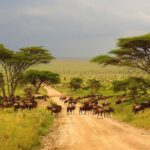
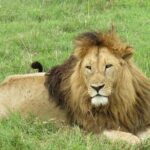
Mt. Meru sits close enough to Arusha that your trek starts with park-country scenery, not just a trail head and silence. You drive into Arusha National Park, sort out formalities at Momella Gate, and then immediately transition into walking country where giraffes, buffaloes, and monkeys can show up while you’re still fresh.
Then the mountain changes the whole vibe. Day by day you shift from open grasslands into rainforest-like conditions, then on to heather and moorland, and finally into volcanic ash and rocky crater edges. That mix is part of why this route works so well for active travelers: it’s not only about reaching the top, it’s about moving through different “worlds” without needing extra travel days.
You can also read our reviews of more hiking tours in Arusha
Day 1: Momella Gate, Maio Falls, fig tree arch, and Miriakamba Hut
Your day starts with pickup from your Arusha hotel and a scenic drive through Arusha National Park. You’ll reach Momella Gate, handle park formalities, and begin hiking with an armed park ranger for the walk onward.
Early on, you can get lucky with wildlife right on the trail. One reason I like this first day is that it doesn’t feel like you’re just marching uphill. You’ll walk through open grasslands, with a real chance of spotting giraffes and buffaloes, then you settle into a steady rhythm toward Maio Falls.
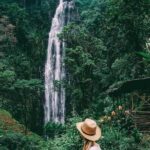
At Maio Falls, the plan includes a rest stop with a picnic. It’s a simple moment, but it matters because day one is where trekkers often underestimate how quickly altitude work can add fatigue. After that, you continue toward the well-known fig tree arch area, then reach Miriakamba Hut for afternoon tea and snacks.
Overnight here is part of the “real trek” feeling. It’s not a hotel night with room service, but it is a practical setup so you’re not rushing day two. If you’re sensitive to cold, remember that higher spots get cooler fast, even before you reach the summit altitude.
Day 2: Wooden steps to Mgongo wa Tembo (Elephant Back) and Saddle Hut
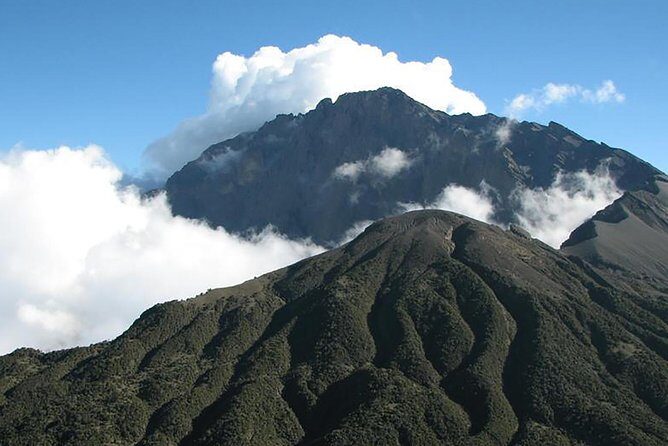
Day two pushes you into a steeper feel. You follow wooden steps up a track that’s described as steep, and the air tends to feel cooler than the previous day because you’re gaining altitude.
The walking can feel easier for some people not because it’s flat, but because your body is settling into the climb rhythm. A big mental win is reaching a known viewpoint: after about two hours, you reach Mgongo wa Tembo, also called Elephant Back, at around 3,200 m.
From there, you get a break and the terrain starts changing in a noticeable way. Vegetation shifts from rainforest conditions into heather and moorland, and that change is more than scenery—it affects how the hike feels underfoot and how your breathing handles the thin air.
You’ll continue up to Saddle Hut (about 3,550 m) around midday. If you want extra effort, there’s an optional hike toward Little Meru (about 3,820 m). Even if you skip it, day two is already your body’s checkpoint: you learn how your legs and lungs handle altitude before the night-summit day.
Day 3: Headlamp climb to Rhino Point and Socialist Peak at sunrise
This is the day most people plan their whole trip around. You leave camp at night with a small snack and tea, and you use headlamps to move along the trail.
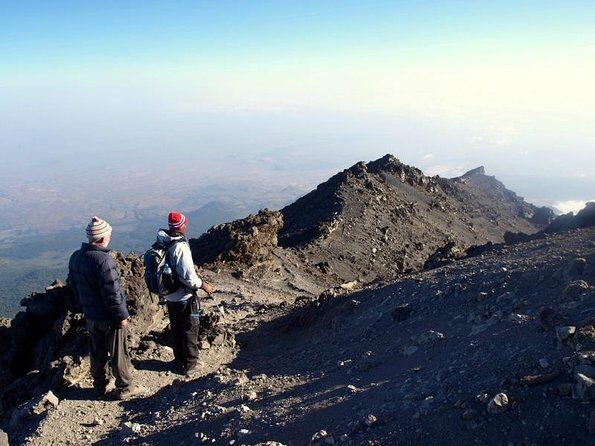
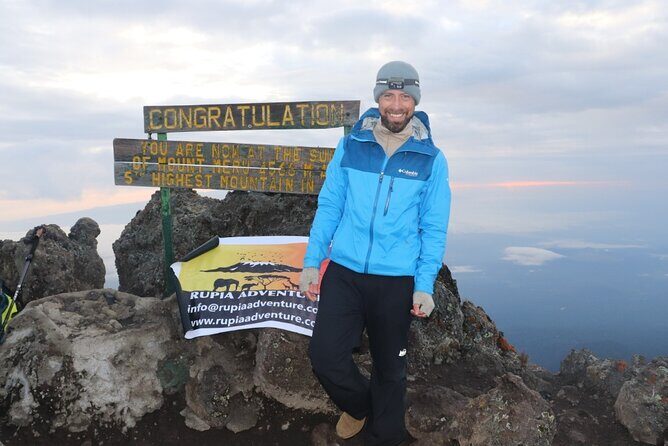
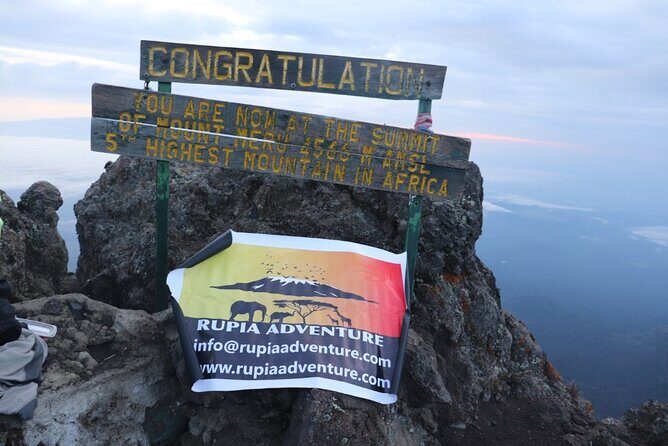
You follow the route through bush land toward Rhino Point (around 3,821 m). After Rhino Point, the hike becomes more demanding. The trail can require climbing at times, and you’re dealing with volcanic ash, rocks, and gravel as you work your way along the crater rim.
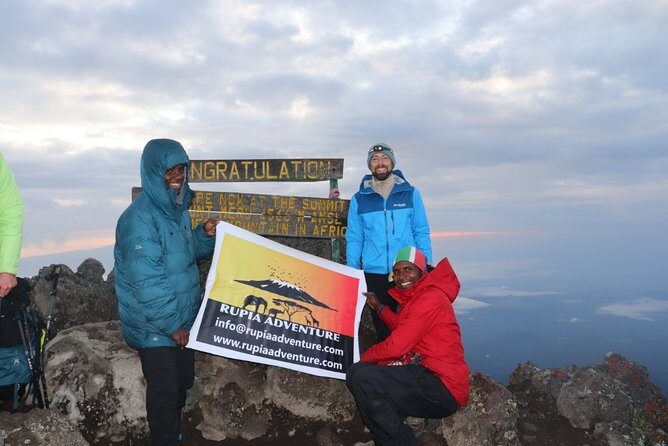
One thing I respect about this plan is that it doesn’t pretend it’s easy. You’re told to expect about 4 to 5 hours from the crater-rim segment to reach the summit, Socialist Peak. That time window matters for planning your energy and for keeping group pace steady.
Then comes the payoff: the sunrise view across toward Kilimanjaro, plus the crater view of Mt. Meru itself. You’ll see steep sides and an ash cone in the middle. Coming down, you follow the same route back to Saddle Hut for a break—smart, because your legs have already spent their big altitude budget for the day.
If you’re choosing gear for this trek, prioritize warm layers and comfort at night. This is not the time to think you can tough it out with one thin layer.
Day 4: Northern route descent to Momella Gate with wildlife chances
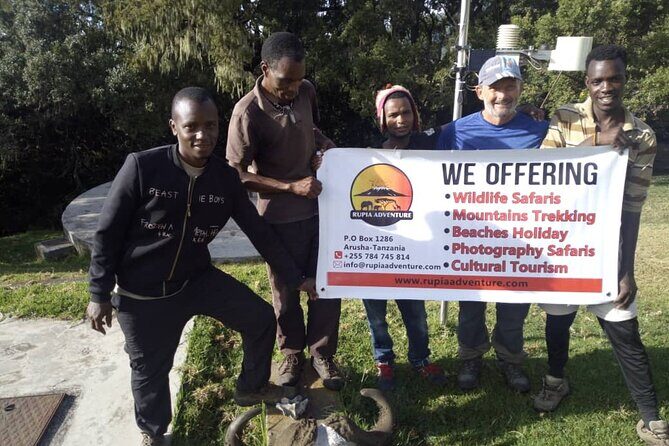
You start with breakfast at Saddle Hut, then shift into descent mode. Day four follows the northern route back to Momella Gate, usually taking about 2 to 3 hours on foot.
The descent is shorter than the climb, but it still has enough slope to feel in your knees and ankles. Expect a classic “legs learn new muscles” feeling near the end, especially if you have weak downhill technique.
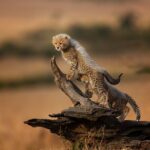
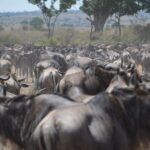
Wildlife sightings are still possible on the way down. You might see elephants and buffaloes, along with giraffes and black-and-white colobus monkeys near the gate area. That’s a nice reminder that you’re in protected park country, not just a mountain trail.
At Momella Gate, you say farewell to your hiking crew, then your driver returns you toward Aquiline Hotel for an achievement meal feel and a night in town.
A few more Arusha tours and experiences worth a look
Guides, ranger safety, and the small-group ceiling (max 4)
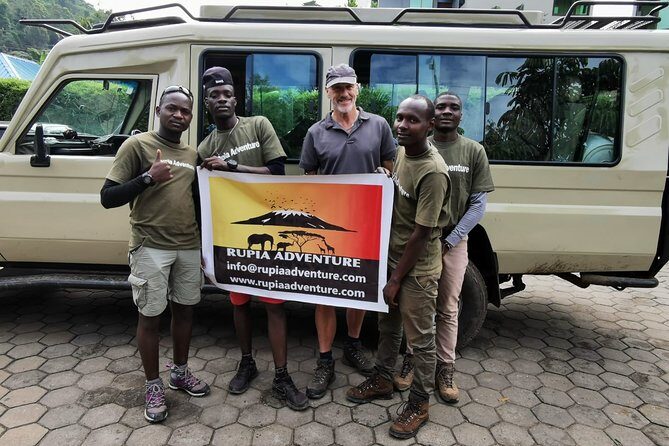
This trek runs with a structured safety setup, and it’s one of the strongest reasons the experience earns such high recommendations. You don’t hike alone: you’re supervised by an armed park ranger. That matters on a route that involves night travel, volcanic terrain, and a summit goal.
The guide team also gets a lot of credit in the descriptions you’ll hear. People name guides like Gideon, Emmanuel, Laurent, Frank, and Maziku as helpful, careful, and professional. A recurring theme is that guides keep you moving at a pace that matches the group, and they’re ready for first-aid needs.
There’s also the small group size: a maximum of 4 travelers. That usually makes a difference on a trail like this. You spend less time stuck behind a bottleneck, and you’re more likely to get real attention when someone needs a slower pace.
Price and what $1,000 actually covers for a 4-day trek
At $1,000 per person, the question isn’t only whether the number feels high or low. It’s what you’re buying for those four days.
Here’s what’s explicitly included:
- Pickup offered in Arusha
- Mobile ticket
- Transfers tied to the tour plan
- Park fees
- Meals during the trek
- Overnight stops in lodges/huts along the route
- Armed park ranger supervision
When you add those pieces up, the price starts to feel less like “just a guide,” and more like a fully managed mountain operation inside a national park. Also note that the trek is scheduled and booked well ahead—on average about 55 days—which often signals steady demand and helps the operator plan staffing and timing.
Two extra value signals from the descriptions you’ll encounter: equipment may be provided by the team, and cooks are mentioned as delivering good food. One account even notes vegetarian meals and gluten-free support with advance requests.
Still, budget for the mountain reality. Your biggest “extra cost” may be personal comfort items (warm layers, extra snacks, and any add-ons you decide you need once you see conditions).
Meals on the mountain: included, but plan for summit-day fuel
Meals are included, and the food is repeatedly called out as delicious. That’s a real deal for Mt. Meru, where you’re moving for hours and altitude makes eating more important than you might think.
The practical issue is that summit-day fuel can be light. One trekker recommended bringing your own food for the summit day because breakfast is minimal. I’d treat that as a smart gear-and-energy tip, not a criticism.
Here’s how to handle it:
- Expect the provided meals to be enough for the program, since the trek is planned that way.
- But bring extra calorie snacks for early-morning work—things you can eat quickly while still warm.
Also remember that you may have dietary needs. If you want vegetarian or gluten-free meals, you should tell the operator clearly in advance so they can prepare.
Huts and comfort: realistic expectations for Miriakamba and Saddle
This trek includes overnight stays at Miriakamba Hut (day one) and Saddle Hut (days two and three night base). Comfort is functional, not luxury.
Some accounts describe huts as basic, cold, and dark. That lines up with what you’d expect at these elevations and in protected trekking zones. So you should treat warmth and dryness as your job.
Bring or plan for:
- Warm sleep layers (not just a jacket you wear outside)
- Something to keep your head and hands comfortable in cold conditions
- A willingness to prioritize sleep over spa vibes
If you’re someone who needs bright rooms and hot showers to recharge, you’ll likely feel the tradeoff. If you’re on a mission for the summit and the views, the huts are part of the bargain.
What to pack for altitude and night summit conditions
The trek includes a night climb with headlamps, so I’d plan your lighting and warmth as if you’ll use them a lot. Even with good organization, you’ll feel the mountain in your fingers and toes, especially after the sun drops.
Packing essentials based on the trek’s conditions:
- Layering system for cold at altitude (daytime warm-up, night chill)
- Headlamp (since the trek uses headlamps on summit night)
- Sturdy boots with good grip for volcanic ash/rocky sections
- A small daypack for snacks and warm gear access
- Extra high-energy snacks for summit-day timing
If you bring trekking poles, you can use them for the descent work on day four. You’re going downhill for hours, and that’s where knees complain first.
Pace, difficulty, and who should take this plan
Mt. Meru is not a stroll. Day three involves a night start, steep sections, and volcanic terrain along the crater rim. Day two includes steep wooden steps and high-altitude walking at around 3,200 m and 3,550 m.
That said, the trek is described as suitable for most travelers. In practice, what matters most is whether you can walk uphill for multiple days and handle a summit morning that starts cold and dark.
This trip fits you if:
- You want a 4-day active challenge without a week-long commitment
- You like structured guiding and clear checkpoints (Miriakamba Hut, Saddle Hut, summit day)
- You want a safety-first approach with an armed ranger
It’s less ideal if you need consistent comfort, or if you struggle with uphill walking and night physical effort.
Weather reality: why good conditions matter for the summit plan
This trek requires good weather. If conditions are poor, you’ll be offered a different date or a full refund.
You can’t control clouds and visibility on Mt. Meru, but you can control your readiness. Pack for cold, bring warm layers, and keep your schedule flexible. Even when you miss perfect summit-day skies, the crater views and the experience of reaching the top are still the point of the climb.
Should you book this 4-day Mt. Meru trek?
I’d book it if you want a well-run, safety-supported climb that includes key costs upfront—park fees, meals, and transfers—and you like the idea of a small group on a classic Tanzania route.
I’d think twice if you expect hotel-grade comfort at night. If cold, basic huts feel like a dealbreaker, you may find the overnight setup challenging. And if you’re very sensitive to food timing on summit morning, plan to bring extra fuel even though meals are included.
If you want the best chance of a smooth experience, do two things: bring warm gear for Saddle Hut conditions, and plan snack support for the early summit push. With that, this trek delivers a lot of mountain for your time in Tanzania.
FAQ
What time does the trek start?
The experience starts at 9:00 am, with collection from your Arusha hotel.
Does the tour include pickup and transfers?
Yes. Pickup is offered, and the tour includes transfers tied to the trek plan.
Is an armed ranger included?
Yes. You hike under the protective supervision of an armed park ranger.
Are meals and park fees included?
Yes. Meals and park fees are included in the price.
Where do you stay overnight during the trek?
You spend nights at lodges/huts along the route, including Miriakamba Hut and Saddle Hut.
How many people are in the group?
The tour has a maximum of 4 travelers.
What happens if the weather is poor?
This experience requires good weather. If it’s canceled due to poor weather, you’ll be offered a different date or a full refund.