REVIEW · KILIMANJARO
6 Day Kilimanjaro Climbing Via Marangu Route
Book on Viator →Operated by Spirit of Kilimanjaro · Bookable on Viator
Kilimanjaro is a climb that feels both huge and oddly personal. This 6-day-style trek via the Marangu Route mixes rainforest walking with high-altitude huts, then aims for Uhuru Peak just before sunrise. I like how the plan is built around clear altitude steps (Mandara Hut to Horombo to Kibo), and I also like that you get a full package: guide, meals, and even a sleeping bag so you start focused. One thing to consider: the summit morning is physically and mentally hard, and the route description even signals that pacing and hydration really matter.
What makes this experience interesting is the contrast. You start near sea-level warmth in Kilimanjaro National Park, then move through heathland and alpine desert into the cold zone where the air thins fast. You’ll also spend most nights in mountain huts, which keeps logistics simpler than fully independent camping.
A big plus, based on real trip stories, is the human side of the climb. People talk about guides like Antipas and Emanuel offering steady support—especially for groups with mixed ages. Still, if you’re the type who hates early starts, that summit push will test your patience.
In This Review
- Key highlights you’ll feel on this Kilimanjaro trek
- Marangu Gate to Mandara Hut: rainforest start at about 2,700m
- Mandara Hut to Horombo Hut: heathland and Mawenzi glimpses
- Horombo to Kibo Hut: alpine desert and the first saddle view
- The sunrise summit push to Uhuru Peak and the descent back down
- Horombo down to Marangu Gate: heath and rainforest, plus certificates
- Guides, porters, and why support matters on Kilimanjaro
- Food, camping comfort, and what’s actually included
- Price and logistics: is $2,196 good value?
- Who this Marangu climb suits best
- Should you book Spirit of Kilimanjaro’s 6-day Marangu climb?
- FAQ
- What route is this Kilimanjaro climb using?
- How many days will I be trekking?
- What time does the experience start, and where do I meet the team?
- Is pickup offered?
- What’s included in the price?
- What if I need to cancel?
Key highlights you’ll feel on this Kilimanjaro trek
- Marangu Route, hut-to-hut trekking with a classic progression through multiple ecological zones
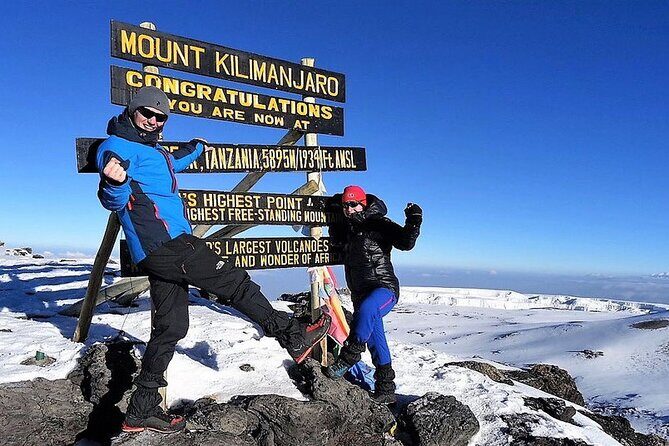
- Early-morning summit strategy with a shot at Uhuru Peak just before sunrise
- Hands-on guide support reported as attentive and confidence-building, even with older climbers
- Signature camping comfort with spacious tents, plus meals that keep energy up
- All fees and taxes included, so your budget is easier to manage up front
Marangu Gate to Mandara Hut: rainforest start at about 2,700m
Your climb begins at the Marangu Gate in Kilimanjaro National Park. After the park formalities, you meet your team—guides and porters—and then step into rainforest walking. This first day is intentionally moderate: it covers about 8 kilometers and is described as relatively easy, which is smart. You get time to sort out your rhythm, your breathing, and how your legs feel when you’re carrying yourself and your thoughts uphill.
Mandara Hut sits at around 2,700 meters, so even on day one you’re already gaining altitude. That’s why your first job is simple: go slow enough that you can still talk to your guide. In the rainforest, the air can feel heavy and your body may work harder than you expect. The pacing you use here influences how you feel later.
What I like about this start is that it sets expectations early. You’re not jumping straight to thin-air misery. You ease in through dense greenery, with plenty of flora and fauna along the way. That first night is also where people often shift from travel-mode to climb-mode, which is a good mental change.
A few more Kilimanjaro tours and experiences worth a look
Mandara Hut to Horombo Hut: heathland and Mawenzi glimpses
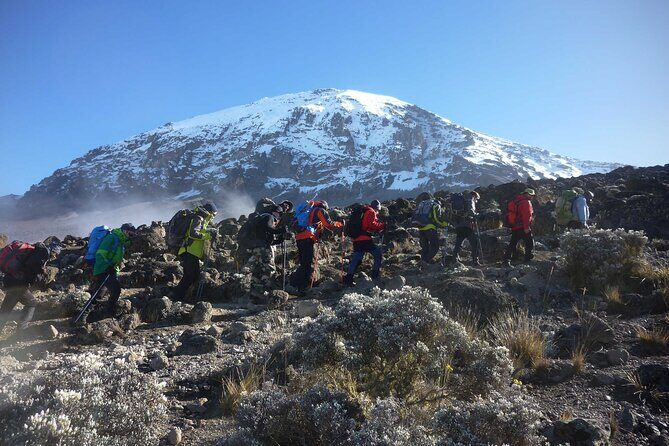
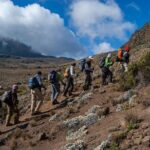
Breakfast comes first, then you continue climbing and leave the rainforest behind. Day two transitions into the heathland zone, and that shift matters because it changes what your eyes see and what your body feels. Your trek is about 12 kilometers, and the scenery opens up enough that you may catch views of Mawenzi Peak—one of Kilimanjaro’s iconic formations.
Horombo Hut is around 3,700 meters, so this is a substantial move upward. The altitude jump is why guides emphasize steady pacing rather than speed. If you go out too hard on day two, the cost often shows up on day three and summit morning.
This day also tends to be where you settle into the climb’s rhythm: hike, rest, hydrate, repeat. Since bottled water, snacks, and meals are included, you’re not constantly solving logistics on the trail. That sounds small, but it’s a real advantage at altitude.
If you’re walking with a group that includes different ages or fitness levels, day two is where you’ll notice whether your team actually manages pacing. One story highlighted how a guide named Antipas looked after a 70-year-old father in the group. That kind of attention is what makes the whole climb feel calmer instead of rushed.
Horombo to Kibo Hut: alpine desert and the first saddle view
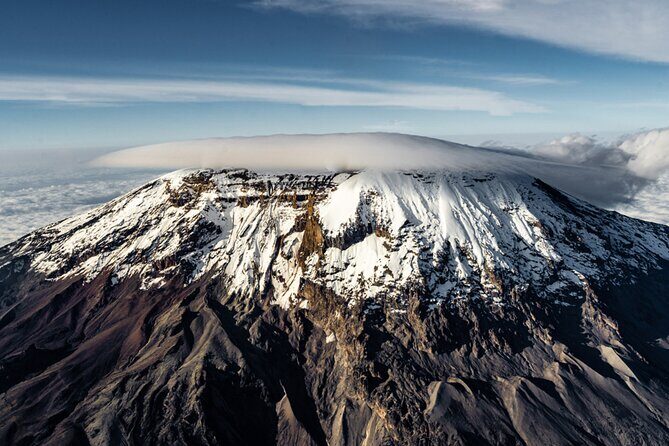
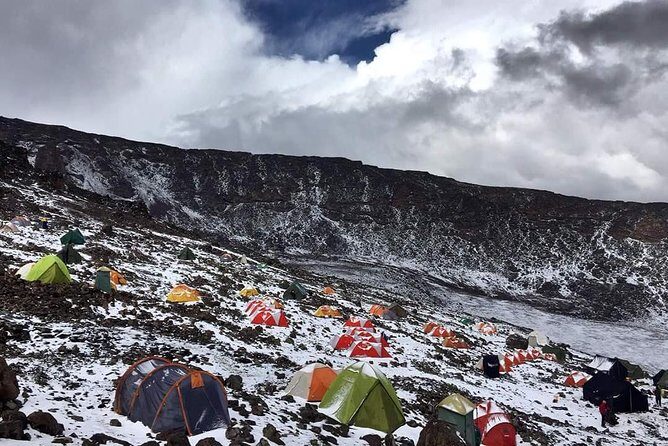
Today you go to Kibo Hut at roughly 4,700 meters. The terrain changes dramatically as you enter the alpine desert zone. It’s a tough day not because the distance alone is scary, but because the altitude is. The air is thinner, your body needs more oxygen, and your effort feels louder.
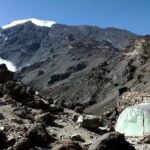
This is also your first real sight of the saddle between Mawenzi and Kibo. That view is useful because it gives you a visual map of what you’re working toward. You start to understand the mountain’s shape instead of just following the trail.
The plan specifically points out that pacing and hydration are essential here. I treat that as more than advice—it’s the core of how you avoid wasting energy. If your heart rate spikes too fast, the rest of the day gets harder, and you may feel it later during the summit push.
If you’re considering this for mixed-experience groups—people who hike regularly and people who don’t—day three is the checkpoint. A good team keeps everyone moving at a sustainable pace and doesn’t let anyone bully themselves into rushing.
The sunrise summit push to Uhuru Peak and the descent back down
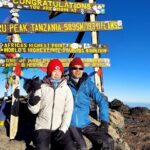
Early-hours start is the vibe for summit day. The goal is to reach Uhuru Peak, Africa’s highest point, just before sunrise. This is the most challenging day on the whole route—physically, mentally, and emotionally. The mountain doesn’t let you negotiate with your lungs.
What makes this phase different from the other days is that it’s a focused climb in a narrow window. After you summit, you don’t celebrate and float downhill forever. You descend first to Kibo Hut, then continue down to Horombo Hut for rest. That means summit success isn’t the end of the effort—it’s the peak of the effort.
Here’s why I think this climb is compelling: the morning timing is built around the way weather and conditions often behave at high altitude. You’re not just chasing a number. You’re aiming for an experience where the mountain goes from harsh darkness to first light.
Stories tied to the Spirit of Kilimanjaro team often mention supportive guidance and a sense of respect in the group. One traveler credited Emanuel with making the days feel joyful—laughter and shared moments helped break up the stress. Another mentioned William and his team making it possible to climb in 6 days when plans had been longer. That kind of attitude matters on summit day because mental fatigue can be as limiting as physical fatigue.
Horombo down to Marangu Gate: heath and rainforest, plus certificates
On the final day, you return from Horombo Hut to the Marangu Gate. As you descend, you pass back through heath and rainforest zones. This is when the mountain feels less like a wall and more like a path you’re relieved to be on.
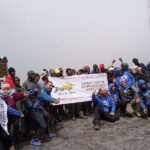
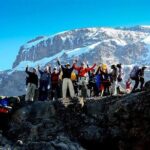
You’ll reach the gate and receive your summit certificates, then say farewell to your guides and porters. For many people, that moment carries more meaning than the photos, because it wraps up the hard work with a formal reminder that you finished.
One bonus on the way down: you might spot wildlife like colobus monkeys and birds. You’re lower now, and you have the energy to look around rather than just focus on the ground.
Practically, this is also when you’ll want to manage your energy carefully. Descending can feel easier than the ascent, but knees and legs still take a hit. It’s also a good time to hydrate steadily.

Guides, porters, and why support matters on Kilimanjaro
Kilimanjaro isn’t just “walk uphill.” It’s a test of pacing, decision-making, and emotional steadiness. The guide team on this trek is central to the experience.
You’ll be traveling with expert African guides who know the mountain and the local environment. That knowledge shows up in small ways: when to slow down, how to keep the group together, and how to respond to how people feel in the moment.
Real trip stories also highlight how guide support can be tailored to the group. Antipas stood out for taking extra care of an older climber. Emanuel was described as supportive and engaging, which helps when you’re tired and your mind starts bargaining.
Porters play their own key role. You’re not only climbing; you’re also trusting a team to move gear and manage camp systems. Since the trek includes camping equipment and a sleeping bag, that’s one less set of worries on your own shoulders—literally and mentally.
Food, camping comfort, and what’s actually included
This is one of the easier parts to evaluate, because the inclusions are clear. Your trip includes breakfasts (5), lunches (5), and dinners (5), plus snacks, coffee and/or tea, and bottled water. All fees and taxes are included too, which matters because park costs and operational fees can otherwise surprise you at checkout.
You also get a sleeping bag and camping equipment. That reduces what you need to pack and helps you avoid buying gear locally that may not be the right fit for cold altitude nights.
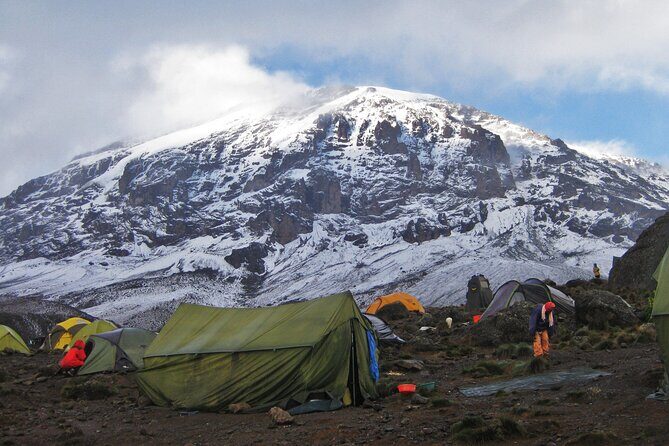
The trip description calls out signature camping with spacious tents and deluxe comfort, which you’ll feel most on the nights when you’re recovering. After a day at altitude, “comfortable basecamp” becomes more than a marketing line. It’s the difference between sleeping in an exhausted fog and waking up ready to climb.
One thing to watch: the trek still includes huts, so you’ll experience both hut stops and camping elements. That mixed approach can be a plus, since it breaks the monotony of sleeping arrangements. Just confirm with your operator which nights are huts versus tents if you’re picky about sleeping surfaces.
Price and logistics: is $2,196 good value?
At $2,196 per person, this isn’t a budget experiment. But it can represent strong value if you look at what’s included rather than what’s excluded. You’re getting a guide, all fees and taxes, meals for multiple days, bottled water, snacks, and even sleeping gear and camping equipment. For a destination like Kilimanjaro—where logistics, permits, and operational staffing add up—that package can be the difference between an expensive climb and a planned one.
Also, pickup is offered. Since the meeting point is Kilimanjaro International Airport (Kilimanjaro Airport Rd, Tanzania) and the start time is 7:30 am, you likely want a smooth handoff from airport to trekking team. Starting on schedule reduces the “wasted day” feeling.
One small consideration: the tour description mentions Machame Route in one place even though the daily plan matches the Marangu Route. I’d treat that as a checklist item. Confirm that your booking is truly the Marangu route for your dates.
Who this Marangu climb suits best
Most people can participate, but this climb rewards the right mindset more than raw athleticism. You’ll benefit if you can hike steadily for long hours, accept slow pacing, and keep hydration and breathing under control.
This setup can be a good choice for mixed groups, including families. One of the standout themes from real trip stories is how guides looked after an older father alongside younger climbers. That’s a sign the operator is used to balancing pace and comfort.
It also fits travelers who want the classic Kilimanjaro experience without overly complex self-scheduling. Hut stays and a provided team reduce guesswork.
If you’re nervous about planning, you’ll appreciate the all-in feel: food, gear, fees, and bottled water are included. If you hate early mornings, though, know that summit day is a pre-sunrise effort and that’s the emotional centerpiece of the whole trip.
Should you book Spirit of Kilimanjaro’s 6-day Marangu climb?
I’d book this if you want a classic Marangu route plan with a team that focuses on pace, support, and practical comforts. The included meals, bottled water, sleeping bag, and camping equipment mean you can travel lighter and spend less time worrying about the small stuff that snowballs at altitude.
I’d think twice if you want a relaxed, leisurely climb with no summit-day pressure. Summit morning is the hardest part of any Kilimanjaro attempt, and this plan is very clear about that.
Before you pay, do two quick checks: confirm your route is Marangu (not a different route mentioned elsewhere), and make sure you’re mentally ready for the early summit push and long day of descent afterward.
FAQ
What route is this Kilimanjaro climb using?
This experience climbs Kilimanjaro via the Marangu Route, starting at the Marangu Gate and progressing through stops like Mandara Hut, Horombo Hut, and Kibo Hut, with Uhuru Peak as the summit goal.
How many days will I be trekking?
The duration is listed as about 5 days, and the trek follows a multi-day route plan that includes a summit day and final descent back to the Marangu Gate.
What time does the experience start, and where do I meet the team?
The start time is 7:30 am, and the meeting point is Kilimanjaro International Airport (Kilimanjaro Airport Rd, Tanzania). The activity ends back at the meeting point.
Is pickup offered?
Pickup is offered, and you’ll meet the team at Kilimanjaro International Airport.
What’s included in the price?
Included items are coffee and/or tea, snacks, bottled water, a tour guide, all fees and taxes, a sleeping bag, camping equipment, plus breakfast (5), lunch (5), and dinner (5).
What if I need to cancel?
You can cancel for a full refund if you cancel at least 24 hours before the experience’s start time. If you cancel less than 24 hours before, the amount paid is not refunded.