REVIEW · KILIMANJARO
Tanzania Safari and Kilimanjaro Climb Multi-Day Experience
Book on Viator →Operated by Heart of Africa Safari Tours · Bookable on Viator
Kilimanjaro and the Big Five, in one rhythm. This Tanzania experience gives you both wildlife days and a multi-day summit climb, with a dedicated guide handling the details so you can focus on the sights. I really like the comfort at Heart of Africa Lodge between drives and trekking, including time to unwind with proper meals and a pool-garden setup after long days.
The one thing to think about: this is a climb built for people with moderate physical fitness, and you’ll be trekking for about a week with several 5–7 hour days, not just a casual hike.
In This Review
- Key highlights you’ll feel right away
- Arusha arrival: starting Kilimanjaro season with a real base
- Serengeti National Park: two safari days that actually give you options
- Ngorongoro Crater: the day the animals compress into one view
- Tarangire: elephants and baobabs when Serengeti energy needs a breather
- Heart of Africa Lodge in Arusha: where you recover instead of just sleeping
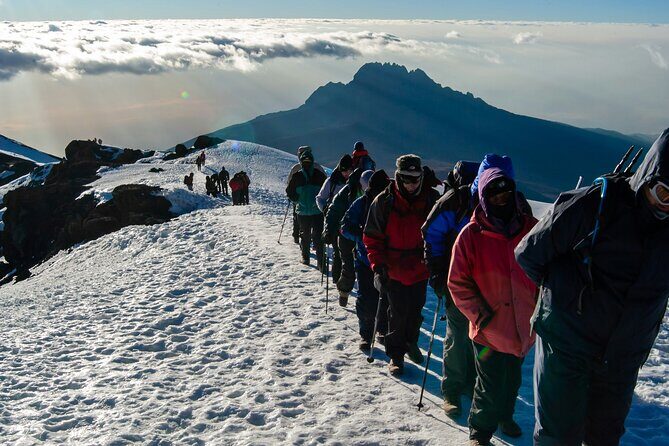
- Kilimanjaro day plan: a week of trekking for a summit attempt
- What matters for your body on a climb like this
- All-inclusive support: what it saves you (and what to confirm)
- Transport, timing, and the private-group advantage
- Value check: what $5,700 per person buys you
- Who this Tanzania safari and Kilimanjaro climb suits best
- Should you book Heart of Africa Safari Tours for Tanzania and Kilimanjaro?
- FAQ
- FAQ
- How long is the Tanzania safari and Kilimanjaro experience?
- Is this a private tour?
- What fitness level do I need for the Kilimanjaro climb?
- Is pickup included, and do you offer mobile tickets?
- What hours is the provider available for help?
- Can I cancel for a full refund?
Key highlights you’ll feel right away

- Private group, private attention with a guide who keeps the plan moving and the pace sensible
- Big Five time in Serengeti plus crater wildlife at Ngorongoro
- Heart of Africa Lodge comfort as your base in Arusha between safari and summit prep
- A multi-day Kilimanjaro trek designed around gradual ascent and safety
- All-inclusive support with meals, park fees, and climbing gear handled for you
Arusha arrival: starting Kilimanjaro season with a real base

Most people start their Tanzania story in Arusha, and this plan begins the same way: you arrive at Kilimanjaro International Airport, then transfer to Arusha for an overnight stay. That first night matters more than it sounds. It gives you time to get oriented, rest, and settle your body before the big jump into early safari days.
You’ll also get a glimpse of the trip’s style: structured, not chaotic. Pickup is offered, and the experience uses a mobile ticket system, so you’re not left scrambling to figure out where to go next. If you like having someone else keep the machine running, this will feel like relief.
A few more Kilimanjaro tours and experiences worth a look
Serengeti National Park: two safari days that actually give you options

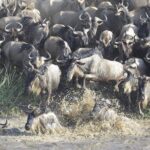
Serengeti National Park is the main stage, and you get time to experience it without rushing. After breakfast you drive for about 6–7 hours to reach Serengeti and enjoy an afternoon game drive. That first taste is a great way to get your eyes trained: you’ll start spotting giraffes, zebras, and the constant motion of the ecosystem before you commit to a full day of hunting for the Big Five.
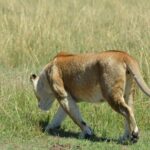
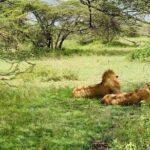
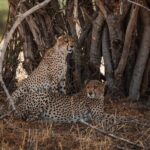
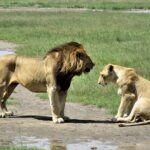
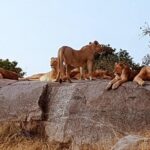
Then the next day is a full block of game drives in Serengeti. This is where the chances stack up for sightings of lions, elephants, buffalo, leopards, and rhinos, plus cheetahs and lots of birdlife. I like this pacing because you’re not putting all your luck into a single morning. Wildlife is unpredictable. Two safari days helps you play the odds better, and it also gives you a chance to slow down and watch behavior—feeding, hunting attempts, and social groups—rather than treating it like a checklist.
Practical note: game drives usually mean long hours in a vehicle. Bring sun protection, and plan to be flexible about start times and the length of drives once you’re inside the parks.
Ngorongoro Crater: the day the animals compress into one view
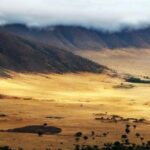
After Serengeti, you head to Ngorongoro Crater. This is one of those places where the scenery turns into a wildlife viewing system: animals appear across the crater floor, and you can often see a surprising amount in one sweep.
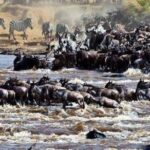
You’ll get Big Five chances again here, plus flamingos and a strong mix of grazing species like wildebeests and zebras. The crater views are the reason many people come, but the real value is how concentrated the wildlife experience feels compared with driving farther and wider.
There’s also an optional stop at Olduvai Gorge, known as the Cradle of Mankind. If you want a break from spotting animals for a few hours, it’s a good add-on. If you’d rather stay strictly focused on wildlife, you can skip it and keep the day more relaxed.
Tarangire: elephants and baobabs when Serengeti energy needs a breather

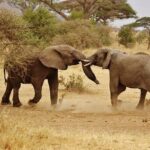
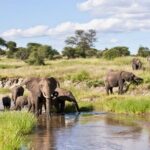
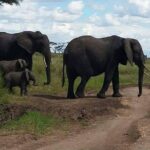
Next up is Tarangire National Park, a contrast day that still delivers big wildlife moments. Tarangire is famous for large elephant herds and impressive baobab trees, and it’s a great place to notice different animals than the Serengeti lineup.
You’ll spend a full day there for game viewing. I like putting Tarangire after Ngorongoro because you avoid repeating the exact same viewing pattern. It keeps your brain fresh: new bird species, different tracks and watering dynamics, and elephants behaving in their own routines around the landscape features.
Again, expect long hours in transit and vehicle time. The upside is that Tarangire often feels slower and more spacious than the busiest safari moments, even when the animals are just as impressive.
Heart of Africa Lodge in Arusha: where you recover instead of just sleeping

Back in Arusha, you’ll stay at Heart of Africa Lodge. It’s not just a bed between activities. This lodge acts like a pressure valve. After days of driving and long viewing sessions, you want somewhere that feels calm and comfortable, and this one includes spacious rooms, a beautiful garden, and a pool.
You’ll also get delicious meals, which sounds basic until you’ve had travel days that wreck your appetite. Eating well changes how your body handles everything that follows, especially when you’re about to start multi-day trekking.
If you’re someone who likes real downtime—shade, a slow morning pace, and not having to think about where your next meal comes from—this part of the plan is a strong value point.

Kilimanjaro day plan: a week of trekking for a summit attempt

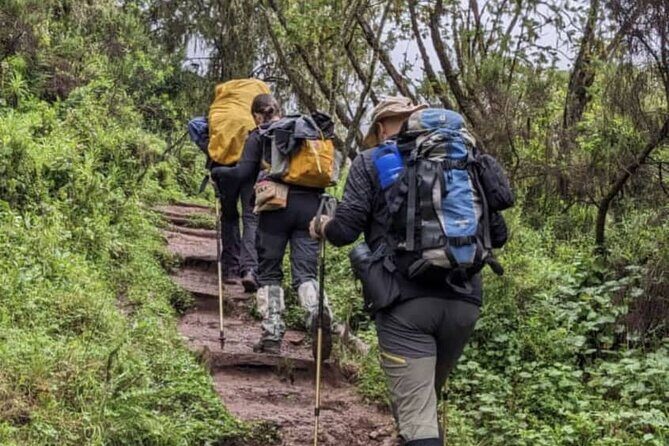
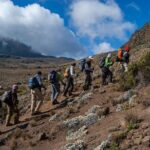
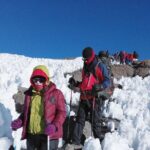
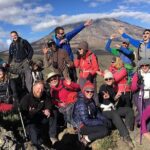
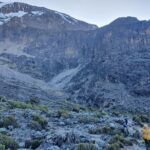
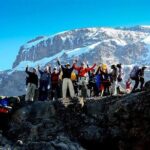
After your safari portion, the focus shifts to Kilimanjaro. The climb days run from Day 7 through Day 13, with trekking sessions listed around 5–7 hours per day. Your itinerary is structured to support a rewarding and safe climb, and it includes multiple days moving upward instead of one huge push.
Day 7 is described as beginning your day trip to climb Mount Kilimanjaro or enjoying scenic views before departure. That’s useful if you want a moment to adjust to the mountain environment before committing to full trekking days.
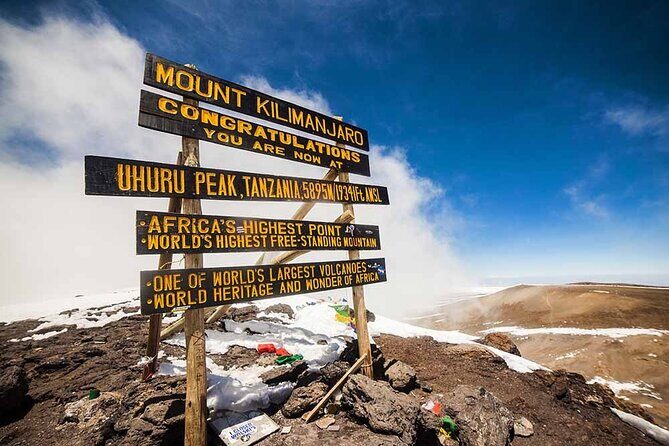
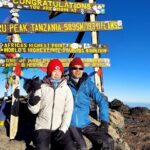
Days 8 through 12 are your core ascent days, each with listed trekking times. Then Day 13 is the last day of trek. Since the trip is set up to summit Mount Kilimanjaro, you should expect the final days to be the hardest effort, even if your guides pace the climb to protect safety.
What matters for your body on a climb like this
Altitude turns even a steady walk into work. I recommend you treat the climb like training for patience: slow steps, consistent breathing, and watching how you feel more than how fast you move. Even with a good route, you can still end up feeling rough. Tell your guide early if you’re struggling—don’t try to prove anything.
Your tour includes expert guides, and routes designed for safety and reward. That combo is key. The best climb experience isn’t about hero moments; it’s about smart pacing and solid support when you’re tired.
All-inclusive support: what it saves you (and what to confirm)

The trip is described as all-inclusive for meals, park fees, and climbing gear. That’s a big deal on Kilimanjaro. Gear sourcing, sizing, and logistics can eat time and stress if you’re handling it yourself.
On the safari side, handling park fees matters too. It keeps the trip from turning into surprise add-ons once you’re already in Tanzania.
That said, when something is described as included, I always suggest you confirm what’s in the climbing gear package for your own comfort. You don’t want to discover at the last minute that you need specific items you expected to be covered.
Transport, timing, and the private-group advantage

This is a private tour/activity, meaning only your group participates. That matters on both halves of the trip:
- On safari, it helps your guide manage your pacing and viewing priorities without compromise.
- On Kilimanjaro, it supports a smoother logistics flow—less waiting, fewer scheduling headaches, and more attention to your needs.
You also get pickup offered and a mobile ticket. Those sound like small details, but they make daily transitions easier—especially when you’re moving from Arusha to Serengeti, then to Ngorongoro and Tarangire, and finally into the climbing phase.
The operator’s hours listed are Monday to Friday from 6:00 AM to 6:00 PM, which is good to know if you like to handle questions during daylight hours.
Value check: what $5,700 per person buys you
At $5,700 per person for an approximately 15-day trip, you’re not paying for a single activity. You’re paying for a full circuit: major safari parks, lodge comfort in Arusha, and a week of guided Kilimanjaro trekking with support and gear.
Here’s why that price can make sense, if your priorities match:
- You’re covering multiple parks that each require time and entry logistics.
- You’re getting a dedicated guide and multi-day climb support.
- You’re also getting lodging comfort at Heart of Africa Lodge and meals plus park fees handled.
The possible downside is the obvious one: this is a bigger budget trip. If you’re trying to do Tanzania on a tight shoe-string, this won’t be the fit. But if you want your time managed, your safety supported, and your days built around the big experiences—this package is aligned with that goal.
Who this Tanzania safari and Kilimanjaro climb suits best
This experience fits you best if you want:
- A focused wildlife circuit (Serengeti, Ngorongoro, Tarangire) with enough time to look beyond one drive
- A serious Kilimanjaro plan built around expert guidance and multiple trekking days
- Comfort between exertion thanks to Heart of Africa Lodge in Arusha
- A private setup where your group can move as one
It may not be ideal if you dislike long driving days or if you know you won’t be able to handle several hours of trekking each day. The climb portion requires more than just sightseeing stamina.
Should you book Heart of Africa Safari Tours for Tanzania and Kilimanjaro?
If you want one organizer to handle the jump from safari to summit trekking, I think this is worth serious consideration. The best part is how it connects big wildlife days with a climb that’s supported by expert guides and a multi-day route. It also helps that you’re not stuck sleeping rough in between—Heart of Africa Lodge gives you real recovery time.
I’d book this if your ideal Tanzania trip looks like: morning wildlife, a comfortable lodge base, then a structured week on Kilimanjaro with guides who keep safety and pacing in mind.
FAQ
FAQ
How long is the Tanzania safari and Kilimanjaro experience?
The total duration is listed as about 15 days.
Is this a private tour?
Yes. It’s described as a private tour/activity, so only your group will participate.
What fitness level do I need for the Kilimanjaro climb?
The experience notes that travelers should have a moderate physical fitness level.
Is pickup included, and do you offer mobile tickets?
Pickup is offered, and the experience uses mobile tickets.
What hours is the provider available for help?
The opening hours are listed as Monday to Friday, 6:00 AM to 6:00 PM, for the date range shown.
Can I cancel for a full refund?
Yes. You can cancel for free up to 24 hours in advance for a full refund.
If you want, tell me your travel month and whether you’re more focused on Big Five sightings or on getting to the Kilimanjaro summit. I can suggest how to prepare your body for the schedule you’ll actually feel on the ground.