REVIEW · ARUSHA
4-Day Tanzania Camping Safari to Lake Manyara, Serengeti, and Ngorongoro Crater
Book on Viator →Operated by Gracepatt Ecotours Kenya · Bookable on Viator
Stars above, safari below, real Africa. On this 4-day Tanzania camping safari out of Arusha, you trade hotel beds for tents and wake up to birds and distant calls while you chase wildlife across three major ecosystems. I like the included park and camping fees, which keeps the trip feeling refreshingly straightforward. I also like the fast, full-day safari flow built around picnic lunches, so you spend more hours looking and less time shuffling.
The main thing to think about is comfort expectations. You get a mattress and tent, but sleeping bags and drinks are not included, and the days run long (about 10 hours on days 1–3). If you’re the type who needs a plush bed and a cold drink on demand, this will feel more rugged than you might like.
In This Review
- Key highlights worth your attention
- Why this 4-day camping safari feels practical (not just romantic)
- Price and what $1,675 really covers
- Day 1 in Lake Manyara: first game drive, picnic lunch, then camp
- Day 2 in Serengeti: en-route drives plus a full park day
- Day 3 to Ngorongoro: early Serengeti time and a rim approach
- Day 4 in Ngorongoro Crater: crater-floor game drive and hippo pool lunch
- Camping, meals, and what “included” means when you’re outside
- Guides, safety, and the driving style you should look for
- What to pack and how to dress for smart-casual safari days
- Who this safari is best for (and who should reconsider)
- Should you book this 4-day camping safari?
- FAQ
- What time is pickup in Arusha?
- Is the park and camping cost included?
- What meals are included during the safari?
- What camping items are provided?
- What should I bring since sleeping bags aren’t included?
- How far in advance can I cancel for a full refund?
Key highlights worth your attention
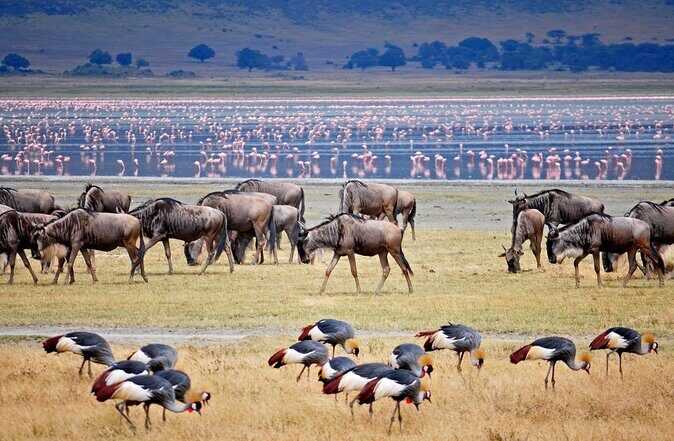
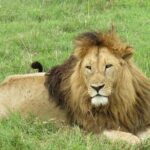
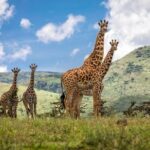
- Big Five odds across three parks, not just one
- No add-on surprise fees for park entry and camping
- Picnic lunches keep you in game-drive mode for longer stretches
- Arusha hotel pickup and round-trip transport for less hassle
- Small group size (max 15) for a calmer, easier rhythm
- Camping setup is basic but satisfactory, with meals handled by the cook
Why this 4-day camping safari feels practical (not just romantic)
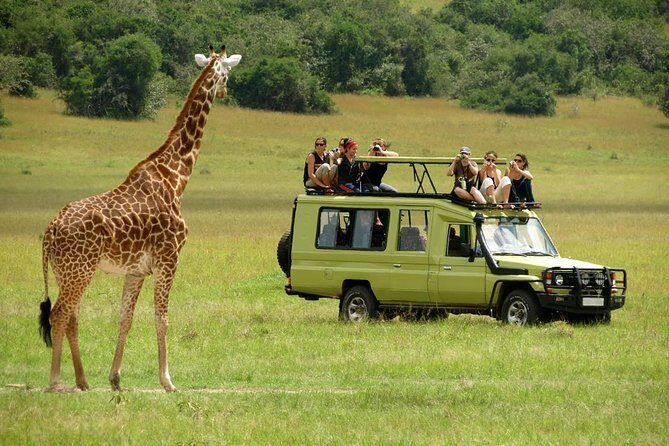
A camping safari in Tanzania sounds adventurous because it is, but what makes this one genuinely useful is how it’s organized. You’re not doing a patchwork of half-plans from different companies. The route is set: Arusha to Lake Manyara, then on to Serengeti, then Ngorongoro, then back to Arusha. That matters because safari days are time-heavy already. The smoother the logistics, the more of your day goes into watching animals instead of waiting.
Starting in Arusha also helps. It’s the kind of base where you can get oriented fast, and you’ll likely feel less rushed right out of the gate. Pickup is listed at 8:00am from your Arusha hotel, so you aren’t losing half a day to trying to coordinate transport on your own. For a trip like this, that alone can feel like value.
And the included pricing structure is a big deal for budgeting. The tour lists entrance and camping fees as included, plus meals and safari game drives. Even if you’re not a spreadsheet person, it’s reassuring to know you’re not constantly being asked for extra money at the gate.
A few more Arusha tours and experiences worth a look
Price and what $1,675 really covers
At $1,675 per person for about four days, the headline number is important, but the “what’s inside” is the real story. This cost is not just for a vehicle and a driver. It’s built around four categories that commonly drive safari pricing up:
- Park fees and camping fees (listed as included)
- Game drives (also included)
- Camping gear support (mattress and tent are included)
- Food (three meals on safari days)
You’ll still want to budget for the items that are explicitly not included: tips, drinks, and personal items, plus sleeping bags. But if you compare a camping safari that includes entry fees and basic camping setup against one that makes you pay park fees and equipment separately, this one reads as a value-focused option.
There’s also a group angle. The tour notes group discounts, and the maximum group size is 15 travelers. A smaller group usually means easier communication and less “stand in line” energy. On a safari, that matters because you want your guide’s attention when a sighting pops up.
Day 1 in Lake Manyara: first game drive, picnic lunch, then camp
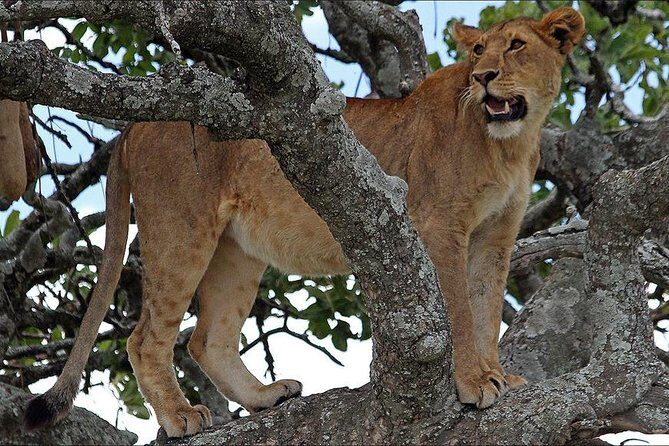
Your day starts with pickup at 8:00am from your hotel in Arusha. Then it’s a drive toward Lake Manyara National Park, where you’ll have a picnic lunch and a game drive.
Lake Manyara is a great first stop because it eases you into safari pacing. You’re not immediately trying to cover the most famous, packed-with-everyone-in-the-world park. Instead, you get that first taste of wildlife country: ears tuned, eyes scanning, and your guide setting expectations for what to watch for.
A practical detail here is how lunch is handled. A picnic lunch means you don’t break the day for a long meal stop and then lose prime viewing hours. You’re meant to stay in the rhythm: drive, stop, watch, reposition, eat, and keep going.
What you should consider on day 1 is energy. The schedule is listed at about 10 hours. Even with a good vehicle and a knowledgeable driver, day 1 can feel like a strong start. If you’re prone to motion sickness, it’s worth planning for it before you go.
Day 2 in Serengeti: en-route drives plus a full park day
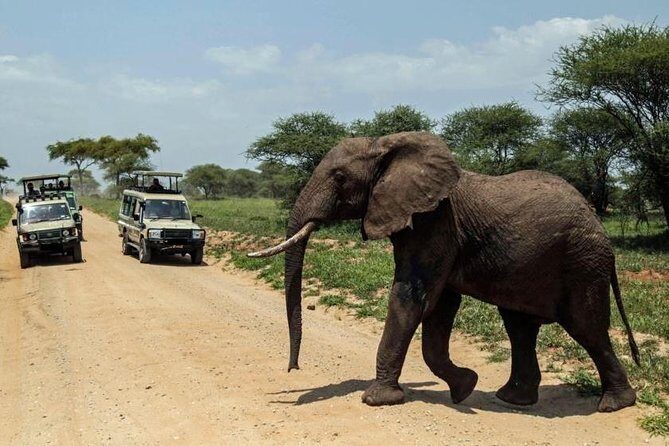
After breakfast, you depart for Serengeti National Park. The plan includes an en-route game drive, a picnic lunch, and then an afternoon short game drive.
Serengeti works because it gives you variety even within one day. “En-route” driving is often where you learn what your guide is hunting for: signs, movement, likely feeding areas, and how quickly animals can appear once the landscape is right. Then the park portion continues that momentum with an afternoon drive.
The schedule again totals around 10 hours, so you’ll likely spend much of the day focused on viewing from the vehicle. That sounds obvious, but it’s worth stating: this is not a day with long cultural breaks or long town stops. It’s a safari day, with the “breaks” mostly being repositioning and meals.
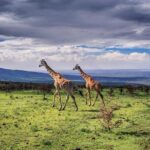
Also keep expectations realistic. Serengeti is a huge area and wildlife sightings depend on timing, season, and where animals decide to be. What you can count on is that you’re in the right place for high chances, and you’re getting more than one drive segment. That combination usually improves your odds compared with a single, short drive.
Day 3 to Ngorongoro: early Serengeti time and a rim approach
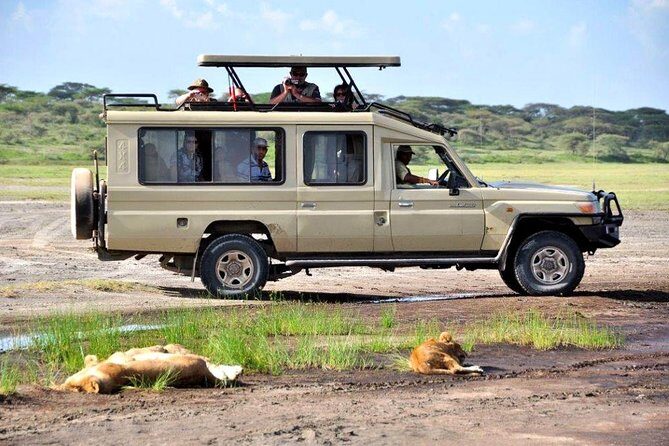
Day 3 starts with an early morning game drive in Serengeti, then you’ll branch and depart for the Ngorongoro Crater Rim, with an en-route game drive.
This is the kind of itinerary choice I appreciate. Early driving usually lines up with animal activity. You also get lighter, clearer viewing conditions as the day starts. And because you’re shifting from Serengeti to Ngorongoro, you’re likely to feel a change in scenery and atmosphere as you move.
Ngorongoro is special because it’s a natural “contained” system: you access it from the rim and then, on day 4, you go down into the crater floor. On day 3, you’re building that anticipation while still having chances to see wildlife during the transfer.
The practical consideration for day 3 is fatigue planning. Two long days already stack up, and day 3 adds an early start. If you sleep lightly, pack earplugs or a sleep mask. A tent safari can mean more ambient sound than a hotel.
A few more Arusha tours and experiences worth a look
Day 4 in Ngorongoro Crater: crater-floor game drive and hippo pool lunch
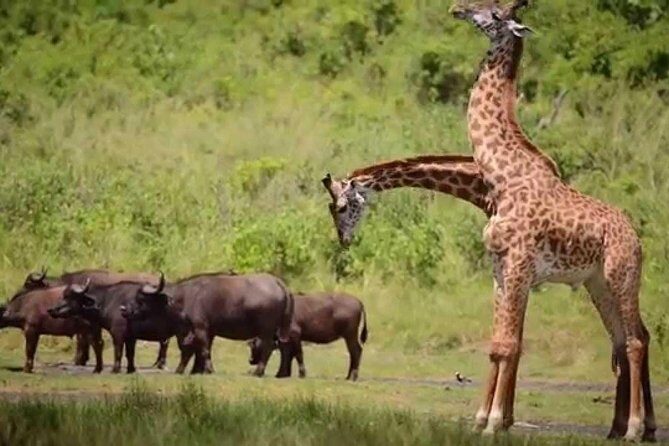
Day 4 is shorter on paper—about 6 hours—but it’s the payoff day. After breakfast, you descend into the crater floor for a game drive, then have lunch at the Hippo Pool picnic site. After that, you ascend to the rim and head back to Arusha for hotel drop-off.
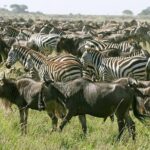
This is where the safari becomes most memorable for many people. The crater setting creates a kind of wildlife theater: animals gather around limited water and grazing areas, and you can often see more dramatic interactions than on open plains. The lunch spot at the Hippo Pool picnic site also signals what this day is built around: water-based life in a high-profile habitat.
Two things matter here. First, timing: the descent and crater drive are scheduled, so don’t plan to be slow with packing or breakfast. Second, comfort: going down and back up involves steep terrain and changes in temperature, even if only subtly. Layers help because crater mornings and midday can feel different.
Then you finish with the return trip to Arusha. You’re not left stranded with another day of logistics. It’s drop-off back at your Arusha hotel, which makes this easier to fit into a wider Tanzania plan.
Camping, meals, and what “included” means when you’re outside
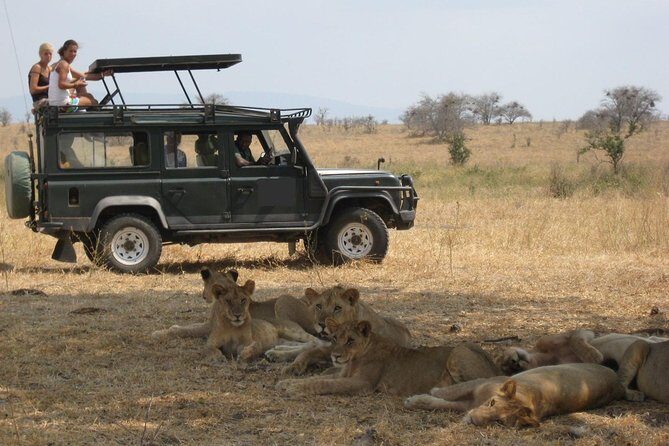
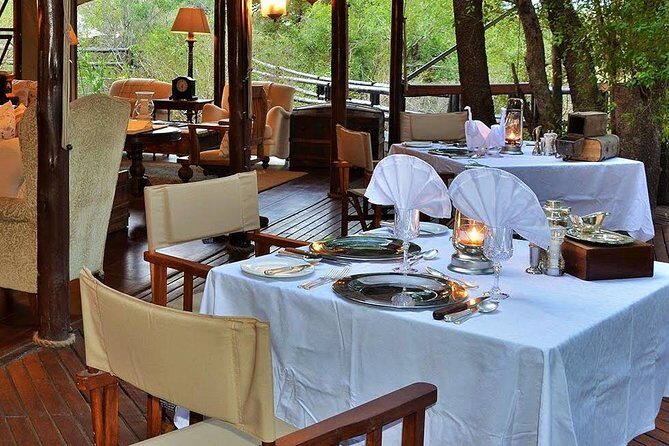
Camping safari comfort is always a tradeoff. This tour gives you a mattress and tent, plus basic setup (table and chairs) and a cook who handles meals. That’s a lot more than “good luck out there,” and it’s likely why the experience earns strong feedback for food.
In plain terms, here’s what you should expect:
- You’ll have a tent and mattress, so you’re not sleeping on the ground with nothing
- Meals are provided as part of the safari: three meals while on safari (the tour notes breakfast (3), lunch (3), dinner (3))
- Drinks are not included, so you’ll want to plan accordingly
From reviews, the cook’s food is a standout: good meals in the field, which is exactly what you want when you’re eating simple but hearty while spending long hours in a vehicle. Another praised point is that the camping accommodations are satisfactory. That doesn’t mean luxury. It means “good enough to keep you comfortable enough to enjoy the wildlife.”
The big “you’ll thank yourself” items are what aren’t included: sleeping bags and the usual personal comforts (like extra warm layers or a headlamp). If you show up without these, you’ll still probably manage, but you won’t get the restful night you wanted.
Guides, safety, and the driving style you should look for
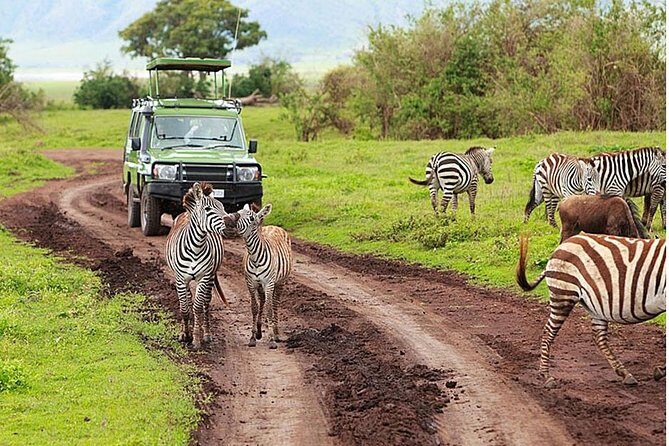
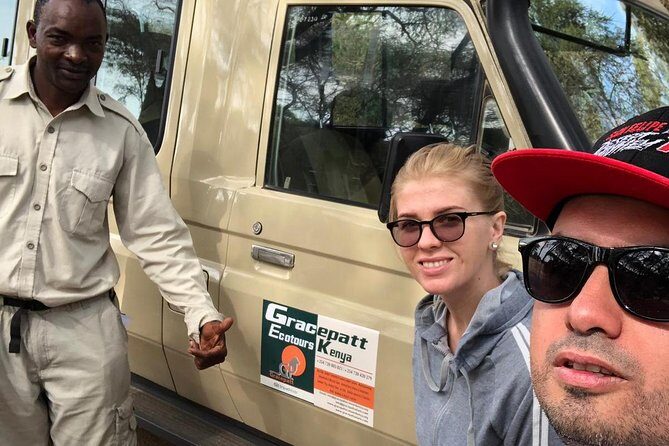
On safari, your guide is more than a driver. They decide where you stop, how long you stay, and how you respond when animals show up fast. This tour’s feedback emphasizes that the guide was friendly and knowledgeable and that the driver was safe. That combination is not guaranteed everywhere, so it’s worth valuing.
A safe driver matters because you’re sitting on rough roads for long stretches. Even if the vehicle is capable, the driving style affects comfort and confidence. A driver who drives smoothly and predictably helps you focus on wildlife instead of bracing yourself.
The knowledgeable part matters just as much. When you understand what you’re looking for—tracks, feeding signs, movement patterns—you notice more. You also waste less time waiting in the wrong spot. For many people, that’s the difference between seeing animals and seeing animals with context.
What to pack and how to dress for smart-casual safari days
The dress code is listed as smart casual. That doesn’t mean you should wear a suit. It means pack clothes that are presentable but practical for being outside all day.
Think in layers. Safari days start early and end later than you’d expect. Even without exact temperature details, you’ll want something for morning chill and something for daytime warmth.
For camping, plan around what the tour provides (tent and mattress) and what it doesn’t (sleeping bag). You’ll also want:
- Comfortable walking shoes for camp areas
- A warm layer for nights
- Sunscreen and sunglasses for long time in the vehicle
- A hat and a light rain layer, since weather in open country can change
Also consider “quiet tech.” A camera is great, but don’t forget basics like a charged power bank and spare memory cards. If your phone battery drains fast in daylight and you lose your photos, you’ll wish you’d planned.
Who this safari is best for (and who should reconsider)
This trip is a strong fit if you want:
- A value-focused safari that includes fees and camping support
- A route that hits Lake Manyara, Serengeti, and Ngorongoro
- A wildlife-heavy schedule with long game drives and picnic lunches
- A small group experience up to 15 travelers
It may be less ideal if you want hotel-style comfort. This is camping. It’s outdoors. It’s practical. You’ll sleep in a tent with a mattress, but it’s not built like a resort. Also, because drinks aren’t included, you’ll need to manage thirst and extra spending.
If you’re traveling as a couple or a solo traveler, the group format can still work well. You get shared planning and you’re not responsible for the day-to-day logistics. Just pick the camping style you can live with for four days.
Should you book this 4-day camping safari?
If your main goal is to see wildlife across top Tanzania parks while keeping the budget sensible, I think this is a smart choice. The biggest reasons are the ones that make safari life easier: included park and camping fees, a packed schedule built around picnic lunches, and the strong emphasis on safe driving, good meals, and knowledgeable guiding.
I’d only hesitate if you’re sensitive to long days, want guaranteed creature comforts, or don’t want to bring a sleeping bag. If that sounds like you, you can still enjoy Tanzania, just look for a version with hotels or at least upgraded camping gear.
For the right traveler, this safari hits a sweet spot: big wildlife country, real outdoor nights, and a plan that keeps you watching instead of waiting.
FAQ
What time is pickup in Arusha?
Pickup is scheduled for 8:00am from your Arusha hotel.
Is the park and camping cost included?
Yes. The tour includes park fees and camping fees, along with game drives.
What meals are included during the safari?
You’ll have breakfast (3), lunch (3), and dinner (3) while on safari, and picnic lunches are part of the daytime schedule.
What camping items are provided?
The tour includes a tent and mattress, along with safari setup items like table and chairs.
What should I bring since sleeping bags aren’t included?
A sleeping bag is not included, so plan to bring one if you’ll want more warmth and comfort at night. Tips, drinks, and personal items are also not included.
How far in advance can I cancel for a full refund?
You can cancel up to 6 days in advance for a full refund, based on the local start time.