REVIEW · MOSHI
6 Days: Classic Camping( Tarangire, Manyara, Serengeti And Ngorongoro).
Book on Viator →Operated by Seven Wonders Safaris · Bookable on Viator
Baobabs, lions, and a crater drop all in one route. This 6-day classic camping safari from Moshi strings together Tarangire, Lake Manyara, Serengeti, and Ngorongoro for game drives that are paced like a real safari circuit—not rushed, not padded with extra stops.
I love how the itinerary gives you multiple “worlds” of wildlife: the elephant country of Tarangire, the unusual Lake Manyara setup, and the open Serengeti plains before you descend into the Ngorongoro crater bowl. I also like that it’s organized as private transportation for up to 6 travelers, with meals handled (breakfast, lunch, and dinner) and park fees/taxes included, so you can stay focused on finding animals instead of doing admin all day. The one drawback to plan for: these are long driving days with early starts, and one common reality of this kind of circuit is a dusty, bumpy ride, so pack accordingly and don’t assume comfort will be like a hotel transfer.
In This Review
- Key highlights worth booking for
- The real flow of this 6-day safari circuit
- Tarangire National Park: elephants and baobab scenery you can’t fake
- Lake Manyara National Park: tree-climbing lions plus birding rewards
- Serengeti National Park: two days of endless plains time
- Ngorongoro Crater: the dawn descent that makes the day feel different
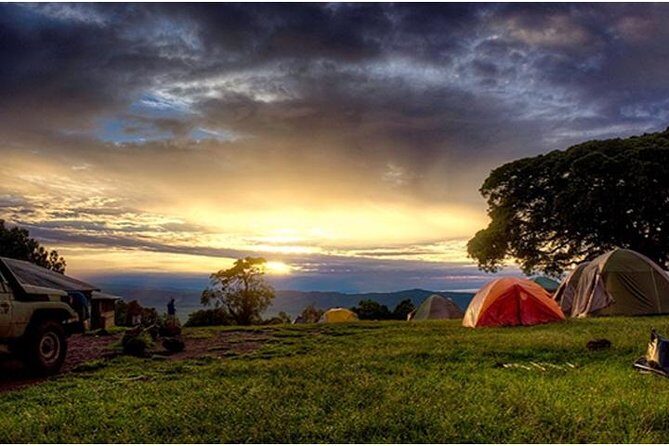
- Camping, meals, and what “classic” really means on this route
- Price and value: what $1,538.47 buys you in real terms
- How to get the most from each day (without burning out)
- Who this safari fits best
- Should you book this 6-day classic camping safari?
- FAQ
- How long is this safari?
- Where does the safari start?
- What parks are included in the 6 days?
- Is admission included?
- What meals are included?
- How many people are in the group?
- Is the walking safari included?
Key highlights worth booking for
- Tarangire elephant country with game drives in a park known for huge elephant numbers and iconic baobabs
- Lake Manyara tree-climbing lions plus a mix of habitats that makes wildlife and birds both part of the show
- Serengeti full-day game driving with time built in for serious spotting and photo opportunities
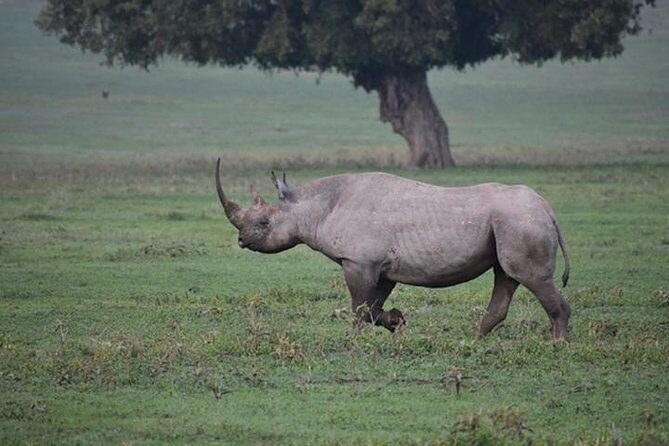
- Ngorongoro crater descent at dawn for a long crater-floor session (6–7 hours) in a year-round wildlife setting
- Camping-style meals included (5 breakfasts, 6 lunches, 6 dinners) so your day stays simple
- Small group size (max 6), which usually means more flexibility to stop for sightings
The real flow of this 6-day safari circuit
This tour is designed around the logic of northern Tanzania safari driving: you move from Tarangire into Lake Manyara, then on to Serengeti, and finally into Ngorongoro Conservation Area. The big win here is that you don’t just “check boxes.” You get repeated time on game drives, and you get different types of habitat across the days, which can matter for animal sightings.
You’ll typically start your day early or drive into position before peak viewing hours. Day-by-day, the schedule is heavy on game viewing:
- Day 1 is a long day in Tarangire (about 10 hours total) with lunch timing built in.
- Day 2 is another full safari day (about 9 hours) centered on Lake Manyara.
- Day 3 is a 10-hour Serengeti day that sets the stage for what you’ll spend more time on Day 4.
- Day 4 is the second Serengeti day (about 8 hours), including time for packed lunch and an optional walking safari.
- Day 5 transitions from Serengeti toward Ngorongoro (about 8 hours), including an additional visit component.
- Day 6 is the dawn crater day (breakfast around 05:50, descent around 06:00, 6–7 hours on the crater floor).
If you’re the kind of person who gets energized by early starts, you’ll be happy here. If you want a slow, loungey vacation, you’ll feel the driving.
A few more Moshi tours and experiences worth a look
Tarangire National Park: elephants and baobab scenery you can’t fake
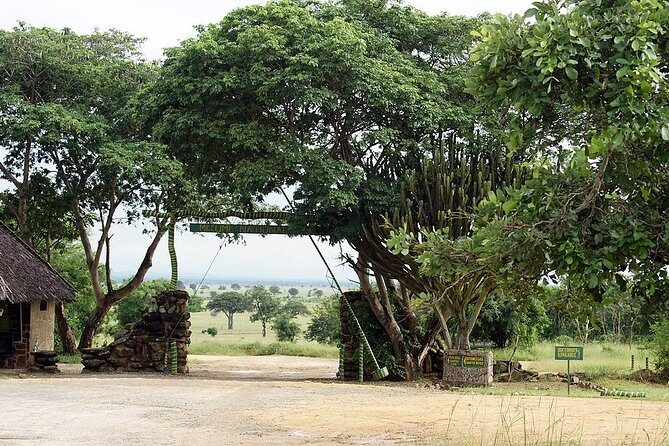
Tarangire National Park is where this itinerary starts strong. You’re picked up from your hotel, get a safari briefing, then head in for your first major game drive. The day is structured as both morning/early viewing and an afternoon drive, so you’re not stuck with just one “time window.”
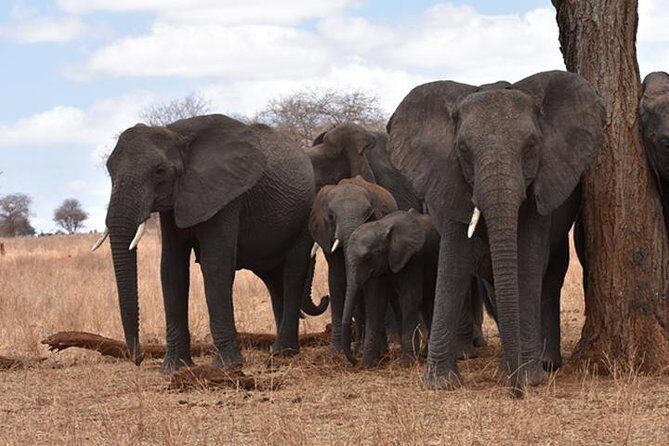
What I like about Tarangire in particular is that it tends to feel cinematic fast. The park is associated with elephant concentrations and the iconic baobab-dotted look that makes every sighting feel like it belongs on a postcard. Practically, that means you get a higher chance of “the wow moment” on Day 1, and you also get time to settle into safari rhythm—how long to scan, when to pause, and how sightings often happen after you think you’ve moved past them.
A possible consideration: since this tour is “camping classic,” you should expect the day to be long and the road to be bumpy at points. One review specifically flags dust and roughness on the ride—so bring a mask if you’re sensitive to dust, and plan for a “field shower” reality rather than spa expectations.
Bottom line: if you want your safari to begin with big energy, Tarangire is a smart first stop.
Lake Manyara National Park: tree-climbing lions plus birding rewards
Lake Manyara is smaller than some famous parks, but the point of this stop is variety. You’ll drive in, enjoy a picnic lunch in the park area, and then do more game viewing. The park is described as one of Tanzania’s most diverse reserves, with water, forest, grassland near the lake, and the Rift Valley backdrop all mixing together.
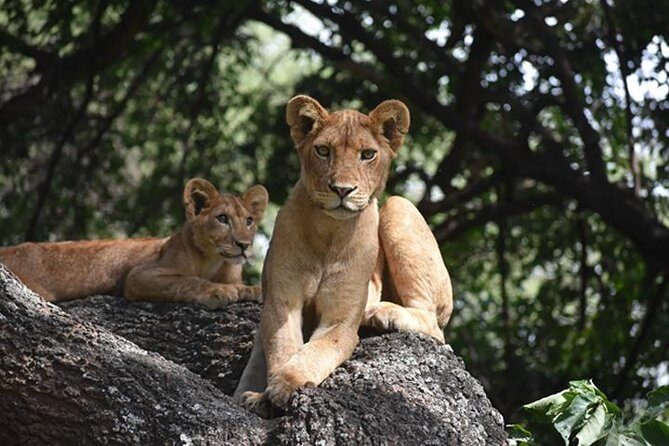
The star feature here is the rare behavior for which Lake Manyara is famous: tree-climbing lions. Even if you don’t get that exact scene, the park still tends to deliver because the setting changes what you can see. Add in that Lake Manyara is also a birding paradise—more than 450 bird species is referenced in the tour info—and you end up with wildlife viewing that isn’t only about the big cats.
Practical value for you: if you’re traveling with someone who gets bored waiting for big cat sightings, this stop can balance the pace. Birds and different habitats keep your eyes busy, so the afternoon drive doesn’t feel like waiting in silence.
A small reality check: wildlife sightings are never guaranteed. If you’re chasing one specific “must-see,” build flexibility into your mood. The itinerary’s second full Serengeti day helps for that.
Serengeti National Park: two days of endless plains time
Serengeti is where most people set expectations, and this tour gives you enough time to meet them. You have:
- Day 3: about 10 hours with game viewing after getting there, plus a drive route passing via the Ngorongoro area.
- Day 4: another about 8 hours dedicated to Serengeti, including packed lunch and an optional walking safari.
The tour info emphasizes the meaning of Serengeti as endless plains and points to the seasonal migration timing (May to December) between central Serengeti and Kenya’s Maasai Mara. Even outside the migration peak, you’re still dealing with wide-ranging herds—wildebeest, zebra, gazelle—and predator activity from lions, leopard, cheetah, hyenas, and jackals.
For your planning, the key point is repetition. A single Serengeti day can be hit-or-miss. Two days gives you better odds that the animals are in the kind of patterns you’re hoping for—plus it gives your guide time to adjust where you drive based on what’s happening that day.
One more thing: the tour includes the option of a walking safari in the heart of Serengeti. That can change the whole experience from sitting-and-waiting to moving slowly and reading signs. If you’re comfortable with walking in the wild, it’s an experience worth asking about.
Ngorongoro Crater: the dawn descent that makes the day feel different
Ngorongoro is not just “another park stop.” It’s a World Heritage Site and a very different kind of game-viewing environment. On this tour, Day 6 is the crater-floor experience: breakfast around 05:50, then descent around 06:00 for about 6–7 hours, with a picnic lunch on the crater floor. You’ll get the up-close feel of the crater’s resident wildlife and return to town in the afternoon.
Why start so early? Because the crater environment tends to reward morning viewing—conditions often make animals easier to spot and photography easier too. Also, you can feel the difference when the day begins on the crater floor rather than arriving late and doing shorter drives.
Then there’s Day 5’s build-up, which is part game drive and part transition toward Ngorongoro. The information includes a Maasai village visit as a value-added stop, plus time to continue the safari route and set up for dinner and overnight before the full crater day.
Two practical considerations here:
- The crater day is long, and you’ll be spending a lot of time looking out for wildlife from changing viewpoints.
- You should dress in layers. Even if the rest of the trip feels warm, dawn and crater conditions can feel cooler, especially early in the day. One review also mentions cold water showers in general camping experience, so pack like you’ll have to manage comfort without luxury guarantees.
Camping, meals, and what “classic” really means on this route
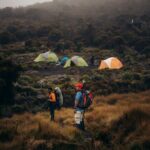
This is called a classic camping safari, and the included meal schedule tells you how the camp rhythm works:
- Breakfast: 5 included
- Lunch: 6 included
- Dinner: 6 included
That matters because it reduces decision fatigue. You’re not hunting for food stops while the day is already full of driving and viewing. Lunches are described as picnic-style on safari days, and dinners are part of the camp routine after you’ve driven back.
On the human side, the reviews attached to this tour include recurring praise for guides and cooks by name. People mention guides such as Hoza and also operators with communication support like Evelyn. For cooking, chefs named Isaac, Nathan, Kevin, and others show up in feedback. I can’t promise you’ll be paired with the exact same team, but the pattern is clear: food quality and organization seem to be a real focus here.
What to plan for as “classic camping”:
- Field conditions can mean dust on fabric and hair.
- Showers may not be warm or consistent. If that would ruin your trip, adjust expectations now.
- Bring simple comfort items: a scarf or mask for dust, a headlamp or small flashlight for camp mornings, and a good water bottle setup.
The good news: because the meals are built into the day, you don’t have to think much once you’re on safari. Your mental load stays on the wildlife.
Price and value: what $1,538.47 buys you in real terms
At $1,538.47 per person for about 6 days, the question isn’t just whether the number looks big. It’s what’s bundled.
From the included list, this cost covers:
- All fees and taxes
- Private transportation
- Game driving
- Meals (breakfasts, lunches, dinners)
It also includes pickup offered and uses a mobile ticket format. In safari pricing, those details add up quickly. Park fees and transportation are usually two of the biggest line items, and they’re often what make short “budget” trips feel cheaper on paper but more expensive once you add everything later.
The private transportation angle is particularly meaningful. With safari, the biggest time-waster is not driving—it’s losing time. A dedicated vehicle and small group size (max 6) typically helps you adjust faster when sightings happen.
Where value can vary: camping comfort isn’t described in detail here. So if you care a lot about bed type, shower setup, or temperature control, you’ll want to ask before you book. If you’re okay trading a bit of comfort for a front-row seat to the wildlife, this looks like a strong deal for what’s included.
How to get the most from each day (without burning out)
This circuit is intense. The way you handle it is simple: plan to be flexible and pack smart.
Here are practical moves that fit what’s described and what shows up in experience feedback:
- Pack for dust and sun: a mask can help, and you’ll want sunglasses and sunscreen.
- Bring binoculars if you have them. Reviews specifically recommend having good binoculars and a camera ready.
- Keep layers for early starts, especially around crater morning timing.
- Don’t overplan your day outside the safari. The itinerary already runs long. Your best photos often come from being rested enough to scan patiently.
Also, give yourself permission to enjoy repetition. Serengeti is not just “more of the same.” The animals shift across time and location. Two days means you can catch different behavior—mating, hunting, feeding, and the calm moments between.
Finally, respect the guide’s pace. When you’re driving off a sighting, the best results often come from stopping where the action is rather than racing to the next viewpoint.
Who this safari fits best
This tour fits best if you:
- Want a classic northern Tanzania loop with Tarangire, Lake Manyara, Serengeti, and Ngorongoro as the core
- Like a small-group feel (max 6) and a private vehicle plan
- Are comfortable with moderate physical demands typical of camping travel and long days of game driving
- Want a mix of wildlife types: elephants, big cats (including tree-climbing lions possibility), and crater-floor viewing
It may be less ideal if you:
- Expect luxury hotel comfort every night
- Need frequent warm showers or very smooth roads
- Hate early mornings and long driving days
Should you book this 6-day classic camping safari?
I’d book it if your priority is straightforward safari value: multiple parks, multiple big viewing days, and meals and park logistics handled for you. The route is built for variety—Tarangire to Manyara to Serengeti to Ngorongoro—and it includes one of the most distinctive safari setups on the continent: a crater-floor morning with a long game-drive session.
I’d think twice only if camping comfort is a dealbreaker for you or if you can’t handle early starts and dusty, bumpy driving. If that’s you, ask detailed questions first about camp setup and shower conditions, and confirm what “optional walking safari” involves.
If you’re ready for the real safari rhythm, this itinerary offers a lot of wildlife time per day, and that’s the currency that matters most.
FAQ
How long is this safari?
It’s a 6-day trip, listed as approximately 6 days.
Where does the safari start?
The tour is associated with Moshi, Tanzania, and pickup is offered from your hotel. The listed start point is Kilimanjaro Airport, Tanzania.
What parks are included in the 6 days?
Tarangire National Park, Lake Manyara National Park, Serengeti National Park, and Ngorongoro Crater/Ngorongoro Conservation Area.
Is admission included?
The tour indicates that all fees and taxes are included, and the itinerary also notes admission tickets as included or free on specific days.
What meals are included?
Breakfast is included 5 times, lunch 6 times, and dinner 6 times.
How many people are in the group?
The maximum group size is 6 travelers.
Is the walking safari included?
A walking safari in the heart of Serengeti is listed as an option. The tour info does not clearly state whether it is included or only available on request.