REVIEW · TANZANIA
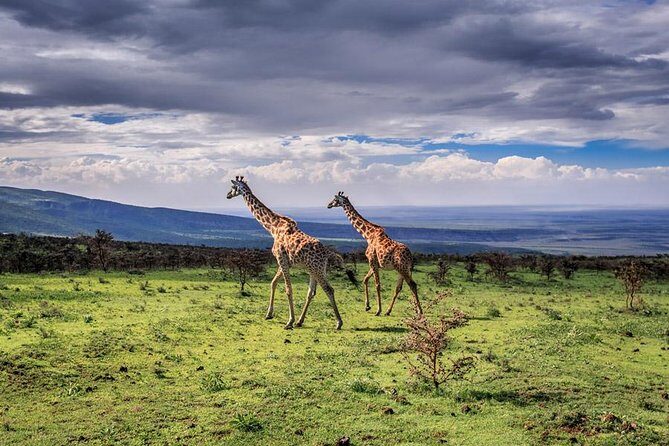
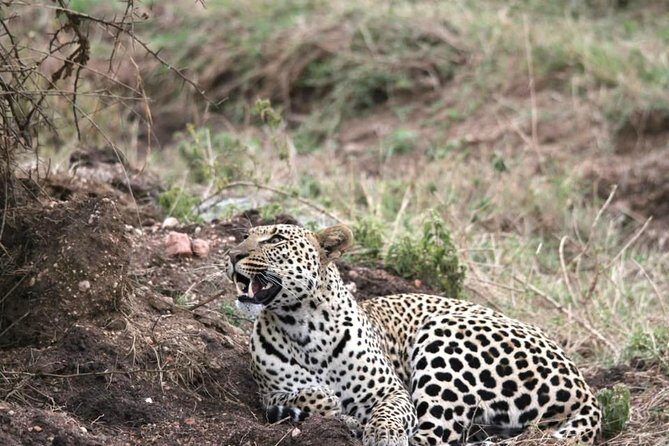
Spotting Africa Big Five (5) animals.
Book on Viator →Operated by Safari Bike Africa, Ltd · Bookable on Viator
Wildlife is the whole point here.
This 3-day private safari in Tanzania is built for Big Five spotting, with long game drives through Tarangire and Ngorongoro, then Lake Manyara for lions and birds. I like that the pace is serious—private transport means you’re not stuck waiting on other groups—and that the plan targets classic northern parks where the animals come with storybook scenery.
What I really love is how the days are arranged for maximum animal time: a full day in Tarangire, then a long Ngorongoro Crater outing, then a focused Lake Manyara visit. You’ll also get value from the “no guesswork” package: accommodation (camping plus lodges), meals, and admissions are included, so you can spend your energy on scanning trees, grass, and crater floors instead of figuring logistics.
One thing to consider: wildlife timing is always a gamble. Even with a strong route, seeing every Big Five animal on the clock isn’t guaranteed, and the experience requires good weather to run as planned. If you’re the type who needs perfect certainty, plan for flexibility.
In This Review
- Key things that make this safari work
- Big Five in 3 days: how this route raises your odds
- Tarangire National Park: elephants, baobabs, and lion country (Day 1)
- Ngorongoro Crater: your best chance to spot lions, leopard, buffalo, and rhino (Day 2)
- Lake Manyara: tree-climbing lions, buffalo, and birding for a different kind of payoff (Day 3)
- Price and value: what you’re paying for at $1,410 per person
- Comfort on safari: camping and lodge nights, plus meals that keep you going
- How private transport changes your safari day
- What to pack (and what to plan for) on a Big Five rush
- Who this 3-day Big Five safari suits best
- Should you book this Big Five safari with these days?
- FAQ
- How long is the safari?
- Which parks are included?
- Can I see the Big Five on this safari?
- Is this tour private?
- What is included in the price?
- Do I need to worry about canceling?
- Does weather affect the experience?
Key things that make this safari work
- Private, not crowded: your group drives and explores together, so you move faster and wait less.
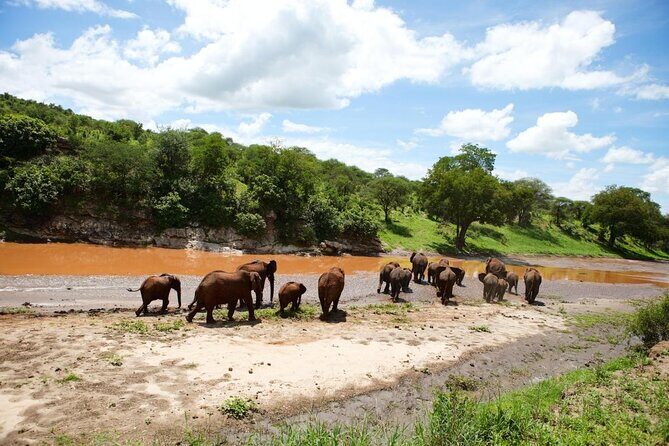
- Tarangire’s elephant and baobab energy: elephants in the plains with iconic trees and lion activity in the same areas.
- Ngorongoro for your Big Five odds: the crater outing is built around lion, elephant, buffalo, leopard, and rhinoceros opportunities.
- Lake Manyara’s tree-climbing lion chance: plus buffalo sightings and birding, in a short, focused stop.
- All-in planning: accommodation, meals, transport, and park tickets are included, with mobile ticket convenience.
Big Five in 3 days: how this route raises your odds
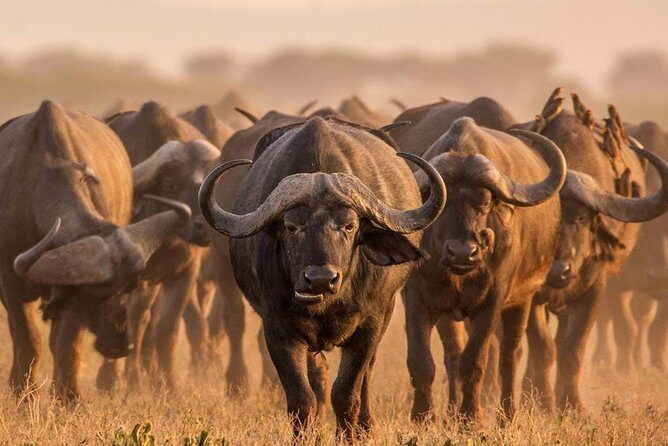
A Big Five safari is equal parts nature and timing. Animals don’t schedule themselves, so the smartest thing you can do is maximize time in the right habitats and reduce wasted hours.
That’s why this route clicks. Tarangire sets you up with elephants and predators in a park known for big animal energy. Then Ngorongoro Crater is where your chance to tick off the Big Five gets real, because the crater concentrates wildlife into a smaller area with varied habitat. You end with Lake Manyara to add a different flavor—birdlife and the chance of the famous tree-climbing lion—without dragging the trip into week-long territory.
You’ll also appreciate that the tour is private. Shared safaris are fine when you’re on a budget and don’t mind delays. But here, when you’re trying to spot specific animals, fewer variables help.
You can also read our reviews of more tours and experiences in Tanzania.
Tarangire National Park: elephants, baobabs, and lion country (Day 1)
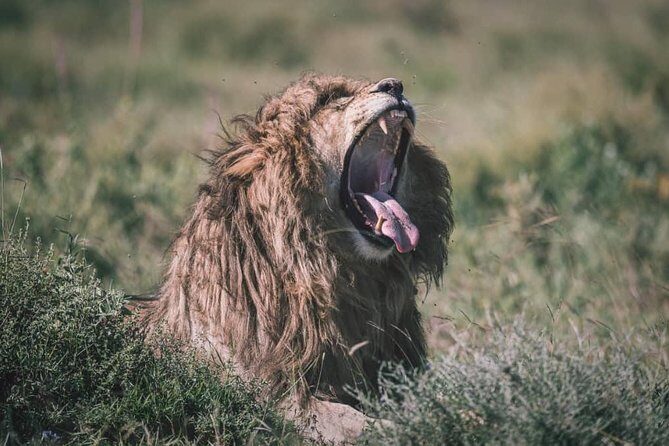
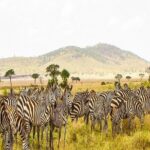
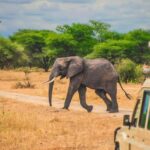
Day 1 is all about getting into a park where elephants feel like the headline. Tarangire National Park is described as an elephants playground, with lots of baobab trees and lion activity on the plains. That matters because it shapes your photo and viewing rhythm.
Here’s what you can expect in practical terms:
- Longer time on the ground: the day is listed at 8 hours, so you’re not doing a quick drive-by.
- Shared habitat for big animals: elephants and lions both operate in the same broader zones, which can mean more chances for exciting overlaps.
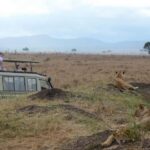
- Big cat behavior in open country: lions breed and feed in these plains mostly, so your guide can time sightings around the way predators use open space.
A small but helpful tip: when you’re in a park like Tarangire, you’ll see more than just the animals. You’ll learn how they use the land—elephants moving with purpose, lions taking advantage of open sight lines. That’s the difference between seeing animals and understanding why they’re where they are.
Potential drawback: Tarangire can be a wildlife-heavy day, which is thrilling, but it also means you’ll want to stay alert even after the first great sighting. Don’t burn out early.
Ngorongoro Crater: your best chance to spot lions, leopard, buffalo, and rhino (Day 2)
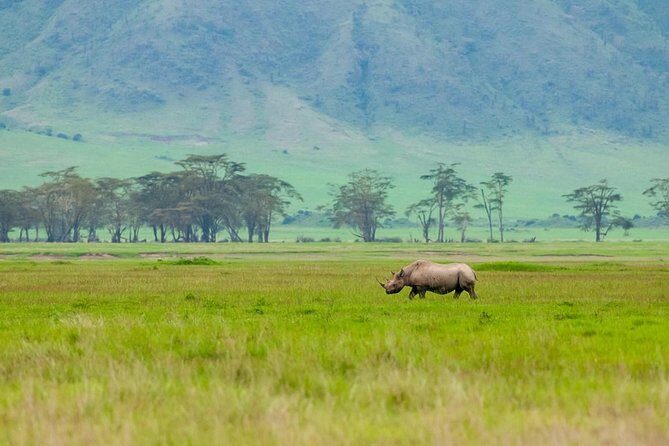
If Day 1 is about setting the scene, Day 2 is about chasing the checklist.
Ngorongoro Crater is where this safari centers your Big Five goal: the plan explicitly points to opportunities to see the lion, elephant, buffalo, leopard, and rhinoceros. The crater’s value is concentration. You’re not driving endless miles across different landscapes—you’re working a focused area where wildlife can be encountered in a compressed time window.
What I think makes this day particularly strong for people who want Big Five sightings:
- A long crater outing (10 hours): that’s crucial because leopards, rhinos, and lions each have different rhythms. More hours means more chances at the same targets.
- Built-in “how to search” focus: even without adding fancy promises, the crater rewards patience and a skilled driver/guide who knows where animals tend to appear at different times of day.
- Different animals, one mission: instead of chasing one species, this day is structured around multiple animals that can be in play across the crater.
Real talk: leopard sightings are often the most unpredictable. Same with rhino. But because this day is long and crater-focused, you aren’t forced to “hope” while also spending your time on transit.
Possible consideration: crater days often feel physically and mentally intense. You’ll be scanning a lot, watching for movement in grass or spotting heads and ears peeking from the right angle. If you’re the type who gets restless, bring a game plan—water, breaks when offered, and no doom-scrolling on your phone.
Lake Manyara: tree-climbing lions, buffalo, and birding for a different kind of payoff (Day 3)
Day 3 shifts gears. Lake Manyara is known for the tree-climbers—so yes, the famous tree-climbing lion gets mentioned—and also for buffalo and birding.
What makes this park a good finishing act:
- It’s not the same viewing pattern as the crater. Tree lines, rocks, and water-adjacent habitats can bring you different sightings than open plains.
- Birding adds variety to the Big Five focus. Even if you’re hunting mammals, birdlife gives you visual breaks and keeps the day feeling full.
- Short, focused timing: Lake Manyara is listed at 10 minutes, which suggests a brief slot compared with the earlier days. If that’s accurate for your schedule, treat it like a sprint: prioritize the sights you came for—tree climbers, buffalo, and birds—then let the day flow.
Potential drawback: if Lake Manyara is truly a short stop on your specific schedule, you may want to be ready to act fast when something moves in the trees or on the shoreline.
Price and value: what you’re paying for at $1,410 per person
Let’s talk money the honest way. $1,410 per person for roughly three days isn’t cheap, but it can be good value when you look at what’s included.
From the tour details, you’re getting:
- Pickup offered and hassle-free transfers
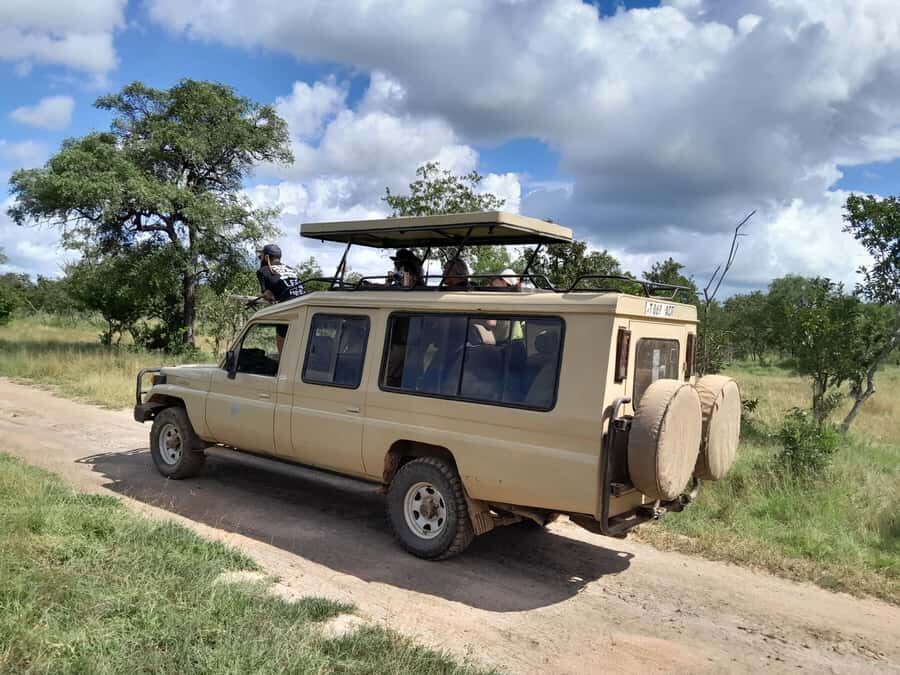
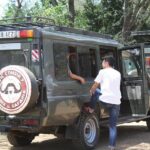
- Private transport
- Accommodation (comfortable camping and lodge options)
- Meals included
- Admission tickets included
- Mobile ticket
When this all bundles together, you’re not juggling separate invoices for transport, park entry, and guided time. That’s the real value here. In safari planning, the hidden cost is time and decision fatigue. This format basically removes it, so you can spend the days doing the one thing that matters: spotting animals.
Where the cost could feel less worth it is if you’re the type who wants lots of free time or totally independent wandering. This is a guided, structured safari. You’re buying access to parks, time in the car, and curated movement between targets.

Comfort on safari: camping and lodge nights, plus meals that keep you going
This tour lists comfortable camping and lodge accommodation, plus meals all included. That combination matters because it balances “wild” with “don’t suffer.”
Here’s the practical way to think about it:
- Camping nights can feel more authentic and closer to the rhythm of the bush, but you’ll want to pack for basic comfort needs (warm layers, sleep basics).
- Lodge nights usually give you more straightforward comfort—showers and a calmer vibe—so you can reset between long driving days.
- Meals included are a big deal because safari days run on wildlife time, not restaurant hours. When food is handled, your head stays in spotting mode.
I also like that the tour is designed for private groups. In a shared safari, a single person taking long for meals or bathroom stops can slow everyone down. Here, the group rhythm tends to feel smoother.
How private transport changes your safari day
Private safari isn’t just about comfort. It can change your results.
When you’re traveling with only your group:
- You reduce waiting around for other vehicles.
- You can follow your guide’s calls about where animals might be.
- You tend to get steadier momentum, which matters on long park days.
The tour also emphasizes that you’ll have hassle-free hotel transfers and private transport. That reduces the “start day chaos” that can eat half a morning in big travel cities.
One more detail I appreciate: the tour notes it’s private, only your group participates. That’s the kind of small wording that often leads to a big difference on the ground.
What to pack (and what to plan for) on a Big Five rush
You’re moving through parks where you’ll likely spend hours seated in a vehicle, scanning the edges of grass, trees, and crater slopes. Keep packing simple, functional, and weather-aware.
Based on the tour info, here’s what matters:
- Good weather is required for the experience to run as scheduled. Pack for sun and changing conditions, and expect that rain can affect plans.
- Moderate physical fitness is recommended. You won’t be asked to do extreme hiking based on the tour outline, but you should be comfortable with long day drives and some standing at viewpoints.
- Bring essentials for long drives: water, sun protection, and anything that helps you stay focused when the action slows down.
If you’re a first-timer, my rule is boring: dress in layers, keep your day bag light, and don’t rely on luck for your comfort. You’ll spot more when you feel good.
Who this 3-day Big Five safari suits best
This safari fits best if you:
- Want a focused, high-priority animal route in northern Tanzania.
- Care about reducing crowds and delays with a private setup.
- Like the idea of doing a long crater day instead of hopping around too much.
- Are okay with the reality that wildlife sightings are never 100% guaranteed on any schedule.
It may be less ideal if you:
- Need tons of downtime or flexible independent exploration.
- Travel for very specific hobbies that require long stays in one place (like all-day bird hides or deep museum-style breaks).
- Get stressed by the weather factor. If conditions are poor, the plan can shift.
Should you book this Big Five safari with these days?
I’d book it if your goal is simple: more time in the right parks, a private approach that cuts waiting, and a package that handles the stuff that usually adds friction—transport, admissions, meals, and accommodation.
This isn’t a “collect stamps” tour. It’s a deliberate three-day push toward the Big Five, with Tarangire for elephants and lions, Ngorongoro Crater for your best odds at the full set, and Lake Manyara to add tree-climbing lion chances and birding.
If you’re flexible and comfortable with the rhythm of safari driving, you’ll likely love how focused the experience feels. If you need guaranteed sightings of every animal in a checklist, I’d adjust expectations first. Nature doesn’t care about calendars.
FAQ
How long is the safari?
The tour runs for about 3 days.
Which parks are included?
You visit Tarangire National Park, Ngorongoro Crater, and Lake Manyara.
Can I see the Big Five on this safari?
The plan is designed for Big Five opportunities, including lion, elephant, buffalo, leopard, and rhinoceros.
Is this tour private?
Yes. It’s a private tour/activity, and only your group participates.
What is included in the price?
Pickup and hassle-free transfers are offered, and the package includes accommodation, meals, private transport, and admission tickets. There is also a mobile ticket.
Do I need to worry about canceling?
You can cancel up to 3 days in advance for a full refund. If you cancel later than that, the amount paid will not be refunded.
Does weather affect the experience?
Yes. The experience requires good weather. If it’s canceled due to poor weather, you’ll be offered a different date or a full refund.