REVIEW · ARUSHA
3-Day / 2 Nights Group Safari Serengeti & Ngorongoro Crater
Book on Viator →Operated by Budget Safaris Tanzania · Bookable on Viator
Seeing animals at sunrise changes everything. This 3-day group safari links classic Serengeti game viewing with a full Ngorongoro Crater day, plus camping that keeps you close to the rhythm of the park. I love the way the schedule gives you both an afternoon sunset drive and a morning sunrise drive, and I also like that you get solid “all-in” safari logistics like park fees, camping gear, and meals.
One thing to think about first: part of the experience is camping at Seronera campsite, so if you want a pure hotel-style trip or you hate early starts, this may feel like a workout.
In This Review
- Key highlights you’ll feel fast
- How the Serengeti + Ngorongoro combo pays off
- Arusha to Serengeti: your first game drive starts before you finish packing
- A small timing note
- Day 1 in the Serengeti: the sunset window that people remember
- Seronera campsite on FB basis: camping that doesn’t feel like punishment
- What to consider for comfort
- Day 2 in Serengeti: sunrise viewing is where your eyes learn fast
- Why two Serengeti drives matter
- Overnight base in the Ngorongoro area
- Ngorongoro Crater: the day you get humbled by scale
- A practical reality check
- Your guide can make or break the safari
- What’s included (and what that saves you)
- One more note on taxes
- Logistics that help: hotel pickup, mobile ticket, and small-group flow
- How to think about comfort when you’re camping
- Who this safari suits best
- Should you book this 3-Day Safari?
- FAQ
- What is the duration of the safari?
- Where does the tour start?
- What areas does this safari include?
- Where do you sleep during the tour?
- What meals are included?
- What camping gear is provided?
- Does the tour include a guide?
- Are park fees included?
- What is not included in the price?
- What is the cancellation rule?
Key highlights you’ll feel fast
- Small group size (max 4) helps the day feel more personal and easier to manage.
- Two Serengeti game-drive sessions: sunset viewing Day 1 and sunrise viewing Day 2.
- Seronera campsite stay on FB basis with practical camping gear included.
- Ngorongoro Crater floor time with wildlife close to the vehicle, including black rhinos (when present).
- All park fees and 4×4 pop-rooftop setup means fewer surprises and better game-view comfort.
- Guides praised by name in feedback, including Blessing and Lucas, for calm driving and strong wildlife spotting.
How the Serengeti + Ngorongoro combo pays off
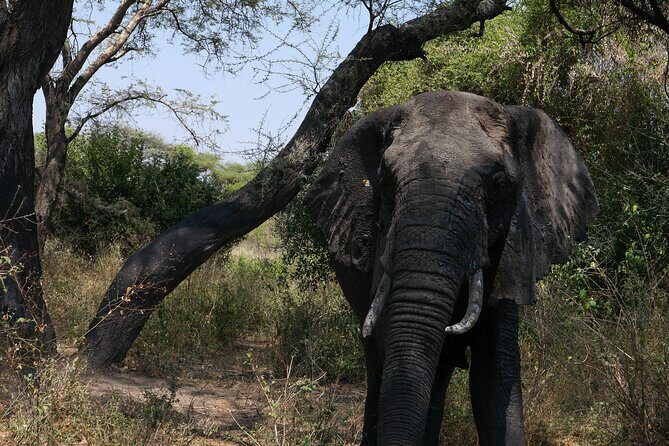
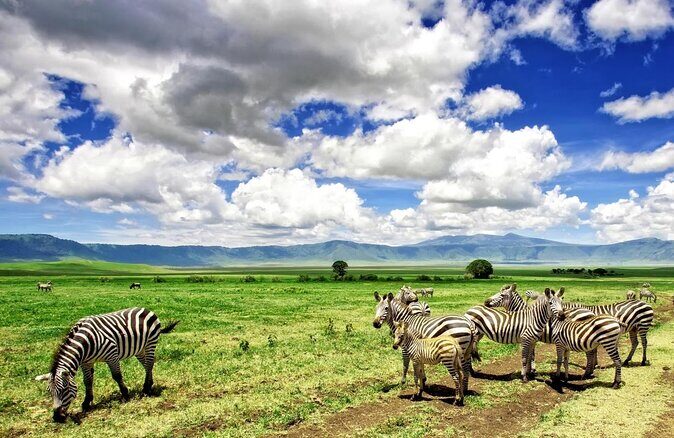
This safari works because it stacks wildlife odds across two different ecosystems. Serengeti gives you wide-open viewing and big animal movement, while Ngorongoro Crater concentrates a lot of wildlife into one dramatic bowl.
You’ll also like the pace if you’re the type who wants to see more than one “mood” of the park. You’re not just doing a single drive and calling it a day. You’ll do early starts, long viewing windows, and then proper breaks built into the rhythm of the tour.
Finally, the small group size (up to 4 travelers) is a quiet advantage. It tends to make morning departures smoother, and it usually means you’ll get more attention from your guide in the field.
A few more Arusha tours and experiences worth a look
Arusha to Serengeti: your first game drive starts before you finish packing
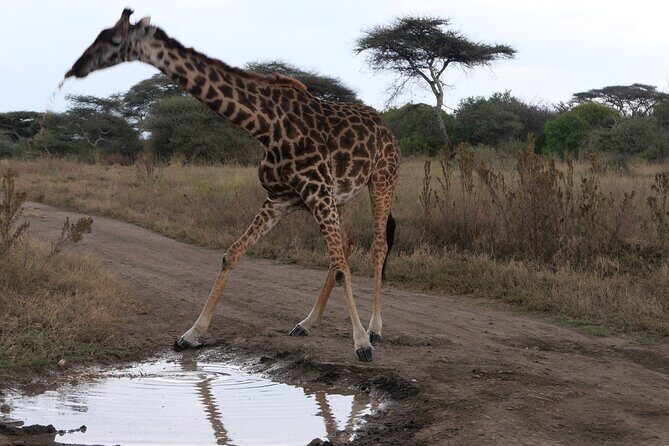
Most departures run early, with pickup around 6:00am and a first departure from Arusha/Moshi area in the early morning window. The drive to Serengeti goes through the Ngorongoro Conservation Area, and you’ll use the route for game viewing too.
This first day has a classic arc:
- Leave early.
- Arrive mid-afternoon.
- Then squeeze in a serious sunset game drive that runs until evening.
Why that matters: sunset is when animals often get active and lighting makes spotting easier. You’re also less likely to feel like you’re “rushing” only to arrive late.
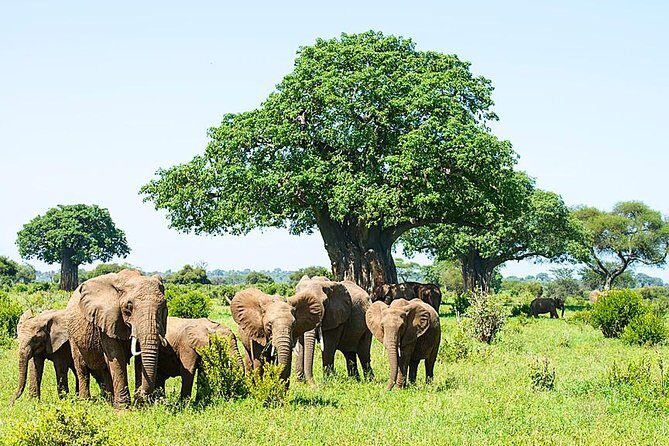
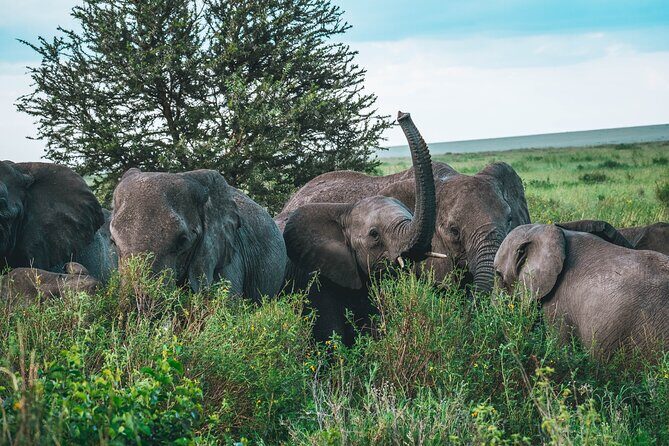
What you can realistically expect to see here (based on the tour description): buffalo and wildebeests, elephants and giraffes, impala and Grant’s gazelle, plus cats like lions and leopards when conditions align.
A small timing note
The drive length is part of the deal. You’re in Tanzania for wildlife, so travel time isn’t a side quest—it’s how you reach the areas where the animals are.
Day 1 in the Serengeti: the sunset window that people remember
Once you reach Serengeti, you’re not stuck with a short session. You’ll have a game drive until sunset, which is usually when the park feels most alive.
This is also where you’ll start building your own mental “map” of what you’re seeing. Serengeti isn’t just about big mammals. You’ll pick up patterns: grazers moving in groups, predators tracking activity, and birds doing their own busy work.
The tour description calls out species that show up often, including zebra, eland, and gazelles. And because it’s a real game drive (not a checklist stop), you can catch surprises too. If you’re new to safari, this first evening is a great orientation—your guide can point out tracks, tell you what behavior to watch, and help you understand what you’re seeing in motion.
Seronera campsite on FB basis: camping that doesn’t feel like punishment
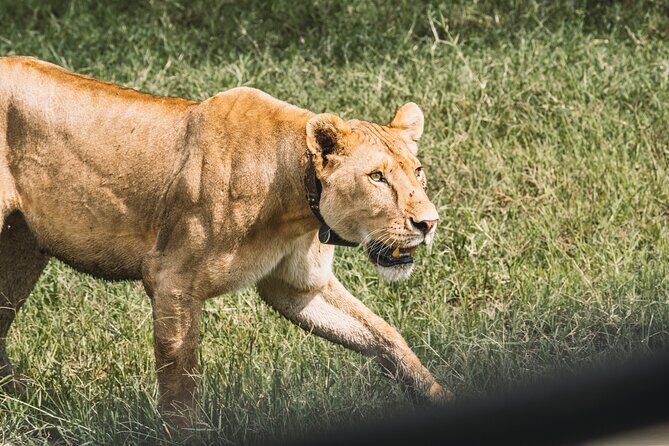
You’ll spend the first night at Seronera campsite on a full-board basis. That means you’ll have meals included and you’ll be sleeping with the kind of sounds that remind you you’re not in a city.
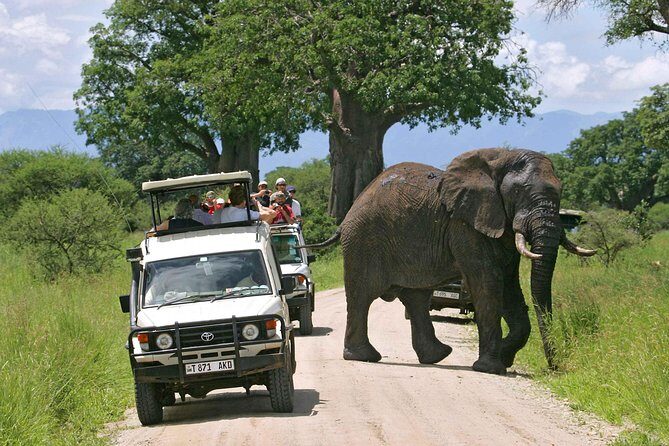
The tour includes camping gear, including a tent, sleeping bag, mattress, and mosquito net. It also includes the 4×4 pop-rooftop vehicle, which is a big deal for comfort and visibility during drives.
Here’s what this does for your trip: it lets you spend your money on experiences instead of renting gear or scrambling last-minute. It also keeps the trip grounded in how many people actually do safari in this region—simple, practical, and very close to nature.
A few more Arusha tours and experiences worth a look
What to consider for comfort
Camping is not “luxury living,” and that’s okay. If you’re sensitive to sleeping conditions (heat, humidity, noise), plan to take the sleeping setup seriously and keep your expectations realistic. The included mosquito net helps, but you still want to be mentally prepared.
Day 2 in Serengeti: sunrise viewing is where your eyes learn fast
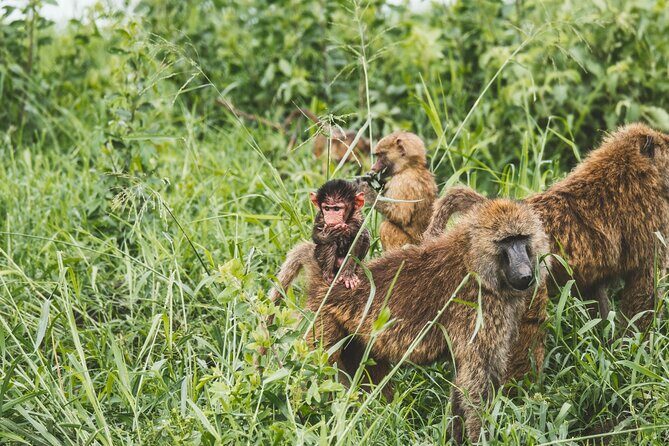
Day 2 starts early for a sunrise game drive. The goal here is straightforward: catch animals while the day is young and wildlife is active.
Your drive continues until the early afternoon. Then you’ll either return for a hot lunch or take a lunch pack—so you won’t be stuck waiting around.
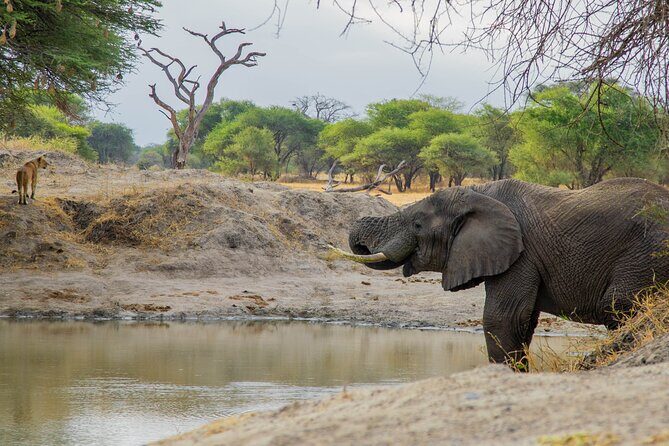
After that, you head back through Serengeti and the Ngorongoro Conservation Area with additional game viewing en route. The tour description highlights sightings of lions, leopards, cheetahs, zebras, wildebeest, gazelles, and hyenas.
Why two Serengeti drives matter
A lot of safari trips feel repetitive. This one reduces that risk by changing the time of day. Day 1 leans toward sunset; Day 2 leans toward sunrise and then later afternoon travel-time viewing.
For you, that means better chances to see different behaviors. Animals often hunt, feed, or move differently at dawn compared to late day. And for first-timers, it’s also how you start to understand the park beyond one lucky sighting.
Overnight base in the Ngorongoro area
On Day 2, you’ll stay at accommodation in the Ngorongoro area in your chosen category. You’re not just “transiting” here—you’re positioning yourself for the crater morning.
Ngorongoro Crater: the day you get humbled by scale
Day 3 is the big one: after breakfast, you’ll head out with a picnic lunch packed for the crater game drive. You’ll explore until late afternoon and then drive back toward Moshi/Arusha.
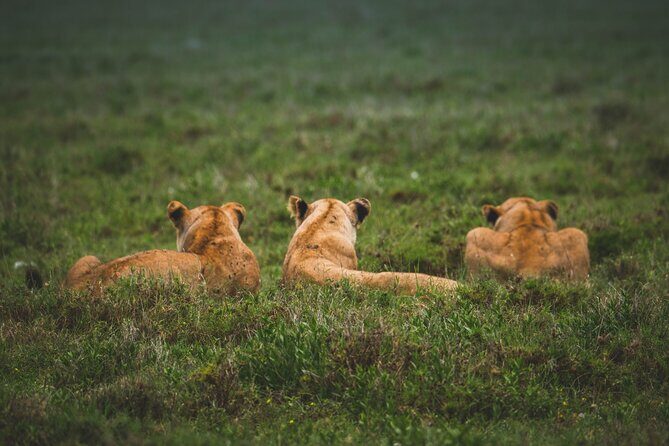
Ngorongoro Crater is described as a real-life Eden, with abundant wildlife that can get very close to the vehicle. The tour description lists a huge mix of animals living on the crater floor, including:
- Black rhinos (not guaranteed, but listed as a remaining population)
- Zebras, gnu (gnus), gazelles, buffalos
- Lions, hippos, elephants, elands
- Hyenas
- Aquatic birds
The standout point for most people is density. A crater environment concentrates food and water, so you often get more sightings in a shorter span than you might in a wider plain.
A practical reality check
This is also a long day. Even if the animals are doing most of the work, you’ll be spending significant time driving down and around the crater environment. If you have back or motion sensitivity, plan to take quick posture breaks and wear comfortable layers.
Your guide can make or break the safari
This tour includes an English guide, and the value shows up in real-world feedback. In reviews, people highlight guides named Blessing and Lucas for being calm, patient, and knowledgeable about habitat and how animals use it. One review also credits Blessing with a “safe and looked after” feeling, and even helping negotiate purchases and giving good recommendations.
You’ll want a guide who can do three things well:
- Spot animals fast and explain what you’re looking at
- Read movement and behavior, not just luck
- Drive smoothly and confidently over long distances
When you get that, the safari feels less like you’re searching and more like you’re watching a live system work.
What’s included (and what that saves you)
At $1,080 per person, this isn’t a cheap outing. But it’s built to reduce hidden costs, and that’s where the value comes in.
Included highlights:
- All park fees
- Camping equipment (tent, sleeping bag, mattress, mosquito net)
- Meals and soft drink across the days (3 meals per day are listed)
- Drinking water on all days
- All taxes/VAT
- Pickup and drop-off in Arusha town (and airport transfers are included)
- A professional driver/guide
- 4×4 pop-rooftop vehicle
- Mobile ticket
Not included:
- International flights
- Tips
- Personal expenses
Here’s the “real value” angle: park fees, food, vehicle time, and guide support add up quickly on safari. If you’ve ever tried to assemble parts of a safari yourself, you know it can get expensive fast—and complicated. This package handles many of the major line items for you.
Also, the group limit (max 4 travelers) suggests you’re not splitting vehicle and guiding costs among a huge crowd. That can matter for your comfort and for how easy it is to ask questions in the moment.
One more note on taxes
Since taxes/VAT are included, you won’t be surprised by a last-minute bill for parts of the cost. That kind of clarity is worth something.
Logistics that help: hotel pickup, mobile ticket, and small-group flow
This experience includes pickup from your hotel in Arusha town and drop-off. It also lists airport transfer as included, and you’ll receive a mobile ticket.
The practical benefit is simple: you spend less time figuring out the first hour of the trip, and you can start focusing on the wildlife plan. For safari, the first morning is a big part of the outcome. If things run on time, your body clocks adjust faster and you get more from the early drives.
How to think about comfort when you’re camping
Because the tour provides camping basics—sleeping bag, mattress, and a mosquito net—you won’t need to pack safari sleeping gear. That reduces both weight and stress.
Still, camping means you should treat your personal comfort like part of the trip planning. Wear clothing you can layer for morning and evening temperatures, keep essentials easy to reach, and remember that safari days run on time, not on your personal pace.
The pop-rooftop vehicle also changes the comfort equation. Even when road bumps happen, it’s designed for wildlife viewing—so you spend less time contorting for sightlines and more time watching.
Who this safari suits best
This is a strong fit if:
- You want a classic Serengeti + Ngorongoro route in a short window
- You’re happy with camping and like the idea of sleeping close to the wild
- You want a small group (up to 4) and a guide who handles spotting and driving
- You’re a first-timer who would benefit from an English-speaking guide
It might be less ideal if:
- You strongly prefer hotels every night
- You’re not comfortable with early starts and long driving days
- You’re expecting a gentle, low-effort itinerary
Should you book this 3-Day Safari?
If your goal is to see Serengeti in two key light conditions and then experience Ngorongoro Crater with lots of wildlife close to the vehicle, I’d say this is a smart choice. The package is built to remove the usual safari friction points: park fees, meals, camping gear, and major logistics are handled, and the small group size helps keep the experience personal.
Book it if you’re okay with camping and you can get excited about early mornings. Skip it or consider an alternative if hotel comfort is non-negotiable for you.
FAQ
What is the duration of the safari?
The safari runs for 3 days and about 2 nights.
Where does the tour start?
It starts in the Arusha/Moshi area, with pickup offered in Arusha town, and an early departure time (start time listed as 6:00am).
What areas does this safari include?
It includes Serengeti National Park for game drives and a Ngorongoro Crater game drive from the Ngorongoro Conservation Area.
Where do you sleep during the tour?
One night is at Seronera campsite on a full-board basis, and another stay is in the Ngorongoro area in your chosen accommodation category.
What meals are included?
Meals are included each day, with lunch and dinner (and also breakfast) listed as part of the included package, plus soft drinks.
What camping gear is provided?
The tour provides camping gear including a tent, mattress, sleeping bag, and mosquito net.
Does the tour include a guide?
Yes. It includes a professional driver/guide and an English guide.
Are park fees included?
Yes. All park fees are included, and the tour also lists admission tickets as free.
What is not included in the price?
International flights, tips, and personal expenses are not included.
What is the cancellation rule?
You can cancel up to 24 hours in advance for a full refund. If you cancel less than 24 hours before the experience start time, the amount paid is not refunded.