REVIEW · ARUSHA
Private Multi Day Tour Tanzania Safari
Book on Viator →Operated by Sana Wild Experience · Bookable on Viator
Six days, four wild-country classics. I like the way Seif keeps the safari moving at a calm pace so you can watch and photograph without that frantic rush, and he explains what you’re seeing in a way that actually helps. I also like that park entry fees and government taxes are handled for you, so your time stays in the parks instead of in ticket lines.
This kind of private route is efficient, but it is still a lot of driving. If you get carsick or you hate long hours on safari roads, plan ahead—long drives are part of the deal when you cover this many ecosystems in under a week.
In This Review
- Key Highlights Before You Go
- A Fast, Private Route Through Northern Tanzania
- Day 1: Tarangire After Landing (and Why That River Matters)
- Day 2: Lake Manyara for Birds, Baobabs, and the Tree-Climbing Lion Dream
- Day 3: Ngorongoro Crater Descent and Big Five Probability
- Day 4: Serengeti Sunrise to Evening Drives
- Day 5: Another Serengeti Day (Because One Isn’t Always Enough)
- Day 6: Mto wa Mbu Walking Time and the Arusha Finish
- Price and What You’re Really Paying For (Not Just “A Safari”)
- Your Guide Makes the Difference: What Reviews Highlight
- Who This Safari Suits Best (and Who Should Adjust Expectations)
- Should You Book This Private Multi Day Safari?
- FAQ
- FAQ
- Where does the safari start and end?
- How long is the safari?
- Which parks are visited?
- Is pickup offered?
- What’s included in the price?
- What’s not included?
- Is free cancellation available?
- Is the tour private?
Key Highlights Before You Go
- Seif as your guide: multiple reviews stress his professionalism and ability to spot animals.
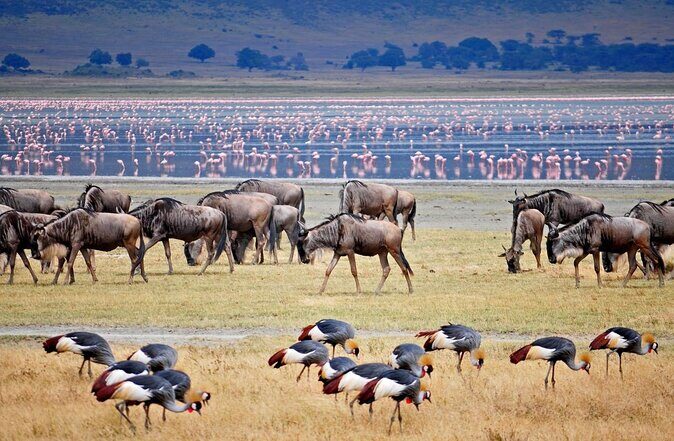
- Big Five odds in Ngorongoro: a crater morning where wildlife density can be shockingly high.
- Two Serengeti days: enough time to hunt for different animal moments, not just one quick pass.
- Umbrella acacia picnic lunches: a nice rhythm break from game drives.
- Drinks included during the safari: unlimited soft drinks, plus beer and wine along the way.
A Fast, Private Route Through Northern Tanzania
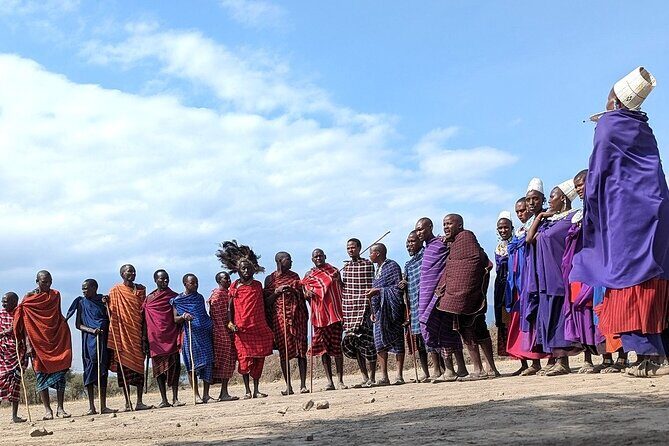
A good Tanzania safari isn’t only about animals. It’s also about how the days feel—whether you’re rushed, whether you get time to settle in, and whether your guide can read the park. This tour leans into that practical style.
You start in Arusha, then move through some of the north’s most dramatic habitats in a tight six-day rhythm: Tarangire, Lake Manyara, Ngorongoro Crater, and Serengeti. It’s a classic circuit, but the private format helps you slow down when an interesting animal moment happens instead of watching everyone else wait.
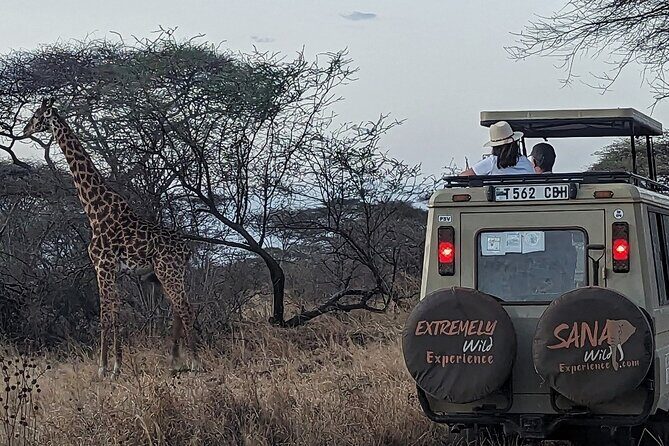
One extra detail that matters: you’re in a photographic-roof 4WD. That roof height is real value when you’re trying to spot lions on the move, birds in trees, or groups of wildlife that blend into the grass.
You can also read our reviews of more private tours in Arusha

Day 1: Tarangire After Landing (and Why That River Matters)
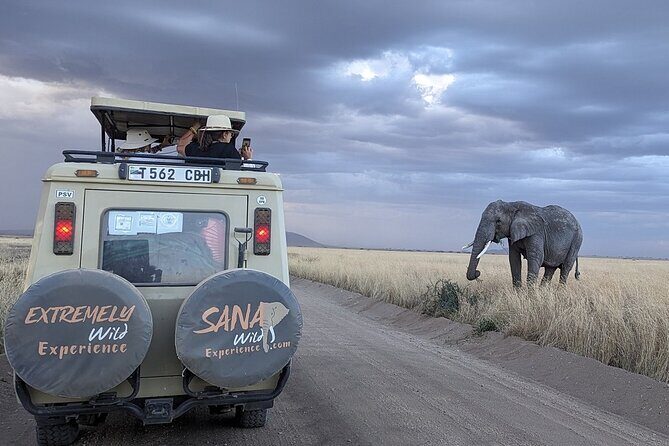
Your first day starts with a drive out of the Arusha area toward Tarangire National Park, about 210 km away. Even before you get out of the vehicle, the landscape starts telling a story: Tarangire sits around the Tarangire River, and that river is described as the only permanent water for wildlife in the area.
That point is more than trivia. When water is consistent, animals come back—especially when other places dry out. The park is known for strong wildlife concentrations, including elephants, wildebeest, and zebras, and the timing after the long rains is often when animals shift back toward reliable water.
The tour also builds in a proper break: you’ll enjoy a picnic lunch under umbrella acacias. In safari terms, that’s not just cute scenery. It’s a moment to cool off, reset your camera batteries, and get your legs working before the afternoon keeps rolling.
Practical note: Tarangire is a long first-day push from the airport. If your arrival time is tight, I’d treat this as a “get your bearings fast” day rather than expecting peak sightings every hour.
Day 2: Lake Manyara for Birds, Baobabs, and the Tree-Climbing Lion Dream
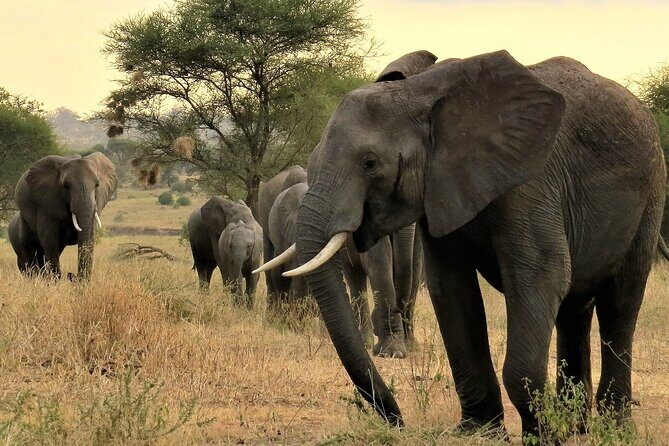
Day two takes you to Lake Manyara National Park, set beneath the Manyara Escarpment on the edge of the Rift Valley. This park can feel like a collection of small worlds in one area: groundwater forests, cliffs, bush plains, and even hot springs. And yes—the bird life is a big part of why people stop here.
If you care about diversity, Manyara has it. You’re not only looking for mammals. You’ll likely spot different habitats that support different animals and birds. The alkaline Lake Manyara is specifically mentioned as a reason the bird numbers can be so impressive.
Then there’s the famous wild-card: tree-climbing lions. Are they guaranteed? Nothing in wildlife is. But this is one of the places where it’s a real possibility, and your guide’s instincts matter.
The tour includes a full day here with time for game viewing and scenery breaks, and the park is also described as worth stopping even if you did not have a multi-park itinerary. That’s a good sign if you want your days to feel meaningful, not like checkboxes.
Day 3: Ngorongoro Crater Descent and Big Five Probability
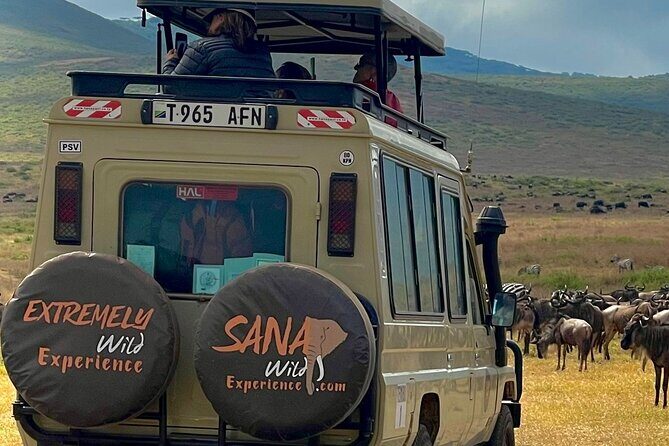
This is where the tour’s wow factor sharpens.
You start with breakfast, then you’ll head out with lunch boxes and descend into Ngorongoro Crater for a morning crater tour. The crater is described as the setting for huge wildlife concentrations, with more than 30,000 protected animals in the conservation area. That density is why many safari plans treat Ngorongoro like a must-do.
Your odds for classic sightings are also spelled out: you might see rhino, elephant, lion, buffalo, and lots of zebras and wildebeest. The tour notes the rare magic of possibly seeing all the Big Five in one place, which is why people chase this crater.
What I like about this morning format is simple: the crater experience is most satisfying when you can focus. Morning light and wildlife activity often make sightings feel more alive, and being inside the crater early helps you avoid the feeling that the park is just a quick photo stop.
After lunch, you drive toward the Serengeti for dinner and overnight. That’s a wise flow. You get the crater intensity in the morning, then you shift gears to the plains.
Day 4: Serengeti Sunrise to Evening Drives
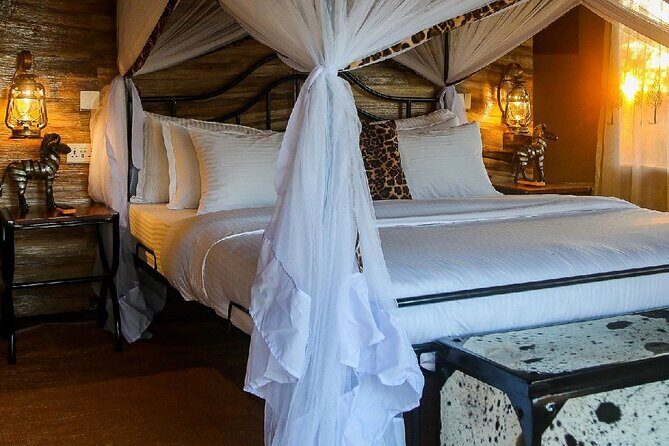
If you’ve ever wondered what it means when people call Serengeti an endless kind of place, you’ll feel it after you wake up. This day is built around morning game drive and then returns to the lodge for hot lunch before more drives in the afternoon and evening.
That rhythm matters. The Serengeti can change by the hour—light shifts, animal movement shifts, and even your sense of what the day might deliver shifts. Two main drive windows give you more chances to catch predators on the move, herds shifting, and animals reacting to the time of day.
Your guide’s role shows up here. The tour emphasizes that the driver-guide will explain what you’re seeing, and multiple reviews highlight Seif’s ability to spot wildlife and manage the day in a way that feels attentive instead of chaotic.
Dinner and overnight keep you fully in the park area day-to-day, which helps you avoid that “start-stop shuttle” feeling.
A few more Arusha tours and experiences worth a look
Day 5: Another Serengeti Day (Because One Isn’t Always Enough)
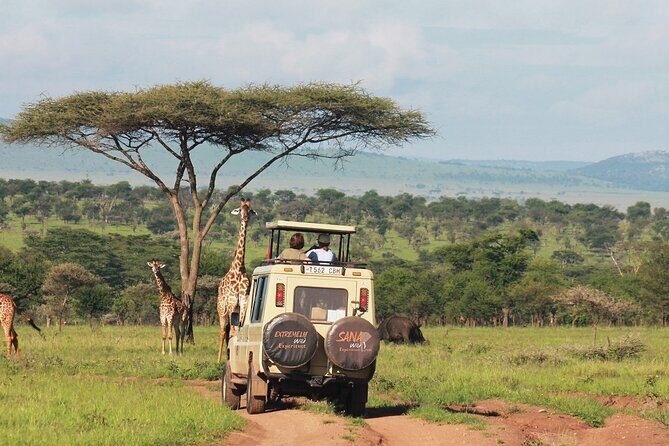
Some safaris try to cram Serengeti into one long day. This one gives you a second day in Serengeti, starting with breakfast and a morning game drive. You’ll continue with wildlife searching through the afternoon, then enjoy lunch under umbrella acacias—again, a repeating detail that suggests they want you to break up the long driving with something steady and pleasant.
Then you switch regions: you’ll drive en route to Ngorongoro/Karatu for check-in, relaxation, dinner, and overnight. That move is practical. You’re not only hunting animals anymore—you’re also catching breath before your final day.
Why two Serengeti days is such good value: wildlife encounters are unpredictable. If you miss a key moment on Day 4, you have another full chance on Day 5. That’s especially important if you’re hoping for predator action or specific herd movements.
Day 6: Mto wa Mbu Walking Time and the Arusha Finish
The final day starts with breakfast and a drive back toward Arusha. The tour includes time for a walking visit at Mto wa Mbu village for about two hours, with a chance to spend time with local people.
That village time is a useful counterbalance to the parks. Game drives are intense. A short village walk helps you shift your brain back to people, routines, and everyday life—without turning the day into something staged.
You also have flexibility: there’s room for shopping depending on your schedule. If you’re flying later, you may also be able to arrange hot lunch in Arusha at Coffee Lodge, depending on flight timing.
The end goal is simple: finish with enough structure that you’re not scrambling, but still leave room for your personal pace.
Price and What You’re Really Paying For (Not Just “A Safari”)
At $3,205 per person, this is not a budget safari. But it’s also not priced like a bare-bones ride.
Here’s what’s included in a way that affects your real cost and stress level:
- Private transport in a 4WD with a photographic roof
- All national park entry fees and government taxes
- Airport transfers
- Accommodations as indicated (or similar)
- Meals across the trip (breakfasts, lunches, and dinners)
- Unlimited soft drinks, beers, and wines during the safari
That “handled for you” list is what makes the price feel more reasonable when compared to piecing everything together yourself. Tanzania park fees and logistics can add up fast, and the private vehicle means you’re not stuck in a shared schedule.
One caution: the tour notes what you do not get—international flights, visa, insurance, and tips to your driver. If you’re building a full trip budget, you’ll want to include those line items early so you don’t get surprised later.
Your Guide Makes the Difference: What Reviews Highlight
Across the feedback, a few themes repeat, and they match what you’d want from a private safari guide.
First, Seif comes up again and again as the type of guide who makes the day feel smooth and friendly. Review comments highlight his professionalism, his attention to details, and his ability to explain things in a way that helps you understand animal behavior instead of only chasing sightings.
Second, the guides are repeatedly described as patient with photography and timing. That matters because the best safari moments aren’t always the obvious “someone points and says lion.” Sometimes it’s a slow decision—where a predator might move next, how a herd reacts, or why a particular animal is doing something specific.
Third, people mention serious wildlife moments, including hunting behavior like lionesses. You can’t order that from the menu, but a strong guide improves the odds by knowing where to look and how to read the park.
There are also mentions of other guides like Sablón and Ali, which suggests you’ll have backup support even if your day needs something special.
Who This Safari Suits Best (and Who Should Adjust Expectations)
This tour is a good fit if you want:
- A private safari feel (not a cattle-car schedule)
- Multiple parks without turning the trip into a rushed blur
- A guide who can support you with clear explanations and smart spotting
- A mix of animals and at least a bit of community time in Mto wa Mbu
It may be less ideal if:
- You hate long days in a vehicle
- You prefer open-ended park time with zero “transfer pressure”
- You want the trip to feel lightweight and casual every single day
For most people, the pacing works because it’s built around major wildlife areas and includes regular breaks like lunch stops and lodge time.
Should You Book This Private Multi Day Safari?
I’d lean yes if you’re looking for a solid northern Tanzania circuit with serious wildlife chances, and you care about doing it with a private, guided setup that includes the logistics most people dread. The combo of Tarangire, Lake Manyara, Ngorongoro, and two Serengeti days is one of the more efficient ways to experience the variety of ecosystems in under a week.
I’d think twice if you’re very sensitive to travel time or you’re chasing one very narrow kind of sighting. This trip gives you multiple attempts across different parks, but it’s still wildlife—so your best plan is to arrive flexible and ready.
FAQ
FAQ
Where does the safari start and end?
It starts in Arusha, Tanzania. The experience ends back at the meeting point.
How long is the safari?
The tour is listed as 6 days (approximately).
Which parks are visited?
The safari includes Tarangire National Park, Lake Manyara National Park, Ngorongoro Crater, and Serengeti National Park.
Is pickup offered?
Yes, pickup is offered.
What’s included in the price?
The tour includes accommodations (or similar), transport in a 4WD with a photographic roof, park entry fees, government taxes, airport transfers, and meals (breakfasts, lunches, and dinners). Unlimited soft drinks, beers, and wines are also included during the safari.
What’s not included?
Not included are international flights, traveler visa and insurance, flying doctor, personal shopping and memorabilia, and tips to your driver, plus anything not listed under included.
Is free cancellation available?
Yes. Free cancellation applies if you cancel at least 24 hours in advance for a full refund. If you cancel less than 24 hours before the start time, the amount paid is not refunded.
Is the tour private?
Yes. It is a private tour/activity, and only your group participates.