REVIEW · MOSHI
6-Day Northern Safari
Book on Viator →Operated by Chalema Tanzania Safaris · Bookable on Viator
A long drive can still feel magical. Tanzania’s Northern Circuit has three world-class wildlife areas in one smooth 6-day run, with Tarangire, Serengeti, and Ngorongoro Crater all on the menu, plus real seasonal perks in both green and dry months. I especially like the way the trip balances big-animal odds with comfort, from Arusha’s cottage-style suites to a Serengeti tented camp with running water. One thing to keep in mind: you’ll spend a fair amount of time on the road between parks, and that’s part of the trade-off for covering so much ground.
Two highlights I like a lot are the wildlife variety across parks (elephants in Tarangire, predators in Serengeti, and crater-country species in Ngorongoro) and the steady rhythm of included meals that keeps you fueled without hunting for food. If you want a safari that feels organized and not chaotic, this one checks that box. The only potential drawback is the price point: at $2,600 per person, you’re paying for a full Northern Circuit package, so it’s best if you really want those three parks rather than just one or two.
In This Review
- Key things to love about this 6-day Northern Safari
- Why the Northern Circuit works: Tarangire, Serengeti, Ngorongoro in one flow
- Arusha and Moshi: the easy landing at Pazuri Inn
- Tarangire National Park: elephants, baobabs, and herds you can track
- Serengeti arrival from Ngorongoro Conservation Area: you feel the scale
- The big Serengeti day: predators, migration chances, and 10 hours in the wild
- Ngorongoro Crater day: sunrise tea, caldera history, and black rhino country
- Karatu and the return to Arusha: the calm ending
- What’s included (and why it changes the value)
- Team support: the difference a good guide makes
- Who should book this safari (and who should think twice)
- Should you book this Northern Safari with Chalema Tanzania Safaris?
- FAQ
- FAQ
- How long is the safari?
- Where does the tour start and what time?
- Which national parks are included?
- Do you get pickup at the airport?
- Are meals included?
- Are park tickets included?
- Is a visa or travel insurance included?
- Is the tour private?
- What’s the cancellation window?
Key things to love about this 6-day Northern Safari
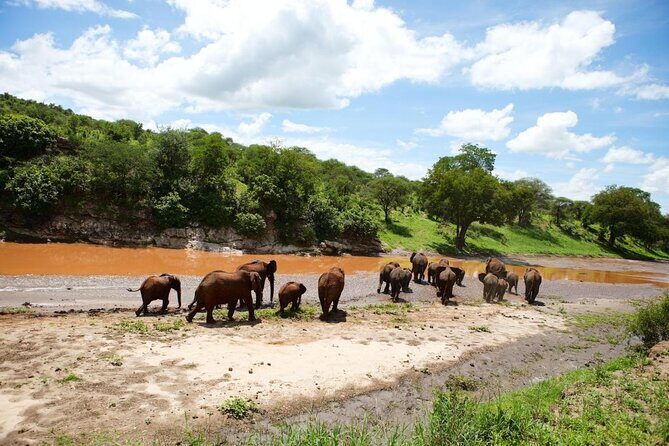
- Three parks that each do something different: Tarangire’s elephants and baobabs, Serengeti’s predator and migration chances, Ngorongoro’s crater wildlife
- Tented comfort in the Serengeti: your camp is set up with an oversized bed, running water, and views
- Early starts that actually pay off: sunrise tea before moving on to the next game-drive phase
- Meals are built in: breakfast daily plus multiple lunches and dinners, so your day stays on schedule
- Private setup for your group: it’s just your party, which can make game drives feel less rushed
- A team that’s responsive in real life: past clients highlight directors and guides such as Joel, Harouna, Georges, and Chabane
Why the Northern Circuit works: Tarangire, Serengeti, Ngorongoro in one flow
If you’re thinking about Tanzania for wildlife, the Northern Circuit is a smart way to spend limited vacation days. You don’t just see animals—you see different ecosystems doing their own thing.
Tarangire gives you a signature look: huge baobab trees, elephant herds, and the feeling of being in a park that’s smaller but packed. Serengeti is the opposite: a massive ecosystem with enough space that you can spend hours searching and still feel like you’re learning the area in real time. Then Ngorongoro Crater flips the script again with a protected caldera landscape where species gather and the game-drive experience becomes more about intensity and chance.
The timing also matters, and this tour is designed to work year-round. In the green season (March to May), that baobab scenery really turns on—lush and dramatic. In the dry months (June to October), you’re more likely to see big, concentrated herds. Either way, you’re not stuck with a single seasonal storyline.
A few more Moshi tours and experiences worth a look

Arusha and Moshi: the easy landing at Pazuri Inn
Most safari disasters start at the airport. Missed timing, confusion, and scrambling for the first night. Here, you get a representative waiting at Kilimanjaro International Airport, then transport into Arusha.
Your first stop is Pazuri Inn, on the lower slopes of Mount Meru, just west of town. That matters because you’re not staying somewhere bland and far from everything; you’re in the Kilimanjaro region, but positioned to start your safari route without burning an extra day. Your suite is in cottage-style accommodations, which usually means a more relaxed feel than a big, impersonal hotel.
The big practical win on Day 1 is that you’re not jet-lag fighting logistics. You arrive, you check in, you sleep, and the next morning you’re ready for the safari rhythm.
Tarangire National Park: elephants, baobabs, and herds you can track
Tarangire is often treated like the warm-up park. Don’t let it fool you. It’s one of the best places in the region to get that classic safari “instant wow” feeling.
You drive about two hours west from Arusha to reach the park, then you’re set up for an all-day game drive with a picnic lunch. The scenery is a big reason to go. In the green season, the baobabs show up with emerald leaves, and you end up with those bold, photo-friendly tree silhouettes everywhere. In dry months, animals can bunch up around resources, and you can see large groups—buffalo, wildebeest, and zebra—sometimes numbering in the thousands.
But the reason I’d prioritize Tarangire even if I’d been to Tanzania before is the resident elephant population. Elephants can be inconsistent elsewhere, but in Tarangire you get a reliable shot at seeing them, and the encounters tend to feel close enough to make the animals feel real rather than distant.
A note on the bigger plan: after Tarangire you overnight at Eileen’s Tree Inn at Karatu. That gives you a practical base for the next long movement into Serengeti.
Serengeti arrival from Ngorongoro Conservation Area: you feel the scale
On Day 3, you leave early and travel north for roughly three hours, crossing the Ngorongoro Conservation Area on the way into Serengeti. That drive isn’t just transportation—it’s part of the “understanding Serengeti” process.
As you enter, you’re not looking at a small park. Serengeti’s ecosystem is huge—about 1.5 million hectares—and the terrain changes how you spot wildlife. You can’t rely on a single view or a single path; you learn to read the movement, the grass, the tree lines, and the open spaces.
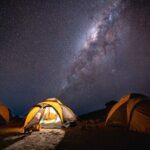
Your base is the Seronera area near the center of the park, which is a good staging point if your goal is to find a wide range of species without constantly repositioning too far. Then you’re staying at Tanzania Bush Camp, with a tent setup that’s surprisingly livable: oversized bed, running water, and views that make you want to pause even when you’re tired.
This is one of the places where the tour quietly delivers on value. A lot of safaris promise comfort and then underdeliver. Here, the camp experience is clearly designed so you can actually rest between long game-drive days.
The big Serengeti day: predators, migration chances, and 10 hours in the wild
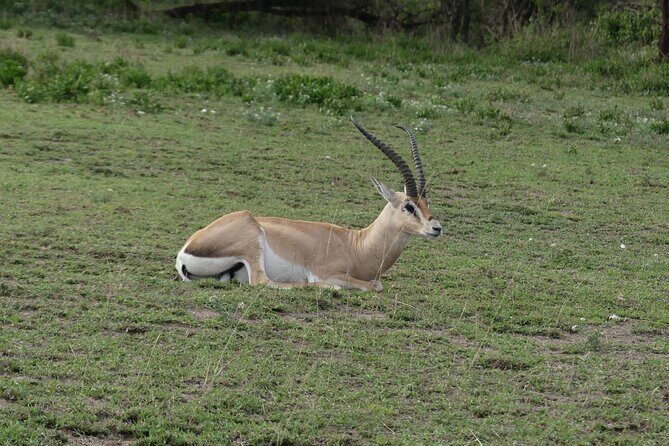
Day 4 is the standout wildlife day for most people—one full day in Serengeti with a long game-drive window. That long time slot matters. In safari terms, it gives your guide room to reposition without panic and lets you linger when something good is happening.
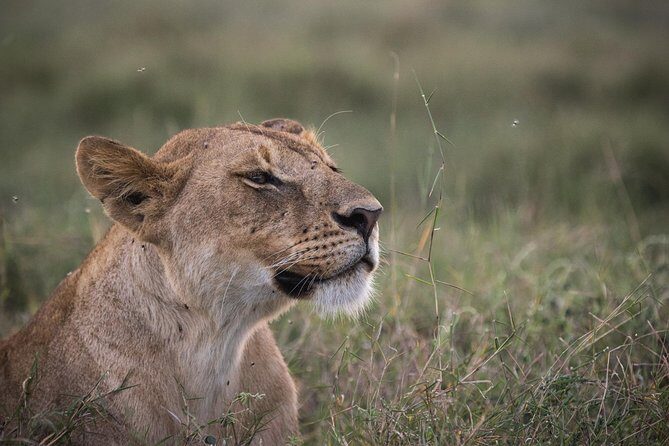
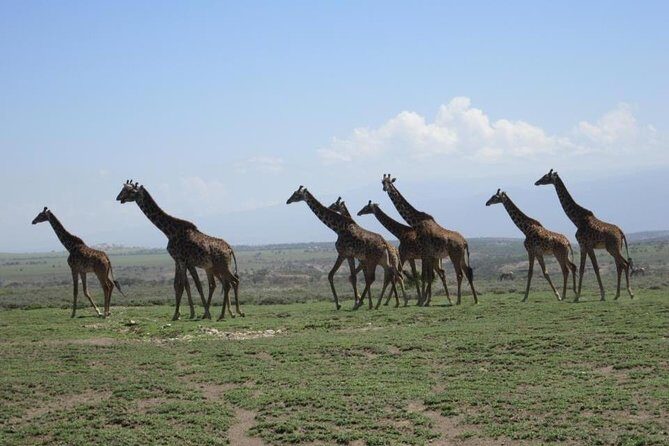
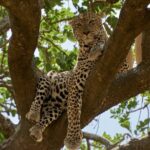
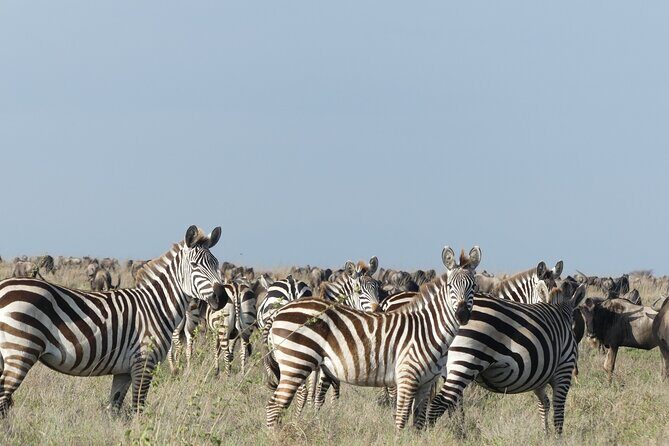
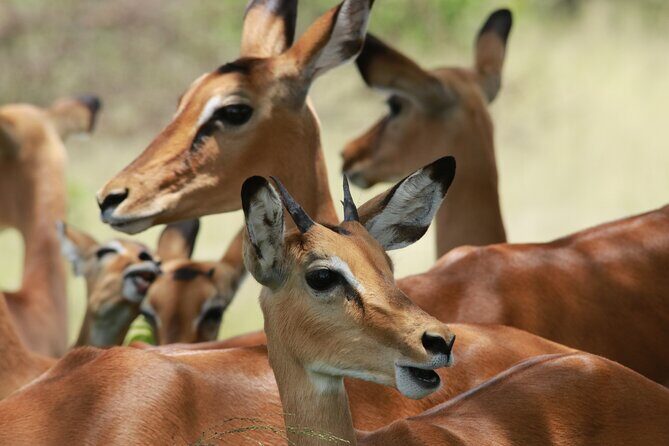
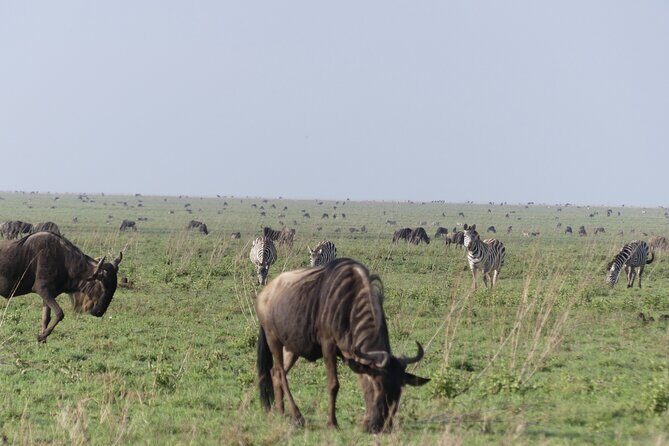
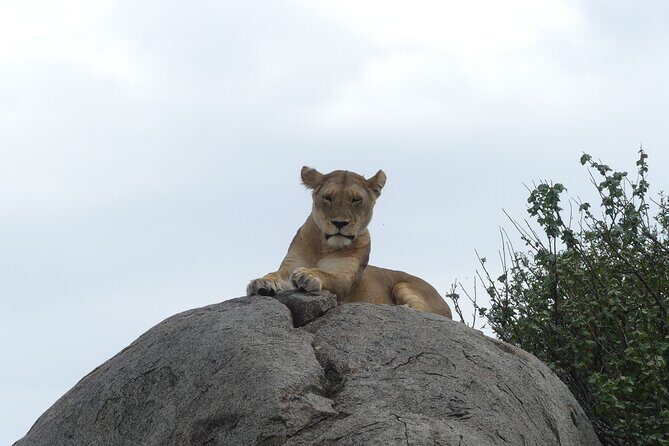
You’re searching for the classic Serengeti list: lion, leopard, giraffe, spotted hyena, cheetah, eland, and multiple gazelle species. And yes, you’re also looking for the basics that define the system—wildebeest and zebra.
There’s a specific bonus if you’re visiting during the Great Migration window: millions of wildebeest can darken the plains from horizon to horizon. The key word there is may, because migration timing depends on the seasonal flow of the herds. Still, having that as a realistic possibility is a big reason to choose this route.
One detail I appreciate: the bird life is emphasized here too—over 500 bird types in the ecosystem. That means even when predators aren’t in your immediate sightline, the day doesn’t feel empty. You get constant wildlife signals, calls, and movement.
A few more Moshi tours and experiences worth a look
Ngorongoro Crater day: sunrise tea, caldera history, and black rhino country
Day 5 starts with a sunrise moment in the Serengeti—tea in hand—before packing up and heading out toward Ngorongoro Crater. That sunrise pause is more than a nice photo break. It’s your signal that the day is about shifting from wide plains to a more focused wildlife zone.
You travel about two hours through the Ngorongoro highlands to reach the crater. Ngorongoro itself is a caldera formed at least two million years ago after a volcanic explosion. That geology matters because it helps explain why the crater can feel like a natural bowl where animals concentrate.
Wildlife-wise, Ngorongoro is known for protected species and the chance to see animals that are otherwise tougher to find. This tour highlights threatened species like black rhinoceros and cheetah. In practical terms, that means your game drives here aren’t just sightseeing—they’re targeted.
After the crater day, you head back to Karatu and sleep at Eileen’s Tree Inn again, keeping your logistics simpler. This also gives you the benefit of an easy reset before your final return day.
Karatu and the return to Arusha: the calm ending
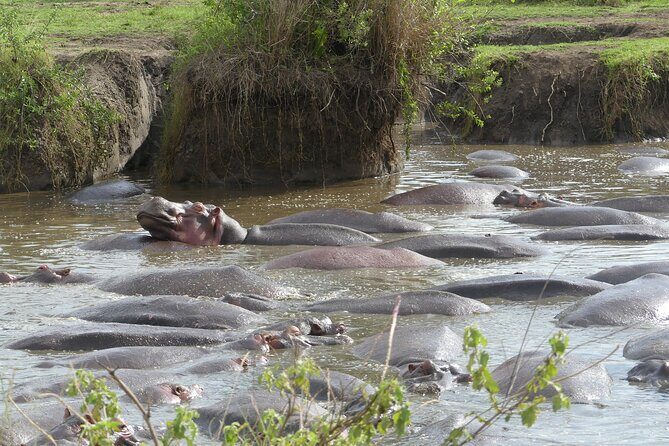
Day 6 is shorter on the road—about two hours back to Arusha. You start with a light poolside breakfast while listening to birdsong and looking out over rolling lodge gardens. That’s a gentle shift after several intense days of drives and searches.
You then transfer back to Kilimanjaro International Airport for your departure flight. The flow is clean: no extra nights added, no confusing last-minute detours described. If you’re trying to keep your trip tight and avoid dragging out costs, this ending is practical.
What’s included (and why it changes the value)
This safari is priced at $2,600 per person, and the value comes from what’s bundled, not just the sticker number. Included items cover all fees and taxes, plus meals—breakfast is included all six mornings, with multiple lunches and dinners included throughout the trip.
Accommodation is also part of the package: cottage-style suites at Pazuri Inn, plus tented camp lodging in Serengeti. Those aren’t “optional add-ons” you pay for separately once you arrive.
Two more inclusions matter for real-life comfort: park access is treated as part of the plan across days (with Day 5 specifically noted as admission included), and transport between major zones is set inside the schedule. That means you’re less exposed to the common safari problem where you lose half a day negotiating entry and missing the best game-drive windows.
Also pay attention to the private tour format. If you’ve ever been stuck in a group where you can’t find your preferred pace, you’ll likely appreciate having just your own party. With a private setup, the day can feel less like a bus tour and more like a guided hunting-for-wildlife day.
Team support: the difference a good guide makes
Safari quality isn’t only about where you go. It’s also about how you get there and how you respond when wildlife appears.
Chalema’s team is repeatedly described as dynamic, friendly, and organized. Names that show up include Joel (director/agency leadership), plus guides such as Harouna, Georges, Chabane, and Shabani. People also mention chefs like Boniface (and a driver name like Prayingod). The common thread is responsiveness—people describe the team as quick to handle questions and focused on keeping the experience smooth from airport to park.
I like that this tour isn’t selling you as much as it’s planning around you. If you care about seeing animals and keeping the day moving, a guide who knows the parks and can place you efficiently in the right spots can be the difference between a good day and a great one.
Who should book this safari (and who should think twice)
This tour fits best if:
- You want to see three major Northern Circuit wildlife zones in a single 6-day window
- You’re the type who enjoys long game drives and doesn’t mind driving time between parks
- You like the idea of a mix of accommodation styles: lodge comfort in Arusha and Karatu, plus a tented camp in Serengeti with real amenities
You might think twice if:
- Your budget is strict and you’re only interested in one park rather than all three
- You’re hoping for minimal road time. Here, the schedule is built around reaching Tarangire, Serengeti, and Ngorongoro in one trip
Should you book this Northern Safari with Chalema Tanzania Safaris?
Yes, if your wishlist matches the Northern Circuit checklist: Tarangire for elephants and baobabs, Serengeti for predator-and-migration odds, and Ngorongoro Crater for concentrated crater-country wildlife. The package makes sense because it’s structured, full-board on food, and built around long wildlife days rather than short, rushed drives.
Before you say yes, do a simple reality check: at $2,600 per person, you’re investing in the whole circuit. If you truly want all three parks, this is a strong way to spend your time. If you’d rather taste Tanzania slowly, or you only care about one area, you could end up happier with a shorter or more focused plan.
FAQ
FAQ
How long is the safari?
It’s listed as 6 days (approx.).
Where does the tour start and what time?
The meeting point is Kilimanjaro Airport, with a start time of 7:30 am.
Which national parks are included?
You’ll visit Tarangire National Park, Serengeti National Park, and Ngorongoro Crater.
Do you get pickup at the airport?
Yes, pickup is offered.
Are meals included?
Yes. Breakfast is included for 6 days, and lunch and dinner are included during the trip (lunch 5 times, dinner 5 times).
Are park tickets included?
The program notes admission tickets as free for multiple days, and Ngorongoro Crater day is listed as admission included. All fees and taxes are included as well.
Is a visa or travel insurance included?
No. Visa and travel insurance are not included.
Is the tour private?
Yes. It’s a private tour/activity, and only your group participates.
What’s the cancellation window?
Free cancellation is allowed up to 24 hours in advance of the experience start time for a full refund. If you cancel less than 24 hours before, the amount paid is not refunded.