REVIEW · MOSHI
6-Day Kilimanjaro Machame Route – A Stunning Trek to Uhuru Peak
Book on Viator →Operated by PINNACLE ADVENTURES & SAFARIS LTD. · Bookable on Viator
Kilimanjaro rewards patient hikers. The Machame Route is one of the most scenic ways up, moving through rainforest, moorland, and alpine desert before you reach Uhuru Peak on your summit push. It’s popular for a reason: the days are structured to help you acclimatize without turning the trek into a slow slog.
What I like most is the way this trip handles the hard parts on your behalf. You get pickup in Moshi, park logistics included, and a team that’s set up for a smooth rhythm on the mountain, including hot water for washing each day.
One consideration: the summit day is long. You’ll start at midnight, then work all the way to the top before descending, and your total hiking time can run 11–14 hours, so you’ll want to be ready for a big altitude day and a very cold night start.
In This Review
- Key things to know
- Why the Machame Route (the “Whiskey Route”) works so well
- Moshi to Machame Gate: your first day sets the tone
- Shira Plateau day: the forest fades fast
- Barranco and the Lava Tower: acclimatization that feels purposeful
- Barafu Hut and the South Circuit views: rest before the hardest night
- Summit day: the midnight push to Stella Point and Uhuru Peak
- Mweka descent to the gate: certificates and muddy boots
- Price and value: what $2,253 includes (and what you must plan for)
- Comfort details that make the climb feel safer
- Gear and packing: plan around what the trek specifically calls out
- Private tour reality: you’ll share the mountain
- Who should choose this trek, and who should slow down
- Should you book the 6-Day Machame Route to Uhuru Peak?
- FAQ
- How long is the Kilimanjaro Machame trek?
- Where does the trek start and end?
- Do you get picked up in Moshi?
- What’s the hardest day on this route?
- Is emergency oxygen included?
- What kind of camping setup is included?
- Are meals included?
- Is drinking water included?
- What gear should I bring or rent?
- What about toilet facilities?
- What’s the cancellation policy?
Key things to know
- Machame is the scenic “Whiskey Route”: you’ll cross several environments, not just one long climb.
- Acclimatization built in: a key mid-trek day helps you adjust without spiking your altitude too fast.
- Summit push starts at midnight: plan for a very long day and extreme fatigue at altitude.
- Emergency oxygen is included, but not for summit use: treat it as an emergency tool only.
- Comfort details matter: fresh drinking water plus daily hot water and included camp gear.
- Descent can be wet and muddy: gaiters and trekking poles are a practical upgrade.
Why the Machame Route (the “Whiskey Route”) works so well
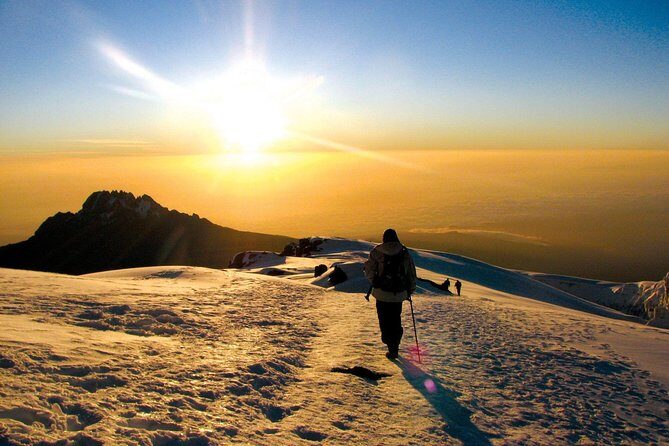
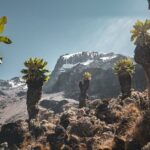
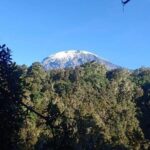
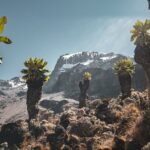
The Machame Route earns its popularity because it doesn’t just climb higher. It changes what you’re walking through. You start in lush rainforest conditions, then rise out of the trees into moorland and eventually reach alpine desert as you near the summit zone. That variety keeps the trek interesting even when you’re tired.
You also get multiple angles on the main peaks in this part of Kilimanjaro. On summit approach days, you’ll see the summit area from different directions, and you’ll pass through classic landmarks like the Lava Tower area (the so-called Shark’s Tooth) and the route toward glacier views (Arrow Glacier is a referenced junction point).
For most hikers, the Machame Route feels like a good balance. It’s challenging, yes, but the itinerary gives you time to adjust before asking your body to do the hardest work.
You can also read our reviews of more hiking tours in Moshi
Moshi to Machame Gate: your first day sets the tone
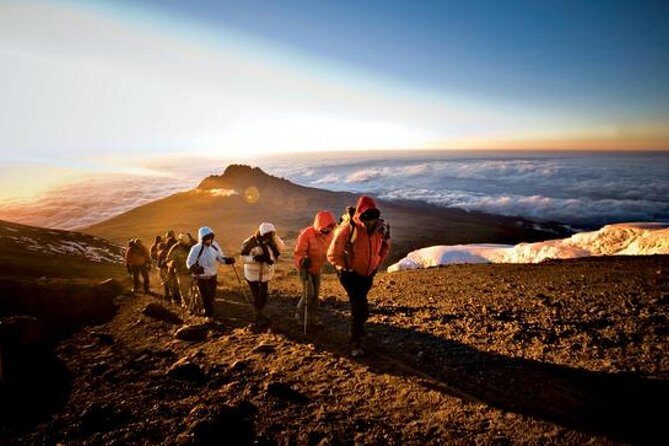
Day 1 begins with a morning briefing and gear check, then a drive from Moshi or Arusha to the Machame Gate. This is where you learn how the climb will run—your schedule, your team, and how the day-to-day pacing will feel.
Then you transition into the main hike through rainforest. The route covers about 11 km over 5–7 hours, climbing from roughly 1,640m to 2,835m. It’s not just pretty; early in Kilimanjaro season, being in the forest can mean more shade, more moisture, and a different walking feel than later alpine days.
You finish the day at Machame Camp for dinner and overnight. Because camping gear, meals, and camp setup are included, you can focus on settling into the routine: eat, hydrate, rest, and try to sleep well enough for the next day.
Shira Plateau day: the forest fades fast
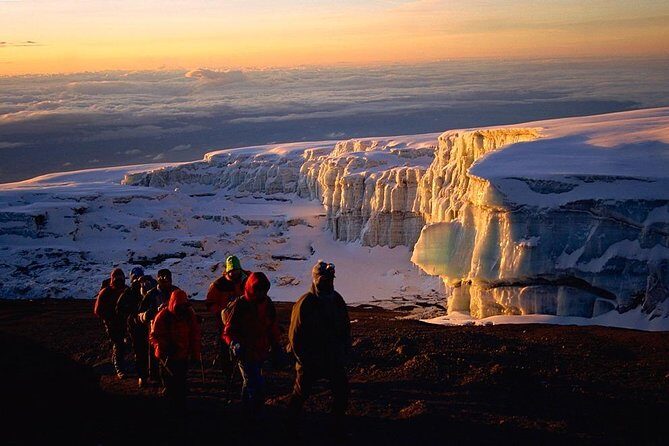
Day 2 moves you from the forest out toward the Shira area. You’ll hike about 5 km for 4–6 hours, climbing from 2,835m to 3,850m. This is the kind of day where the air and the footing start to feel different pretty quickly.
The trail is described as a steeper ascent across moorland, with you crossing several streams along the way. One payoff here is the view: you may catch Mount Meru and the surrounding valleys as the terrain opens up.
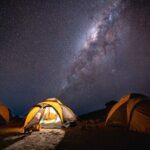
You’ll camp at Shira Cave Camp / Shira Plateau beneath the stars. This day is shorter than some later ones, and that matters. It gives your body a chance to adjust while still putting you higher than the previous camp.
Barranco and the Lava Tower: acclimatization that feels purposeful
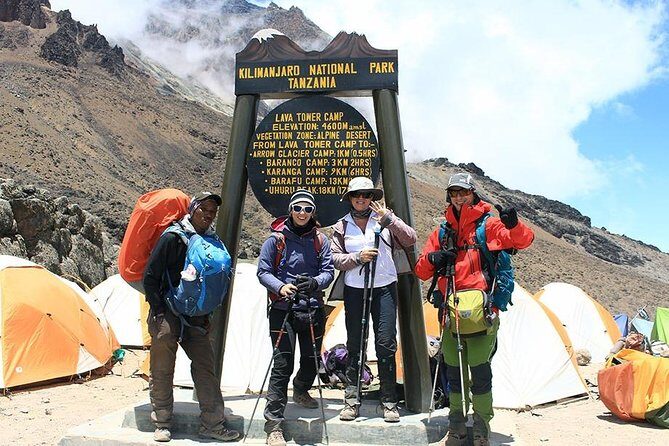
Day 3 is one of the most “Kilimanjaro” days on the Machame Route because it’s both scenic and strategic. From the Shira Plateau, you continue along a ridge, then head toward the east-side junctions that set up your move toward the Kibo area.
Then the direction changes to the southeast, toward the Lava Tower (often referred to as Shark’s Tooth at 4,650m / 15,250ft). Shortly after, you reach a second junction associated with the Arrow Glacier area, and then you shift back to descending to your next camp.
Your route finishes at Barranco Camp, with elevations given as 3,850m to 4,000m. This day covers about 10 km and takes 5–6 hours. The key point is that although you end around a similar altitude to where you started, this day helps your body prepare for the summit push. In practical terms, you’re doing harder work while your body is still learning how to handle Kilimanjaro altitude.
Barafu Hut and the South Circuit views: rest before the hardest night
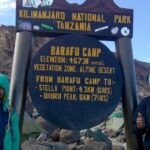
Day 4 is the long, energy-demanding setup day. You leave Barranco and continue on a steep ridge, passing the Barranco Wall. From there, you move toward the Karanga Valley campsite, then connect to the junction leading toward the Mweka Trail before heading up to Barafu Hut.
You’ll be moving through alpine desert, with elevations listed around 13,000ft to 15,000ft. The hike is about 9 km and can run 7–9 hours. This is where your stamina matters most, because the air is thinner and the day asks for steady effort.
The viewpoint is part of the reward. From Barafu Hut, you get strong angles on Mawenzi and Kibo, and it marks an important milestone on the South Circuit route. Then it’s camp time: dinner, rest, and preparing for the summit day.
This is the day when I’d be most serious about sleep. Not because it’s romantic, but because the next day starts at midnight and your body will feel everything.
A few more Moshi tours and experiences worth a look
Summit day: the midnight push to Stella Point and Uhuru Peak
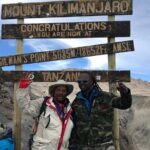
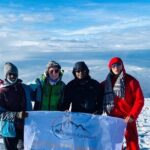
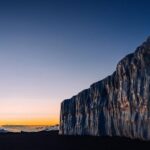
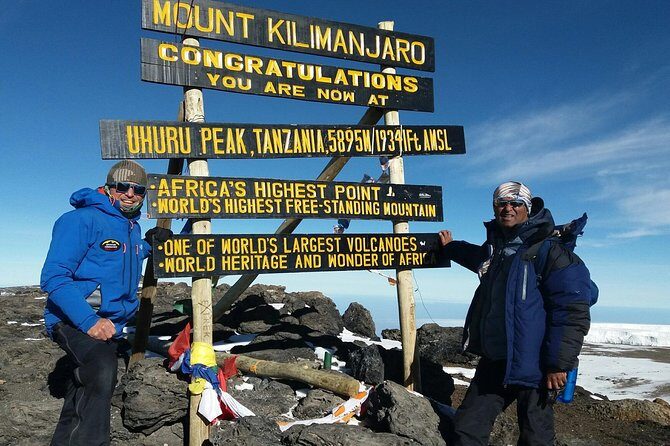
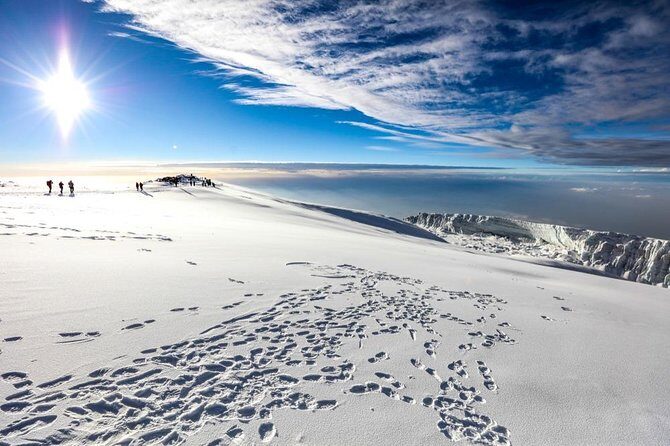
Day 5 is the big one. The schedule is clear: the most challenging part begins at midnight, with a push to Stella Point (5,756m), and then a final trek to Uhuru Peak, the highest point in Africa.
The overall hiking time is listed as 11–14 hours, covering about 17 km. The elevation line for this day is given as moving from roughly 4,673m up to 5,895m and then descending toward the 3,068m camp zone.
A few practical realities to plan for:
- You’ll be moving when it’s cold and dark enough to make pacing feel harder than distance suggests.
- Your breathing will be the limit more than your legs.
- Even if you feel strong earlier in the day, altitude fatigue can hit hard near the top.
Also pay attention to what the trip includes. Emergency oxygen is provided, but it’s for emergencies only—not as a planned summit aid. So your best “strategy” is your pacing, hydration discipline, and following your guides’ rhythm.
After celebrating your achievement, you’ll descend to Mweka Camp for your last night on the mountain.
Mweka descent to the gate: certificates and muddy boots
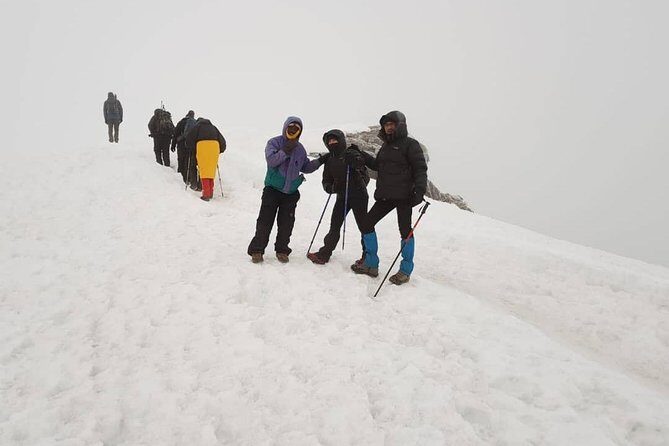
Day 6 is shorter, but it’s not a victory lap. You’ll hike down the Mweka Trail from about 3,090m to 1,680m, covering roughly 10 km / 6 miles in 3–4 hours.
The day begins with breakfast, then continues descent to the Mweka Park Gate where you receive your summit certificates. Since you’re lower now, the conditions can be wet and muddy. This is exactly where your lower-leg comfort matters. The trip specifically notes that gaiters and trekking poles will help.
For clothing, it also suggests you’ll likely be fine with shorts and t-shirts, but still keep rain gear and warmer clothing handy. That’s solid advice because you’ll be moving in changing temperatures as you drop in elevation and time moves on.
After the gate, there’s another short walk to Mweka Village, then a vehicle drive back to Moshi (about 30 minutes).
Price and value: what $2,253 includes (and what you must plan for)
At $2,253 per person, this is not a budget trek. But it also isn’t only “a guide and a tent.” This price is absorbing a lot of costs that can otherwise sneak up on you.
Here’s what’s included:
- All fees and taxes
- Return transfers between Kilimanjaro airport and Moshi (and back)
- Emergency oxygen and a basic first-aid kit (emergency use only)
- Qualified mountain guide, assistant guides, porters, and cook with their wages covered
- Camping equipment: tents, camp chairs, tables, and sleeping mattress
- Fresh drinking water and hot water for a wash daily
- Meals: dinners (5), breakfasts (5), lunches (6)
What’s not included (and should go into your budget thinking early):
- Visas and flights
- Travel and health insurance
- Personal hiking gear (you can rent gear in Tanzania)
- Optional but highly recommended portable toilet
- Personal medicine and water purifying tablets
- Meals/drinks not specified and snacks
- Gratuities/tip
My value read: you’re paying for a full trekking operation—logistics, staffing, camp comfort basics, and park-related costs. If you’d otherwise have to cobble together guides, permits, and camp setup on your own, this bundled approach can actually be cheaper than DIY.
Comfort details that make the climb feel safer
Kilimanjaro is hard. The goal isn’t to make it easy; it’s to make it manageable. A few included comforts help with that.
First, hot water for a wash daily is a big deal on a multi-day trek. Even when you’re tired, a warm rinse can make the whole day feel more human.
Second, you get fresh drinking water. Hydration is part of acclimatization, and having it handled reduces the guesswork.
Third, camp setup is included: tents, chairs, tables, and sleeping mattresses. That means you’re not spending mental energy dealing with camp chores and setup, especially after long days when your body is done.
Finally, the guide structure matters. This trek includes a qualified mountain guide plus assistant guides and porters, with the cook team running meals. On a summit day, strong leadership is the difference between “pushing” and “pushing safely.”
Gear and packing: plan around what the trek specifically calls out
Because personal gear isn’t included, you’ll want to decide early whether you’ll rent or bring your own. The trek notes that gear can be rented from equipment stores in Tanzania, so you’re not forced to arrive fully kitted.
What the route specifically flags as useful:
- Gaiters and trekking poles for the wet/muddy descent on Day 6
- Rain gear and warmer clothing kept handy, even if shorts and t-shirts are likely enough during lower daytime hiking
- Personal medicine and water purifying tablets (these aren’t included)
- An optional portable toilet that’s highly recommended
If you like to travel light, renting in Tanzania can help. Just don’t wait until the last minute—getting the fit right matters when you’re walking for hours each day.
Private tour reality: you’ll share the mountain
This is a private tour/activity, meaning only your group participates with your team. That’s great for pacing, communication, and keeping your questions from getting lost in a big crowd.
That said, Kilimanjaro itself is busy in many seasons. Even with a private group, you may see other hikers on shared sections and at common camps. The good news: your team still controls your schedule, and your day-to-day experience is driven by how your guides run the climb.
Also, one of the most praised strengths from prior participants is organization from airport to mountain to airport. I’d treat that as a sign to expect smooth handoffs—but still keep your own copies of key documents, especially if you’re traveling with health paperwork tied to entry rules.
Who should choose this trek, and who should slow down
This Machame trek is ideal if you want:
- A famous, scenic Kilimanjaro route with good acclimatization time
- A structured climb that balances challenge with progress
- A trip with camp comfort basics and included meals
- Guides and support staff handled end-to-end
It’s also a good fit for hikers with moderate physical fitness who are ready for a real summit day that starts at midnight.
Who should think twice? If you know altitude is a major issue for you, or if you struggle with long nighttime starts and 11–14 hour hiking days, you’ll want to talk with a medical professional and consider whether this summit plan is right. And remember: emergency oxygen is included for emergencies, not as a routine summit plan.
Should you book the 6-Day Machame Route to Uhuru Peak?
I’d book this trek if you value a full-service climb: transfers, guides, porters and cook team, camp gear, hot water, and meals are handled. You get a classic route with real scenery changes, plus an itinerary that’s designed around acclimatization—not just climbing until you collapse.
I’d think carefully before booking if you’re not ready for a very long summit day or if you’re trying to cut costs by skipping personal gear and supplies. The trek clearly expects you to handle key items like water treatment tablets and warm/rain layers, and it recommends a portable toilet.
If you’re the type of traveler who likes structure, good communication, and a team that keeps things running, this Machame climb is a strong way to chase Uhuru Peak without turning the logistics into your second job.
FAQ
How long is the Kilimanjaro Machame trek?
It’s listed as 6 days (approx.). The hiking time varies by day, with the summit day being the longest.
Where does the trek start and end?
The start meeting point is Moshi Urban, Tanzania. The activity ends back at the meeting point after the final descent and return drive.
Do you get picked up in Moshi?
Yes. The tour summary says pickup offered, and it also includes return transfers between Kilimanjaro airport and Moshi.
What’s the hardest day on this route?
Day 5 is the hardest. The trek starts at midnight, goes to Stella Point (5,756m), then to Uhuru Peak, and finally descends to Mweka Camp.
Is emergency oxygen included?
Yes. Emergency oxygen is included for use in emergencies only, not as summit aid. A basic first-aid kit is also included.
What kind of camping setup is included?
The package includes camping equipment such as tents, camp chairs, tables, and sleeping mattress. Tents and camp furniture are handled for you.
Are meals included?
Yes. Meals included are 5 dinners, 5 breakfasts, and 6 lunches across the trek.
Is drinking water included?
You get fresh water for drinking as part of the included services. The trip also notes you may want personal water purifying tablets.
What gear should I bring or rent?
Personal hiking/trekking gear is not included, but you can rent gear in Tanzania. The route specifically recommends gaiters and trekking poles for the muddy descent and keeping rain gear and warmer clothing handy.
What about toilet facilities?
A portable toilet is optional but highly recommended, based on the tour details.
What’s the cancellation policy?
You can cancel up to 3 days in advance for a full refund. If you cancel less than 3 full days before the experience’s start time, the amount paid is not refunded.