REVIEW · MOSHI
6-Day Kilimanjaro Climbing Via Machame Route
Book on Viator →Operated by Spirit of Kilimanjaro · Bookable on Viator
Kilimanjaro is different when you climb the Machame way. This 6-day Kilimanjaro Via Machame itinerary from Moshi (with pickup offered) stacks big altitude moments—Shira Plateau, optional Lava Tower scramble, Great Barranco Wall, then a summit push toward Stella Point—with real support on the mountain. I especially liked the way the route sets you up for acclimatization, and the team vibe people describe again and again, including guides linked to the trip like William and Paul.
One thing to keep in mind: the Machame route is widely seen as harder than the easier options, so you’ll want a steady hiking base and patience for steep, rocky days (plus it’s a popular route, so you may see crowds in key spots).
In This Review
- Quick hits before you go
- Why the 6-Day Machame Route Makes Sense From Moshi
- Day 1: Moshi to Machame Gate, then Rain Forest Climb
- Day 2: Into Moorland Toward Shira Campsite
- Day 3: Shira Plateau to Lava Tower Area and Down to Barranco
- Day 4: Barranco Wall to Barafu Camp and the South Circuit
- Day 5: Midnight Summit Push to Stella Point Sunrise
- Day 6: Descent to Mweka Gate, Certificates, and Back to Moshi
- Price and What Makes $1,810 Feel Fair
- The Real Difference: Guides and Chef Support on the Mountain
- Crowds on Machame and How to Keep Your Experience Yours
- Who Should Choose This Machame Climb?
- Should You Book the 6-Day Kilimanjaro Via Machame?
- FAQ
- How long is the Kilimanjaro Via Machame climb?
- How long does it take to get from Moshi to Machame Gate?
- What is the highest altitude point on this itinerary?
- How hard is the summit day?
- Does the trek include meals throughout the whole climb?
- What’s included in the $1,810 price?
- What’s not included?
- Is there pickup after the trek?
- Is free cancellation available?
Quick hits before you go
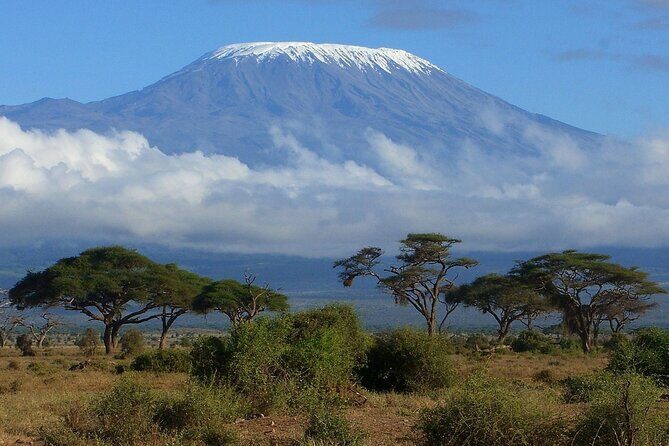
- Machame vs. Marangu logic: more variation and typically better acclimatization pacing for many climbers
- South Circuit views: summit angles show up from multiple days, not just on summit morning
- Optional Lava Tower moment: a chance to go higher near the Shark’s Tooth area for extra views
- Great Barranco Wall: a classic “earned it” day that helps your body adjust
- Summit push timing: midnight-to-2am start window for the hardest section toward Stella Point
- Support-first team: people repeatedly credit the guides and cook/chef team for care, safety, and good food
Why the 6-Day Machame Route Makes Sense From Moshi
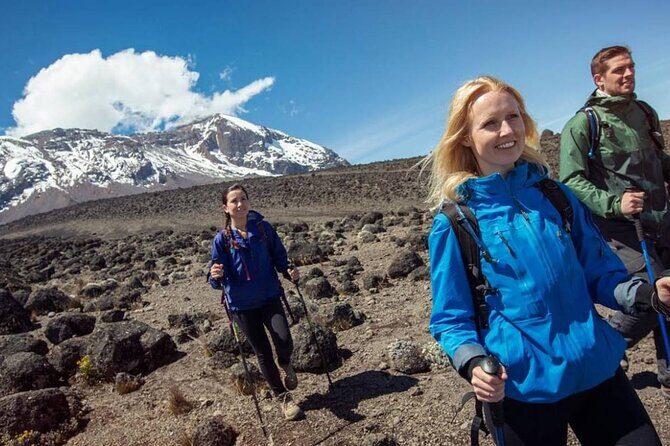
If your goal is a satisfying Kilimanjaro climb that feels like a journey (not just a march), Machame is a strong pick. The route climbs from the south-west side and then descends using the Mweka Route style finish, so you get a full “up-and-over” feeling and different scenery along the way.
This itinerary is also built for acclimatization. The big altitude gains are spread across multiple days, and Day 3 is a key “prep” day where you end near the start elevation—exactly the kind of pattern that helps your body adapt before the summit night.
One more practical reason I like Machame for many people: it’s priced higher than Marangu because it’s more demanding and logistically heavier, but the value often shows up in what you’re paying for—more guiding time, more meal service days, and a route that rewards effort with variety.
A few more Moshi tours and experiences worth a look
Day 1: Moshi to Machame Gate, then Rain Forest Climb
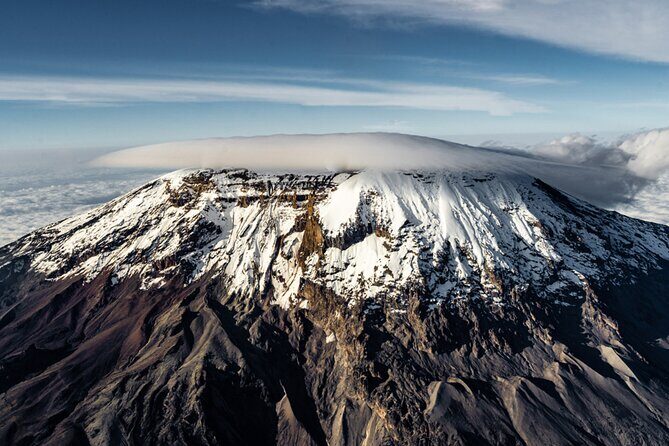
You start with a ~45-minute drive from Moshi to Machame Gate. The drive passes through the village of Machame on the lower slopes, so you ease into the experience before you ever touch trail.
From there, you walk through rain forest on a winding trail up a ridge. At lower elevations the trail can get muddy and slippery, which is why trekking poles and gaiters matter. You’ll hike about 11 km / 7 mi and can expect roughly 5–6 hours to reach Machame Camp, where you end Day 1 at about 1,830 m to 3,050 m.
What I like about this day: it’s long enough to warm up your legs but not yet the punishing altitude grind. It also teaches you something important for the rest of the trek—slow steps win, especially when the ground is wet and uneven.
Day 2: Into Moorland Toward Shira Campsite
After breakfast, you leave the rain forest and shift into a more exposed climbing rhythm. The trail crosses a valley along a steep rocky ridge, then turns west into a river gorge before arriving at Shira campsite.
This is a shorter distance day—about 5 km / 3 mi—but it’s still a serious altitude jump. You’ll go from roughly 3,050 m to 3,850 m, and the walking time is about 4–5 hours (total hiking time listed around 7 hours with breaks and camp logistics). The habitat changes into moors, which means you’ll feel more wind and less tree cover.
My advice here is simple: treat this as a day to protect your pace, not prove fitness. If you go too fast early, altitude will collect the bill later.
Day 3: Shira Plateau to Lava Tower Area and Down to Barranco
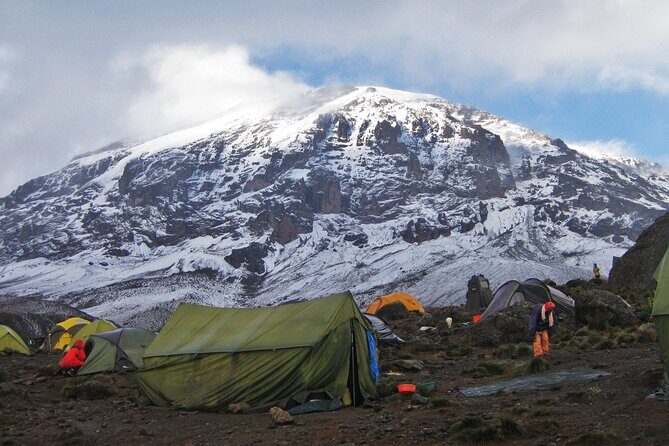
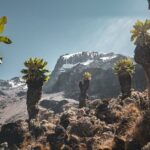
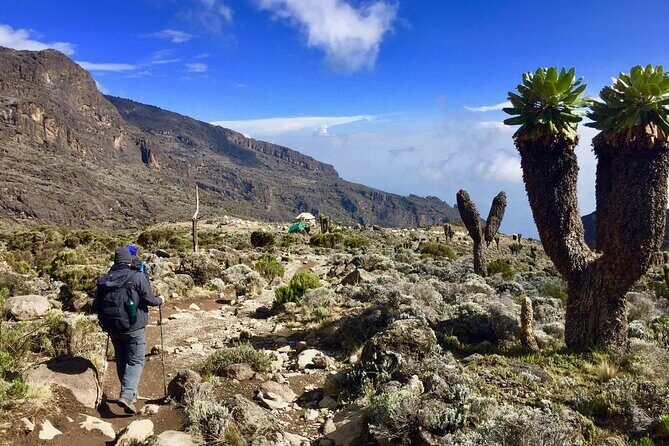
Day 3 is where the itinerary’s acclimatization logic shows up. From the Shira Plateau, you continue east up a ridge and pass a junction for the Kibo area. Then the route shifts toward Lava Tower, often called the Shark’s Tooth (about 4,650 m / 15,250 ft).
You can continue past another junction toward the Arrow Glacier area and then work your way down to Barranco Camp. Even though you end near the same elevation range as you started the day, the day is still important because it repeatedly tests your breathing and then gives your body a chance to adjust. Expect about 10 km / 6 mi and 5–6 hours of walking, moving from roughly 3,850 m to 4,000 m with semi-desert terrain.
Also, a note worth planning for: the general route description includes an optional scramble up Lava Tower. That’s the kind of extra effort that can be worth it for views, but it’s also the kind of thing you should do only if you’re feeling steady.
This is the day I tell people to be honest with themselves. If you’re struggling, Day 3’s structure still lets you finish the day well and set up your body for Day 4 and the summit sequence.
Day 4: Barranco Wall to Barafu Camp and the South Circuit
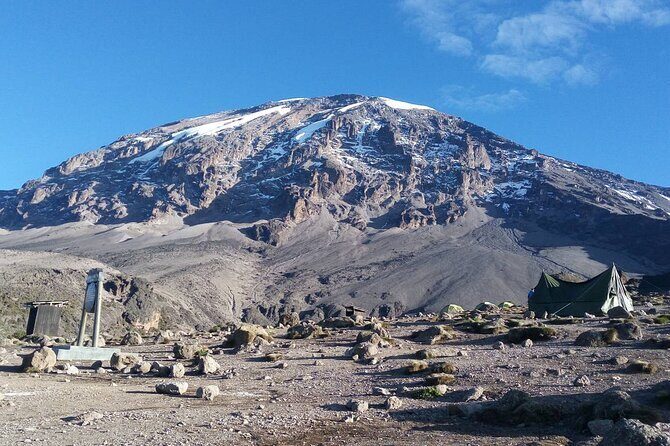
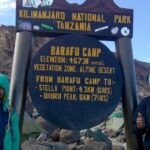
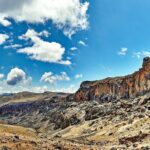
After breakfast you head out from Barranco and take on the steep Barranco Wall (around 4,250 m / 13,900 ft). Then you travel through Karanga Valley (around 4,050 m / 13,250 ft) toward the junction connected with the Mweka Trail, continuing up to Barafu Camp.
This is a longer grind day: about 9 km / 6 mi, listed 6–8 hours of hiking, climbing from roughly 4,000 m to 4,700 m. You end in Alpine Desert conditions, which can feel sharp and exposed compared to the earlier zones.
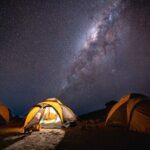
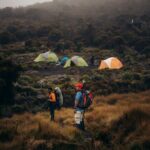
The big concept here is that you finish the South Circuit. You’re not just stacking altitude; you’re also collecting summit angles from different angles over the course of the days. When you camp at Barafu, you get views of the summit in the distance—mentally useful when the next day starts with a midnight alarm.
A fair drawback: Day 4 can feel like the first time everything gets real. It’s not just altitude; it’s also steepness, fatigue, and the mental load of knowing tomorrow is summit night.
Day 5: Midnight Summit Push to Stella Point Sunrise
This is the hardest portion of the trek, and the timing makes that very clear. You start very early, roughly between midnight and 2 am, heading between the Rebmann and Ratzel glaciers.
From there you ascend through heavy scree toward Stella Point on the crater rim. This is described as the most mentally and physically challenging section. Expect about 6 hours for the day’s main hiking effort, and you’re aiming for a pivotal moment: the sunrise.
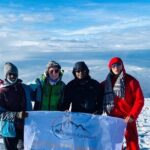
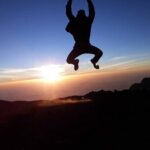
At Stella Point, you rest briefly and are rewarded with what’s described as one of the most magnificent sunrises people are likely to see. Faster hikers may reach the summit itself in time, but the key win here is that crater-rim sunrise feeling.
Practical advice: keep your breathing calm and your effort smooth. Scree forces constant foot corrections, and a hurried pace costs you energy fast at this altitude.
This is also where the guide quality you see mentioned in reviews really matters. People repeatedly credit the team for calm confidence and support during summit time. If your guide is patient and focused, it helps you stay in the moment instead of spiraling into fear or self-doubt.
Day 6: Descent to Mweka Gate, Certificates, and Back to Moshi
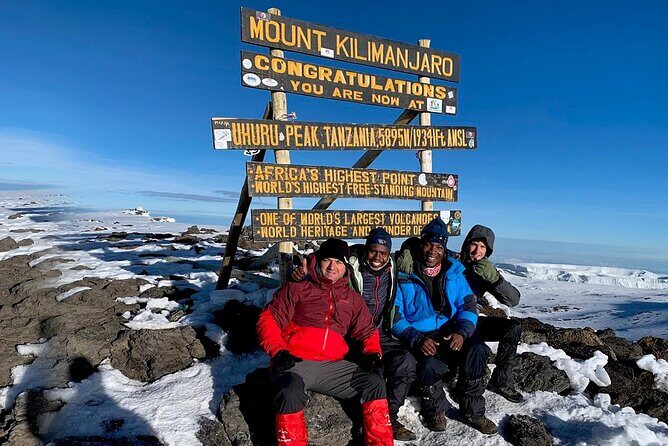
After breakfast, you descend to Mweka Park Gate to receive your summit certificates. The elevation drops from about 3,090 m down to 1,680 m, and the hike is about 3–4 hours for roughly 10 km / 6 mi through forest habitat.
This last day can be wet and muddy at lower elevations, so keep your plan for footing simple: use gaiters and trekking poles if you have them. The guidance for clothing is also practical—shorts and t-shirts will likely be enough, while keeping rain gear and warmer layers handy is smart.
Once you reach Mweka gate, a Monkey Adventures vehicle waits to drive you back to your hotel in Moshi—about 60 minutes.
I love this kind of finishing day because it gives your body a win. You’re tired, yes, but you’re also watching the mountain shrink behind you, and certificates make it feel real.
Price and What Makes $1,810 Feel Fair
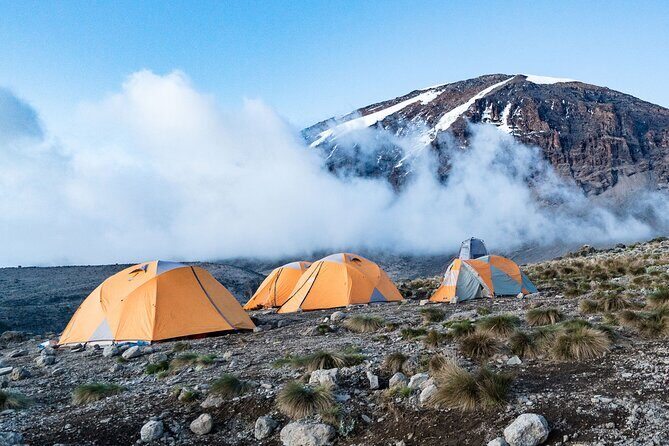
At $1,810 per person for an approx. 6-day climb, you’re not paying just for “days on a mountain.” You’re paying for the whole operating system: park fees, a professional guide, plus a chef and cook, and then the meals and taxes that keep you fueled.
This itinerary includes meals for all days—breakfast (6), lunch (6), and dinner (6)—plus all fees and taxes. It does not include visa or international flights, so you’ll still need to budget for those parts.
Now the value question: why do some climbers feel this price makes sense? In practice, higher-cost Machame trips often mean more structured support, time on trail with trained guides, and a route that delivers variety. If you want Kilimanjaro to feel like a real challenge that ends with sunrise and then a classic descent, Machame is one of the best “effort-to-reward” balances on offer.
If your main goal is to keep things as easy and predictable as possible, you may prefer another route. But if you’re willing to work, Machame tends to fit.
The Real Difference: Guides and Chef Support on the Mountain
The reviews for this provider have a strong theme: the team makes the climb feel safer, calmer, and more human. Names that come up repeatedly include William (often connected with the planning and team leadership), plus guides such as Izadini, Paul, Rama, Elya, Tulisa, Dave, Sele, Baraka, and Charles.
People also point to the cook/chef team and say the food was great—an underrated part of any Kilimanjaro climb. Good meals and consistent service matter because altitude reduces appetite for many people. If food is handled well, you can keep eating even when you don’t feel like it.
Another quality I’d trust from your side: look for a guide who adjusts pace to your limits. Reviews repeatedly mention guides paying attention to limits and feelings, and that shows up exactly when you need it most—during summit night.
So if you’re choosing between options, don’t only compare route names. Pay attention to who runs your climb and whether you feel comfortable with their approach to pacing and safety.
Crowds on Machame and How to Keep Your Experience Yours
Machame is popular. That means you might see more trekkers than on quieter routes, especially near key landmarks.
The good news: you can still protect your experience. The mountain isn’t ruined by other people; it’s just not solitary. What you can control is your mindset and your rhythm—slow enough to feel the air change, deliberate enough to enjoy the views, and disciplined enough to ignore the urge to match someone else’s pace.
Also, sunrise on summit morning is one moment where crowds fade into the background. You’re all watching the same horizon, and the effort stops being comparative.
Who Should Choose This Machame Climb?
This trip is best suited for people who want a classic, more challenging Kilimanjaro route and have at least some hiking or backpacking experience. Machame isn’t usually for someone who wants a gentle walk-up.
You’ll also do best if you can handle early starts and steep, rocky days. The trek includes steep sections like Barranco Wall and scree climbing near Stella Point, plus the wet/muddy descent risk on Day 6.
If you’re the type who likes structure and consistent support, you’ll probably feel at ease with a team that’s praised for professionalism and care.
Should You Book the 6-Day Kilimanjaro Via Machame?
I’d book this climb if you want the Machame route’s mix of variety and strong acclimatization pacing, and you’re ready for the harder effort level. The pricing feels more reasonable when you consider what’s included—guides, chef support, and all the meals plus park fees—so you’re not piecing the climb together yourself.
Hold off if you strongly dislike steep hiking, you’re anxious about midnight starts, or you want the most crowd-free experience possible. In those cases, you may want a different route and a different style of trek.
If you go, do one thing that pays off immediately: train for your steady pace on uneven ground. Bring your trekking poles and gaiters, keep your breathing calm on the scree, and let the guide team manage the climb’s rhythm. That’s when Machame turns into one of those trips you remember for the rest of your life.
FAQ
How long is the Kilimanjaro Via Machame climb?
It’s listed as 6 days (approx.) with a full itinerary from Moshi to Machame Gate, up to the summit area, and then down via the Mweka route.
How long does it take to get from Moshi to Machame Gate?
The drive from Moshi to Machame Gate takes about 45 minutes.
What is the highest altitude point on this itinerary?
The itinerary references Stella Point on the crater rim during the summit push. Lava Tower is also listed at about 4,650 m, and camps range up to around 4,700 m at Barafu Camp.
How hard is the summit day?
Day 5 is described as the most mentally and physically challenging part of the trek. You start very early (between midnight and 2 am) and ascend through heavy scree toward Stella Point.
Does the trek include meals throughout the whole climb?
Yes. Meals are included for 6 breakfasts, 6 lunches, and 6 dinners.
What’s included in the $1,810 price?
Included are park fees, a professional guide, chef and cook, all fees and taxes, and meals (breakfast, lunch, dinner).
What’s not included?
The tour notes that visa and international flights are not included.
Is there pickup after the trek?
A vehicle is waiting at Mweka gate to drive you back to your hotel in Moshi, around 60 minutes. The listing also indicates pickup is offered.
Is free cancellation available?
Yes. You can cancel up to 24 hours in advance for a full refund. If you cancel within 24 hours of the start time, the amount paid is not refunded.