REVIEW · MOSHI
5 Days Safari In Serengeti And Ngorongoro
Book on Viator →Operated by Africa Joy Tours - Day Tours / Mult Day Tours · Bookable on Viator
Three parks, five days, and nonstop wildlife. You start on the slope of Mount Meru at Arusha Safari Lodge, then head to Lake Manyara for a birding-focused picnic before you spend big chunks of time hunting wildlife in Serengeti and Ngorongoro. I love the smooth JRO airport pickup and how the route mixes classic game viewing with a bit of physical effort.
The safari setup also sounds practical, not fancy-for-fancy’s-sake. The vehicles include a fridge, power, and VHF radio, which matters on long, bumpy days. I also like that you get two full Serengeti drives plus a dedicated crater day, so you’re not just rolling the dice once. One consideration: the trip recommends moderate fitness and includes trekking, so plan on some walking and long days.
In This Review
- Key things that make this safari work
- Day 1 on the slopes of Mt. Meru: your calm start in Arusha
- Lake Manyara picnic: birds, hot springs country, and tree-climbing lions
- Olduvai Gorge: a quick history detour before Serengeti
- Two Serengeti drives: how to use that extra day for better sightings
- Ngorongoro Crater day: the big-five-style day, packed into one drive
- Safari comfort you can actually feel: fridge, power, VHF radio
- Meals, lodging, and pacing: what the all-included structure gives you
- Price and value: is $3,500 per person fair for this route?
- The guides and the vibe: what seems to matter most
- Who should book this safari, and who might want to adjust
- Should you book this 5 Days Safari In Serengeti And Ngorongoro?
- FAQ
- What time does the safari start?
- Where does the safari begin?
- Is this tour private?
- What’s included in the price?
- What is not included?
- What is the cancellation window?
Key things that make this safari work
- JRO pickup plus pre-safari briefing: You’re not left figuring out the start of your trip on your own.
- Lake Manyara picnic in prime bird habitat: Lake Manyara is also famous for tree-climbing lions.
- Olduvai Gorge stop on the way into Serengeti: A strong culture-and-science pause before wildlife time.
- Two game drives in Serengeti: Getting a second drive improves your odds and lets you track different animal behavior.
- Ngorongoro Crater in one concentrated day: Huge crater, big animal numbers, and a classic big-five-style setting.
- Safari vehicle comfort features: Fridge, power, and VHF radio help keep you functional while you’re out chasing sightings.
Day 1 on the slopes of Mt. Meru: your calm start in Arusha
Most safari days start with a lot of adrenaline—early wake-up, quick coffee, then the long drive into the wild. This one starts softer. You’ll fly into Kilimanjaro International Airport (JRO) and meet a private transfer to Arusha Safari Lodge, which sits on the slope of Mount Meru. If your arrival is anywhere in the day, you can actually breathe, check in, and let your body adjust before the game-drive marathon begins.
At the lodge, you’ll gather for a pre-safari briefing and do an equipment check. That part matters more than people think. A good briefing helps you understand the plan, confirm the basics, and avoid the classic safari problem: arriving ready for wildlife and forgetting the small stuff that makes the day easier. You’ll also confirm you have the appropriate medical coverage and travel insurance, so you’re not scrambling later when time is short.
Even though Day 1 is “leisure,” it’s not wasted time. Dinner and your overnight on half board gives you a true base camp feeling. You’re setting up your stamina for what comes next: Lake Manyara, then Serengeti, then Ngorongoro.
A few more Moshi tours and experiences worth a look
Lake Manyara picnic: birds, hot springs country, and tree-climbing lions
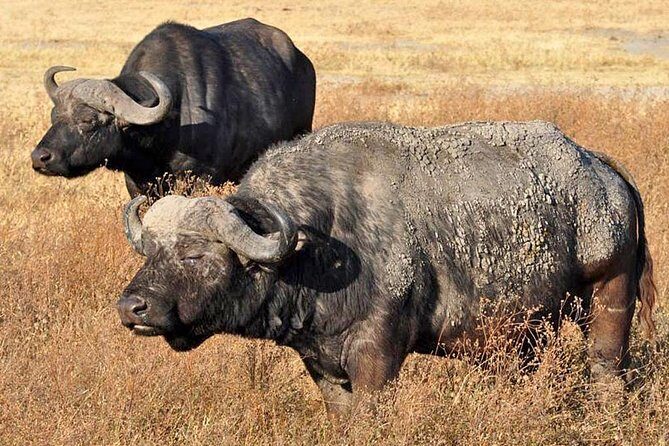
On Day 2, you head from Arusha to Lake Manyara National Park. It’s smaller than Serengeti or Ngorongoro, but it’s packed with variety. Lake Manyara covers about two-thirds of the park, and behind it you get the Rift Valley wall. Then you move through groundwater forest, open grass near the lake shore, the soda lake, and even hot springs country—so animal and bird life can look very different within a short distance.
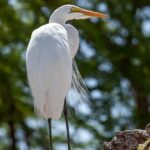
What I’d book this day for is the picnic lunch in the park. It’s not just food; it’s your chance to slow down and watch the “smaller action” that you miss when you treat safari like a checklist. The park is a birding paradise, with more than 350 bird species. Even if birds are not your thing, the diversity usually means better overall wildlife energy around you—more calls, more movement, and more chances to see animals using different habitats.
And then there’s the famous hook: tree-climbing lions. This is the kind of detail that tells you Lake Manyara does things differently. If the timing and luck align, it’s a memorable moment that adds personality to your overall safari story.
You’ll sleep at Kirurumu Tented Camp on full board, and the day includes admission. Plan for a long day outdoors; wildlife spotting is rarely a “stand still and wait” sport.
Olduvai Gorge: a quick history detour before Serengeti
Day 3 begins with a stop at Olduvai Gorge, known as the cradle of mankind. You’ll see the connection to early hominids dating back about two million years. It’s a strong mental reset: you go from modern wildlife behavior to a place where human history began to be understood in a big way.
Why this detour is worth it: it keeps your brain engaged. After days of staring at grass for movement, it helps to shift gears for a bit, look at a different kind of evidence, and re-enter the safari with fresher attention.
From Olduvai Gorge you continue into Serengeti National Park, whose name is tied to the idea of endless plains. The park’s boundary is huge—about 5,600 square miles—and it’s part of one of the oldest ecosystems on earth. That’s the key point: Serengeti isn’t just big. It’s old, established, and constantly “in use” by wildlife.
You’ll get your first full Serengeti day of wildlife time (about 7 hours on the schedule), then settle into Kati Kati Tented Camp on full board. Admission is listed as included/free for the Serengeti portion, so you’re not constantly worrying about add-on costs while you’re there.
Two Serengeti drives: how to use that extra day for better sightings
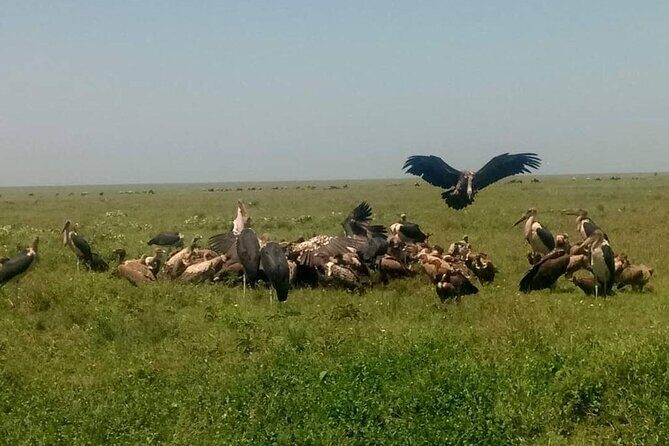
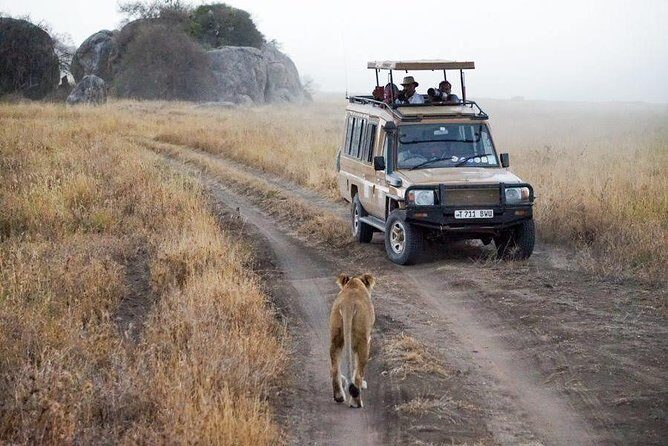
Day 4 is another encore game drive in Serengeti. This is the part I really like for you as the decision-maker: two drives mean you can catch different patterns. Animals don’t show up the same way every hour, every day, or after rainfall. On the first drive you might focus on what’s easy to find; on the second drive you can connect the dots with what you saw before.
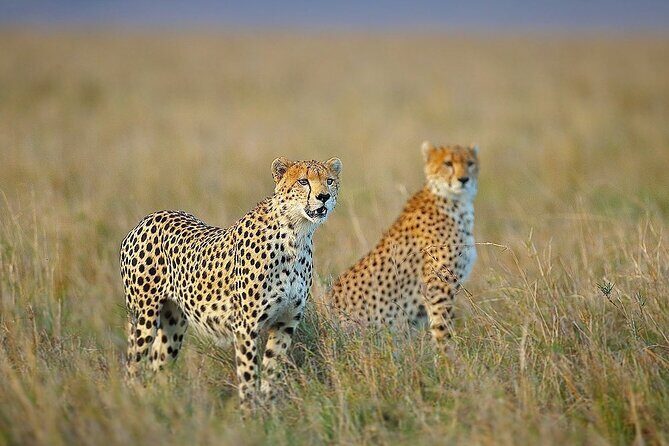
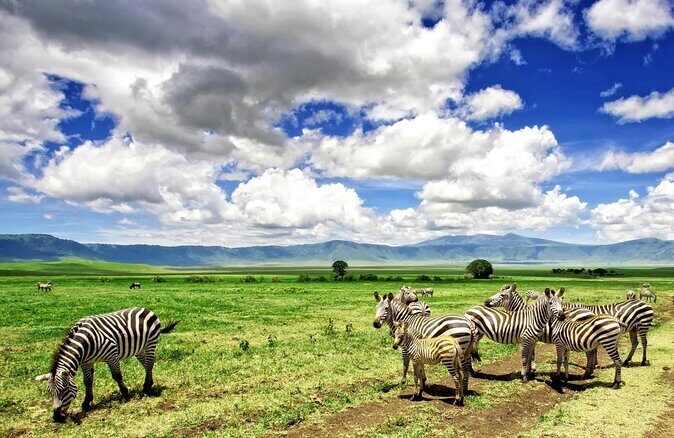
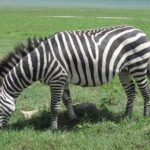
Serengeti’s timing also plays into this. From May to December, millions of animals migrate between central Serengeti and Masai Mara and back again. You might not be in peak migration season, but even in the “down-time,” the area still has large numbers of wildebeest, zebra, gazelle, elephants, giraffe, buffalo, and predators like lions, leopards, cheetahs, hyenas, and jackals.
What helps you on a second drive is that you start recognizing the landscape signals: where animals tend to gather, how water and shade shape movement, and which behaviors are likely to lead to a sighting. It’s not magic, it’s just repetition and pattern-matching.
You’ll return to Kati Kati Tented Camp for dinner and overnight on full board. Admission is listed as free/included for the Serengeti portion, so the focus stays on the sightings and not on the paperwork.
Ngorongoro Crater day: the big-five-style day, packed into one drive
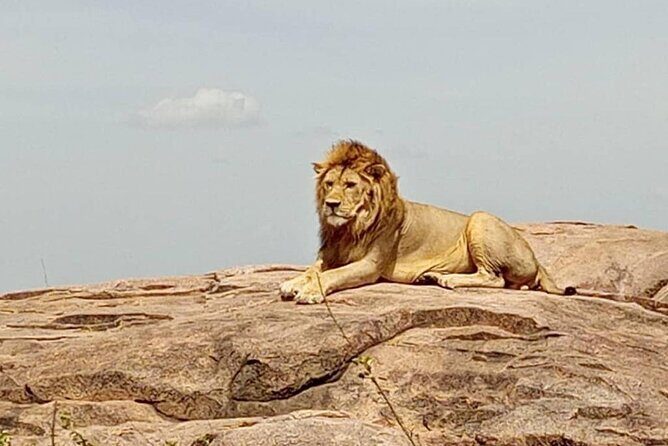
Day 5 is the shift from open plains into a massive bowl of wildlife: Ngorongoro Crater. You’ll depart Serengeti and travel to the crater area, then spend the day inside that naturally dramatic setting.
Here are the scale details that matter for expectations: Ngorongoro is the largest intact volcanic crater in the world, sitting more than 2,000 feet deep and about 12 miles in diameter. And inside, the density is famous—about 30,000 animals live in that ecosystem. That’s why people come for big-five-style viewing: with that many animals in a smaller area, sighting odds rise.
You’re specifically targeting the chance to see the big five—lion, elephant, rhino, buffalo, and leopard—plus plenty of other species. Even if you don’t see every big five animal in one day (nobody should promise that), the crater’s concentration usually makes each sighting feel “heavier.” It’s not just a single animal here and there; it’s animal presence that feels constant.
In the afternoon, you’ll travel back to Arusha for dinner and an overnight at Arusha Safari Lodge. The schedule lists about 7 hours for the travel portion, so don’t plan anything else the same evening that requires energy.
A few more Moshi tours and experiences worth a look
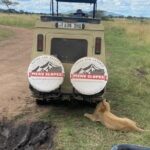
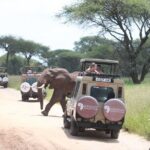
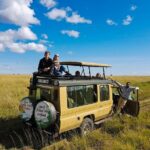
Safari comfort you can actually feel: fridge, power, VHF radio
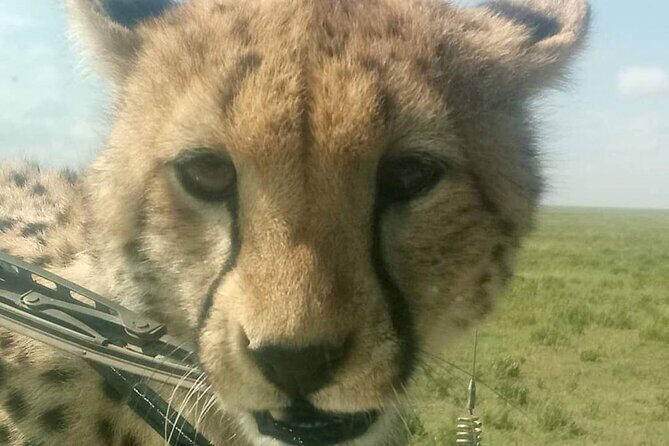
On paper, safari vehicles can sound like a checkbox item. In real life, comfort and communication affect how much you enjoy the day.
This trip lists safari vehicles equipped with:
- a fridge
- power
- VHF radio
The practical meaning is simple. When you’re out for long hours, staying hydrated and avoiding temperature stress helps your brain stay sharp for spotting. Power gives you a way to keep devices going (useful for photos and navigation). And a VHF radio improves communication—especially in large safari areas where vehicles spread out and coordinate.
Add in the fact that you’re doing multiple parks, and those features start to feel less like luxury and more like smart planning.
Meals, lodging, and pacing: what the all-included structure gives you
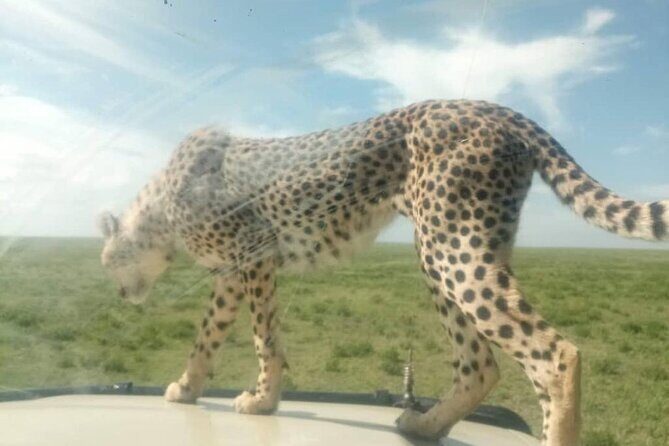
This safari is built around a classic “all the logistics handled” structure: all meals and accommodation included. You’re also told pickup is offered and that you’ll get a mobile ticket.
You can feel the structure in the meal plan:
- Day 1 is half board at Arusha Safari Lodge.
- Days 2 through 5 are full board at Kirurumu Tented Camp and Kati Kati Tented Camp, with a return to Arusha Safari Lodge at the end.
That matters because safari days can drain you. If you’re paying meals out of pocket, you spend mental energy thinking about where to eat. Here, you can focus on wildlife.
The pacing is also built for “active safari” energy. Between Lake Manyara picnic time, Olduvai Gorge, two Serengeti game drives, and the Ngorongoro crater day, you’re not doing one long sit-and-wait session every day. You’re moving through varied environments, and that helps keep the experience from feeling repetitive.
One thing to keep in mind: the highlighted fitness level and trekking note means you should be ready for some walking. If you have mobility limits, check with the operator before you book so you’re not surprised.
Price and value: is $3,500 per person fair for this route?
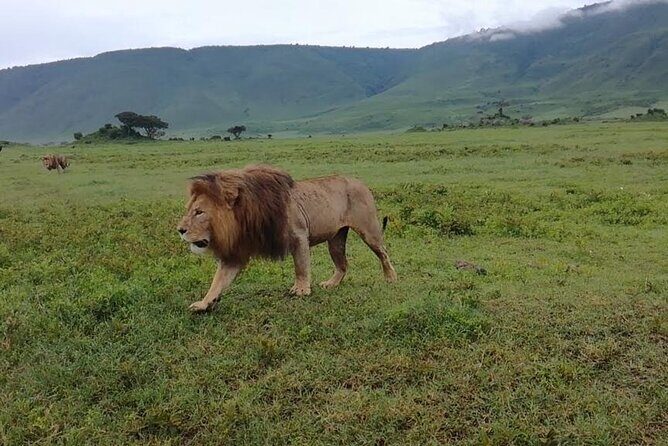
$3,500 per person for a 5-day safari is not a budget number. But it also isn’t random pricing for a vague itinerary. This specific route includes multiple parks—Lake Manyara, Serengeti (two game-drive days), and Ngorongoro—plus a Mount Meru base start in Arusha.
To judge value, look at what’s included versus what usually costs extra:
- Accommodation at the listed lodges/camps
- All meals (breakfast/lunch/dinner counts listed across the 5 days)
- Private airport transfer from JRO
- Safari admission coverage noted across the park days (with Lake Manyara included and Serengeti/Ngorongoro indicated as included/free)
- Safari vehicle comfort features (fridge, power, VHF radio)
Where your money likely goes is in the combination of driving time, park access, and the logistics of moving you between ecosystems while keeping the schedule functional.
If you’re the kind of traveler who wants to see the big names—Serengeti and Ngorongoro—without adding extra planning days, this price can start to make sense. If you’re trying to minimize cost at any price, you’ll find cheaper safaris in Tanzania. But you’ll usually trade away something like time in fewer parks, fewer drives, or less included service.
The guides and the vibe: what seems to matter most
From the safari experiences connected to this route, the people running the drives come up a lot. Names like Elias, James, and Praygod show up in the feedback tied to finding animals and keeping the drive experience smooth.
I also noticed a common theme: communication before and during the trip matters. The company is described as responsive in planning, with names like Emmanuel (communications representative) and Clinton (company owner) appearing in feedback about being reachable and clear. That’s not “soft stuff.” When you have airport timing, medical coverage confirmation, and tight schedules, good communication keeps stress low.
For you, the practical takeaway is this: choose the safari only if you feel you can reach the operator and your guide before travel. If their communication feels slow or vague, it’s worth asking questions before you pay.
Who should book this safari, and who might want to adjust
This trip fits best if you:
- want a classic Tanzania highlights route in just five days
- like structured wildlife time with two Serengeti drives
- are okay with long days in a vehicle and early mornings
- can handle moderate fitness and trekking-style effort
You might want to rethink or ask for details if you:
- need a very low-walking safari (the trip mentions trekking and moderate fitness)
- get overwhelmed by fast schedule changes between parks
- have mobility or stamina concerns that could clash with long drive times
On the other hand, if you enjoy active touring and you want a real chance at predators, this route makes a lot of sense. Serengeti plus Ngorongoro is a powerful one-two punch.
Should you book this 5 Days Safari In Serengeti And Ngorongoro?
I’d book it if your goal is simple: see Serengeti with real time behind the scenes (two drive days), then do Ngorongoro for the concentrated crater experience, all with meals and lodging handled. The added Lake Manyara birding picnic and the Olduvai Gorge stop make the route feel more than just a long drive with a camera.
Don’t book it on autopilot if you’re unsure about the moderate fitness and trekking portion. Ask directly how much walking is expected and how flexible the schedule is day to day.
If you’re comfortable with that, this safari looks like strong value for a five-day hit list that still leaves room to enjoy the moment, not just chase the next checkmark.
FAQ
What time does the safari start?
The listed start time is 7:30 am.
Where does the safari begin?
It starts with pickup from Kilimanjaro International Airport (JRO), followed by a private transfer to Arusha Safari Lodge.
Is this tour private?
Yes. It’s listed as a private tour/activity, meaning only your group participates.
What’s included in the price?
Meals and accommodation are included, along with admission tickets noted for park days, safari-vehicle amenities (fridge, power, VHF radio), and private airport transfer.
What is not included?
Tips and items of personal nature are not included.
What is the cancellation window?
You can cancel up to 24 hours in advance for a full refund. If you cancel less than 24 hours before the start time, the amount paid is not refunded. The experience also requires good weather; if it’s canceled for poor weather, you’re offered a different date or a full refund.