REVIEW · ARUSHA
6 days Kilimanjaro Climbing Machame Route in Tanzania
Book on Viator →Operated by Twende Africa Tours · Bookable on Viator
Kilimanjaro rewards patience in the dark. This 6-day Machame Route is longer and a bit tougher than the more famous Marangu approach, but the payback is scenery that keeps changing every few hours. You’re also climbing in a way that builds in acclimatization, which matters when you’re working your way past altitude lines that make your breathing feel like it’s on a delay.
I especially like two things. First, you get tent-only camping on Machame, so the experience feels fully on-mountain, not like you’re staying in buildings. Second, the plan is practical and detailed, from early start times to realistic summit-day effort, including the mental grit needed for the Stella Point push.
One consideration: this is not a casual hike. The trail is longer and slightly more challenging, and the summit day is the hardest part—heavy scree, steep angles, and a midnight wake-up.
In This Review
- Key Things To Know Before You Go
- Machame Route: Why the Whisky Route Fits the Adventurous (and the Tired)
- Price and Value: What $2,800 Actually Buys You
- Day 1 (1,830m to 3,000m): Rain Forest to Machame Camp
- Day 2 (3,000m to 3,840m): Shira Country and Moorland Breathing
- Day 3 (3,800m to 4,630m then down to 3,986m): Lava Tower, Arrow Glacier, and Barranco
- Day 4 (3,900m to 4,600m): Barranco Wall, Karanga Valley Lunch at 4,200m, and Barafu Setup
- Day 5 (Midnight to Stella Point 5,685m): The Summit Push and Sunrise Gamble
- Day 6 (3,100m to 1,830m): Mweka Gate Descent and Summit Certificates
- The Human Side: Twende Africa Tours, Peter, and Eli’s Kind of Support
- Who This Machame Climb Is For (and Who Should Think Twice)
- Should You Book This 6-Day Machame Route with Twende Africa Tours?
- FAQ
- How long is the Kilimanjaro Machame Route climb?
- Where do I meet the tour, and what time does it start?
- Is pickup included?
- What’s included in the price of $2,800?
- What kind of accommodation do you use on the Machame route?
- What should I cancel by to get a full refund?
Key Things To Know Before You Go
- Machame is tougher than Marangu: longer day totals and more steep, rocky walking
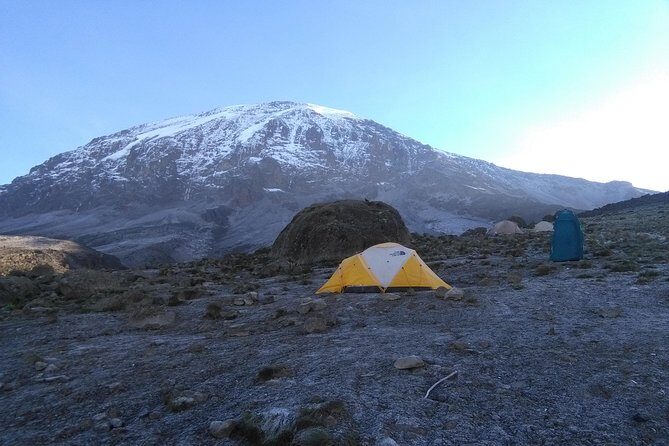
- Tents only, not huts: the experience is more “camping on Kilimanjaro” than “sleep in a cabin”
- Acclimatization is built in: Shira-to-Lava Tower-to-Arrow Glacier-to-Barranco helps your body adjust
- Summit night is the test: midnight start, ascent through scree to Stella Point, sunrise if weather cooperates
- A local operator with named guides: the team led by Peter, with guides like Eli, is the kind you want when things get real
Machame Route: Why the Whisky Route Fits the Adventurous (and the Tired)
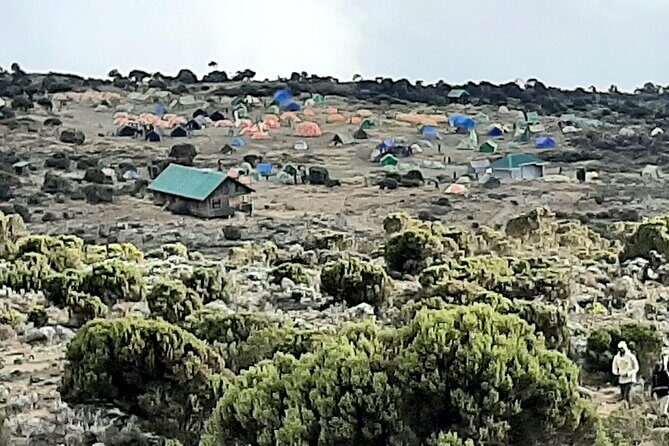
Machame is sometimes called the Whisky Route, and the nickname fits the vibe: you’ll spend more time feeling challenged, and then suddenly you’re hit with big payoff views and a sense of earned altitude. Compared with Marangu, Machame is typically longer and slightly more demanding, and it uses strictly tents only instead of huts. If you want the mountain to feel like the main event—cold nights, tent setup, and constant terrain changes—this route makes sense.
The operator also frames a good goal: they note that about 85% of hikers reach the summit on this approach. Nobody can guarantee the mountain, but that kind of success rate usually means they manage pacing and acclimatization with a serious eye.
If you’re the type who panics at the idea of steep scree or “mud you can’t see coming,” this isn’t the trek to treat like a weekend walk.
A few more Arusha tours and experiences worth a look
Price and Value: What $2,800 Actually Buys You
At $2,800 per person, you’re paying for more than just “a guide and a hat.” This price includes core expenses that add up fast on Kilimanjaro: national park fees, dinner, private transportation, and round-trip shared transfer. It also lists 2 nights of accommodation as included, and you should expect your meals and camp logistics to be handled for the climb itself.
What’s not included is also clearly stated: souvenir photos (sold on the mountain) and landing and facility fees. In other words, you’re not likely to get surprised by random charges for getting into the parks. You’ll still want to budget for personal items like extra snacks, tips, and any optional purchases.
Also worth noting: you’ll have a mobile ticket and pickup is offered, which helps keep the first day from turning into an airport-style scramble.
Day 1 (1,830m to 3,000m): Rain Forest to Machame Camp
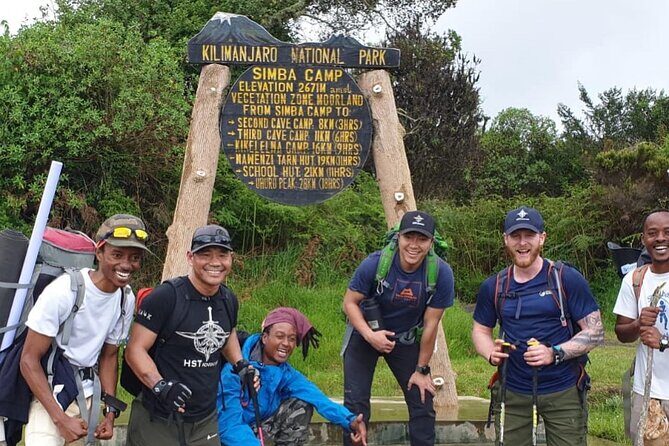
You’ll start with a drive from Moshi to the Kilimanjaro National Park Gate that takes about 45 minutes, passing through the village of Machame on the lower slopes. That first stretch matters because it gets you into the rhythm of the region before you even hit trail.
Once you leave the gate, you walk into montane forest on a winding ridge trail. Lower down, expect sections that can be muddy and slippery, and the trek description is straight about it: bring gaiters and trekking poles. Those small tools can save your knees—and your pride—on slippery rock.
You’ll climb from 1,830m to about 3,000m, covering around 11 km in roughly 5–7 hours, then settle into camp at Machame Camp. This is not the “hero day.” It’s the day you learn how your legs feel at altitude and how your pack feels when the trail turns slow and steep.
Day 2 (3,000m to 3,840m): Shira Country and Moorland Breathing
After breakfast, the route shifts away from the forest into a more open, higher-feeling world. You leave the “green stuff” and move onto an ascending path with steep rocky ridge walking, including heather, until the ridge ends. Then the trail turns west along a river gorge, which can be scenic but also means you’ll keep your footing.
This day is shorter in distance—about 5 km—but it still takes around 4–5 hours, with altitude moving you from roughly 3,000m up to 3,840m. You’ll overnight at the Shira campsite at the end of the day.
Vegetation changes again to moorland, and you’ll feel it: less cover, more exposure to wind, and a different kind of cold. It’s also a good day for steady pacing. You’re not racing. You’re training your body to keep working while breathing gets harder.
Day 3 (3,800m to 4,630m then down to 3,986m): Lava Tower, Arrow Glacier, and Barranco
This is one of the most memorable days because the route stacks big landmarks back-to-back. Starting from the Shira Plateau, you continue east up a ridge, passing a junction toward Kibo. Your direction then turns southeast toward the Lava Tower, nicknamed the Shark’s Tooth. It’s a dramatic name and the shape lives up to it.
Not long after, you reach the next key stop: the Arrow Glacier area at about 4,876m. Even if the glacier is smaller than what you might picture from Earth’s textbook diagrams, the environment around it looks sharp and cold, like the mountain has switched to “final boss mode.”
After that, you descend to Barranco Hut at around 3,860m. The day’s elevation numbers may look confusing at first glance, but here’s the point for you: the route helps your body adapt by mixing altitude work with a descent, which is exactly why day 3 is described as important for acclimatization.
You’ll hike roughly 11 km for 5–7 hours, in semi-desert conditions, then rest and eat. If your legs feel a little heavy this evening, that’s normal. The climb is teaching your body how to recover at altitude too.





Day 4 (3,900m to 4,600m): Barranco Wall, Karanga Valley Lunch at 4,200m, and Barafu Setup
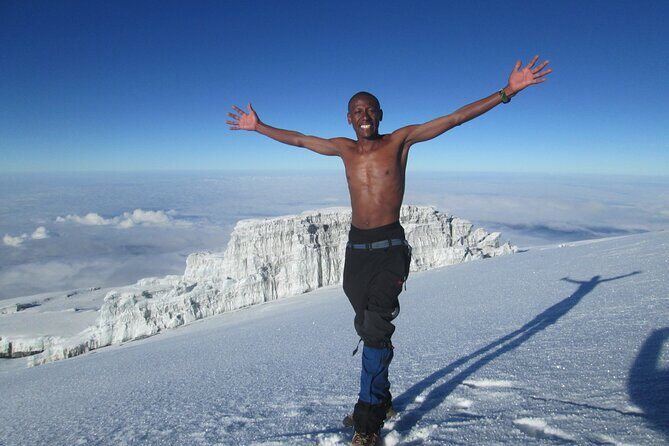
Day 4 starts with effort. After breakfast, you go up from Barranco, continuing along a steep ridge toward the Barranco Wall. You then move through the Karanga Valley, with lunch at around 4,200m. This is one of those moments where you’ll feel the altitude in your appetite: you’ll want to eat, but you might feel slow chewing.
After Karanga Valley, you reach a junction that connects with the Mweka Trail, then continue up to Barafu Hut. You’re now set up for summit day logistics, and the route descriptions mention views of both Mawenzi and Kibo from this position. In plain terms: you’re going to see where you’re going, and it can be motivating—or a little unnerving.
You cover about 9 km and it can take around 8 hours, with vegetation shifting to alpine desert. Expect a drier feel and harsher light. You’ll camp at Barafu, rest, and get ready for the next day’s midnight start.
Day 5 (Midnight to Stella Point 5,685m): The Summit Push and Sunrise Gamble
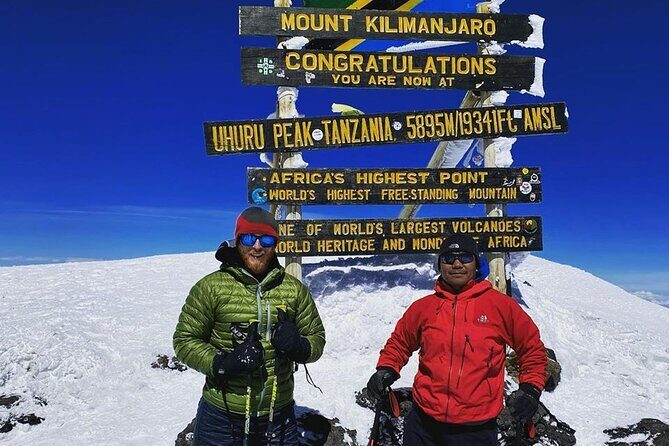
This is the day. You’ll start around 12:00am (midnight) and head into a steep, demanding ascent through heavy scree toward Stella Point at 5,685m on the crater rim. This section is described as the most mentally and physically challenging portion of the trek, and that lines up with what makes summit day different: it’s not just legs anymore. It’s your decision-making under stress.
At Stella Point, you pause for a short rest. If weather cooperates, you’ll get the sunrise that they say could be the most magnificent you’ll ever see. You should plan for clouds, too. Sunrise is a gift, not a guarantee.
From Stella Point, you encounter snow all the way on the roughly 2-hour ascent. That’s where traction, layers, and steady pacing matter most. The day’s numbers are intense: about 5 km ascent and 12 km descent, with 6–8 hours ascent and 3 hours descent. You climb from roughly 4,600m up to 5,895m, then descend to around 3,100m by day’s end.
If you do this day well, you don’t “go fast.” You keep moving. One step at a time. Try not to measure effort by who walks ahead of you. Measure it by whether you can keep your pace steady enough to last.
Day 6 (3,100m to 1,830m): Mweka Gate Descent and Summit Certificates
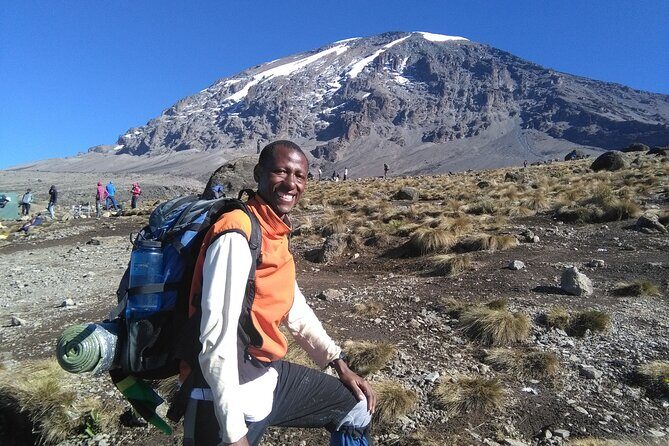
You start after breakfast by descending down to the Mweka Park Gate to receive your summit certificates. Lower elevations can mean wet and muddy trail conditions, and the advice matches day 1: bring gaiters and trekking poles if you can. There’s also guidance on clothing: shorts and t-shirts may be enough at lower elevations, but keep rain gear and warmer clothing handy for comfort.
This final hiking day is about 10 km and usually 3–4 hours, finishing around 1,830m through forest vegetation. When you hit the gate, your Twende Africa Tours vehicle meets you and drives you back to your hotel in Moshi, about 30 minutes away.
It’s a satisfying ending. You’re tired, your legs are not thrilled, but you’re moving downhill with a purpose: paperwork, a certificate, and real-world air that feels like a victory lap.
The Human Side: Twende Africa Tours, Peter, and Eli’s Kind of Support
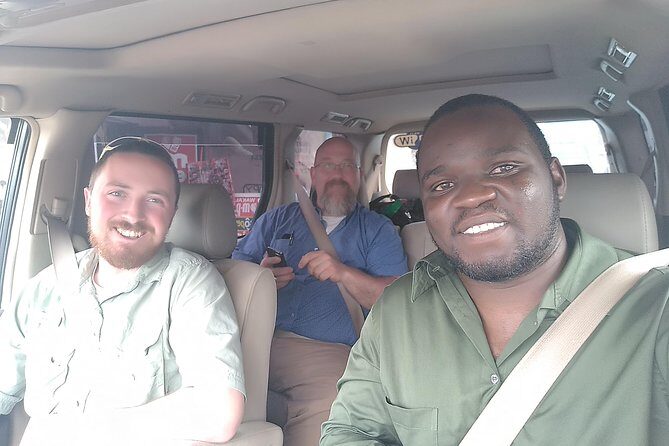
The standout from the experiences shared with this operator is the people side. The company is run by Peter, and that local leadership shows in how smoothly things get handled when schedules and terrain shift. Guide Eli comes up as friendly, knowledgeable, and reliable, the kind of person you want when you’re deciding whether to push harder or just stick to your plan.
I also like that the team emphasis includes porters doing much of the heavy lifting. That’s not just polite. It changes how you experience the climb because it lets you focus on walking and acclimatizing instead of turning your pack into your whole day.
Your group is private, too—so it’s only your group participating. That can mean fewer distractions and more consistent attention from the team.
Who This Machame Climb Is For (and Who Should Think Twice)
This tour fits best if you’re physically ready for a 6-day climb that includes a difficult summit day. The guidance says you should have moderate physical fitness, and the Machame route’s longer, slightly more challenging profile makes that a real requirement, not a suggestion.
You’ll likely enjoy it if you like:
- steady trekking and changing terrain
- the full tent-camping feel of Kilimanjaro
- acclimatization days that are active, not just a rest day with snacks
You might want to rethink if you:
- want huts instead of tent camping
- dislike steep rocky walking and scree
- are hoping to keep the summit day gentle (it’s not)
Should You Book This 6-Day Machame Route with Twende Africa Tours?
I think you should book if you want a classic Machame experience—tents, changing vegetation, and a climb plan that takes acclimatization seriously—and you value a local operator with proven, named support like Peter and guides such as Eli.
I wouldn’t book if you want the easiest route or you’re not comfortable with a summit day that starts around midnight and involves heavy scree near Stella Point. This is a “do it for the mountain” climb, not a “quick achievement” one.
If you’re on the fence, the safest move is to be honest about your fitness, and treat gear like it matters. Bring the poles. Bring gaiters. Pack warmer layers even when day temperatures feel manageable.
FAQ
How long is the Kilimanjaro Machame Route climb?
This experience is 6 days (approx.), climbing the Machame route with multiple camp stops and a summit attempt on day five.
Where do I meet the tour, and what time does it start?
The meeting point is Arusha, and the start time is 9:00 am. The experience ends back at the meeting point, and after finishing at Mweka Park Gate, you’re driven about 30 minutes back to your hotel in Moshi.
Is pickup included?
Yes. The tour summary notes that pickup is offered, and it also includes round-trip transfer.
What’s included in the price of $2,800?
The included items are dinner, national park fees, private transportation, 2 nights accommodation, and round-trip shared transfer. National park admission ticket inclusion is also noted across the days.
What kind of accommodation do you use on the Machame route?
The Machame route here uses strictly tents only. The itinerary includes overnight stops such as Machame Camp, Shira campsite, Barranco Hut area, and Barafu Hut area.
What should I cancel by to get a full refund?
You can cancel up to 24 hours in advance for a full refund.
If you tell me your hiking background (recent weekly mileage, any past altitude experience, and your expected month of travel), I can help you sanity-check whether Machame is a good match or a risky choice.