REVIEW · ARUSHA
3 Day Sharing Safari – Manyara, Ngorongoro Crater and Tarangire National Parks
Book on Viator →Operated by Guruguru Safaris · Bookable on Viator
Three parks. One Northern Circuit story. This 3-day safari connects Tarangire, Ngorongoro Crater, and Lake Manyara in one tight loop, with meals and drinks handled for you so you can stay focused on animals. It’s a small-group trip (max 6) with pickup in Arusha, so the day feels smooth instead of chaotic.
What I especially like is the value of doing all three parks in one package. You get accommodation plus meals (breakfast twice, lunch three times, dinner twice), and park admission is listed as free—so you’re not constantly making side payments when the best sightings happen. I also appreciate how easy the planning can be through Guruguru Safaris, and how a guide like Peter can make the experience feel human, not mechanical.
One consideration: the package covers the big essentials, but personal expenses like shopping and your international flight are not included. If you like to add extra activities or buy lots of souvenirs, you’ll want to plan for that budget up front.
In This Review
- Key things I’d circle before you go
- 3 Parks in 3 Days: What $870 Really Buys You
- Tarangire National Park: Elephants at the Tarangire River
- Ngorongoro Crater: A Collapsed Volcano With Big-Mammal Density
- Lake Manyara National Park: Flamingos, Birdlife, and Tree-Lounging Lions
- Meals, Accommodation, and the Safari Rhythm You’ll Feel
- The Guide Factor: Friendly Service and Competent Eyes
- Who This Safari Fits Best (and Who Might Want a Different Style)
- Should You Book This 3-Day Safari From Arusha?
- FAQ
- Which national parks are included in this 3-day safari?
- Where does the safari start in Arusha?
- Is pickup included?
- What meals and accommodation are included?
- Is the safari admission ticket included?
- What is the group size?
- Can I cancel and get a full refund?
Key things I’d circle before you go
- Small-group pacing (up to 6 travelers): fewer people can mean a more relaxed safari day.
- Tarangire’s dry-season draw: the Tarangire River is the key water source, which helps elephants gather.
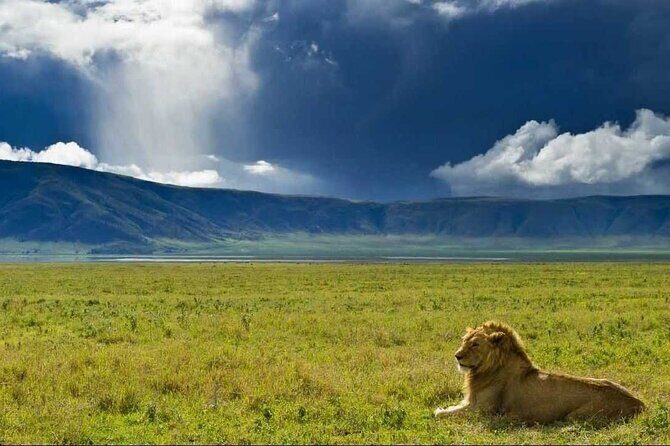
- Ngorongoro’s geological wow-factor: it’s a collapsed volcano that creates a natural reserve packed with large mammals.
- Lake Manyara bird time: the shallow soda lake supports thousands of flamingos plus 500+ other bird species.
- All-in, not out-of-pocket: accommodation, parking fees, and meals are included, with admission tickets listed as free.
3 Parks in 3 Days: What $870 Really Buys You
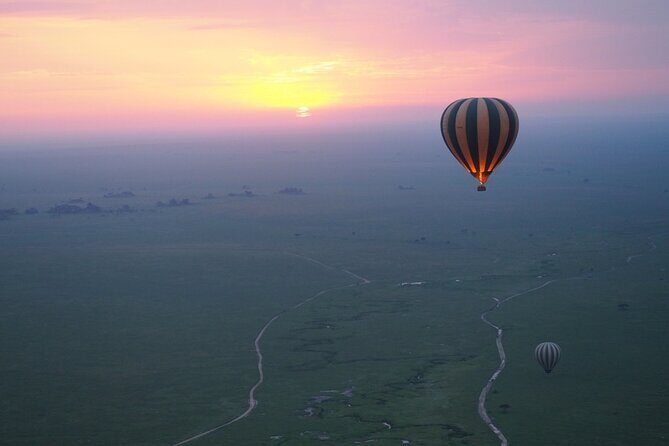
This safari is designed for people who want the Northern Circuit highlights without playing accountant all day. For $870 per person, you’re paying for a true bundle: private transportation, accommodation, and a full meal schedule across the three days. You also start and finish in Arusha, with pickup offered at Shoppers Supermarket and the trip ending back at the same meeting point.
The “all-inclusive” part matters because safari days are long. Your time is best spent tracking wildlife, not hunting for lunch stops or figuring out where tickets get paid. Here, lunch and dinner are built into the plan, and admission tickets are listed as free in the schedule.
You also get a small maximum group size of 6. That’s not just a comfort perk. With fewer people, it’s easier for your guide to manage timing and keep everyone together when animals pop up in surprising places.
The trip does have an early-start rhythm. Day 1 starts early morning after breakfast, and Day 2 and Day 3 follow that same fast-moving pattern. If you like to wake up slowly, you’ll need to adjust your expectations for these three mornings.
A few more Arusha tours and experiences worth a look
Tarangire National Park: Elephants at the Tarangire River
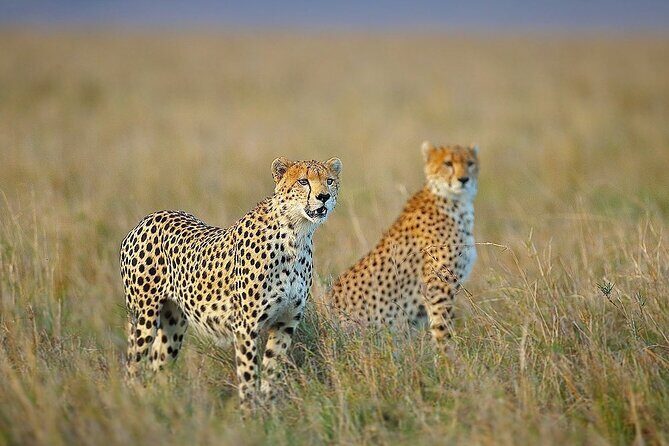
Day 1 focuses on Tarangire National Park, named for the Tarangire River that runs through it. In the dry season, this river is described as the only source of water for wildlife in the region, which is exactly why Tarangire can feel so busy with animals even when other areas slow down.
What I love about Tarangire is how specific the animal story is. The park is well known for elephant families, and the river gets a nickname you’ll hear referenced as the river of warthogs. When you’re watching wildlife at a real water source, it’s easier to understand why you see repeated action—animals return again and again because the basics are here.
Expect dense vegetation in places, including elephant grass and acacia woodlands. That mix of cover and open viewing can change what you spot during the same drive. You may also see giraffe, bushbuck, and hartebeest, and if predators are active, lions and leopards can be in the mix.
Tarangire also has a bird angle that many safari itineraries don’t emphasize. It’s described as having more breeding bird species than anywhere else on the plains, which means your guide can shift your attention from the big mammals to feathered activity when the timing is right.
Possible drawback to plan for: Tarangire is one of those parks where sightings can cluster around the day’s best water and light conditions. That’s great for wildlife, but it means you may feel like you’re “on” for a good part of the day.
Ngorongoro Crater: A Collapsed Volcano With Big-Mammal Density
Day 2 brings you into the Ngorongoro Conservation Area and down into the Ngorongoro Crater. The first impression is described as a forgotten world, which makes sense when you remember what formed it: a large volcano exploded and then collapsed in on itself about two to three million years ago.
This is where the trip’s “epic” promise becomes practical. The drive down into the crater is treated as an adventure in itself, and once you reach the crater floor, wildlife viewing becomes the main event. The crater is also described as home to some of the densest large mammal populations on the African continent, which explains why it’s famous for repeat sightings.
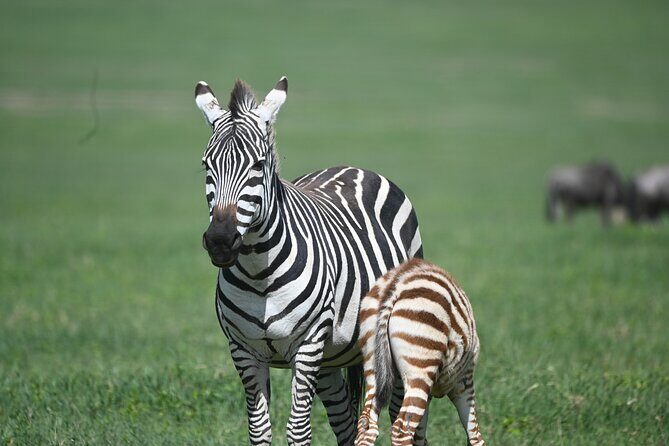
Ngorongoro is also one of the best places in the region for the endangered black rhino. The schedule specifically calls out an opportunity to spot it, along with large families of lions. You’ll likely see concentrations of animals like wildebeest and zebra as well once you’re down on the crater floor.
One important way to think about Ngorongoro: it’s not just about one animal. The crater’s “natural reserve” setting creates steady chances to see multiple species in the same general area. That improves your odds compared with a park where you’d have to cover a wider area to find wildlife.
Consideration: the crater is a whole different viewing world after the drive down. That transition can be a lot in a single day, especially if you’re not used to early starts and long sitting time in a vehicle. Still, the payoff is the kind of scene where your “where did that come from?” questions start popping up.
Lake Manyara National Park: Flamingos, Birdlife, and Tree-Lounging Lions
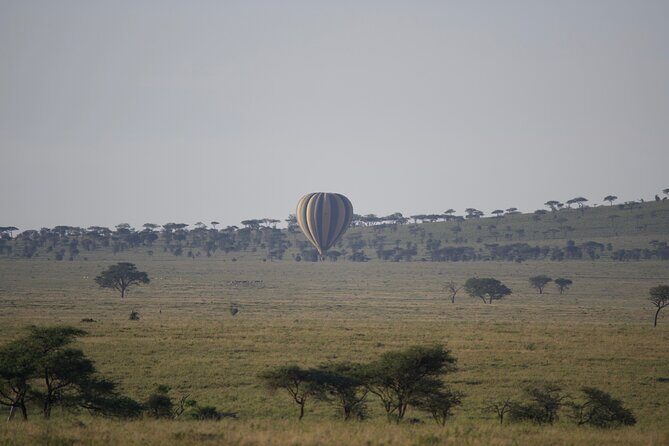
Day 3 is Lake Manyara National Park, a smaller park west of Arusha. You’re told it’s about 120 km west of Arusha, and the key feature is the shallow salt lake in the park—named for the area it covers. The lake is described as occupying around 70% of the park, and it floods and dries seasonally.
That seasonal breathing matters for animals and birds. The soda lake is described as home to thousands of flamingos plus over 500 other bird species. If you like watching wildlife that isn’t only about the “big five,” this day gives you a different kind of safari experience.
During the exploration, you can expect a mix of habitats: open grassy plains, primate-filled woodlands, and baobab-dotted cliffs. That habitat variety is what helps the day feel like more than one type of sighting.
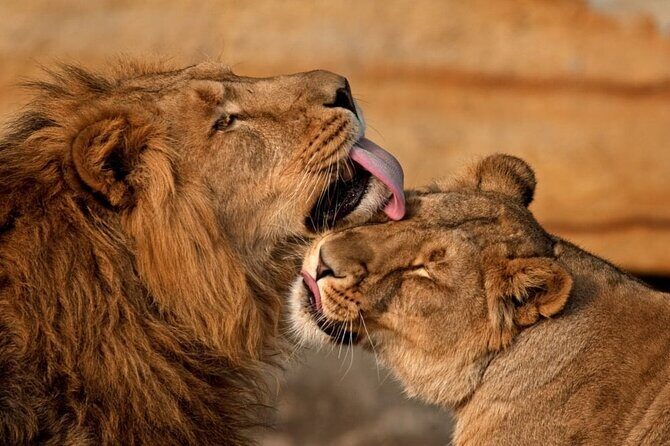
The animal list for this park is broad: you might see monkey, giraffe, zebra, wildebeest, buffalo, and elephant. The schedule also adds lions lounging on trees, with luck. That last detail is the kind of hope that makes safari days fun—because when it happens, it’s memorable in a way you can’t fake with a photo.
Possible drawback: Lake Manyara’s charm partly depends on timing and what the lake and habitats are doing that day. You can go for flamingos and end up with a great mammal sighting, or the other way around. Either way, your guide’s job is to keep you in the right spots as the day changes.
Meals, Accommodation, and the Safari Rhythm You’ll Feel
One of the best parts of this trip is how much is handled for you. The package includes accommodation, parking fees, and a full set of meals: breakfast (2), lunch (3), and dinner (2). The tour overview also notes that meals and drinks are included in the package, which helps keep your spending calm while you’re busy.
If you’ve ever done a multi-day safari and ended up “doing math” for lunch every day, you’ll appreciate the structure here. It also helps with energy. When you know the day is built around breakfast, game drives, and set meals, you can focus on viewing instead of scrambling.
The day lengths listed in the schedule—around 7 to 8 hours per day—also explain the pacing. This isn’t a slow sightseeing walk-through. It’s a wildlife-focused rhythm, where your mornings are for heading into parks and your afternoons are for more viewing until the day wraps up.
Accommodation is included, but the specific lodge details aren’t provided here. Still, you can expect that you’re not adding hotel bookings on top of safari logistics. That alone makes the trip easier to plan from Arusha.
A few more Arusha tours and experiences worth a look

The Guide Factor: Friendly Service and Competent Eyes
Guruguru Safaris comes through in the human side of the experience. The service is described as friendly, with people who are available to answer questions while you plan your safari. One review even highlighted help planning a safari for a family, which tells me they’re set up to make the process feel less intimidating.
Another standout is the mention of Peter as a guide who’s both friendly and highly competent. That matters more than it sounds. On a safari, good guiding means you spend your time where animals actually are, and you understand what you’re seeing—without needing to be a naturalist to follow along.
Even if you’re comfortable with logistics, you’ll still want a guide who can manage timing across parks like Tarangire, Ngorongoro, and Lake Manyara. A small group of up to 6 makes it easier for a guide to keep everyone aligned, and you’re less likely to get scattered when wildlife appears unexpectedly.
Who This Safari Fits Best (and Who Might Want a Different Style)
This is a great fit if you want a classic Northern Circuit sampler in a short window. You cover three major parks with a clear theme each day: water-and-elephants in Tarangire, the crater’s dense big-mammal viewing in Ngorongoro, and Lake Manyara’s bird-heavy mix in the last day.
It’s also a solid choice if you prefer small-group dynamics. Maximum 6 travelers tends to feel less crowded than the big bus-style safaris, and it can make it easier to hear instructions and stay with the group.
It may be less ideal if you want a totally flexible schedule. This trip is built on early starts, structured days, and planned meals. If you hate that kind of rhythm, you might prefer something longer with more downtime.
If you’re traveling as a family, the service style described—helpful, friendly planning support—should be encouraging. The details here don’t list age limits, so you’d still want to confirm what works best for your group’s needs.
Should You Book This 3-Day Safari From Arusha?
I’d say this safari is worth booking if you’re aiming for the Northern Circuit highlights with less hassle. The package is built to reduce out-of-pocket surprises: transportation, accommodation, meals, and admission tickets are handled, and you start right in Arusha at Shoppers Supermarket.
I’d also book it if you value good guidance. The service approach described is friendly and responsive, and the guide example of Peter being both competent and personable is exactly what you want when you’re spending hours on the move looking for wildlife.
Just go in with one clear expectation: you’ll need to manage personal spending separately. Shopping and extra costs aren’t included, and your international flight is not covered. Also, you’ll want to be okay with early mornings and long day schedules.
If that sounds like your style, this is a smart way to see Tarangire, Ngorongoro, and Lake Manyara without turning your trip into a logistics project.
FAQ
Which national parks are included in this 3-day safari?
It includes visits to Tarangire National Park, the Ngorongoro Conservation Area (including Ngorongoro Crater), and Lake Manyara National Park.
Where does the safari start in Arusha?
The start point is Shoppers Supermarket, Arusha, Tanzania, and the activity ends back at the meeting point.
Is pickup included?
Yes. Pickup is offered, and the tour includes private transportation.
What meals and accommodation are included?
Accommodation is included. Meals include breakfast (2), lunch (3), and dinner (2).
Is the safari admission ticket included?
The schedule lists admission ticket free for the park visits.
What is the group size?
The tour has a maximum of 6 travelers.
Can I cancel and get a full refund?
Yes. You can cancel up to 24 hours in advance for a full refund.
If you want, tell me your travel month and whether you’re more excited about elephants, big cats, or birds—I can help you decide which day’s viewing plan to prioritize.