REVIEW · MOSHI
Moshi town 1 day tour
Book on GetYourGuide →Operated by Kuhetours · Bookable on GetYourGuide
Moshi’s real life is walking distance. This 7-hour Moshi town tour is a smart way to use a single free day around Kilimanjaro and Safari season, with local markets and countryside food farms that show how people actually live. I especially love how the guide connects what you see to everyday routines, not just facts, and the Old Railway Station stop adds a sense of place. One drawback: you’ll do a fair amount of walking on uneven, sometimes dusty paths, so comfy shoes matter.
The best part is the human touch. The guide behind many bookings is Thomas, a former Mt. Kilimanjaro guide, and his English is clear while his stories make Moshi feel personal, not like a checklist. It’s a small group (up to 10), so you can ask questions without shouting over a crowd.
In This Review
- Key things to know before you go
- A 7-hour Moshi town reset for pre- or post-Kilimanjaro days
- Starting with pickups and getting your bearings fast
- Moshi bus stand and central market: produce, routines, and real questions
- Manyema fish market: more than a quick photo stop
- Old Railway Station and the name story of Moshi
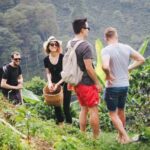
- Banana plant farm: learning cultivation through hands-on observation
- Rice farms in Mabogini: irrigation and why it matters
- Coffee Union Cafe: a break that keeps the day human
- Old Moshi Cultural Tourism Enterprise: a fitting historical finish
- Guide Thomas, small-group size, and the pacing that feels safe
- Price and value: what $1,000 buys (and what to plan for)
- Who should book this Moshi town day tour?
- Should you book? My practical decision guide
- FAQ
- How long is the Moshi town tour?
- What time does the tour start and where do I meet?
- Is this a small group tour?
- Do I get pickup and drop-off included?
- Is the tour guide available in English?
- What places will the tour stop at?
- Can I cancel for a full refund?
- Does the price include a guide fee?
Key things to know before you go
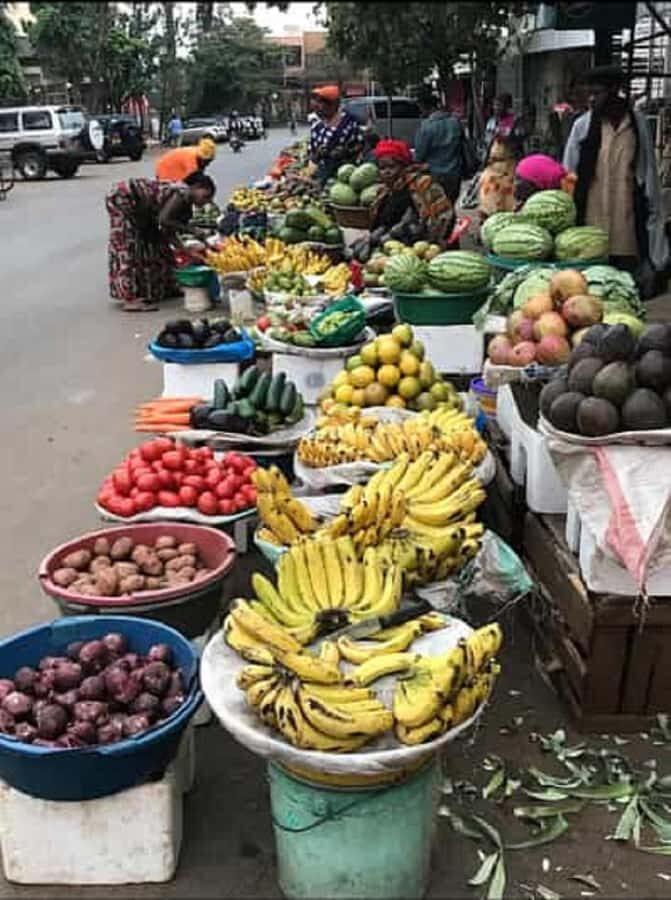
- Markets with context, not just shopping: Central market, Mbuyuni market, and the Manyema fish market come with local explanations.
- Food-farm time: You’ll visit banana growing and rice irrigation areas around Mabogini.
- Old Railway Station meaningfully placed: You’ll hear the story tying Moshi’s name to the area.
- Guide-led pacing for safety: The route is managed with stops, crossings, and traffic awareness.
- English live guide: Easy communication for questions and clarifications all day.
- Short, repeated breaks built into the flow: You’re not stuck in one long block without stopping.
A 7-hour Moshi town reset for pre- or post-Kilimanjaro days
This is the kind of day tour I like when I’ve already got a big adventure planned—Safari or Kilimanjaro trekking—and I want something real in between. You get out of the hotel loop and into Moshi’s rhythm: bus terminals, local markets, and working farms.
The time window is tight but not frantic. You start in the late morning period (after an early pickup), and you’ll be back at your hotel for rest in the early afternoon. That makes it a good add-on after you return from a trek and still want to stretch your legs without committing to a full travel day.
A few more Moshi tours and experiences worth a look
Starting with pickups and getting your bearings fast
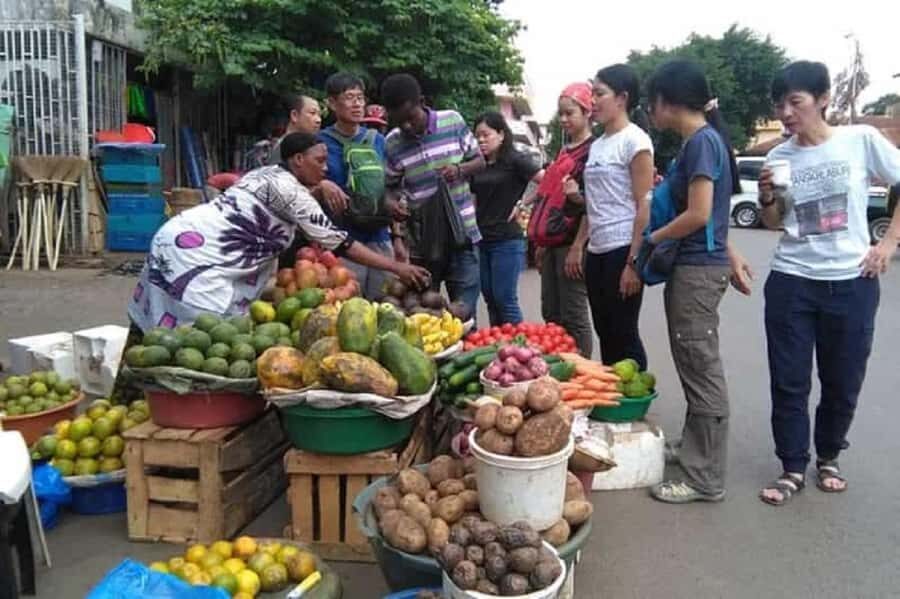
The day kicks off with pickup at your hotel, with Keys Hotel listed as the starting point. You’ll then head toward the Moshi bus terminal area, where you get a quick look at how people move in and out of town.
At the bus terminal, expect photo stops and a guided walk-through rather than a museum-style lesson. This early stop helps you understand Moshi’s layout and transportation flow before you move into the markets, which is exactly when your eyes start noticing details.
If you’re the type who hates rushing, don’t worry—there are breaks built into the schedule. The challenge is more physical than mental: you’ll walk, and you’ll be on outdoor paths.
Moshi bus stand and central market: produce, routines, and real questions
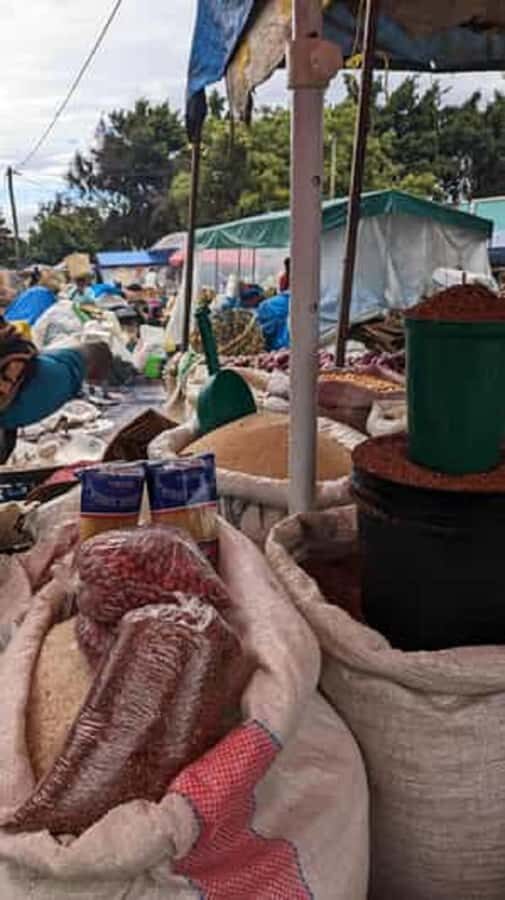
After the first terminal stop, the next major hit is the Central Market. This is where you’ll see vegetables, cereal crops, and other items being sold by local people.
Markets can feel overwhelming if you go alone. With a guide, you’ll know what to look for, and you’ll also get permission to ask questions that you might not think to ask on your own. It’s not about speed—it’s about learning the logic of daily trade.
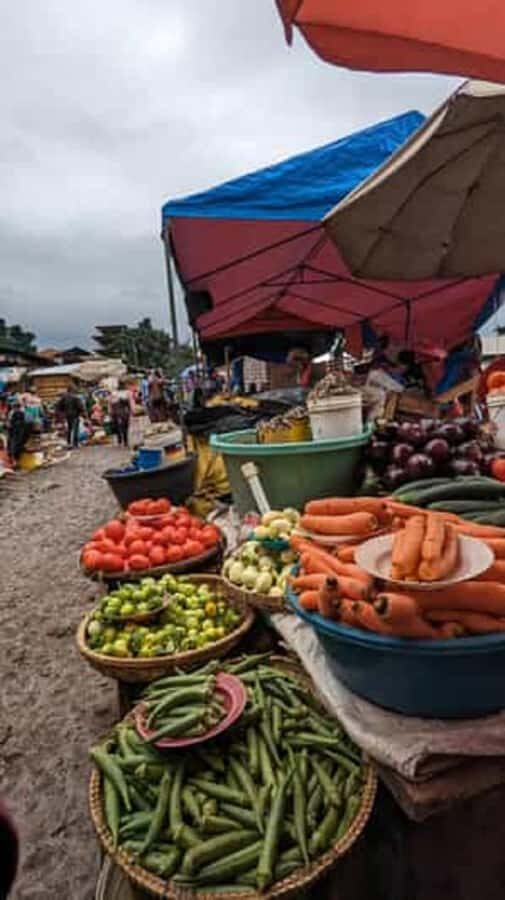
Then you’ll head to the Mbuyuni Market, another farmers market stop with a focus on produce like tomatoes and other goods sold from the ground. The value here is in comparison: two markets, similar goals, different feel and layout.
Manyema fish market: more than a quick photo stop
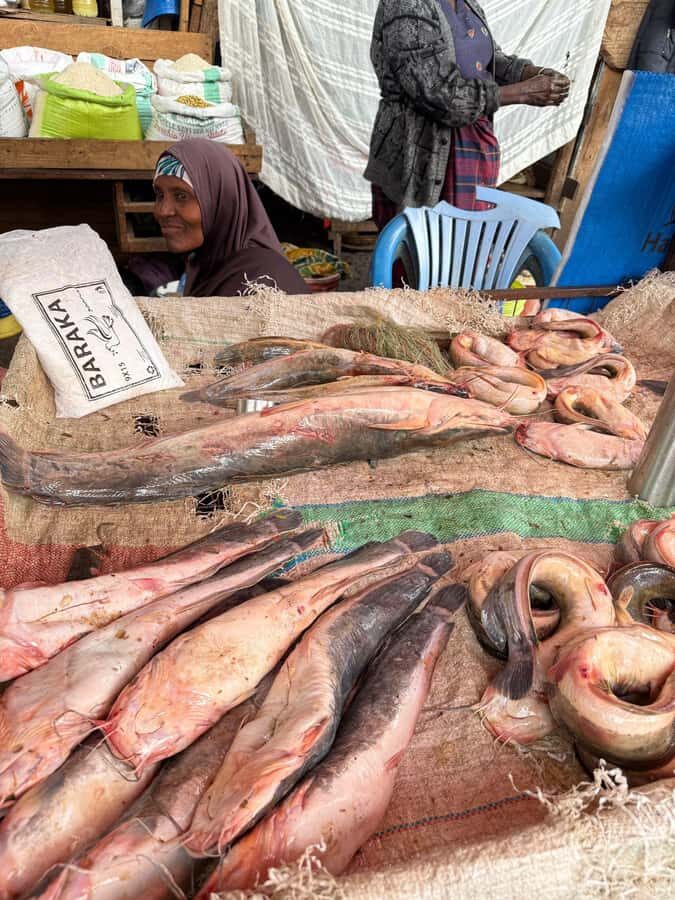
Next comes the Manyema fish market, and this is one of the stops that sounds small on paper but lands big in real life. You’ll get a short explanation of the history of the word Manyema, and you’ll see different types of local fish being sold.
Fish markets are one of those places where your senses do the teaching. Even if you don’t buy anything, you’ll learn what’s available locally and how sales work in a high-activity setting.
One practical note: with fish, kitchens and market areas can get busy, so keep your phone secure and move with the group. A guide helps here—not just with language, but with timing and where to stand.
Old Railway Station and the name story of Moshi
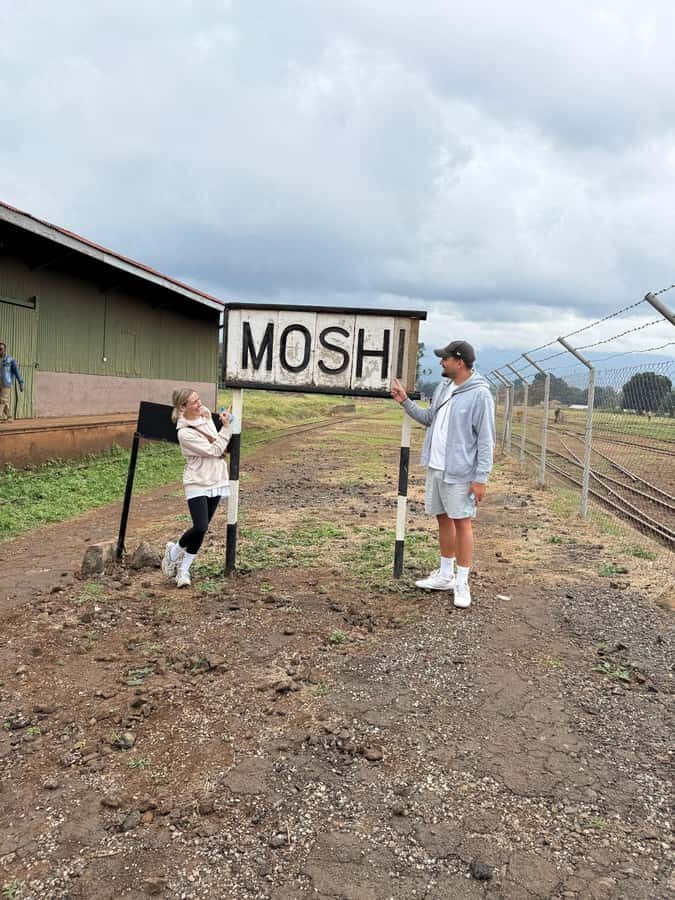
The tour then moves to the Old Railway Station, a historical stop where you’ll hear an “aha” story about Moshi’s name and its relation to a place called Old Moshi. This is where the day shifts from today’s daily commerce to the meaning behind the town.
What I like about adding this kind of historical anchor is that it changes how you read the rest of your day. When you later notice how people refer to areas and routes, it makes more sense.
You’ll likely do another short guided walk and photo moments here. Don’t expect this to replace a full museum experience—but it’s a strong cultural punctuation mark before the tour moves back toward farms and food production.



Banana plant farm: learning cultivation through hands-on observation

After the station, you’ll visit a banana plant farm. This stop is designed to show you the history of banana and how banana is cultivated.
Even if you’re not a “farm person,” this is useful because it explains farming as a system, not just plants. You can look at the field and understand why the work happens in certain ways, which makes the countryside stops feel less random.
This is also the part of the day where you might notice the temperature and the dust more. Go slow with your water intake, and keep your hat or sunglasses ready.
Rice farms in Mabogini: irrigation and why it matters
Then you’ll go to the rice farms in Mabogini to learn how rice is cultivated and irrigated. This is a great follow-up to banana because it shows two different crop rhythms—one tied to cultivation practices you can visually track, and the other tied to water and irrigation.
Rice growing is a good “why” stop. When someone explains how irrigation works, you start to see the landscape as something people manage, not something that just exists.
Expect photo stops and guided explanations. This is not a fast drive-by. You’ll get time to look and ask questions, which is where the value shows up.
Coffee Union Cafe: a break that keeps the day human
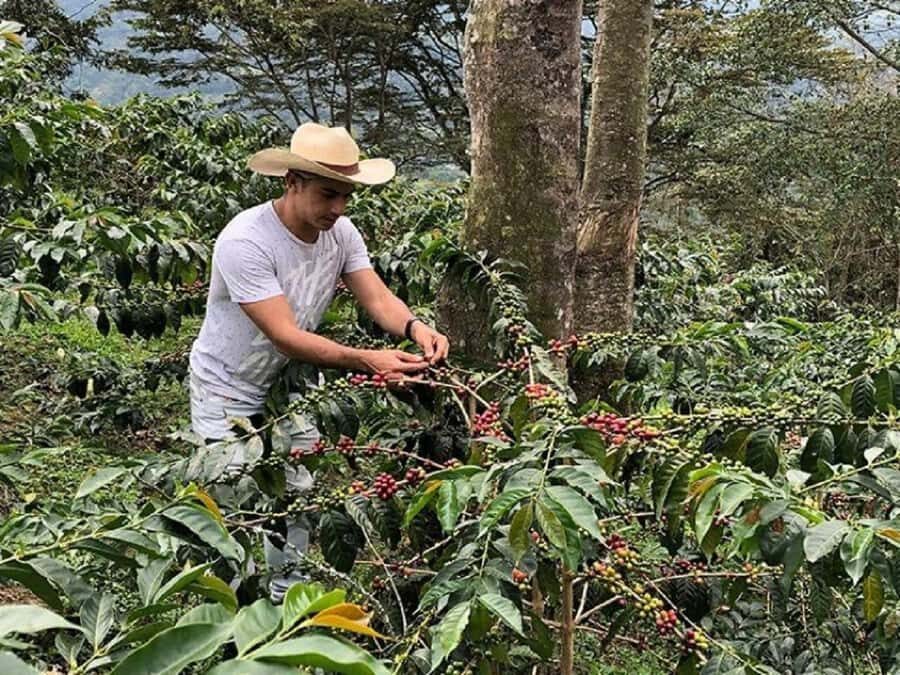
The tour also includes a stop at Coffee Union Cafe. You’ll have time for a guided visit, sightseeing, and a short walk—then you move on to the last cultural stop listed on the route.
Coffee stops can be hit-or-miss on tours, but the advantage here is that it fits the day’s theme. By the time you reach this café, you’ve already seen how people buy food and sell goods, and now you’re in a space tied to coffee culture.
If you’re planning to order anything, do it with a relaxed pace. This is the part of the day where you can catch your breath and ask your guide follow-up questions while the group is still together.
Old Moshi Cultural Tourism Enterprise: a fitting historical finish
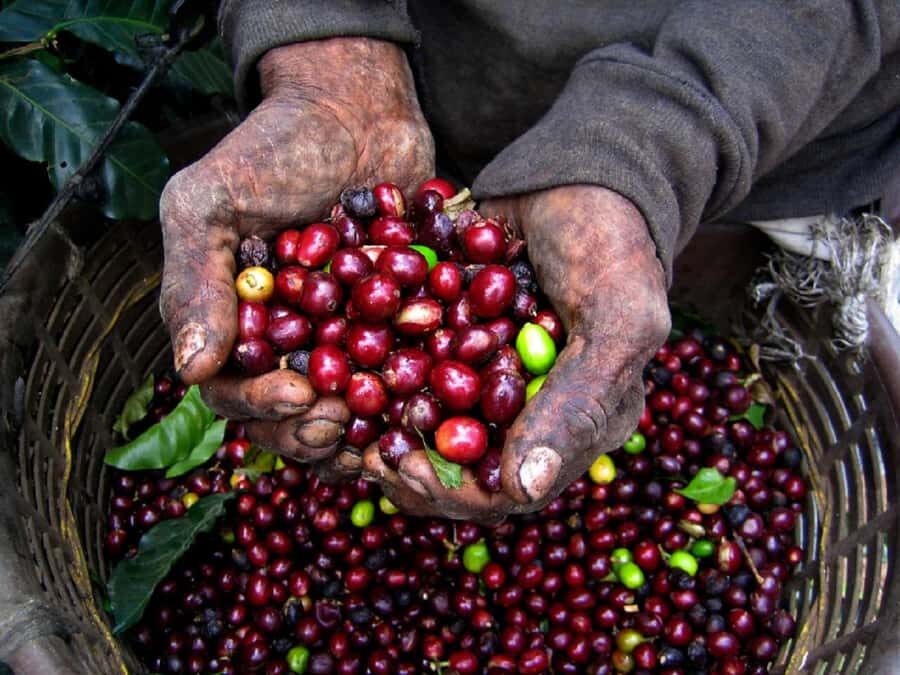
The last cultural stop on the route is Old Moshi Cultural Tourism Enterprise, with time for photo stops and a guided visit and walk. You’re not just ending the day—you’re closing the loop with Moshi’s identity and the areas connected to the town’s name and history.
This stop also makes sense after the station and before you return to your hotel. You get a clearer sense of how “Moshi” is more than a base for trekking—it’s a town with layered references to its own past.
Guide Thomas, small-group size, and the pacing that feels safe
The tour experience is strongly shaped by the guide. In many bookings, the guide is Thomas, described as a former Mt. Kilimanjaro guide turned city guide. That background matters because he knows how trekking days feel—when people get tired, when questions are easier, and how to keep the day moving without turning it into a sprint.
Thomas is also praised for English that’s easy to follow, plus personal stories that make the stops feel connected. One booking highlighted how he actively helped with traffic and safety, and another stressed that even solo female travelers felt comfortable.
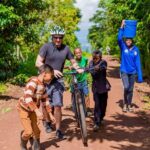
For me, the best detail is the size: small group up to 10 participants. That means you’re more likely to get real conversation, and less likely to be stuck behind someone’s camera.
Price and value: what $1,000 buys (and what to plan for)
Let’s talk about the big number: $1,000 per person for a 7-hour tour is not a budget play. It’s priced like a premium guided experience, and you should judge the value by what’s included and what’s not.
What you do get, clearly, is pickup and drop-off, plus a live English guide fee, along with a route packed with stops: bus terminal, central market, Mbuyuni market, Manyema fish market, Old Railway Station, a banana farm, rice farms in Mabogini, a café stop, and Old Moshi Cultural Tourism Enterprise.
What’s not stated as included: any specific meals, beverages, or entry fees beyond what the tour provides through stops. So if you want lunch or snacks, keep cash or a card ready and plan to buy what you want at local spots.
The value angle for this price is that you’re not just seeing sights. You’re getting the guide’s local network and explanations, which makes markets and farms much more than a photo opportunity. If you care about daily life in Moshi, this can feel like a fair trade. If you mainly want a quick highlight loop, it may feel expensive.
One more real-world caution: at least one recent booking noted the agency was late and not very responsive. That doesn’t automatically mean your day will be messy, but if punctuality is a deal-breaker, it’s worth confirming timing clearly the day before.
Who should book this Moshi town day tour?
This is ideal for you if you have one day before or after Safari or Kilimanjaro and you don’t want to waste it on hotel rest. It’s especially good if you like markets, food production, and the everyday side of East Africa rather than only big landmarks.
It also fits solo travelers, since a guide-led route and small group can make navigating feel easier. And if you enjoy asking questions—about how people buy, farm, and work—this tour style supports that.
Who might not love it? If you dislike walking on dusty roads or you want a mostly indoor, low-effort day, you may find it tiring. Also, if you’re expecting a cost-saver, the price won’t match that mood.
Should you book? My practical decision guide
Book this tour if you want a guided day that turns Moshi from a stopover into a place you understand. The combination of markets + farm visits + Old Railway Station gives you a full picture of town life and how food systems connect to daily routines.
Don’t book it if you’re looking for a quick, low-price city drive with minimal walking. Also, if you’re very sensitive to schedule delays, message your operator ahead of time and reconfirm pickup timing.
If you do book, come ready to walk, ask questions, and stay curious. This tour works best when you treat it like a conversation with Moshi, not a checklist for ticking boxes.
FAQ
How long is the Moshi town tour?
The duration is listed as 7 hours.
What time does the tour start and where do I meet?
Pickup starts at 08:00 AM, and the starting location is your hotel (Keys Hotel is listed as the starting point).
Is this a small group tour?
Yes. It’s listed as a small group with a maximum of 10 participants.
Do I get pickup and drop-off included?
Yes. Pick up and drop off are included, and the tour ends back at your hotel.
Is the tour guide available in English?
Yes. The live tour guide language is English.
What places will the tour stop at?
The route includes stops such as Moshi Bus terminal, Central market, Mbuyuni market, Manyema fish market, Old Railway station, a banana plant farm, rice farms in Mabogini, Coffee Union Cafe, and Old Moshi Cultural Tourism Enterprise.
Can I cancel for a full refund?
Yes. Free cancellation is listed up to 24 hours in advance for a full refund.
Does the price include a guide fee?
Yes. The included items are pick up, drop off, and guide fee.