REVIEW · ARUSHA
Climb Kilimanjaro – Lemosho Route 7 Day Climb
Book on Viator →Operated by World Adventure Tours · Bookable on Viator
Kilimanjaro without the crowds is a real treat. The Lemosho Glades route feels truly remote as you move through the Shira Plateau, and I especially like that groups are accompanied by an armed ranger in the forest section where wildlife is active.
One possible drawback: the schedule gets intense on the summit push, with exposed conditions, gales, and a long night where you’ll need to be mentally ready for steep, rocky walking.
If you want a climb that feels wild, well-run, and built around acclimatization, this route makes a strong case for the money. You’ll also see why the company’s staff shows up in the details, from smooth communication (people praised Gabriel) to on-the-ground teamwork, like guides Izadin and Kimbi plus chef Salim for the food.
In This Review
- Key Points That Matter Before You Pack
- Why the Lemosho Glades Route Feels Different Than Most Kili Starts
- Moshi Arrival Night: Your Easy First Step Off the Plane
- Day 2 From Park Gate to Mt Mkubwa Camp: Shira Plateau Big-Game Potential
- Day 3 to Day 4: Shira Camp Hikes That Train Your Acclimatization Habits
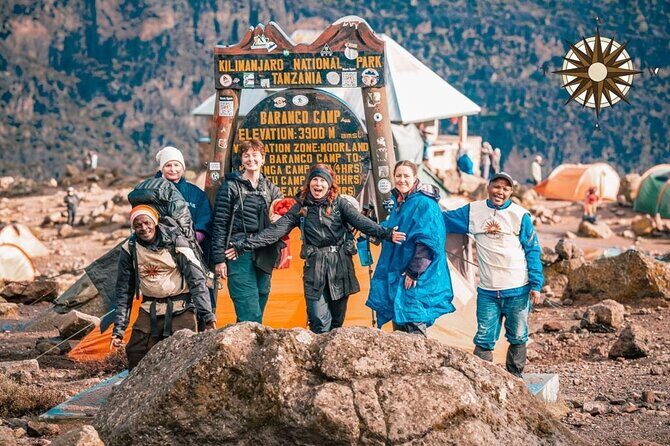
- Day 5 Lava Tower and the Semi-Desert Reality Check
- Day 6 Summit-Night Prep: Narrow Ridge, Gales, and Gear Checks
- Day 7 Stella Point Sunrise and the Uhuru Peak Push
- Day 8 Mweka Gate Descent, Hot Lunch, and the Shower Moment
- Day 9 Fly Out: Keep It Simple and Stay Hydrated
- Price and Value: What $2,280 Covers and What Can Surprise You
- The Team Factor: Communication and Food Can Make or Break Your Mood
- Who Should Book This Lemosho 7-Day Climb
- Should You Book This Climb?
- FAQ
- How long is the Kilimanjaro climb on the Lemosho route, and what’s the full trip length?
- Where do you stay before and after the mountain?
- What time does the trip start each day?
- Is pickup included, and do you get help with transport to and from the mountain?
- What’s included in the mountain costs?
- What is not included in the price?
- Are tips required?
- How big are the groups?
- What is the cancellation policy?
Key Points That Matter Before You Pack
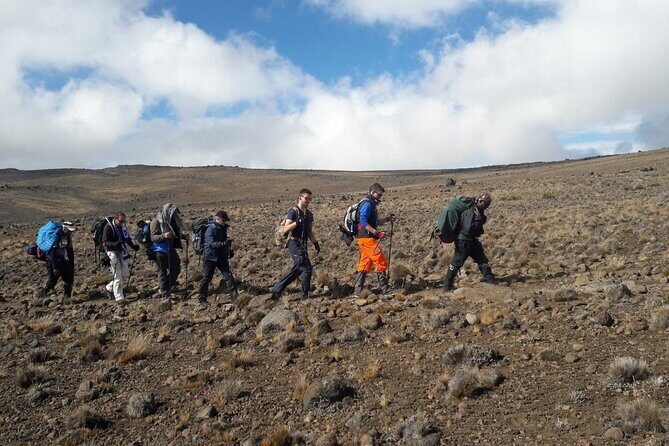
- Armed ranger escort on the forest route for wildlife-heavy sections of the climb
- Remote Lemosho Glades + Shira Plateau setup that’s less crowded than many common approaches
- A built-in acclimatization profile with up-and-down days before the big push
- Stella Point sunrise option on summit night, when conditions allow
- Food and camp support are included (guides, porters, cooks, tents, mattresses, meals)
- Certificates with clear milestones: green for Stella Point and gold for Uhuru Peak
Why the Lemosho Glades Route Feels Different Than Most Kili Starts
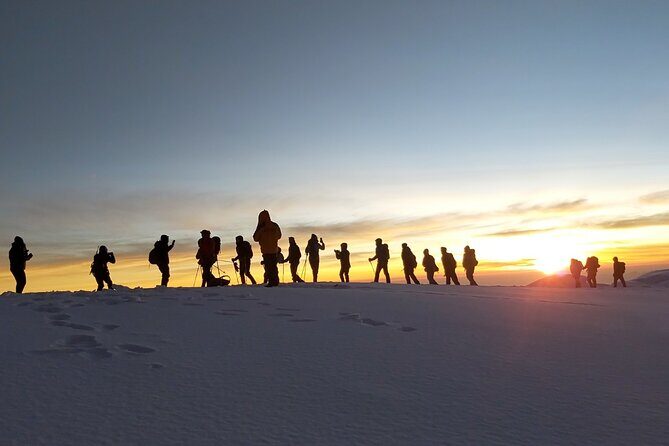
The Lemosho route starts by giving you space. Instead of fighting foot traffic, you get a slower, quieter start through the Shira Plateau and the Lemosho Glades area. That remote feel matters on a mountain like Kilimanjaro because your body is working hard too, and stress makes altitude feel worse.
Here’s the detail I like best: this route has groups accompanied by an armed ranger. You’re hiking through forest areas that are described as wildlife-rich, so having a ranger in the group isn’t just a safety talking point. It changes the vibe. You still feel the wildness, but the expedition isn’t shrugging at risk.
Also, the way the route is designed gives flexibility. The Lemosho Glades can be used to connect to other lines on the mountain or followed toward the Kibo South Circuit before joining the easier Barafu route. Practically, that usually means the team can manage the climbing plan in a way that supports acclimatization and summit timing.
A few more Arusha tours and experiences worth a look
Moshi Arrival Night: Your Easy First Step Off the Plane
Day 1 is a proper breather. You land at Kilimanjaro International Airport and get picked up for an overnight in Springlands Hotel in Moshi (bed and breakfast, or similar). This matters because Kilimanjaro days start early and go long, and you don’t want to be planning your transfer while you’re tired.
If you’re optimizing for less hassle, this part is quietly valuable. Transportation is set up for you from Moshi to the mountain and back again later, and the tour also includes airport pickup. That cuts down on the most common early-trip stress: figuring out rides on the spot.
The tour starts with a 9:00 am start time. So even though Day 1 is calmer, treat it like your warm-up day. Sleep, hydrate, and keep your day pack simple.
Day 2 From Park Gate to Mt Mkubwa Camp: Shira Plateau Big-Game Potential
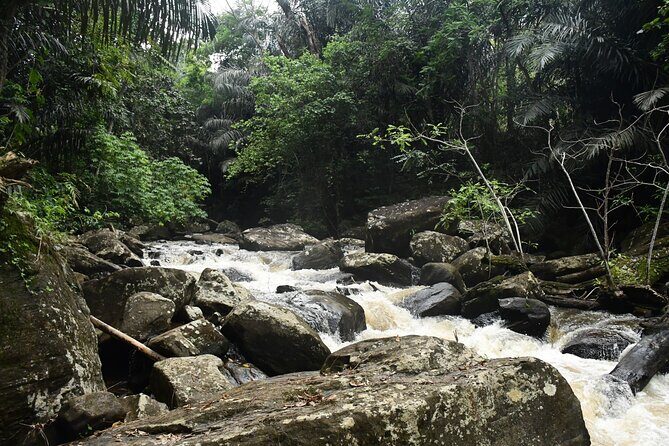
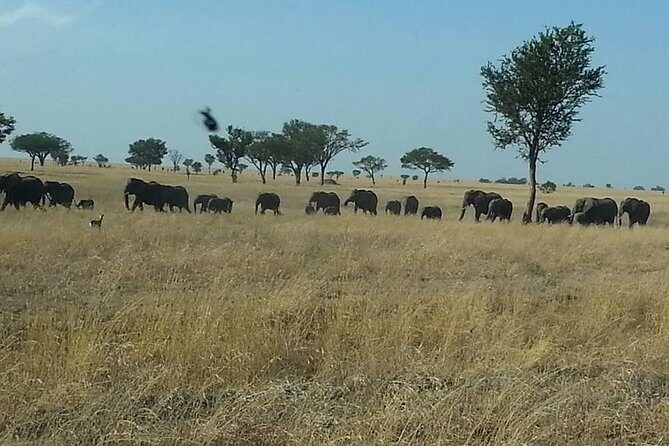
On Day 2, you drive to the Londorosi Park Gate. The drive is about 5 hours, and you’re going through the Shira Plateau during that ride. The program specifically calls out this as one of the best chances to see big game, which is a nice bonus: you’re not just trekking for views later.
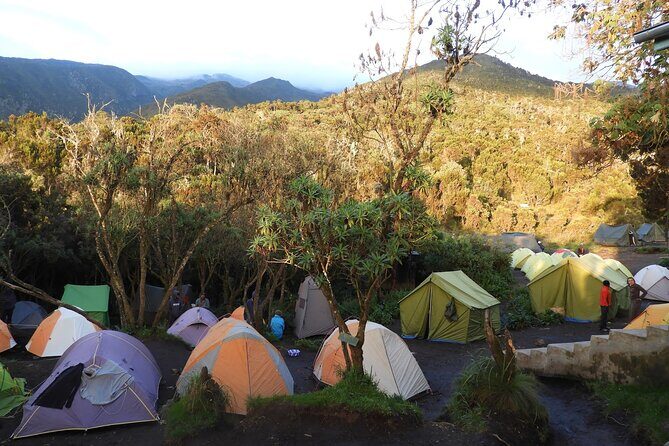
Then you hike to Mt Mkubwa camp, climbing from around 2,200 m to 2,600 m. The distance is short on paper: about 5 km in around 3 hours. The key here isn’t speed. It’s getting your rhythm and walking style set for the days when altitude gets real.
You also get dinner at camp and a full setup for sleeping. Rescue fees, tents, and sleeping mattresses are included, so you’re not scrambling for basics once you’re already on the move.
Day 3 to Day 4: Shira Camp Hikes That Train Your Acclimatization Habits
Day 3 is a transition day into higher terrain. You move from Mti Mkubwa to Shira camp over about 10 km and typically 4–5 hours. You’ll be going to roughly 2,600 m to 3,600 m, and the “calm pace” note is crucial. This isn’t a fitness challenge day so much as a body-adjustment day.
The route sits under the west face of Kibo volcano above the Shira camp area, which gives the hike a strong sense of direction. It’s also the kind of day where you may have time to rest after lunch or take a short day hike. Those small choices matter. If you feel good, you can move. If you feel off, you can focus on recovery and still make progress.
Day 4 is another acclimatization-friendly step. You head to Shira Camp 2, again over about 10 km and 5–6 hours, climbing to about 3,600 m to 3,840 m. The description calls it a short hike to support acclimatization, which is exactly what you want before you hit Lava Tower terrain.
If you’re the kind of person who gets antsy, this is the day to practice patience. On Kilimanjaro, steady beats heroic.
Day 5 Lava Tower and the Semi-Desert Reality Check
Day 5 is where the route starts feeling tougher. You’re hiking into a more semi-desert, rocky landscape around Lava Tower. Altitude climbs into the 3,840 m to 3,940 m range during the day’s movements, and the hike is listed around 11 km with 7–8 hours.
You walk toward Lava Tower, with lunch served before you ascend a rocky scree path. The climb hits roughly 4,600 m after about five hours of walking. This is also the day the program points out as often producing early altitude symptoms for some people, like breathlessness, irritability, and headaches.
Then there’s an important twist: after reaching the high point, you descend nearly 680 m to the Barranco camping area. That up-and-down pattern is the acclimatization logic at work. You get the altitude exposure without camping at the highest spot again immediately, and it helps your body learn how to cope.
This day is described as the toughest so far, and that matches what you should plan mentally. Bring your expectations down to earth. You’re not trying to crush kilometers. You’re trying to finish the day safely and keep your sleep quality for the next push.
Day 6 Summit-Night Prep: Narrow Ridge, Gales, and Gear Checks
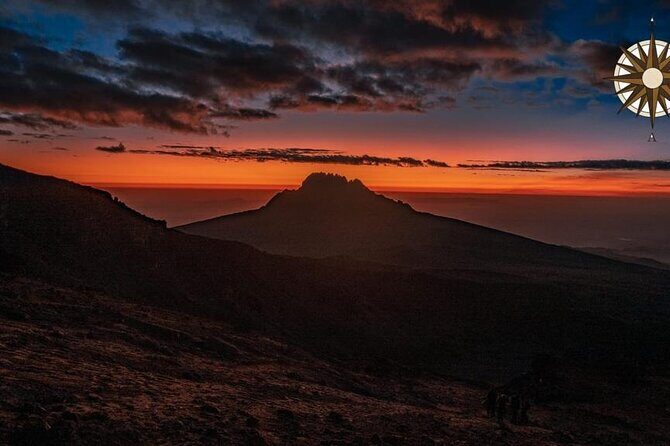
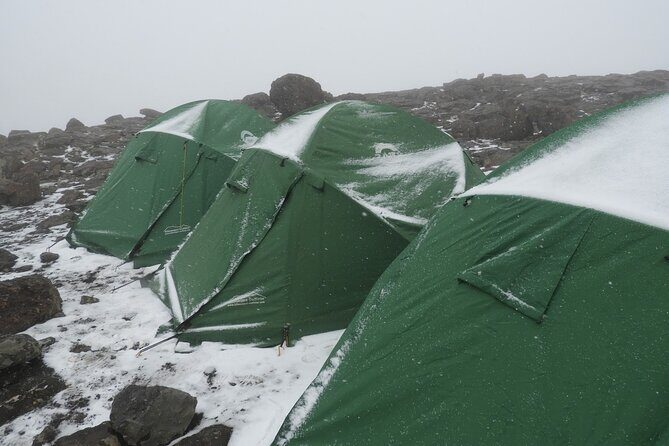
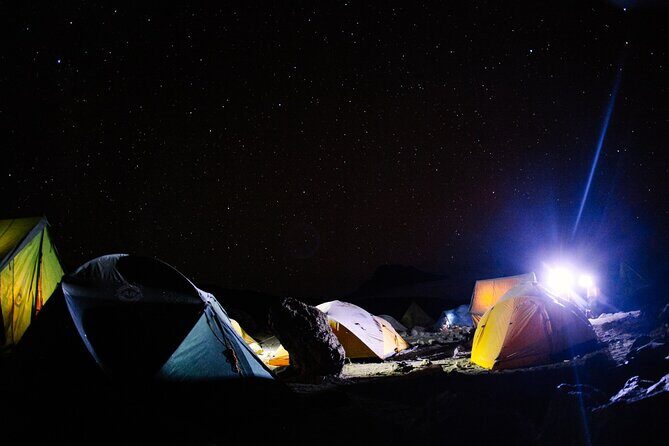
Day 6 shifts from normal hiking to expedition mode. You’re dealing with gales and camping on a narrow, stony ridge, which is why the program warns you to familiarize yourself with the terrain before dark. On Kilimanjaro, the mountain doesn’t care if you’re tired. Darkness + uneven ground is where mistakes happen.
Altitude moves from about 3,960 m to 4,640 m. The hike time is listed around 7–8 hours, but the bigger focus is what comes after dinner. The plan is to prepare your equipment for a summit attempt that same night.
Here’s what you should take seriously: the program emphasizes swapping headlamp and camera batteries, carrying spares, and having thermal clothing ready. It also suggests using a thermal flask for water to prevent freezing. Those are small details, but they’re also the difference between feeling controlled versus feeling cold and scattered when you’re already exhausted.
You go to bed around 19:00 and try to get rest for no more than about 5 hours. In plain terms, you’re not sleeping like a vacation night. You’re doing a short reboot for a long trek.
Day 7 Stella Point Sunrise and the Uhuru Peak Push
This is the night you plan your whole trip around. You rise around 23:30, have tea and biscuits, then start shuffling up through heavy scree toward Stella Point on the crater rim. The trek to Stella Point is about 6 hours, and many climbers find it the most challenging section of the route.
At Stella Point (around 5,685 m), you stop briefly. If weather cooperates, you’re rewarded with the most magnificent sunrise you’re likely to see on Kilimanjaro. I can’t promise that part will be perfect, but the timing and crater setting are exactly why this moment is so famous.
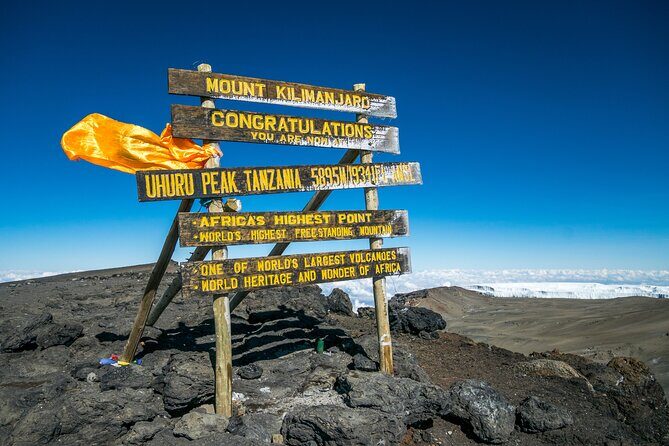
After that, you do a roughly 2-hour ascent to Uhuru Peak at 5,895 m. The time on the summit depends on weather, and it’s wise to treat weather as the boss here. You’re already at altitude; freezing your body trying to wait for perfect light is not the move.
The day also includes a long descent back down to around 3,100 m. Your legs will feel it. So will your breathing. Plan to take recovery seriously, even if you still feel oddly wired after seeing the sunrise.
Day 8 Mweka Gate Descent, Hot Lunch, and the Shower Moment
Day 8 is long in a different way. After breakfast, you go from Mweka Gate down into Mweka village. Expect it to be muddy and long, and the program notes it as a long hour walk.
Then you ride back to Springlands Hotel for a hot lunch and, finally, a long overdue shower. This is one of those “you’ll understand when you get there” parts of the climb. After days of hiking, boiling water, and careful washing, you’ll likely feel human again in about ten minutes.
There’s also a milestone reward at the hotel: summit certificates. If you reached Stella Point, you receive a green certificate. If you reached Uhuru Peak, you receive a gold one. It’s a tidy way to recognize different achievements on a mountain where weather and body response can shape outcomes.
Day 9 Fly Out: Keep It Simple and Stay Hydrated
Day 9 is straightforward. After an early breakfast, you transfer to Kilimanjaro airport for your departure flight. The listed time is around 30 minutes.
This is where I’d keep your post-climb plan calm. Your body has just been through repeated altitude stress, even if you’re proud, even if you feel strong. Hydrate, eat something gentle, and don’t turn the flight into a sprint.
Price and Value: What $2,280 Covers and What Can Surprise You
At $2,280 per person, this isn’t a cheap vacation add-on. But it’s also not only you paying for walking. It’s paying for a full team setup and mountain logistics.
What you should feel good about because it’s included:
- Two nights accommodation in Moshi (bed and breakfast)
- Transportation from Moshi to the starting point and back
- Rescue fees, plus tents and sleeping mattresses
- Guides, porters, and cooks, plus their accommodation and entry fees on the mountain
- All meals on the mountain (breakfasts, lunches, and dinners)
- Airport pickup
- All fees and taxes
What you should budget for separately:
- Flights (domestic/international)
- Tanzania visa (listed as $50)
- Travel and health insurance
- Single room supplement if you want it ($50 per person)
- Gear hire (sleeping bags, clothes, shoes)
- Tips for guides, porters, and cook (listed as $250–$350 per person, optional)
So is it good value? I think it’s priced like an organized climb where you’re paying for people, safety systems, and the day-to-day comfort that keeps you moving. The optional tipping range is the one part that can surprise people who expect everything to be fully closed out.
Also, check how your personal gear situation looks before you pay extra for rentals. The program doesn’t claim gear is free; it just says gear hire is available.
The Team Factor: Communication and Food Can Make or Break Your Mood
From the praised experience stories tied to this operator, there’s a theme: the staff pays attention. People highlighted strong communication and support from Gabriel during planning. On-mountain performance also came up, including guides Izadin and Kimbi, plus Chef Salim being credited for delicious meals and the porter team for real support.
You might not think about chefs when you’re booking, but food quality matters on summit days. It’s not luxury. It’s fuel. When meals are handled well, you’re more likely to keep your energy steady and avoid the cranky, headache-prone spiral that altitude can trigger.
This tour also caps group size at maximum 12 travelers, which usually means fewer people sharing the same oxygen-depleted space at the wrong moments.
Who Should Book This Lemosho 7-Day Climb
This is a strong fit if you:
- Want a remote route with wildlife awareness and ranger presence
- Are aiming for a climb plan that takes acclimatization seriously
- Prefer a well-supported trip where tents, mattresses, and mountain meals are handled
- Can handle long days, including a very long summit night
This is less ideal if you:
- Want an easy pace
- Are not comfortable with exposed ridge terrain and early summit-night timing
- Don’t want to do summit logistics like battery swaps, headlamp readiness, and thermal water planning
You also should be ready for the physical reality. The program asks for moderate physical fitness, but “moderate” doesn’t mean “short.” Day 7 alone is listed as 15+ hours, and the summit climb requires patience and staying warm.
Should You Book This Climb?
I’d book it if you want Kilimanjaro with fewer crowds, a route that leans into acclimatization, and a support system that reduces the number of things you have to worry about. The remote Shira Plateau start and ranger escort add real credibility for people who care about safety and wildlife context.
I’d think twice if you know you struggle with long, cold nights, or if you still need to figure out gear and batteries. This trip depends on readiness. If you show up prepared and follow the pace, you’re giving yourself the best possible shot at that Stella Point sunrise and a strong finish at Uhuru Peak.
FAQ
How long is the Kilimanjaro climb on the Lemosho route, and what’s the full trip length?
The program is described as a 7-day Lemosho climb, and the full trip runs about 9 days including arrival and departure.
Where do you stay before and after the mountain?
You stay in Moshi at Springlands Hotel (bed and breakfast) or a similar hotel for the pre-climb and post-climb nights.
What time does the trip start each day?
The start time is listed as 9:00 am.
Is pickup included, and do you get help with transport to and from the mountain?
Yes. The tour includes airport pickup, and transportation from Moshi to the starting point and back to Moshi is included.
What’s included in the mountain costs?
Included items cover all fees and taxes, rescue fees, tents and sleeping mattresses, guides/porters/cooks and meals on the mountain, plus guides’ and porters’ accommodation and entry fees on the mountain.
What is not included in the price?
Not included: flights, Tanzania visa (listed as $50), travel and health insurance, single room supplement (listed as $50 per person), gear hire, and tips (optional).
Are tips required?
Tips for guides, porters, and cooks are listed as optional, with a suggested range of $250–$350 per person.
How big are the groups?
The tour has a maximum group size of 12 travelers.
What is the cancellation policy?
The experience is non-refundable and cannot be changed for any reason. If you cancel or request an amendment, the amount paid is not refunded.