REVIEW · ARUSHA
4 Days Tarangire Serengeti Ngorongoro Crater
Book on Viator →Operated by Serengeti African Tours · Bookable on Viator
Short safari. Serious wildlife.
This 4-day Northern Circuit camping trip from Arusha is built for people with limited time but big animal goals, moving from Tarangire to Serengeti and then down into Ngorongoro Crater. You start with a straightforward plan, you get real game-drive time in each park, and you’re not stuck juggling extra logistics because transport and park fees are handled.
Two things I really liked: the way the route keeps momentum (you’re not wasting days on transit), and the human team vibe—our driver David and chef Richard made the group feel cared for even during the long days. One possible drawback is that mornings and drives start early and can feel long, so if you hate cold starts or don’t do well with camping-style travel, plan accordingly.
In This Review
- Key things to know before you go
- Price and value: what the $900 really buys
- Day 1 in Tarangire: elephants, treetops, and a picnic lunch
- Day 2 to Serengeti: Rift Valley route and that first evening game drive
- Day 3: early Serengeti game viewing, then the road to Ngorongoro
- Day 4 in Ngorongoro Crater: 650 meters down for a half-day crater tour
- Camping comfort and the David-and-Richard factor
- Timing, cold mornings, and long-drive reality checks
- What you’ll actually see (and how to improve your odds)
- Who this safari is best for
- Quick FAQ for first-timers
- FAQ
- Where does the safari start and end?
- Is pickup included?
- What’s included in the price?
- Are meals included or do I need to buy food?
- Are park tickets included?
- How many people are in the group?
- What is not included in the tour price?
- How long is the trip?
- Can I cancel for free?
- Should you book this 4-day Northern Circuit safari?
Key things to know before you go
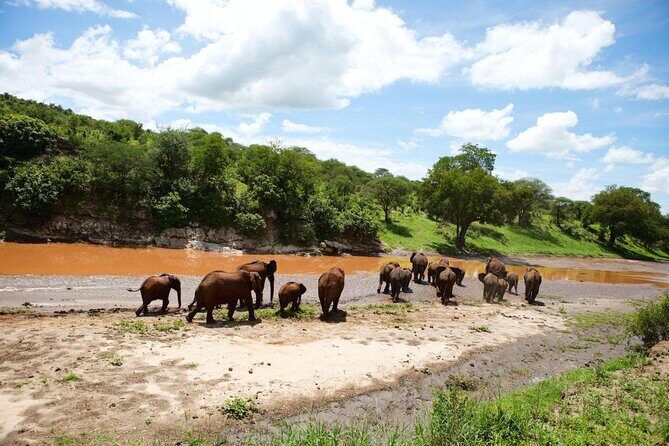
- Tarangire first day: elephants right away, plus a good chance to spot predators overhead—yes, you should scan the treetops.
- Serengeti via Manyara/Rift Valley views: a classic route that gets you into the action by evening for a practical first-night game drive.
- Optional Maasai village stop: a chance to learn from local culture en route, if you want to add it.
- Early Serengeti game drive: you’ll leave before full sunrise and come back for a full camp break.
- Ngorongoro is the highlight test: going down about 650 meters to a crater-floor half-day drive is where the payoff usually lands.
- Max 7 people in the group: small-group energy, easier spotting, and less chaos than larger caravans.
Price and value: what the $900 really buys
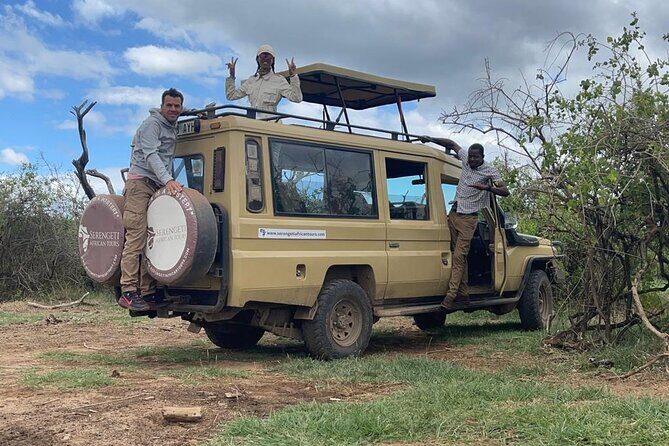
At $900 per person for four days, this sits in the “serious value” category for a Northern Circuit sampler. The big reason is that your money covers the stuff that often balloons on safari: park fees, transport, and all meals (breakfasts, lunches, and dinners), plus mineral water.
That matters because Northern Parks costs are not just a line item—they’re the difference between a cheap-feeling deal and a trip that actually stays affordable once you’re there. With meals included, you’re not hunting for food stops in rural areas or adding extra costs mid-trip.
Just remember what’s not included: tips and visas. If you want an easy budget, set aside a little extra for those, and you won’t get surprised at the end.
A few more Arusha tours and experiences worth a look

Day 1 in Tarangire: elephants, treetops, and a picnic lunch
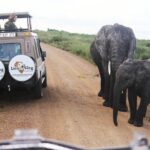
Your first day starts after breakfast with pickup in Arusha, then a straight drive to Tarangire National Park. The day runs with a picnic lunch and then a mid-day game drive. This is a smart start: Tarangire is famous for elephant activity, and you’re likely to see herds—often in the range of 10 to 20, with chances of higher numbers depending on conditions.
I also like that the tour emphasizes a key Tarangire habit: scan the treetops. Leopards are often more “up there” than you’d expect, and this is the kind of tip that improves your odds fast without extra effort.
You’ll keep exploring until late afternoon or evening, then drive to your campsite for dinner and the overnight. Practical note: by the end of Day 1, you’ll feel it—in a good way—but you’ll want decent sleep because tomorrow is another big park day.
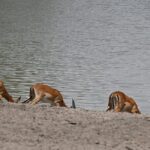
What to watch for: elephants, giraffes, zebras, impala, warthogs, buffalo, and the possibility of predators like leopard.
Day 2 to Serengeti: Rift Valley route and that first evening game drive
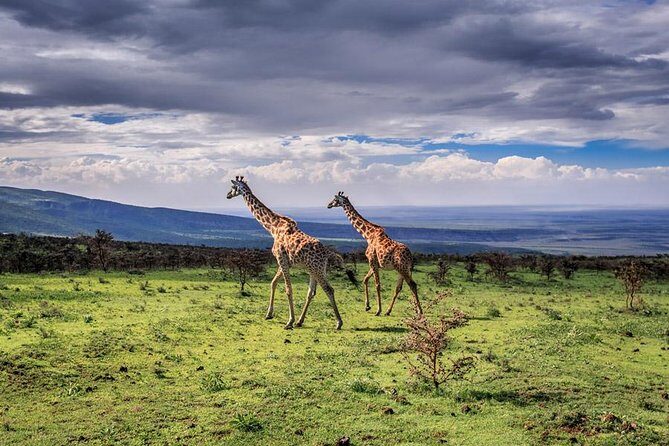
After an early breakfast, you handle your camping setup and then head from camp toward Serengeti National Park, traveling via Manyara through Rift Valley landscapes. That scenic route is not just pretty—it buys you time and keeps the logistics clean as you transition between ecosystems.
There’s an optional cultural add-on on the way: a Maasai village stop. This is a personal choice. If you want the human side of the region alongside the wildlife, it’s an easy fit because it’s already scheduled in the travel flow. If you’d rather protect your energy for game drives, you can skip and keep the focus strictly on animals.
You reach Serengeti by the evening and go out on an evening game drive toward Seronera campsite for dinner and overnight. This part is valuable because it prevents that common safari problem: arriving late and missing the best animal light. Even an evening drive can deliver action, and it helps you adjust quickly to Serengeti’s wide-open feel.
What this day is best for: getting into Serengeti rhythm fast, with minimal wasted time.
Day 3: early Serengeti game viewing, then the road to Ngorongoro
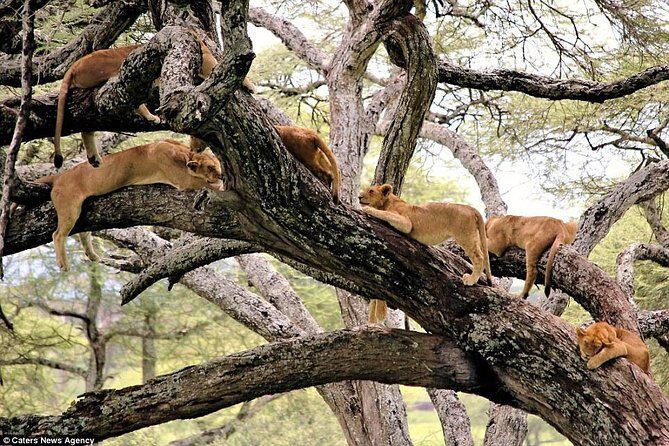
Day 3 starts early—around 06:00—with a hot cup of coffee, then out for morning game viewing in the heart of Serengeti. You should pack for chill mornings. Even if daytime warms up, that early window can feel sharp.
The tour approach here is balanced: you drive for the morning action, then return to camp mid-day for a full breakfast and lunch, giving you a real reset instead of forcing you to stay out all day. Then you leave camp and travel to the Ngorongoro Conservation Area, heading toward Simba Campsite for dinner and overnight.
This shift day is more than a route change. It sets up a big next-day payoff. Serengeti and Ngorongoro reward different styles of viewing, so moving by daytime travel helps you arrive with enough energy to appreciate what’s coming.
Expect on the Serengeti morning: sunrise atmosphere plus classic “first light” wildlife chances, where animals often feel more active and easier to spot.
Day 4 in Ngorongoro Crater: 650 meters down for a half-day crater tour
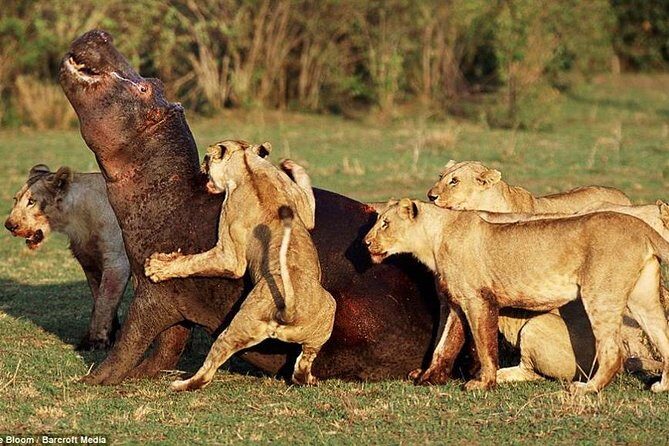
Your final day is built around a dramatic idea: driving down into Ngorongoro Crater, about 650 meters deep, for a half-game crater tour. This is the kind of safari moment that makes the earlier driving days worth it.
Why? The crater has permanent water through the year, so animals tend to stick around. You can get that dense, “where do I look first?” feeling. If you’re lucky, you might spot rhinoceros, which is the kind of sight people remember for years.
Your half-day crater drive includes time to watch animals use the slopes and open areas, then you’ll ascend to the crater rim, return to camp for lunch, and drive back to Arusha to wrap up the trip.
Practical expectation: crater days often feel slower because you’re searching for the perfect sight line. That’s not a bad thing. It’s part of what makes Ngorongoro so different from open-plain parks.
Camping comfort and the David-and-Richard factor
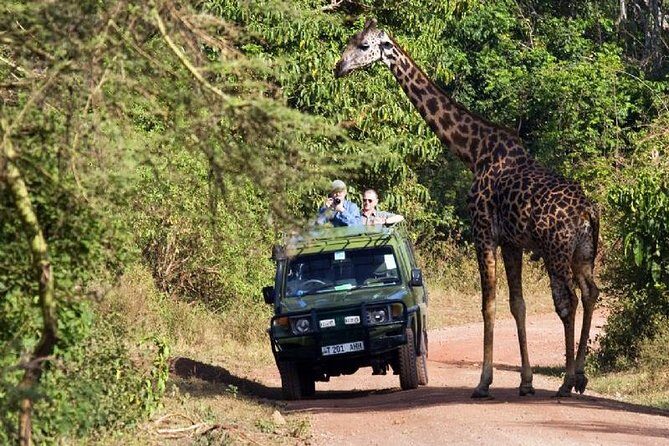
This is a camping safari style trip, with nights at campsites and meals built around the camp routine. That means your comfort comes from two places: the basic camp setup and the team running your day.
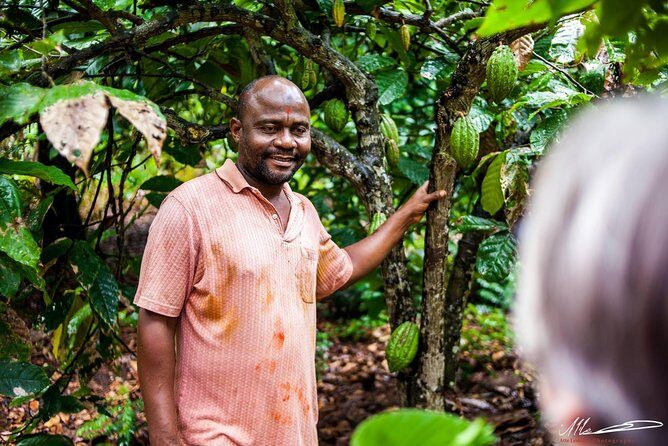
One thing I love about this setup is the care factor you can feel in the group. In a review, the driver David and chef Richard were singled out for making guests feel at home, and that matches what you want on a short tour. When you only have four days, you don’t have time to deal with stress, meal delays, or confusing schedules. A steady team makes the whole thing smoother.
Also, small group size helps: a maximum of 7 travelers keeps the vibe calmer. Less shuffling. Less time waiting around. And when the driver finds good action, you’re not fighting a crowd for a view.
Timing, cold mornings, and long-drive reality checks
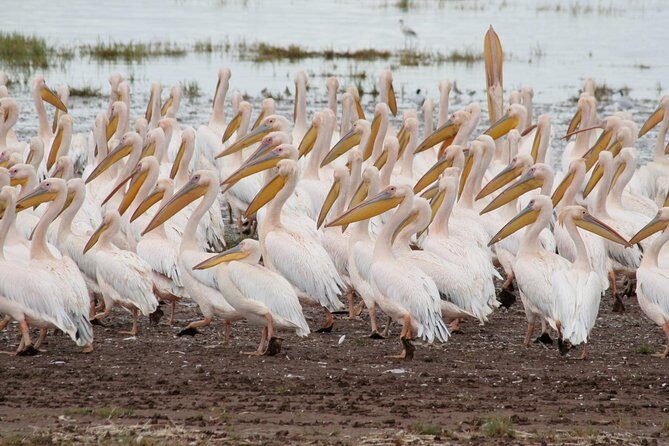
Safari sounds glamorous, but it’s still a travel day rhythm. Even on a “short” safari, you should expect long game-drive blocks and early mornings.
Here’s what I’d plan for based on the trip structure:
- Cold morning prep: the Serengeti morning starts before the warmest part of the day, so bring layers.
- Patience for driving: you’re covering three big wildlife areas in four days, so the itinerary moves.
- Hydration: mineral water is included, which is helpful—still, drink steadily.
- Energy management: you’ll get camp breaks mid-day on at least one day, which is a smart way to avoid burnout.
If you’re the type who needs a relaxed afternoon nap every day, this might feel intense. If you’re excited by early starts and wildlife-first pacing, you’ll likely love it.
What you’ll actually see (and how to improve your odds)
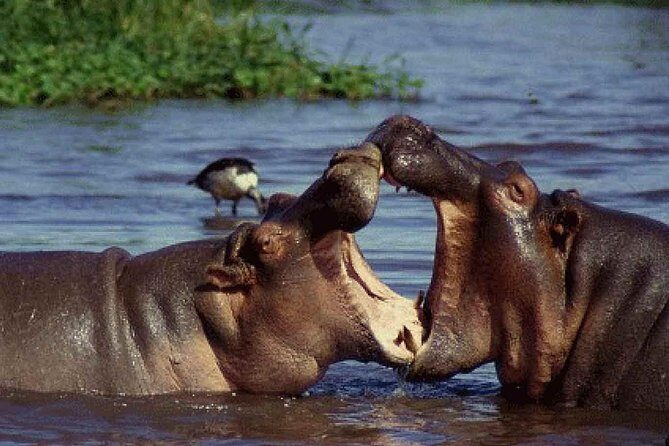
This tour is designed around classic Northern Circuit hotspots:
- Tarangire: elephants are the anchor species, with other herbivores likely to appear—plus the chance of predators.
- Serengeti (Seronera area): open plains viewing and a wide range of animal activity, including a strong chance during sunrise and evening light.
- Ngorongoro Crater: concentrated wildlife around water, with the famous possibility of rhino.
To improve your chances during drives, use the simplest strategy: stay ready with your eyes, not your phone. Watch for movement in the grass and scan slowly across the horizon. Then, when you’re in Tarangire, remember that treetop scan tip—seriously, it can pay off.
Who this safari is best for
I think this is a strong fit for:
- You want the Northern Parks highlights without spending a full week on the road.
- You like a small-group feel and don’t want a massive bus-and-line experience.
- You appreciate that meals and park fees are included, so your budget is easier to control.
- You’re okay with a camping-style rhythm and early starts for wildlife viewing.
It may not be ideal if:
- You need everything to be slow and relaxed.
- You strongly dislike cold mornings and being outdoors early.
- You want lots of downtime between activities.
Quick FAQ for first-timers
FAQ
Where does the safari start and end?
It starts in Arusha, Tanzania, and it ends back at the meeting point in Arusha.
Is pickup included?
Yes, pickup is offered.
What’s included in the price?
The tour includes transport, all park fees, all meals (breakfasts, lunches, and dinners), mineral water, and dinner/breakfast/lunch across the four days as listed.
Are meals included or do I need to buy food?
Meals are included. You get 4 breakfasts, 4 lunches, and 3 dinners.
Are park tickets included?
Yes. Park fees are included, and admission ticket information is marked as free or included depending on the day.
How many people are in the group?
The group has a maximum of 7 travelers.
What is not included in the tour price?
Tips and visas are not included.
How long is the trip?
It’s approximately 4 days.
Can I cancel for free?
Yes. You can cancel up to 24 hours in advance for a full refund.
Should you book this 4-day Northern Circuit safari?
If you want maximum wildlife return from a short window, I’d say this is worth booking. You’re getting the big names—Tarangire, Serengeti, and Ngorongoro Crater—with park fees and meals included, plus a small group size that makes the experience feel more personal.
Book it if you’re comfortable with early mornings, long-drive days, and camping-style travel. Skip it if you need a slow pace or you’re not into cold starts. Either way, if your goal is to see real wildlife in real landscapes without blowing your budget, this is the kind of tight itinerary that delivers.