REVIEW · ARUSHA
Day Trip To Materuni Waterfalls
Book on Viator →Operated by Kanje grand tours · Bookable on Viator
One early start turns into a full day of real Tanzania. The Materuni Waterfalls trip mixes waterfall time with Chaga village life and a coffee process that goes all the way from bean to cup. You’re also walking through working coffee and banana plantations, so the day feels grounded in how people actually live, not staged.
What I like most is the flow: waterfall first, then village, then coffee—so you get nature, culture, and food without the day dragging. I also appreciate that you can go in with reasonable expectations: you’ll hike a bit up to about the national park boundary at 2400m, and you’ll have chances to cool off in the pool if you want.
The one thing to consider is that it’s a long 10-hour day, starting at 7:00 am, and the best views toward Kilimanjaro’s snow peak can depend on cloud cover. If you hate early mornings or steep-ish walking, plan for a slower pace and bring the right shoes.
In This Review
- Key moments that make this day trip worth it
- Walking into Materuni: coffee farms, fruit trees, and wildlife odds
- Materuni Waterfalls: the hike, the swim, and why the pool matters
- The Chaga village portion: farming, traditions, and community rhythm
- Coffee from scratch: from bean to cup, with your own hands
- Views toward Kilimanjaro’s snow peak: timing and cloud cover
- What you get for your $100: value that comes from structure
- Who this Materuni day trip is best for
- Should you book the Materuni Waterfalls day trip with Kanje grand tours?
- FAQ
- What time does the Materuni Waterfalls day trip start?
- How long is the tour?
- Where does the tour take place?
- Is pickup included?
- What does the price include?
- Can I swim at the waterfall?
- Are primates likely to be seen?
- What about coffee—do we just watch, or do we participate?
- Is the tour suitable for most travelers?
- What is the cancellation policy?
Key moments that make this day trip worth it
- Waterfall swimming option in a natural pool (bring a swimsuit)
- Chance to spot primates, including black-and-white colobus monkeys
- Coffee and banana plantation walking with fruit and farming explained along the way
- A Chaga coffee workshop where you grind, roast, and boil the beans
- A climb toward Kilimanjaro’s park boundary (around 2400m) for big-view potential
- Lunch served by the Chaga village right after the coffee experience
Walking into Materuni: coffee farms, fruit trees, and wildlife odds
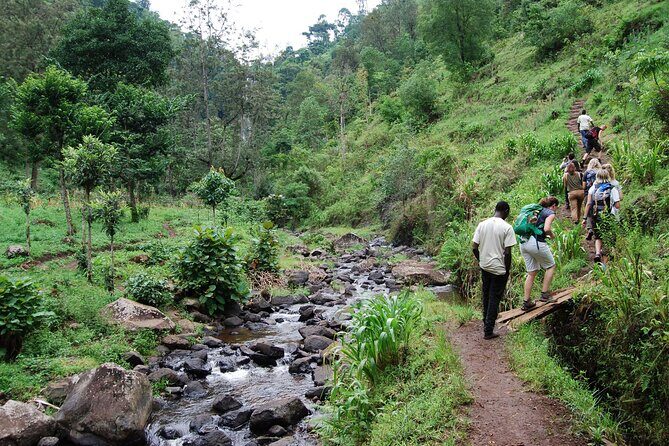
Your day begins with a pickup in the Arusha area (and the tour is close to public transportation, in case you’re in a flexible mood). You’re set up for a classic “work-and-wildlife” kind of outing: you’ll pass through agricultural slopes where coffee and bananas aren’t just scenery—they’re part of the local economy.
This is where the tour’s character shows. You’re not only seeing plants; you’re learning what people grow and why it matters. Along the way, you can expect explanations about local fruits like avocados, mangoes, lemons, and bananas—the kind of detail that helps you look at the same landscape and understand it as a living system.
It’s also a good day for animal-spotting. The itinerary includes a chance to see primates, including black-and-white colobus monkeys. You won’t be guaranteed wildlife, but if you enjoy slow scanning during short breaks—checking treetops and movement—you’ll make the most of this part.
One small note: you’ll be walking through slopes, so keep your attention on footing. Even when the day is calm, the ground in hilly areas can be uneven.
A few more Arusha tours and experiences worth a look

Materuni Waterfalls: the hike, the swim, and why the pool matters
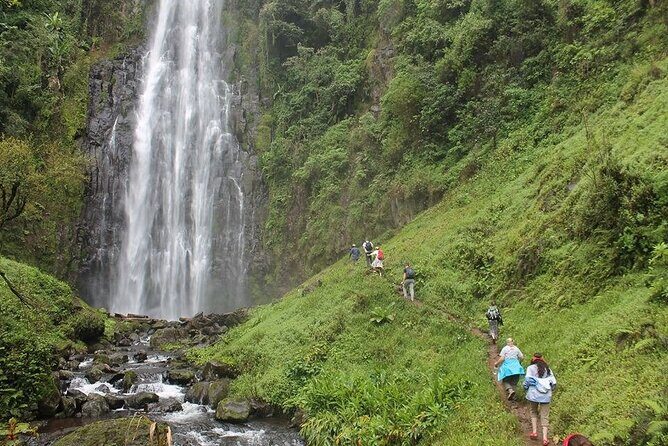
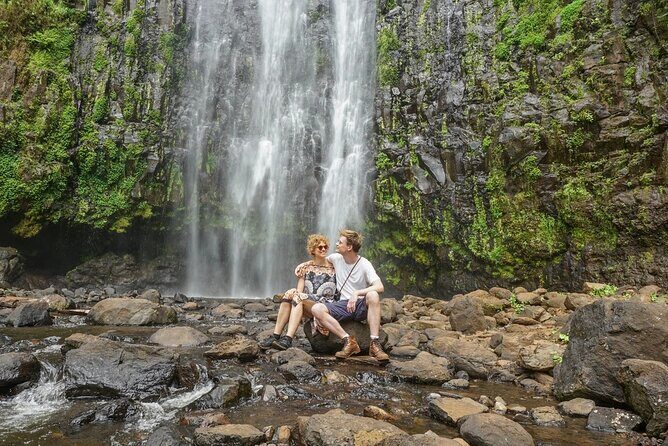
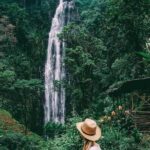
When you reach Materuni Waterfalls, the day turns from “farming drive” to “natural break.” You’ll get an explanation at the waterfall, then you have time to enjoy the falls and—if you want—swim in the natural pool.
I like tours that give you more than a photo stop, and this one does. A waterfall with a swim option changes your mindset. Instead of rushing through, you can actually reset—so your legs, head, and mood all get a break before the village portion.
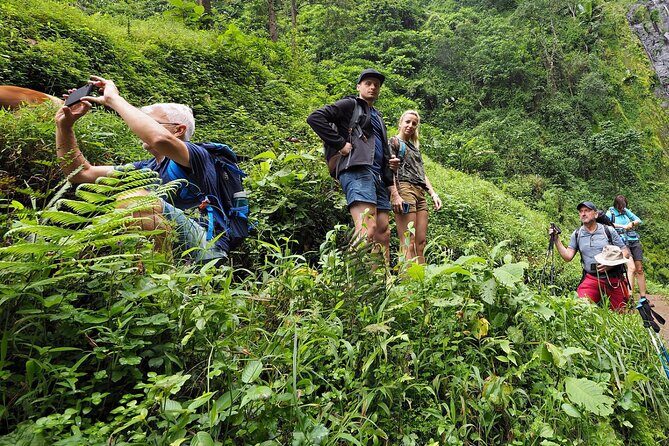
You’ll also hike up toward the 2400m boundary of Kilimanjaro National Park. That climb is part of what makes the day feel like more than a casual stroll. The altitude edge isn’t going to turn it into a summit push, but you’ll feel like you’re getting higher and closer to Kilimanjaro’s world.
This segment also includes time for explanations about flowers and local life. That’s more than trivia. When you understand what you’re seeing—how plants fit into seasons and livelihoods—you stop treating the greenery like a backdrop.
Practical tip: bring a swimsuit and plan for damp clothes afterward. Also, keep your phone and valuables secure—water days are great, but you don’t want a regret later.
The Chaga village portion: farming, traditions, and community rhythm
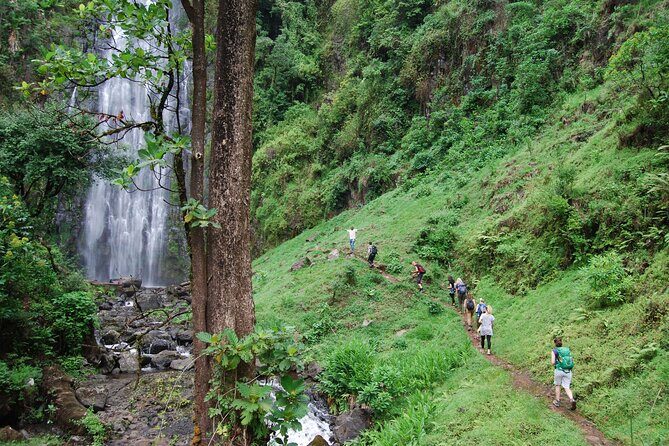
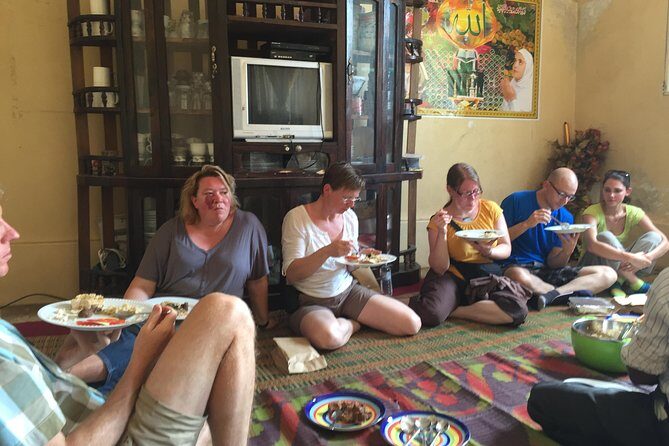
After the waterfall time, you’ll head to a local village area in the coffee plantations. This is where the tour shifts into cultural learning. The Chaga people are central here, and you’ll be guided through village economy, agricultural routines, and cultural traditions.
What you can expect in plain terms:
- A look at how coffee is grown and processed
- A sense of how daily work fits into the community calendar
- Singing and dancing as part of the experience, tied to how beans get handled
The singing and dancing isn’t just entertainment. It’s linked to the practical steps of coffee preparation—grinding, roasting, and boiling. That connection is what makes the village portion feel more authentic than a scripted performance.
You’ll also be told about local history and tradition, plus daily agricultural and cultural life. The goal is that you leave with a bigger picture of how this region runs, not only how the coffee tastes.
One consideration: group sizes can be large (the tour notes a maximum of up to 100 travelers). In busy seasons, you may need to accept a bit of waiting or pacing shifts. If you prefer quiet and slow, pick a calm day and let your guide set the rhythm.
Coffee from scratch: from bean to cup, with your own hands
This is the part that tends to create the strongest memories. You’ll learn how to make local coffee step by step, then drink coffee you helped prepare.
The workshop includes key actions—grinding, roasting, and boiling the beans—and the day is structured so you don’t just watch. You get the process explained, then experience it. That matters because coffee is easy to take for granted. When you understand the work behind the cup, it tastes different on the tongue.
I also love that lunch happens after the coffee is ready. It keeps your energy up and gives you a logical flow: you learn the process, then sit down and enjoy food while it’s still fresh in your mind.
Based on guide experiences shared in the area, guides like Zeno and Thomas are often praised for being punctual, competent, and friendly. That kind of guiding style matters on a long day. When someone is organized, you spend less time confused and more time enjoying each stop.
Practical tip: coffee tastes vary. If you’re sensitive to strong flavors, tell your guide casually so you know what to expect before your first sip.
Views toward Kilimanjaro’s snow peak: timing and cloud cover
One of the goals during the hike up to the park boundary is the best viewpoint for the snow peak of Mount Kilimanjaro if not covered by clouds.
That sentence is basically the truth of Kilimanjaro country: clouds can move in quickly. So I treat this as a bonus, not a guaranteed moment. Still, the chance is meaningful. Even without snow visible, higher ground in this region gives you sweeping perspective and a sense of scale.
You’ll be at a higher elevation compared to Arusha, and that changes the air feel. If you’re prone to altitude headaches, take it easy during the climb portion. Hydrate and use small pauses—your guide can help you pace.

What you get for your $100: value that comes from structure
At $100 per person for about 10 hours, the best question isn’t “Is it cheap?” It’s “What’s included, and does it save you hassle?”
This tour includes:
- All fees and taxes
- Lunch
- Soda/pop and bottled water
- A professional guide/driver
- Admission ticket included
- Pickup offered, plus group discounts
- Free cancellation up to 24 hours before start time
So you’re paying for a full day with transport, entrance costs, and guided instruction across waterfall and village. That’s often where tours earn their keep. You’re not trying to stitch together local transport, entry, and a trustworthy guide for multiple stops.
Is it perfect value for everyone? No. If you’re the type who wants maximum spontaneity and don’t care about village explanation or the coffee process, you might find cheaper options. But if you want a day with clear structure—nature, village, and food—the price starts to look fair.
Also, tipping isn’t included. Bring cash for tips if you feel your guide/driver deserves it.
Who this Materuni day trip is best for
I’d point you toward this tour if you want a blend of:
- Waterfall time plus a cultural stop
- Hands-on learning (especially coffee)
- A guided day you don’t have to plan chunk by chunk
It’s a strong fit for couples, small groups, and solo travelers who like meeting a guide and letting the day unfold. The tour notes that most travelers can participate, which usually means it’s not designed to exclude typical visitors. Still, it includes hiking up toward 2400m, so you’ll want decent walking shoes and a realistic pace.
If you have kids, this could work, but plan around energy. If you’re a serious hiker, you may want to pair Materuni with a longer trek elsewhere—because this day is about variety, not endurance.
Should you book the Materuni Waterfalls day trip with Kanje grand tours?
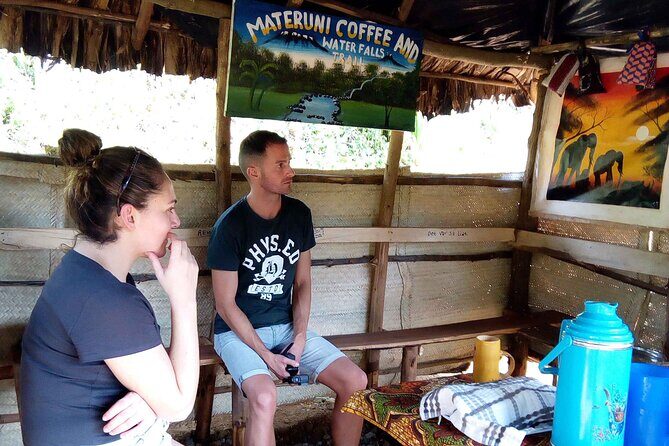
If your ideal Tanzania day includes real community life, not just quick photos, I think this booking makes sense. The strongest reasons to choose it are the waterfall swimming option, the coffee-to-cup workshop, and the chance to learn Chaga farming and traditions while also getting nature and Kilimanjaro views when clouds allow.
I’d only skip it if you’re trying to keep things ultra-low-energy, hate early mornings, or you know you won’t enjoy walking through uneven plantation terrain. Otherwise, this is the kind of day trip that gives you multiple “worlds” in one outing—water, village, and coffee—without you needing to organize the puzzle yourself.
FAQ
What time does the Materuni Waterfalls day trip start?
The start time is 7:00 am.
How long is the tour?
It runs about 10 hours.
Where does the tour take place?
It’s based in Arusha, Tanzania, with the route to Materuni Waterfalls and surrounding coffee plantations and village areas.
Is pickup included?
Pickup is offered.
What does the price include?
The price includes all fees and taxes, lunch, soda/pop, bottled water, and a professional guide/driver, plus admission ticket included.
Can I swim at the waterfall?
Swimming in the natural pool is available if you like.
Are primates likely to be seen?
There’s a chance of seeing primates, including black and white colobus monkeys.
What about coffee—do we just watch, or do we participate?
You’ll learn how to make local coffee from bean to cup and drink the coffee you make.
Is the tour suitable for most travelers?
The tour says most travelers can participate.
What is the cancellation policy?
You can cancel for a full refund up to 24 hours before the experience’s start time. Changes less than 24 hours before start time aren’t accepted.