REVIEW · ARUSHA
From Arusha: 6 Day Classic Game Drive Serengeti & Ngorongoro
Book on Viator →Operated by Beach & Safari · Bookable on Viator
Six days, four wildlife moods, zero wasted motion. I like how this safari links Lake Manyara’s tree-climbing lions with Big Five chances at Ngorongoro, so your days feel like a greatest-hits playlist instead of a pile of random drives. It also makes sense for wildlife timing: the Ndutu area is famous for the calving season, and Serengeti is built for the migration drama.
The second thing I really like is the variety of habitats packed into a short window. You go from alkaline lake birdlife (with thousands of flamingoes) to Ndutu’s predator-heavy riverbank scenes, then to Serengeti’s broad migration plains. One clear drawback to consider: it’s a long-days style safari—early starts, long time in the vehicle, and a moderate amount of day-to-day physical tolerance.
In This Review
- Key points before you go
- Why this Arusha route works: Manyara, Ndutu, Serengeti, and Ngorongoro
- Day 1 Lake Manyara: flamingoes, baboons, and the tree-climbing lion
- Days 2–3 Ndutu and the calving season: lions and leopards near the riverbank
- Day 4 Serengeti National Park: the migration plains in motion
- Day 5 Ngorongoro Crater: Big Five odds from the volcanic rim
- How the safari days feel: timing, driving, and what to pack
- Price and value at $2,864 pp: what you’re really paying for
- Where the guides make the difference: who helps you spot what
- Best time strategy: aim for migration and calving-season action
- Should you book this 6-day Classic Game Drive from Arusha?
- FAQ
- FAQ
- What parks are visited on this safari?
- Where does the tour start?
- What time does the tour start?
- How long is the safari?
- Is transport and a driver-guide included?
- Are park fees included in the price?
- What meals are included?
- What taxes or fees are not included?
- Is this tour private?
- Is there a mobile ticket?
- Can I cancel for a full refund?
Key points before you go
- Park fees and full-board stays are included so you can budget more cleanly.
- Lake Manyara delivers in a small area with flamingoes, baboons, and the famous tree-climbing lions.
- Ndutu is the calving-season playground where lion sightings are common and leopards cluster near the riverbank.
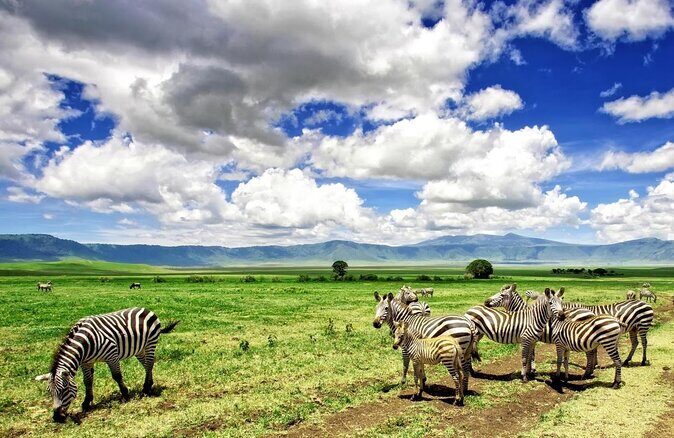
- Serengeti’s migration scale is the headline with millions of wildebeest on open plains.
- Ngorongoro Crater is a classic Big Five day from the rim, with wildlife concentrated in the conservation area.
- Guide quality drives sightings; past trips highlight guides such as David Lasway, Peter Malley, Khalid Talib, Stanley, Shabani, and Godlisten Nassari.
Why this Arusha route works: Manyara, Ndutu, Serengeti, and Ngorongoro
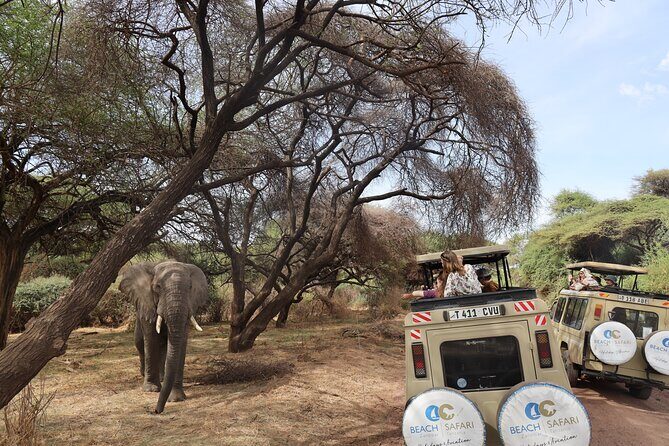
This is one of those safaris where the geography does the heavy lifting. You’re not bouncing between far-off parks with tons of overlap; you’re moving through a logical circuit where each stop has a different “wildlife personality.” That matters because the safari “look” changes fast—birds and forests at Manyara, calving-season predator pressure at Ndutu, migration energy in Serengeti, then crater concentration in Ngorongoro.
From Arusha, you start with Lake Manyara and build toward Serengeti’s iconic plains. Then you finish with the Ngorongoro Crater, which is known as the world’s largest intact volcanic caldera. If you’re trying to check off the classic bucket list without buying multiple separate safaris, this structure is practical.
A few more Arusha tours and experiences worth a look
Day 1 Lake Manyara: flamingoes, baboons, and the tree-climbing lion
Lake Manyara National Park is small for a safari park, but it feels busy in the best way. The alkaline lake pulls in major bird numbers—more than 400 species have been identified—and the park is famous for thousands of flamingoes moving along the water. If you like wildlife that isn’t just “big animal at distance,” Manyara is a strong start.
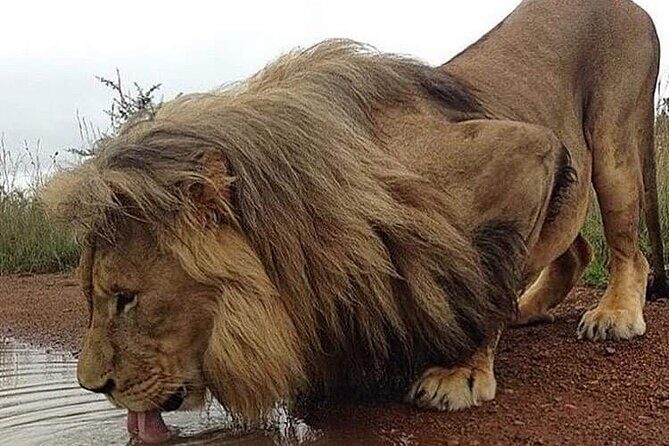
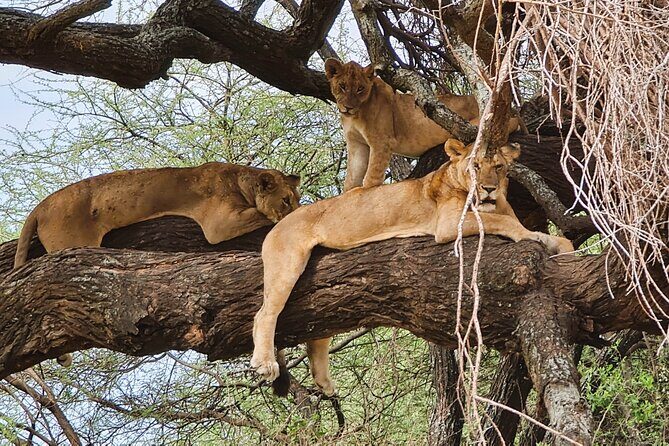
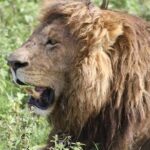
Then there’s the headline sight: tree-climbing lions. The road winds through a groundwater forest area and then onward past mahogany and acacia trees where the lions are famously seen. You’re also likely to notice baboons along the roadside and in the trees, plus grazing wildlife like wildebeest, giraffe, zebra, and buffalo.
Timing-wise, you’ll have about a full day in the park after a roughly 2-hour drive from Arusha. That’s enough time for both early and late-day animal activity, and it helps you settle in after the morning pickup. The only practical watch-out: if you’re the type who hates being in the vehicle all day, Manyara’s first-day schedule may feel long—because day one is about getting your “safari legs.”
Days 2–3 Ndutu and the calving season: lions and leopards near the riverbank
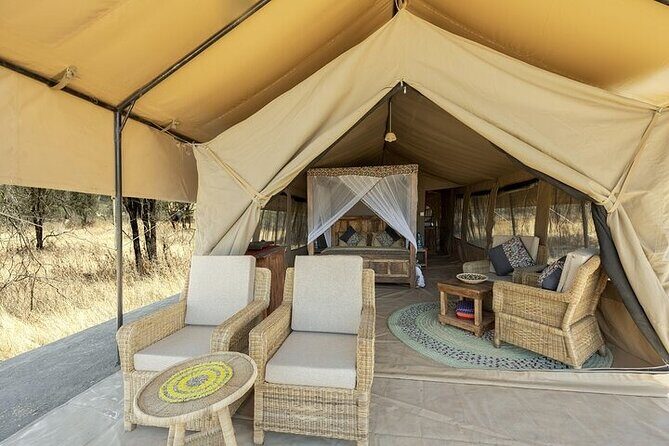
Ndutu is where this itinerary really leans into drama. Lake Ndutu and South Serengeti are famous for being a hot spot during the Great Migration season (roughly November to April) and the calving season (roughly December to February). In plain terms: when prey animals gather and babies are born, predators show up more often, and you get more chances for close, active behavior.
Your schedule gives you two Ndutu-focused days. Day 2 includes an afternoon game drive, while Day 3 is a full day game drive around the Ndutu area. That double dose is smart because Ndutu can be hit-or-miss based on timing, weather, and animal movement. More hours means more flexibility for your guide to reposition when sightings pop up.
This is also where the itinerary leans on specific predator strengths. Lion sightings are common in the Ndutu area, and the riverbank is described as home to one of the world’s densest populations of leopards. That doesn’t mean you’ll see a leopard in every hour, but it does mean the area is built for leopard chances—especially when the day’s light and animal routines line up.
One more thing I appreciate: you’re not just driving straight through. You transfer via the Ngorongoro Conservation Area first, and that transit is part of the safari. You’ll see wildlife and landscapes along the way, and you’re traveling through territory associated with the Maasai tribe. Even when you’re only passing through, that context helps the day feel more grounded than a simple commute.
Day 4 Serengeti National Park: the migration plains in motion
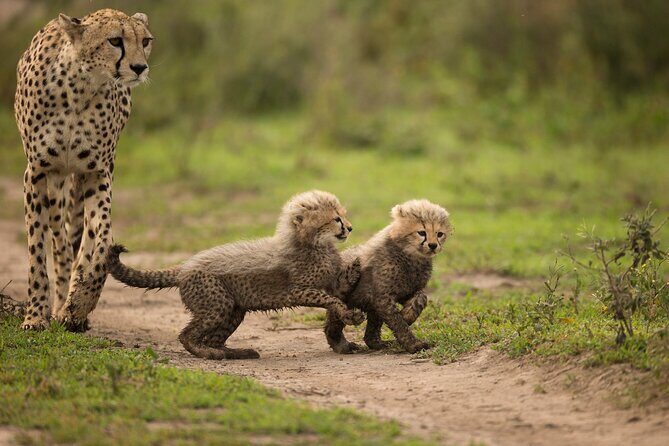
Serengeti is the big name for a reason. The park spans about 14,763 square kilometers, and it’s the largest and arguably most popular of Tanzania’s northern circuit national parks. When you’re on the plains, you get that open-space feeling where wildlife can appear from anywhere—and then you spend the next hour trying to decide if the moving dot is a lion, a shadow, or your imagination.
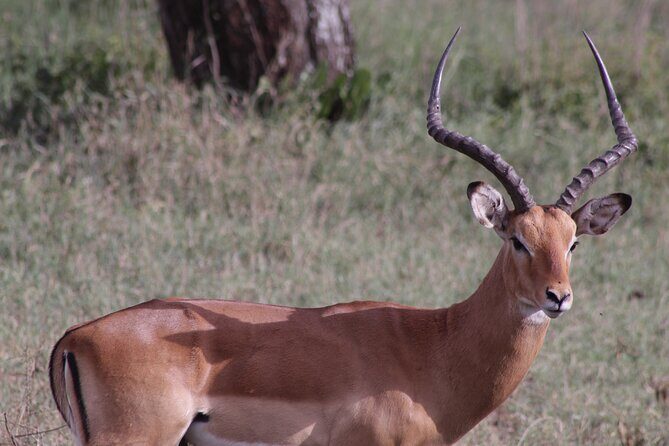
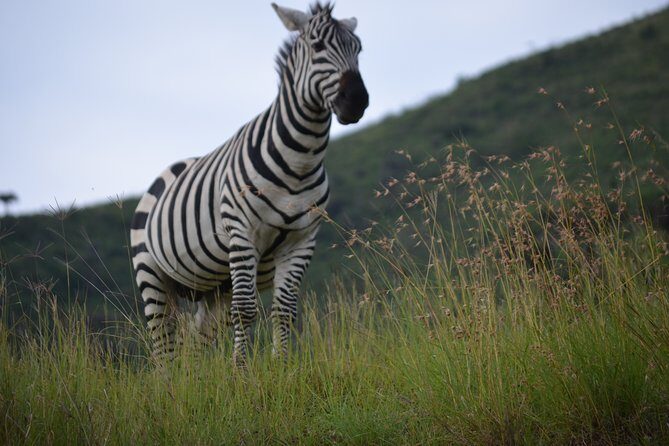
The safari story here is the migration. Serengeti hosts an annual wildebeest migration: around six million wildebeest, with hundreds of thousands of zebras and Thomson’s gazelle joining the trek for fresh grazing. The itinerary also highlights frequent sightings of buffalo, elephant, giraffe, lion, hippo, and hyena. In other words, you’re not depending on one species for your day to work.
This is a full day game drive (about 6 hours). That duration matters in Serengeti because animal movement isn’t neatly scheduled. If you only have a short window, you might miss the moment something “clicks.” With a longer drive day, your guide has more time to follow signs, reposition, and sit tight when there’s action.
Practical note: Serengeti is also a place where “patience pays.” If you’re the kind of person who enjoys watching behavior—grazing patterns, groups changing direction, birds tracking movement—this day should feel rewarding even when sightings aren’t constant.
Day 5 Ngorongoro Crater: Big Five odds from the volcanic rim
Ngorongoro Crater is one of those places that makes you lower your voice without realizing it. The crater is described as the world’s largest intact volcanic caldera, and that shape matters for wildlife. Because of the natural rims and the way the conservation area funnels habitats, wildlife often concentrates within the crater.
Your day is a full game drive in the crater area (about 6 hours). The itinerary explicitly calls this the best park for Big Five chances. That phrase is used a lot, so here’s the practical meaning: you’re in a setting where multiple large species can share the scene more often than in open terrain. You’re also getting a structured “crater day,” not a quick drive-by.
The viewing setup at the rim is part of the experience too. The description focuses on the sense of scale—clouds near the rim, a cool mountain breeze, and the feeling of looking into a living bowl of wildlife. Even if your main goal is animal spotting, the rim moment helps reset your brain after days of plains scanning.
As for what you can realistically expect: this is where a good guide earns their keep. In the crater, the animals are there, but your viewing success depends on finding the right slope, the right time of day, and the right viewing angle.
How the safari days feel: timing, driving, and what to pack
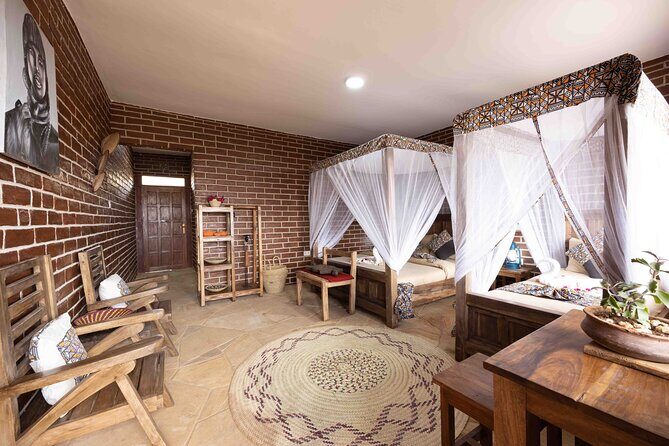
This tour starts at 8:00 am, with pickup offered from your stay or the airport in Arusha. The schedule stacks long game drive blocks—most days run about 6 hours in a park, with additional driving time between locations. Day 1 includes the drive to Lake Manyara and a full day game drive; Day 2 blends a transfer and an afternoon drive; Day 3 is a full Ndutu day; Day 4 is a full Serengeti day; Day 5 is a full crater day; and Day 6 is the return drive to Arusha.
So yes, this is a sit-and-scan safari. Bring comfort seriously. You’ll likely be in the vehicle for hours at a time, so choose clothes that layer well. The crater day description mentions a cool breeze at the rim, so plan for temperature swings between early morning, midday, and late-afternoon chill.
If you’re a camera person, this itinerary is set up well for photography because you have multiple long driving windows and several habitat types. One of the guides mentioned by past travelers is noted for making sure they had time for beautiful photos, which is a reminder that the best viewing often comes from quiet time and good timing, not just speed.
Also: some guides take extra care of the safari vehicle at night, like cleaning the jeep daily. It’s a small comfort detail, but on a multi-day safari, it can make your mornings feel smoother.
Price and value at $2,864 pp: what you’re really paying for
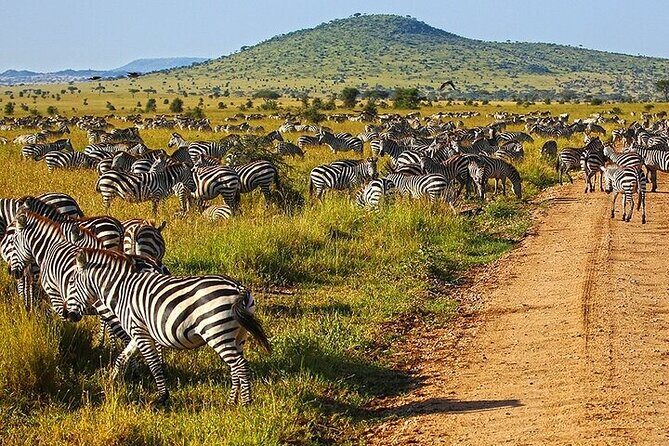
At $2,864.00 per person for an approximately 6-day private safari, the price is not small. But the value equation here is clearer than many “low headline price” offers, because this one includes a lot of the expensive parts up front.
What’s included:
- Park fees (so you’re not hit with surprise entry totals later)
- Overnight stays in unique accommodations near the parks, on a full board plan
- Transport and driver guide
- Meals: breakfast (5), lunch (5), dinner (5)
What’s not included:
- Tourism Development Levy of $1.50 per person per night
- Village tax of $1.00 per person per night
- Personal expenses, drinks, and tips (optional)
So the question becomes: does the included full board and park-fee coverage make your budgeting easier, and do the route choices match what you want to see? If you want Manyara’s tree-climbing-lion story, Ndutu’s calving-season predator action, Serengeti’s migration scale, and Ngorongoro’s crater concentration, the package is built around that checklist.
If you’re traveling as a group, the listing also mentions group discounts. That’s worth asking about, because splitting private safari costs can change the feel of the price quickly.
Where the guides make the difference: who helps you spot what
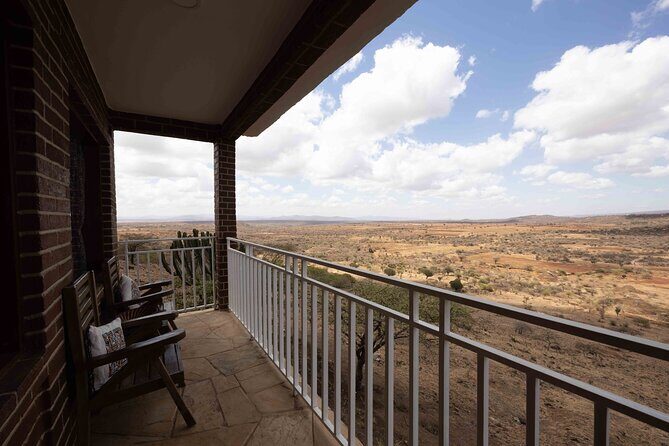
On safari, the guide isn’t just driving. They’re reading sign, predicting where animals are likely to be, and managing timing so you don’t miss the good moments. That’s not theory—it shows up in how people describe their experiences.
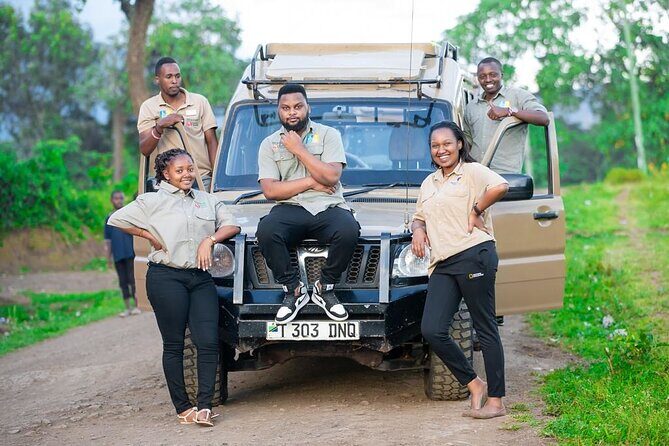
Past trips highlight guides with a mix of skills: finding animals, explaining behaviors, and keeping things safe and smooth. Names that come up include David Lasway (professional guidance and strong driving), Peter Malley (good spotting and Big Five success), Khalid Talib (including Maasai culture context), Stanley (finding Big Five), Shabani (friendly, safe driving), and Godlisten Nassari (great driver and lots of animal stories). Others mention Emmanuel Adson and Godbless as standout guides for fun and communication.
You should treat that as useful information when you book: ask what experience your driver-guide has and how they plan to handle sightings during the long drives. A strong guide also helps you “work with” the day. For example, Ndutu can throw predator action your way when conditions are right, but it takes someone who will reposition instead of just waiting.
Best time strategy: aim for migration and calving-season action
This route is designed for specific animal timing. The Great Migration runs roughly November through April, and the calving season is roughly December through February. If your dates line up with those windows, your chances for the kind of predator-prey scenes Ndutu is known for get better.
Even outside those months, you’ll still see a lot of wildlife across Manyara, Serengeti, and the crater. But if your “must see” list includes more dramatic predator activity, aligning with the migration and calving seasons is the smartest lever you have.
Should you book this 6-day Classic Game Drive from Arusha?
If you want one straightforward safari plan that hits Lake Manyara, Ndutu, Serengeti, and Ngorongoro Crater in six days, this tour makes sense. The included park fees and full-board stays help you manage budget, and the itinerary choices are clearly built around wildlife timing—especially Ndutu during calving season.
I’d book it if:
- You’re chasing Big Five chances with a focused Ngorongoro day
- You care about migration-scale scenery in Serengeti
- You like action-heavy safari days (Ndutu gives that a big push)
I’d think twice if:
- You don’t enjoy long vehicle days and early starts
- You prefer a slower pace with more downtime between game drives
If your goal is a classic Tanzania safari checklist with strong habitat variety and enough hours in each area to actually land sightings, this is the kind of trip that can feel like a proper safari week, not just a tour schedule.
FAQ
FAQ
What parks are visited on this safari?
You’ll visit Lake Manyara National Park, Ndutu (Lake Ndutu / South Serengeti area), Serengeti National Park, and the Ngorongoro Crater (within the Ngorongoro Conservation Area).
Where does the tour start?
The safari starts in Arusha. Pickup is offered from your place of stay or from the airport.
What time does the tour start?
The start time is 8:00 am.
How long is the safari?
It’s a 6-day tour (approx.).
Is transport and a driver-guide included?
Yes. Transport and a driver-guide are included.
Are park fees included in the price?
Yes. Park fees are included.
What meals are included?
The tour includes breakfast (5), lunch (5), and dinner (5), based on a full board meal plan.
What taxes or fees are not included?
You’ll need to pay a Tourism Development Levy of $1.50 per person per night and a village tax of $1.00 per person per night at check-in.
Is this tour private?
Yes. It’s private, so only your group participates.
Is there a mobile ticket?
Yes. A mobile ticket is included.
Can I cancel for a full refund?
Yes. Free cancellation is available if you cancel up to 24 hours in advance of the experience start time for a full refund.