REVIEW · ARUSHA
Serengeti & Ngorongoro 3 Days Budget Safari
Book on Viator →Operated by Enroute Africa · Bookable on Viator
Three days hits hard in the best way. You’re moving from Arusha into Serengeti for big game, then down into Ngorongoro Crater for a different kind of wildlife drama. This budget camping safari also includes a drive into the Rift Valley, plus hotel pickup and a mobile ticket for a smoother start.
What I like most is the rhythm: early mornings for animal activity, then slower stretches to rest, eat, and reset. I also like that you’re not just checking boxes—you get a chance at the famous Serengeti plains and the unique crater ecosystem where animals can be spotted from the floor of the caldera. And if you’re hoping for a friendly, capable team, the names Mr. Amani (guide/driver) and Mr. Emmanuel (operator) come up as strengths in the way this safari runs.
One consideration: you’ll spend a lot of time in the car. Day 1 is a long drive from Arusha (about 8 hours with stops), and it doesn’t leave much room for a slow travel pace.
In This Review
- Key highlights worth knowing
- Serengeti and Ngorongoro from Arusha: what this trip feels like
- Day 1: crossing toward Serengeti with a Ngorongoro viewpoint and Maasai village option
- Day 2: Serengeti at first light, then camping at Simba near the crater rim
- Day 3: descending into Ngorongoro at 6:15 for the black rhino hunt
- Wildlife you’re aiming for: from acacias to crater plains
- Guides, pacing, and the $850 value equation
- What to pack and how to survive the driving days
- Who this safari suits best
- Should you book this Serengeti and Ngorongoro budget camping safari?
- FAQ
- FAQ
- Where does the safari start?
- How long is the safari?
- Which national parks are included?
- Is the Maasai village visit included?
- What time do you start on Day 2?
- What time do you descend into Ngorongoro Crater?
- Where do you sleep overnight?
- Are meals included?
- Is a wine bottle included?
- What’s the maximum group size?
- Is free cancellation available?
Key highlights worth knowing

- Hotel pickup + mobile ticket: easier arrival day and less fuss before you even reach the parks.
- Early game drives: mornings on Serengeti and a dawn descent into Ngorongoro are built for wildlife timing.
- Camping at Simba campsite near the crater rim: you can sometimes spot animals from the campsite area.
- Optional Maasai village cultural stop: a quick cultural add-on on the way in (not mandatory).
- Black rhino chance at Ngorongoro floor level: a specific target timed for visibility.
- Complimentary wine bottle: a small comfort after a full day outside.
Serengeti and Ngorongoro from Arusha: what this trip feels like
This is a classic East Africa safari shape: you start in Arusha, then you spend your daylight hours chasing animals and your nights camping just close enough to feel the wilderness. It’s also a real “budget” style trip, which usually means you get the core wildlife experience without luxury extras.
You’ll be picked up from your hotel, which matters more than it sounds. In Arusha, getting from city hotels to the park access points can be its own mini-adventure. With pickup lined up, you start your safari day already moving.
Group size is capped at 12 travelers, which helps. You’re not stuck in a huge convoy. It also tends to make spotting and vehicle coordination easier for the guide/driver, especially during sunrise and sunset game viewing.
A few more Arusha tours and experiences worth a look
Day 1: crossing toward Serengeti with a Ngorongoro viewpoint and Maasai village option

On Day 1, you leave Arusha around 7:20 a.m. and spend roughly 8 hours on the road once you add stops. That’s a long first day, but it’s also how this route makes sense. Instead of rushing straight into Serengeti, you break up the journey with two meaningful stops.
First, you pause at the Ngorongoro gate and a viewpoint for a quick look at the crater. It’s brief (about 20 minutes), but it’s the kind of moment that re-frames the trip. From above, the crater looks like a planet-sized bowl. Then later, you’ll descend and see why animals treat it like a meeting place.
Next comes the Maasai village visit, listed as optional. If you choose it, the stop is about Maasai culture and stories. You’ll hear about older warrior traditions—things like lion-hunting lore and the idea of drinking raw animal blood—though the information provided here notes that these traditions are mainly in the past now, with exceptions. For many people, it’s a quick cultural layer that makes the safari feel more grounded than just wildlife spotting.
After the stops, you keep driving onward toward Serengeti National Park. Day 1 is more about getting positioned than about maximum game viewing time, so mentally plan for a “get there, then settle in” energy.
Watch-out tip: wear something comfortable for the drive, because a long day behind the wheel can be tiring even when the scenery is good.
Day 2: Serengeti at first light, then camping at Simba near the crater rim

Day 2 starts early. You’ll eat breakfast around 6:30 a.m. and head out for an early game drive. Early timing matters in Serengeti because animals are often more active when the air is cooler and the light is softer. It’s also when you typically get better visibility for spotting.
The drive continues into the afternoon, then you shift gears. You head to camp for lunch and packing, and you take another game drive while exiting Serengeti. That’s a smart way to use your time—rather than leaving the park as a deadline, you treat the exit route like one more viewing window.
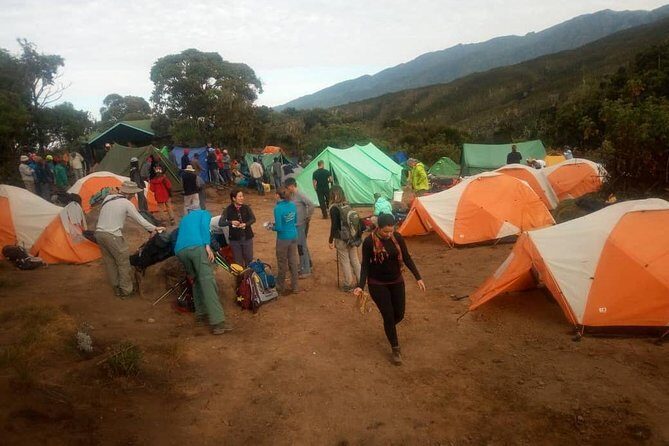
Then comes the move to your overnight spot: Simba campsite, about 2 hours’ drive from where you finish up in Serengeti, and located near the rim of Ngorongoro Crater. This is where the trip’s “camping” style becomes real. You’re not in a hotel bubble. You’re in a campsite setting where the wildlife presence can feel close.
There’s even a specific note that animals can be spotted on the campsites. That doesn’t mean you’ll see something on demand, but it does suggest the area is active enough that your evening walk or late sit can turn into a surprise moment.
Meals are included on this day: breakfast and lunch, plus dinner at camp. So you’re not spending safari time hunting for food choices. In real terms, that’s part of the value of a budget safari—less decision fatigue while you’re already dealing with early starts and long roads.
Day 3: descending into Ngorongoro at 6:15 for the black rhino hunt

Day 3 is the big wildlife moment on the calendar: you descend into Ngorongoro Crater at 6:15 a.m. The timing is intentional because Ngorongoro’s ecosystem rewards early starts. From what’s provided here, your focus is on finding the black rhino, which is described as the hardest to spot in the crater.
That’s not a guarantee—safari wildlife never is—but it’s useful context. If your goal includes black rhino, you’ll feel the plan behind the timing. Also, the crater setting is a floor caldera, which generally means there’s more wildlife visibility from ground level than you’d get from high viewpoints.
After the morning drive, you return for lunch. Then you do more game drive time inside the crater before you ascend and head back toward Arusha to finish the trip. This gives you both the early search window and the later viewing stretch, so you’re not leaving the crater right after the first hunt attempt.
A small but welcome extra: there’s a complimentary wine bottle included as part of Day 3. It’s the kind of payoff that feels especially nice after a dawn start and a day focused on spotting.
Wildlife you’re aiming for: from acacias to crater plains

One thing I appreciate about this safari description is that it doesn’t treat “wildlife” as one generic thing. You’re told to expect the kind of mix that makes Serengeti and Ngorongoro feel different.
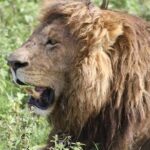
In Serengeti, you’re positioned for animals like elephants and giraffes, including giraffes among acacias. You’re also told to keep an eye out for monkeys in the forest and lions in trees, which are specific enough to shape how you look. Instead of only scanning savanna grasslands, you’re reminded to check for movement higher up.
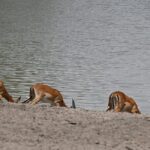
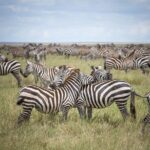
Then Ngorongoro adds the crater “stage.” Inside a collapsed volcanic caldera, animals use the floor environment in concentrated ways. The information you’re given highlights a huge variety of animals inside the crater plus more of the open-area experience once you’re driving the route around it.
If you’re thinking about expectations, this helps: you aren’t just hoping for a lion sighting. You’re being asked to watch broadly—ground level and higher branches in the right habitat moments.
A few more Arusha tours and experiences worth a look
Guides, pacing, and the $850 value equation

At $850 per person, you’re paying for a full safari package with guiding, park driving, camping overnight (at Simba campsite near the crater rim), and the bulk of meals. It’s also built around a small group size (up to 12), hotel pickup, and a mobile ticket.
Value comes down to whether the trip’s structure matches your goals.
- If your top priority is wildlife time, the early starts and repeated game drive windows are the heart of the plan.
- If your priority is hands-on guidance, the guide/driver role is central, and the safari has a track record of strong service linked to Mr. Amani.
- If you want less logistical stress, you get included meals (breakfasts and lunches each day, plus dinners) so you’re not stopping for food choices mid-drive.
There’s also an operations advantage. The operator linked to this safari has a reputation for quick communication tied to Mr. Emmanuel. For a safari, that matters because it reduces uncertainty before you even depart.
One note for your budgeting brain: the experience listing shows some admission markers as free or included for certain parts, but it’s not fully consistent across stops. Before you pay, you should confirm what park fees are covered in your final price and what is optional (like the Maasai village).
What to pack and how to survive the driving days

This trip is short, but it’s not slow. Day 1 includes an 8-hour drive with stops, and Day 2 includes a 2-hour transfer to the crater rim campsite. The main comfort challenge is that you’re sitting for long stretches.
I’d plan for:
- Neutral, breathable layers for early mornings and warm afternoons
- A warm layer for dawn and open-air vehicle time
- A small day bag for water and snacks between meal stops
- Closed-toe shoes that won’t hate dust or uneven ground
Also, keep your expectations flexible about animal sightings. The trip targets big moments—Serengeti for broad wildlife, Ngorongoro for black rhino attempts—but wildlife is still wildlife. Your best weapon is patience plus good spotting habits: scan slowly, watch for stillness, and keep an eye on acacias and tree lines when the guide calls it out.
Who this safari suits best

This budget Serengeti and Ngorongoro camping safari fits best if you want:
- The classic pair: Serengeti + Ngorongoro in one tight timeframe
- More wildlife hours than luxury perks
- A small group feel (max 12)
- A route that includes a quick Rift Valley moment on the way through
It’s also a solid choice for families or first-time Africa visitors who want structure without being locked into a resort bubble. You’re not just being transported—you’re being guided through what to look for and when.
If you hate early starts or long car days, you might feel this safari is intense. But if you can handle a wake-up alarm, you’ll be rewarded with the timing that wildlife actually responds to.
Should you book this Serengeti and Ngorongoro budget camping safari?
I think you should book it if your priorities are wildlife time, a small-group safari format, and a fair price for a real three-day route that includes camping near Ngorongoro. The trip’s best feature is how it stacks viewing opportunities: Serengeti early drives, crater descent at 6:15 a.m., and multiple game drive segments instead of one long stretch.
You might look elsewhere if you want a lighter pace, more downtime, or a trip with fewer long driving hours. This is built for action and sightings, not for lingering.
My practical advice: before confirming, double-check what exactly your final $850 covers for park admissions and confirm whether any add-ons (like the Maasai village) are optional in your specific booking. If those answers line up, this is a strong value way to experience two of Tanzania’s most famous safari stages.
FAQ
FAQ
Where does the safari start?
The safari is based in Arusha, Tanzania, and the tour includes pickup from your hotel.
How long is the safari?
It runs for about 3 days.
Which national parks are included?
You’ll visit Serengeti National Park and Ngorongoro Crater / Ngorongoro Conservation Area.
Is the Maasai village visit included?
A Maasai village stop is offered and described as optional, with admission marked free for that stop.
What time do you start on Day 2?
Day 2 includes an early breakfast at 6:30 a.m., followed by an early game drive.
What time do you descend into Ngorongoro Crater?
On Day 3, the descent into the crater is scheduled for 6:15 a.m.
Where do you sleep overnight?
You spend the night at Simba campsite, near the rim of Ngorongoro Crater.
Are meals included?
Yes. Breakfast is included for 3 days, lunch is included for 3 days, and dinner is included for 2 days.
Is a wine bottle included?
Yes, there is a complimentary wine bottle included.
What’s the maximum group size?
The safari has a maximum of 12 travelers.
Is free cancellation available?
Yes. Free cancellation is available up to 24 hours in advance for a full refund.