REVIEW · ARUSHA
2 Days 1 Night Tarangire & Ngorongoro Crater
Book on GetYourGuide →Operated by FAHARI SAFARI · Bookable on GetYourGuide
A safari in two parks is never boring. This Tarangire + Ngorongoro trip runs tight and efficient, with a full day of elephants and big cats in Tarangire, then a dramatic early descent for action inside the crater. Two things I really like about this plan: the organization around pickup and returns, and the way the schedule gets you into the best wildlife windows. One thing to keep in mind: Ngorongoro animal viewing can be at longer distances, so pack for viewing with a camera and the right gear.
What makes this one feel worth your time is the pacing. Day 1 is a long game drive with a picnic lunch, then you rest at a camp or lodge and wake up early for crater drives. Day 2 is built around that early crater entrance, with a crater-floor game drive, a picnic lunch by the hippo pool, and a drive back to Arusha by early evening. The overall vibe is smooth, supportive, and focused on wildlife—not rushing you through photos.
In This Review
- Key Highlights You’ll Care About
- Tarangire National Park: Baobabs, the River, and a Proper Full-Day Game Drive
- What to watch for in Tarangire
- The Overnight Plan: Camp or Lodge Comfort That Keeps the Safari Rolling
- Ngorongoro Crater: The Big Descent and Why the Timing Matters
- The hippo pool picnic lunch
- Wildlife Viewing Real Talk: Big Five Chances and Distance Differences
- Camera and comfort tips that actually help
- Transportation and Guiding: What You’re Paying For
- Price and Value: $730 Per Person, and What That Includes
- Who This Safari Fits Best (and Who Might Want Another Style)
- Should You Book This Tarangire and Ngorongoro Safari?
- FAQ
- How long is the safari?
- Where does the tour start and end?
- What time is pickup in Arusha on Day 1?
- What time do you enter Ngorongoro Crater on Day 2?
- How long is the game drive inside Ngorongoro Crater?
- Are park fees included?
- What meals are included?
- Is drinking water provided?
- What vehicle do you use?
- Should I bring binoculars for Ngorongoro?
- Is the tour cancellation refundable?
Key Highlights You’ll Care About
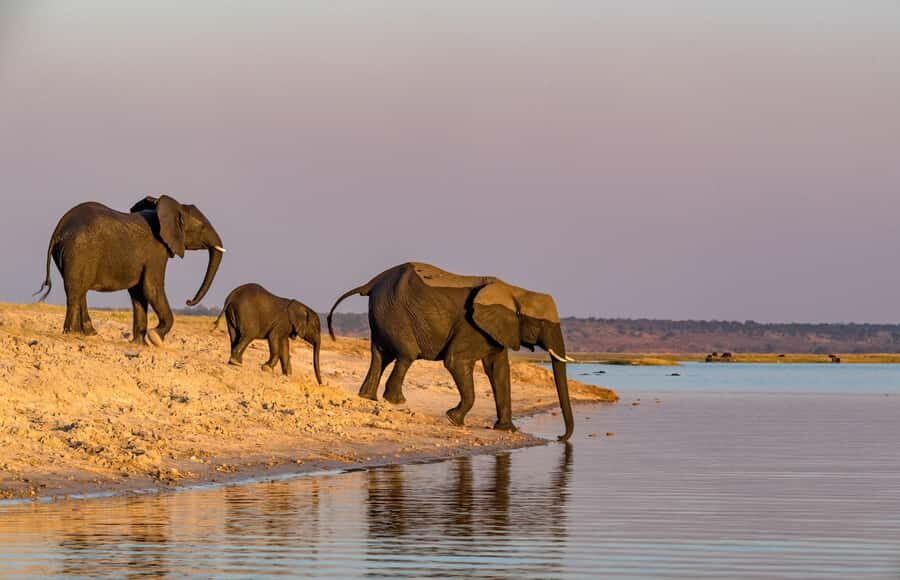
- Tarangire elephants and baobabs: Large herds near the Tarangire River and lots of classic baobab scenery.
- Ngorongoro early descent: Around 6:30 AM into the crater for a 5-hour game drive on the floor.
- Good guiding and stop-and-go flexibility: Your driver/guide can keep the jeep moving for sightings while still giving time for photos.
- Hippo Pool picnic: Lunch time built into one of the crater’s most memorable spots.
- Real comfort on the overnight: A clean, pleasant overnight lodge/camp experience that can include evening entertainment.
Tarangire National Park: Baobabs, the River, and a Proper Full-Day Game Drive
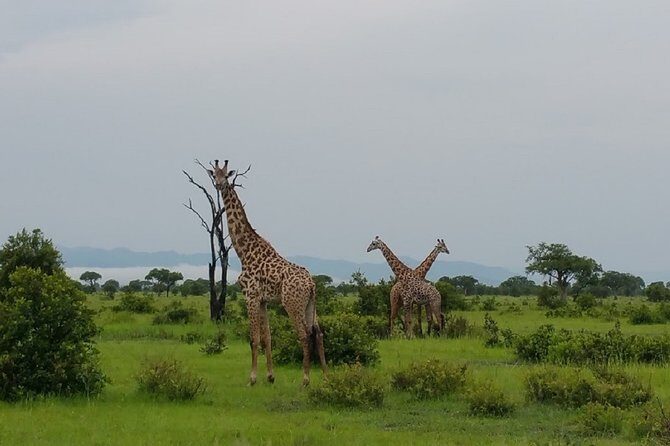
Tarangire National Park is famous for one thing you notice fast: the baobab trees. They rise up like old sculptures, towering over everything, and that matters because it changes how you see the animals. You’re not just scanning grassland. You’re watching wildlife framed by giant trunks and open views that make elephants and giraffe feel close, even when they’re spread out across the park.
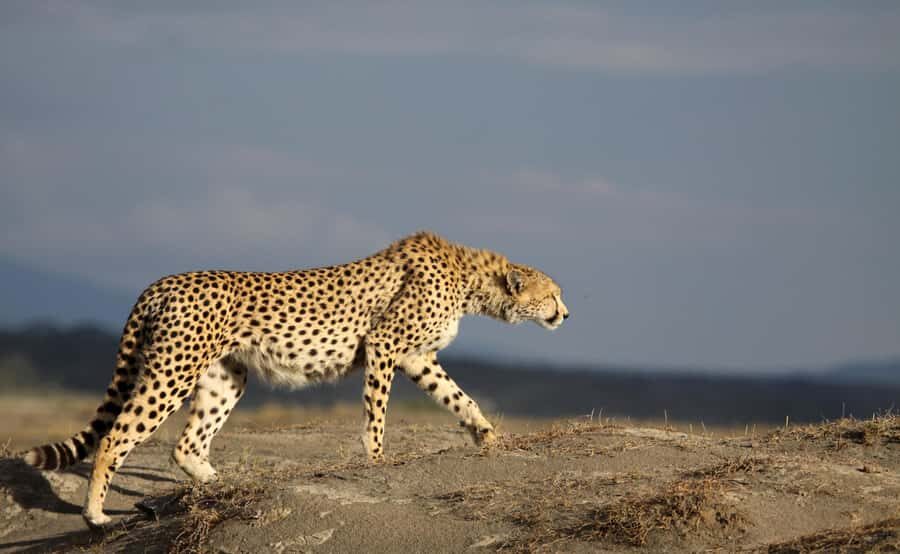
Day 1 starts in Arusha with pickup at 8:30 AM. From there, you head to Tarangire for a full-day game drive with a picnic lunch packed for you. Tarangire River is the centerpiece here. When wildlife concentrates around water, your chances improve—especially for big groups like elephants. The tour’s animal list is broad, and that’s a good sign for variety: lion, leopard, cheetah, lesser kudu, buffalo, oryx, eland, giraffe, and zebra are all possible.
Here’s the practical part: Tarangire is often one of the most satisfying parks for sheer animal frequency. In one safari experience tied to this itinerary, the best day for density of sightings was Tarangire, with animals appearing closer and more frequent than on the crater floor. That matches what many people feel in person: when the herd is moving through the same corridors, you get more chances to pick out behavior—feeding, crossing, and interacting.
Expect a day that feels like real driving time, not a rushed checklist. You’re in a 4×4 Land Cruiser with a professional driver/guide. You’ll also have drinking water (2 liters per person per day), which sounds basic until you’re doing long drives in warm conditions.
You can also read our reviews of more evening experiences in Arusha
What to watch for in Tarangire
- Elephant herds near water: The river area is where you’ll likely get your best moments.
- Big-cat scanning: Lion and leopard are possible, but your guide’s job is finding signs and positioning the jeep.
- Baobab photo ops: If you like photos, this is where you can get the classic Africa shots without forcing it.
The Overnight Plan: Camp or Lodge Comfort That Keeps the Safari Rolling
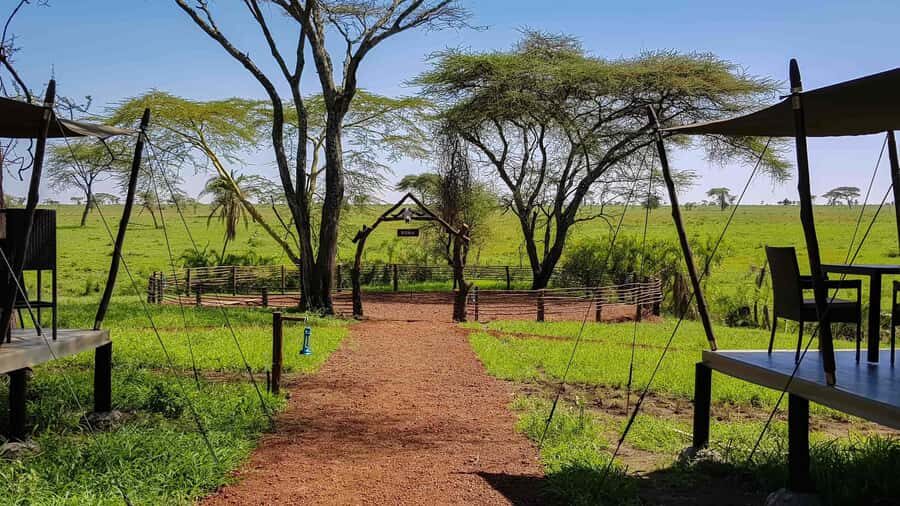
You’ll finish Day 1 back at your camp/lodge for dinner after the game drive. The tour includes meals as per the itinerary, so you’re not stuck trying to find food after a long day. One of the strongest signals from the experiences tied to this itinerary is that the overnight stop can be a genuine relief: clean, pleasant, and comfortable enough that you actually recharge.
For solo travelers, this matters even more. A solo traveler on this route said they felt safe while staying there, and that was a big part of the comfort factor for them. That kind of peace of mind is hard to measure before you go, so it’s worth taking seriously.
Also, there can be an evening entertainment component at the lodge/camp—music, dancers, and acrobats were mentioned in one of the experiences. You don’t need that to enjoy the safari, but it’s a nice bonus after a full day in the vehicle.
The main thing is what the overnight accomplishes for you. You’re not spending half the trip transferring around. You’re sleeping where you’re supposed to, waking up when you need to, and keeping energy for the crater day.
Ngorongoro Crater: The Big Descent and Why the Timing Matters
Day 2 begins early. After breakfast, you descend at about 6:30 AM into the crater floor. That early start is not just a schedule trick. It’s how you get the best viewing conditions and the best chance of seeing animals active in the morning.
Ngorongoro Crater is a UNESCO World Heritage Site, and it’s described as the world’s largest inactive, intact, and unfilled volcanic caldera. It’s huge—about 260 sq km on the floor—with a depth of over 2,000 feet. When you hear that, it’s easy to picture a big bowl. When you’re actually there, you understand why it changes everything: the terrain funnels animals into certain areas, and your guide can position you strategically.
The crater-floor game drive runs about 5 hours. This is where your camera needs to be ready, because the animals can appear quickly and then hold your attention for long stretches. The itinerary calls out African elephant, buffalo, black rhino, hippos, hyenas, cheetahs, and lions.
A useful reality check from an experience on this route: animals in Ngorongoro can be at longer distances. That doesn’t kill the experience, but it does change your prep. If you want tighter shots or better identification, bring binoculars. One person specifically mentioned needing binoculars at times in the crater.
The hippo pool picnic lunch
After the game drive portion, you stop for a picnic lunch at the hippo pool. This is one of those moments where timing beats tactics. You get a break, food stays organized, and you’re in a hotspot area while you eat. Then you do the steep climb back out of the crater.
After lunch and the ascent, you have about a 4-hour drive back to Arusha, with drop-off around 6:00 PM. That’s an intense day, but the structure keeps it from feeling chaotic.
A few more Arusha tours and experiences worth a look

Wildlife Viewing Real Talk: Big Five Chances and Distance Differences
This safari’s highlights mention Big Five potential. In practical terms, your chances come down to what the crater and Tarangire are good at supporting.
- Ngorongoro is where black rhino is specifically part of the expected sightings list. Add lions and buffalos, plus hippos and hyenas, and you have a strong shot at classic predator-prey drama.
- Tarangire is where elephants and giraffe often steal the show, with lions and other cats possible too.
But here’s the key: you’re not guaranteed everything on every day. What you can count on is variety. Tarangire gives you classic river-and-habitat viewing with animals that may feel closer. Ngorongoro gives you drama from a different angle—sometimes longer distance, sometimes intense behavior up close.
Camera and comfort tips that actually help
The tour setup includes water and organized meals, so you can focus on seeing. I’d also plan for the two viewing styles:
- Tarangire: you may get more frequent sightings and closer moments.
- Ngorongoro: keep your camera dialed in for distance; binoculars can make the day more enjoyable.
And yes, you’ll likely stop for photos when you want them. One experience tied to this itinerary praised the guide for being happy to stop for pictures as desired—so if your style is slow and deliberate, you’ll probably feel supported.
Transportation and Guiding: What You’re Paying For
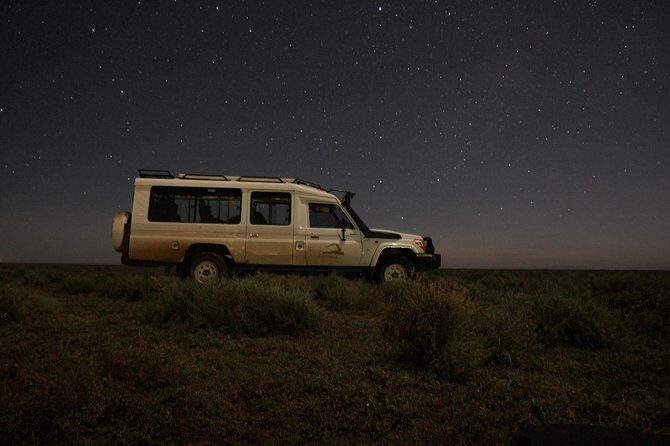
This tour runs on a professional driver/guide and a 4×4 Land Cruiser. That’s the backbone. In safari terms, your guide isn’t just driving; they’re constantly reading tracks, movement, and the landscape features that funnel animals.
The feedback connected to this itinerary is strong on the human side: organized pickup and return, clear explanations, and guides who can support you with what you’re seeing. One experience said the guides were very supportive with questions and explanations. Another noted the guides were entertaining and informative, and willing to adjust to photo stops.
That matters because it changes your safari from just watching animals to understanding what you’re seeing. Even a simple thing—knowing why animals gather where they do—turns the ride into a story.
Also, you’re not stuck with a random schedule. The plan is structured:
- Day 1: 8:30 AM pickup, full-day game drive, picnic lunch, dinner at camp/lodge.
- Day 2: early crater descent around 6:30 AM, 5 hours game drive, picnic at hippo pool, steep exit, drive back to Arusha by about 6:00 PM.
It’s a lot, but it’s sensible.
Price and Value: $730 Per Person, and What That Includes
At $730 per person, this isn’t a budget-only safari. But the value case is pretty clear when you look at what’s covered.
Included:
- Park fees for non-residents
- Concession/camping fees
- Daily game drives
- Professional driver/guide
- 4×4 Land Cruiser
- All taxes and VAT
- Meals as per itinerary (including picnic lunch(s) and dinner)
- Drinking water: 2 liters per person per day
Not included:
- International flights
- Airport transfers unless mentioned
- Extra accommodation before/after the safari
- Visa fees, travel insurance, souvenirs, personal expenses
- Any government-imposed tax/park-fee increases beyond what’s currently stated
- Anything not in the itinerary
So here’s the value logic: two parks, park fees and vehicle time handled, meals handled, and a guided experience with an overnight included. If you tried to DIY the same structure—especially the crater timing and the park fee complexity—your costs could creep up fast, and you’d trade away the coordination that makes early crater descents possible.
Is it expensive? It can be. Is it fair for what you get? For many people, yes—especially if you care about having someone handle the moving pieces.
Who This Safari Fits Best (and Who Might Want Another Style)
This is a good fit if:
- You want two of Tanzania’s biggest wildlife draws in a short time.
- You like a schedule that’s active but not chaotic.
- You care about strong guiding and well-run logistics.
- You’re okay with long drives and early mornings in exchange for wildlife time.
You might want a different plan if:
- You hate early starts. Day 2 is truly early with descent around 6:30 AM.
- You expect guaranteed close-ups on every animal. Ngorongoro can mean distance; binoculars help.
- You’re looking for a long buffer with lots of downtime. This itinerary is built to use the day.
Should You Book This Tarangire and Ngorongoro Safari?
If your goal is a high-impact, well-organized safari in Tanzania, I’d book it with confidence—especially if you’re excited about Tarangire’s elephants and baobab scenery and you’re ready for Ngorongoro’s early crater experience. The standout strengths are the smooth pickup/return, the helpful guiding, and the fact that the overnight stop seems to deliver real comfort after a long Day 1.
My main caution is about expectations: Ngorongoro viewing can be at distance, so pack for that and don’t plan only around one animal. If you bring binoculars, keep your camera flexible, and let the guide position you, you’re set up for a memorable couple of days.
FAQ
How long is the safari?
It runs for 2 days / 1 night with an overall duration listed as 2 to 3 days depending on availability. The itinerary itself covers Day 1 game drive in Tarangire and Day 2 game drive in Ngorongoro plus the drive back to Arusha.
Where does the tour start and end?
The tour starts and ends in Arusha. You’ll be picked up from your hotel in Arusha and dropped off at your preferred location in Arusha on Day 2.
What time is pickup in Arusha on Day 1?
Pickup is at 8:30 AM from your hotel in Arusha.
What time do you enter Ngorongoro Crater on Day 2?
You’ll start the early descent into the crater floor at about 6:30 AM.
How long is the game drive inside Ngorongoro Crater?
The crater-floor game drive is scheduled for about 5 hours.
Are park fees included?
Yes. Park fees for non-residents and concession/camping fees are included.
What meals are included?
Meals are included as per the itinerary, including picnic lunches and dinner after the Tarangire game drive.
Is drinking water provided?
Yes. You get drinking water (2 liters per person per day) while on safari.
What vehicle do you use?
You travel in a 4×4 Land Cruiser with a professional driver/guide.
Should I bring binoculars for Ngorongoro?
It can help. One experience noted that in Ngorongoro the animals were sometimes at longer distances and binoculars were used part of the time.
Is the tour cancellation refundable?
There is free cancellation up to 24 hours in advance for a full refund.