REVIEW · ARUSHA
Best 7 Day 6-Night Tanzania Big Five Midrange Private Safari
Book on Viator →Operated by Tanzania Serengeti Safaris · Bookable on Viator
Three parks, seven days, big cats in reach. This midrange private safari from Arusha is built for serious sightings, with time in Serengeti for migration season energy and a crater day in Ngorongoro for dense wildlife action. Two things I like a lot: you get multiple full days for game drives (not just a drive-by), and the Ngorongoro Crater visit is planned as a proper wildlife-focused outing, not a quick stop. One drawback to consider up front: you’ll be in the vehicle for long stretches (days list about 6–8 hours), so it’s not the trip for people who hate roads or sun.
You’re paying a premium price, but you’re also getting a package that covers a lot of the “gotchas” that can ruin value on safari. Park fees are listed as covered, meals are included for most days, and your group stays private rather than mixed with strangers. If you’re planning around budget, the main thing to watch is what’s not included: visa, medical insurance, flights, tips, and any hotel nights before/after the safari.
In This Review
- Key Things I’d Focus On Before You Go
- First Steps in Arusha: Your Safari Starts the Same Day
- Tarangire National Park on Day 1: Elephants, Baobabs, and a Good Warm-Up
- Serengeti Game Drives for Multiple Days: This Is Where the Trip’s Heart Beats
- What to Expect on Serengeti Days
- A Practical Note on Long Days
- Ngorongoro Crater Descent: The Day Wildlife Feels Like It’s Everywhere
- Culture Add-On: Maasai Insights, Not Just a Photo Stop
- Lodges, Camp Comfort, and What “Midrange” Really Means
- Value for $4,700 Per Person: What You’re Actually Buying
- Timing, Pickup, and How to Make This Week Feel Easier
- Should You Book This 7-Day Big Five Midrange Private Safari?
- FAQ
- What city does this safari start in, and what time?
- How long is the safari?
- Is this a private tour?
- What does the tour include for meals?
- Are park fees and admission tickets included?
- What about accommodations before and after the safari?
- What is not included besides flights and lodging?
- Do they offer pickup?
- What ticket format do I receive?
- What happens if I cancel?
Key Things I’d Focus On Before You Go
- Private safari time, not cattle-car scheduling: your group is the only group involved.
- Serengeti gets the “real” attention: multiple full days to hunt the right animals in the right places.
- Ngorongoro Crater is a dedicated Big Five-style day: you descend into a UNESCO-caldera ecosystem designed for wildlife density.
- Meals are largely taken care of: 7 breakfasts, 7 lunches, and 6 dinners are included.
- Park entry is handled: “admission ticket free” lines up with the included fees/taxes.
First Steps in Arusha: Your Safari Starts the Same Day
Day one begins in Arusha, and you’ll be met by a guide after you arrive. The plan is simple: transfer to your first midrange accommodation, get settled, eat dinner, and rest up for the park days that follow. If your arrival time is early enough, there’s also room for a light explore—think local markets or just getting your bearings in Arusha.
What I appreciate here is that the start is “human-scale.” You’re not expected to run straight to a park with no sleep. You’ll also get pickup support in Arusha, and you’ll receive a mobile ticket, which cuts down on paper chaos.
If you’re coming in from an international flight, your best move is to treat this first day as a reset. Don’t plan heavy shopping or a late night. On safari, one bad night can mess with your whole week because the days are long.
You can also read our reviews of more private tours in Arusha

Tarangire National Park on Day 1: Elephants, Baobabs, and a Good Warm-Up
Your first real wildlife day is Tarangire National Park. This is a strong way to start because Tarangire has a distinct look and feel: dry-country scenery, lots of elephants, and those iconic big silhouettes of the landscape (especially the kind of trees people take photos of again and again). It’s a great “welcome to Tanzania” park—less about rushing and more about building momentum.
Even though Tarangire is only one day in this plan, that can be a good thing. You’ll avoid the fatigue that comes from stuffing too many parks too quickly. You’ll also be fresh enough to enjoy the travel day into Serengeti afterward, instead of feeling like you’re dragging yourself through the truck.
The one thing to keep in mind: because the schedule lists about 8 hours for the day segment, you’ll still be spending a big chunk of time in transit and on drives. If you’re sensitive to long car rides, pack snacks, water, and a motion plan (light layers help too).
Serengeti Game Drives for Multiple Days: This Is Where the Trip’s Heart Beats
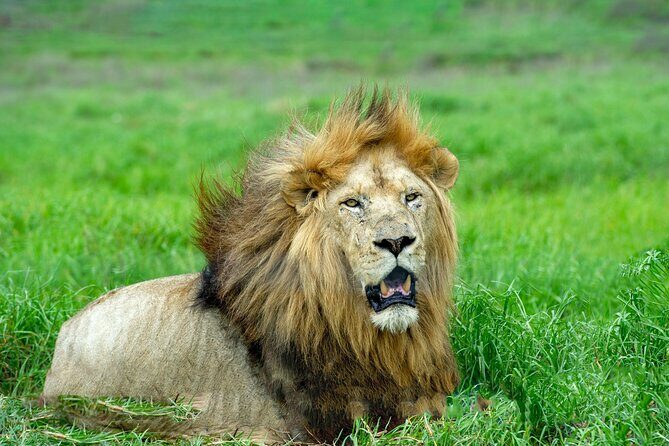
Then comes the main event: Serengeti National Park, with several dedicated days for game drives. You’ll stay at Serengeti Heritage Luxury Camp while you base yourself in the park area. That matters because it keeps you from spending your prime viewing hours commuting long distances.
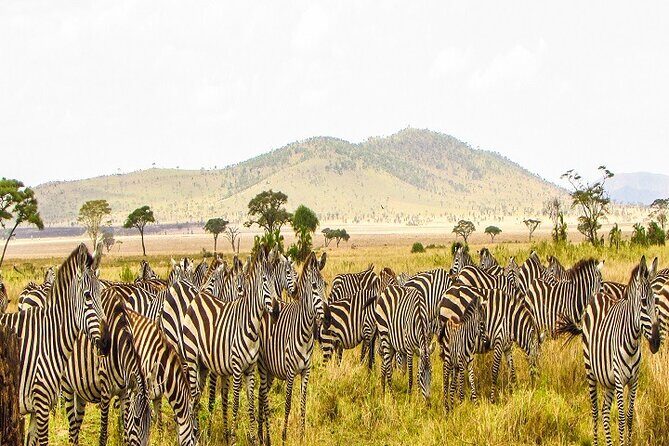
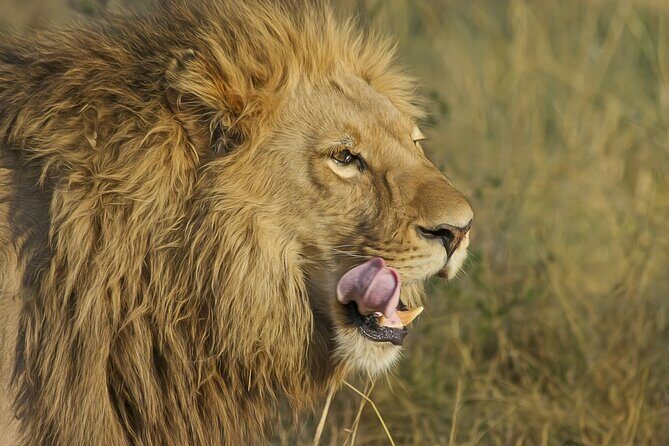
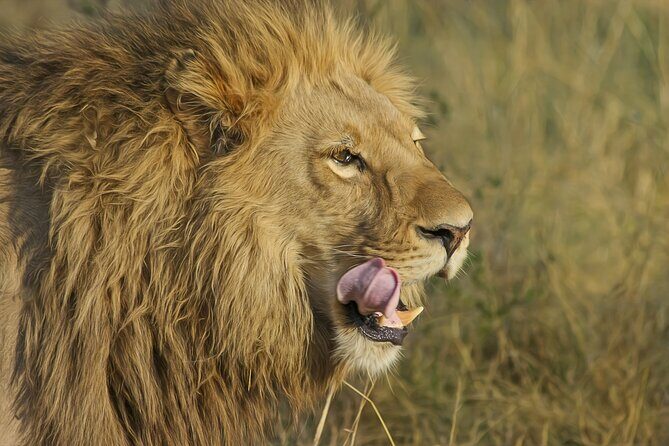
The big promise here is built around the Great Migration. Serengeti is famous for the movement of wildebeest and zebra, and the tour is designed to put you where those events happen (timing can still affect exact sightings, but the planning target is clear). This is also where the “Big Cats” fantasy turns real: lions, cheetahs, and the chance of leopards are part of the daily mix in this kind of game-drive schedule.
What to Expect on Serengeti Days
Across the multiple days in Serengeti, the structure stays similar: game drives in different areas, time to look carefully, and a return to camp for a proper night’s rest. With guides navigating the park, you’re not just driving in circles. You’re using local skill to increase your odds of finding the animals that day.
I also like that the schedule doesn’t act like every day must produce the same photo. You get room to see varied animal behavior: grazing herds, cat activity, and the small things that make a safari feel alive. If you’re serious about photography, those differences between days are gold.
A Practical Note on Long Days
Each Serengeti day is listed at about 8 hours. That’s normal safari time, but it’s still a commitment. Bring a hat, sun protection, and something warm for early morning or late afternoon if you’re the type who gets cold easily. Also, don’t underestimate how much dust and heat can affect your comfort—your viewing will be better if you feel good.
You can also read our reviews of more evening experiences in Arusha


Ngorongoro Crater Descent: The Day Wildlife Feels Like It’s Everywhere
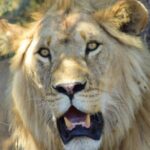
On day six, you shift from Serengeti to the Ngorongoro Conservation Area, and the highlight is the Ngorongoro Crater. This is a UNESCO World Heritage Site, and the whole point of the crater is density. Instead of searching across endless plains, you descend into a natural caldera that concentrates animals in a smaller area.
The day is described as a crater descent followed by game drives in search of the Big Five-style cast—elephants and lions, plus the possibility of black rhinos and other species. That rhino angle is a major reason people want Ngorongoro in their safari week. Even when sightings aren’t guaranteed (nothing in wildlife is), the crater is one of the most famous places on Earth for this kind of encounter-style safari.
You’ll then retire to accommodation overlooking the conservation area landscape (the schedule notes you’ll be able to marvel at the view at the end of the day). For me, that’s an underrated part: after long drives and serious looking, being able to slow down and watch the sky is part of the payoff.
The only “consideration” here is energy planning. Crater days can be intense, and the schedule still keeps things at a full-day pace (listed around 6 hours for the segment in the provided outline, but the day itself still includes descent and drives). Go in expecting you’ll want that final quiet moment.
Culture Add-On: Maasai Insights, Not Just a Photo Stop
This safari is also designed to include engagement with the Maasai tribe, focusing on culture and traditions. In safari terms, this kind of stop can be meaningful because it gives you a human frame for what you’re seeing in the wild.
That said, don’t assume it’s the same for every departure or every itinerary variation. If culture time matters to you, ask ahead about what you’ll do and how long you’ll spend—so it doesn’t become a rushed check-the-box interaction. When it’s handled well, it adds context to land use, wildlife stories, and community life.
Lodges, Camp Comfort, and What “Midrange” Really Means
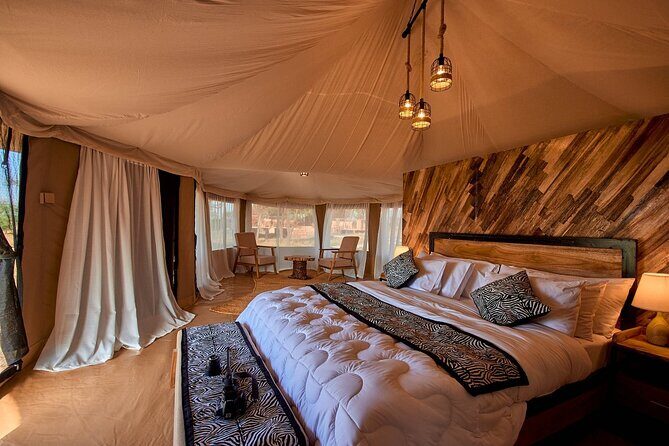
The tour is built around midrange lodges and camps. You won’t be living like you’re in a mega-resort, but you also shouldn’t feel like you’re “roughing it.” That balance tends to be ideal for a safari week: comfortable beds and real meals so you can focus during drives.
The one camp named in the plan is Serengeti Heritage Luxury Camp, and that level of detail is helpful. You know you’re not sleeping in a vague “camp” that could be anything. For the other nights, the outline describes midrange accommodation in general terms and notes views in Ngorongoro.
If you have specific comfort needs—hot water, plug access, room heating—don’t guess based on photos alone. Ask the operator what’s typical for your exact lodging category.
Value for $4,700 Per Person: What You’re Actually Buying
Let’s talk value honestly. At $4,700 per person for 7 days (about 6 nights), you’re paying for a private safari setup, multiple park days (including Serengeti time), and a package that lists all fees and taxes plus park admission coverage. Meals are included: 7 breakfasts, 7 lunches, and 6 dinners.
That matters because safari add-ons can creep up fast when you have to pay entrance fees, arrange meals, and manage logistics separately. Here, the structure reduces decision fatigue. You can focus on wildlife and not on constant small payments.
What’s not included is also clear:
- visa
- medical insurance
- local and international flights
- tips to guides
- accommodation before and after safari
So the real value question is whether you’re already planning to handle those items anyway. If you’d be booking flights and hotels separately, this package can look like a clean way to bundle the safari portion. If you’re relying on everything to be fully covered, you’ll need to budget for the missing items so you don’t get surprised.
Timing, Pickup, and How to Make This Week Feel Easier
The tour starts in Arusha with a start time of 8:00 am. You’re also told pickup is offered, and the activity ends back at the meeting point. That back-to-Arusha finish can be helpful: you don’t need to stitch the last day together with extra transport.
One more practical point: confirmation is received at booking time, and you’re issued a mobile ticket. That’s useful if you hate last-minute paperwork.
For day-to-day sanity:
- pack layers for early mornings and warmer afternoons
- bring a refillable water bottle
- assume you’ll spend lots of time in the vehicle
- plan light for evening activities, because you’ll want sleep before early drives
Should You Book This 7-Day Big Five Midrange Private Safari?
If you want a private safari with midrange comfort, multiple serious days in Serengeti, and a dedicated Ngorongoro Crater experience, this is a strong fit. I especially like that it’s structured for wildlife time rather than trying to cram everything into one or two long days.
You might think twice if you hate long drives or you’re traveling with very limited tolerance for heat, sun, or dust. Also, if you’re on a strict budget, the price can feel high until you compare it to what’s included: meals, fees/taxes, and admission coverage add real value.
My recommendation: book it if you want a well-paced safari week with solid comfort, and you’re okay with the vehicle time. If your dream safari is about speed and minimal transit, then consider a shorter trip or a plan with fewer park days.
FAQ
What city does this safari start in, and what time?
It starts in Arusha, Tanzania, and the start time is 8:00 am.
How long is the safari?
It runs for about 7 days (6 nights).
Is this a private tour?
Yes. It’s a private tour/activity, meaning only your group participates.
What does the tour include for meals?
The package includes 7 breakfasts, 7 lunches, and 6 dinners.
Are park fees and admission tickets included?
Yes. The tour lists all fees and taxes, and the itinerary shows admission ticket free.
What about accommodations before and after the safari?
Accommodation before and after the safari is not included.
What is not included besides flights and lodging?
Not included are visa, medical insurance, local and international flights, and tips to guides.
Do they offer pickup?
Pickup is offered.
What ticket format do I receive?
You receive a mobile ticket.
What happens if I cancel?
This experience is non-refundable and cannot be changed for any reason. If you cancel or ask for an amendment, the amount you paid will not be refunded.
If you want, tell me your travel month and what you care about most (Big Cats, migration, rhinos, photography, or comfort), and I’ll help you sanity-check whether this timing-style plan matches your priorities.