REVIEW · ARUSHA
4 days Tanzania Camping Safari
Book on Viator →Operated by Makanjanja safaris · Bookable on Viator
Safari nights feel closer to the wild. This budget Tanzania camping safari runs the northern circuit with mobile tents and game drives across Tarangire, the Serengeti, and the Ngorongoro area, with a real shot at big-season drama like the wildebeest migration. I also like the way the trip is built around constant wildlife time, not just quick stops, plus the chance to get a guide like Abouh, who’s praised for clear animal explanations and knowing the roads.
One thing to consider: this is an adventure-style setup, so the comfort level is more basic than lodge safaris. If you’re counting on a super plush bed every night, you’ll want to adjust expectations and pack for cold or damp evenings in the bush.
In This Review
- Key Highlights You’ll Feel Immediately
- A Budget Safari That Still Lets You Feel the Real Tanzania
- Day-by-Day Rhythm: Why This Route Works (and When It Doesn’t)
- Tarangire National Park: Where Big Cats and Elephants Mix Together
- Ngorongoro Viewpoint, Maasai Village Option, and the Serengeti Sunset Shift
- Day 3: Early Game Drive, Then More Sightings During the Transition
- Day 4: Descend for Black Rhinos and Finish Strong
- Mobile Tents, Camping Gear, and What Your Nights Actually Mean
- Price and Value: What $950 Gets You (and What Doesn’t)
- The Guide Factor: Why Abouh’s Name Keeps Coming Up
- Who Should Book This Camping Safari (and Who Might Want a Different Style)
- Should You Book This 4-Day Tanzania Camping Safari?
- FAQ
- What parks does this 4-day safari visit?
- Where does the safari start and what time?
- How long is the tour?
- What is included in the price?
- Is airport transfer included?
- Does the tour include camping gear and meals?
- Is a Maasai village visit included?
- Are tips, flights, or visas included?
- What is the cancellation policy?
Key Highlights You’ll Feel Immediately
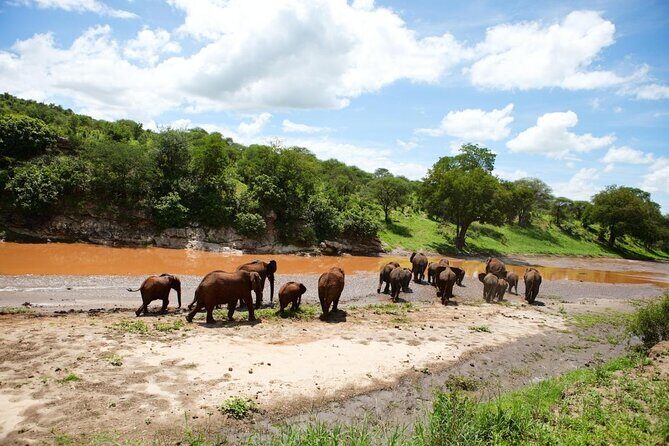
- Mobile tent camping in the wild keeps you sleeping close to the action (and rangers).
- Tarangire full-day drives maximize chances for cats and the big herbivore parade.
- Ngorongoro views + Serengeti sunset give you two very different wildlife moods in one day.
- Black rhino focus on Day 4 makes the crater mission feel real, not just scenic.
- Small group size (max 15) helps keep the pace calmer on a shared safari.
A Budget Safari That Still Lets You Feel the Real Tanzania
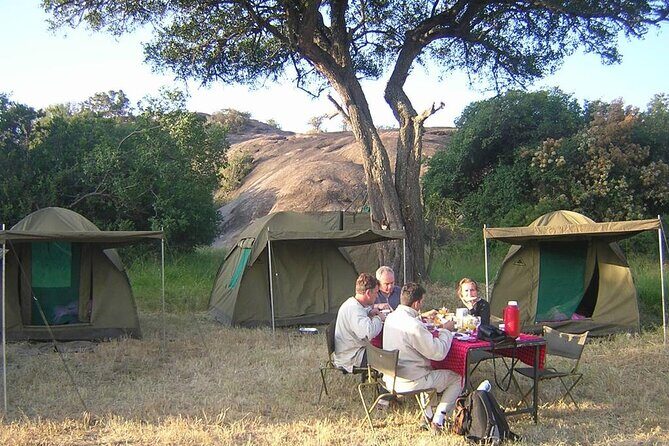
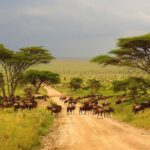
This 4-day camping safari is a classic northern circuit route: Tarangire for the wildlife hits, Ngorongoro for the crater drama, then the Serengeti for sweeping plains and predator moments. The best part for your time is how it’s structured so you’re not spending all day in a van. You’re out on drives for long blocks and you get multiple chances to spot animals in different habitats.
The price point also matters. At $950 per person, you’re paying for the full “core package” (park entrances, camping equipment, meals, and an airport transfer). You’re not buying a separate pile of tickets every time the road turns into a gate.
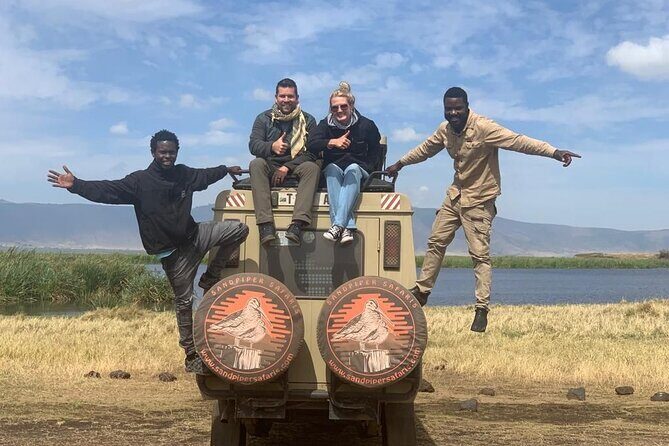
The tour runs from Arusha Airport at 7:30am, and you’ll share the safari with other travelers in a group capped at 15. That size is big enough to keep logistics workable, but small enough that you’re usually not lost in the shuffle.
A few more Arusha tours and experiences worth a look
Day-by-Day Rhythm: Why This Route Works (and When It Doesn’t)
This safari is built on timing. Wildlife is never guaranteed, but the sequence helps you cover three of Tanzania’s most distinct zones without wasting whole days. You start in Tarangire, move into the crater viewpoint and culture option, then shift into Serengeti for afternoon-to-evening viewing. The next morning leans early again, then you finish with the black rhino attempt before heading back toward Arusha.
A practical reality: you’ll spend long hours driving between parks and within park circuits. That’s normal on this route, especially with crater logistics and game drive timing. If you’re the type who gets stiff on day trips, bring something for your back and keep expectations flexible.
Tarangire National Park: Where Big Cats and Elephants Mix Together
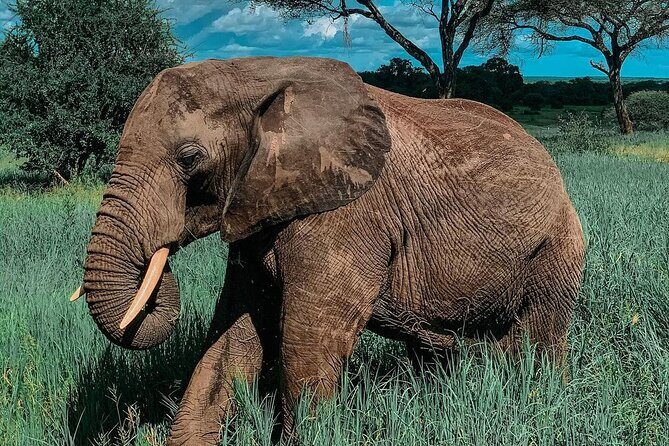
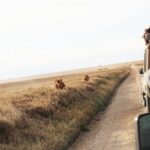
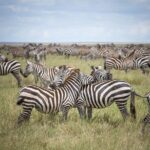
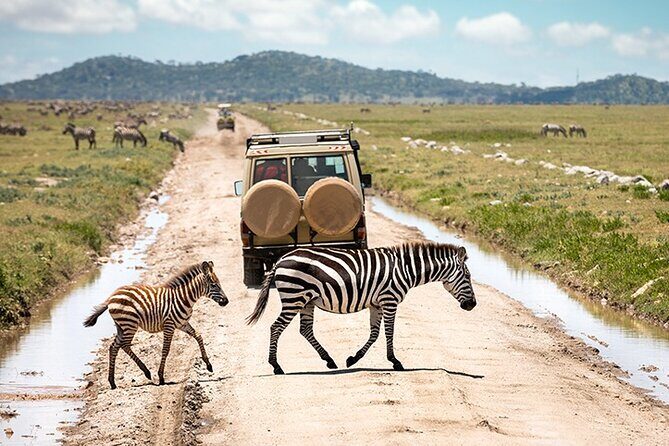
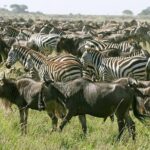
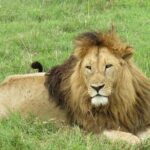
Day 1 is a full day game drive in Tarangire, with about 6 hours on the hunt for wildlife (lions, cheetahs, and leopards are the headlines). Tarangire also shines for variety. You’ll likely see the classic crowd: elephants, wildebeest, buffaloes, zebras, and gazelles.
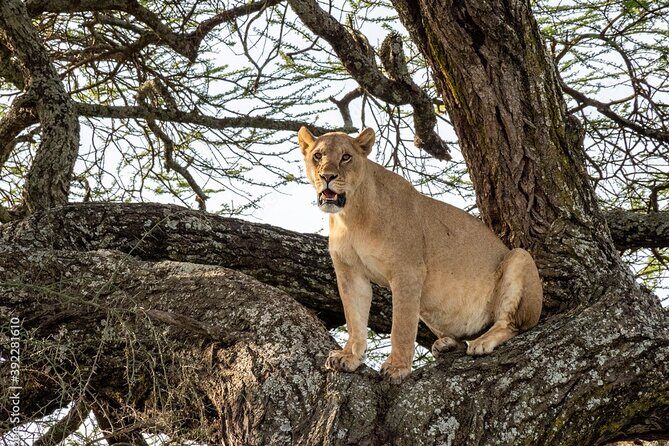
What I like about starting here is the energy. Tarangire can feel like a warm-up act that still delivers real action, especially when you’re focused on predators. Even when a cat hunt doesn’t play out, you often get great “food chain in motion” moments—herbivores keeping watch, groups shifting direction, and the tension that builds before something happens.
One small tip for your experience: plan to stay patient. In a day like this, your best photos usually come after you notice patterns—like where animals keep returning to watering areas or where predators are using cover.
Ngorongoro Viewpoint, Maasai Village Option, and the Serengeti Sunset Shift
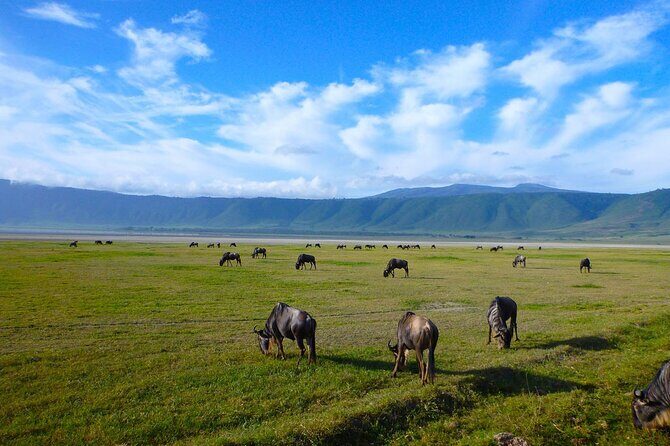
Day 2 blends two major moods: crater beauty from above, then Serengeti energy later in the day.
First, you’ll stop at the Ngorongoro viewpoint for about 20 minutes. The goal here is simple: get your first crater look and let it set the tone. From the viewpoint, everything feels tighter and more dramatic. It’s one of those moments where you can’t rush your phone shots because the scale keeps pulling your eyes back.
Next comes an optional Maasai village visit (about 45 minutes). It’s not required, but you can choose it if you want a cultural stop. The entrance fee is $20, and the visit includes context about Maasai traditions. The note that drinking raw animal blood is linked to older practices (with exceptions) is worth keeping in mind so your expectations stay grounded.
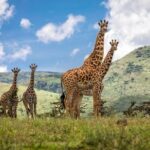
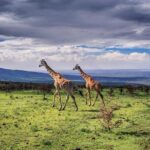
Then the day turns toward the Serengeti. You’ll arrive in the afternoon and do a game drive in Seronera, aiming for late afternoon into evening. This is a smart timing choice. In the Serengeti, sunset hours often bring calmer animal movement and great predator chances—because animals are more active about feeding and positioning.
You’ll end up at a campsite in the Serengeti area. The good part is that you don’t have to wait until morning to see animals. From camp you can still spot wildlife, and hyenas are commonly seen. The tour also notes close protection from active rangers, which is key for peace of mind when you’re camping in the wild.
Day 3: Early Game Drive, Then More Sightings During the Transition
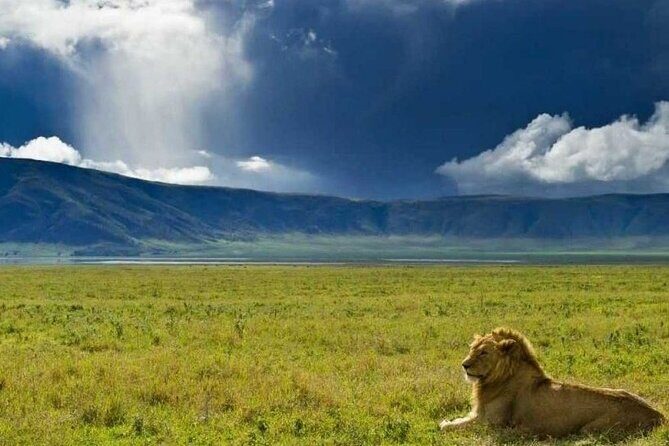
Day 3 starts early with breakfast, followed by an early game drive back in the crater area. This is where the schedule starts to feel serious. Crater driving can be intense because there’s so much to see in a concentrated space, and early hours often mean better chances for animal activity.
After lunch, you’ll do more game driving while you shift toward the Simba campsite. The idea here is to keep the wildlife time going instead of treating the transition as dead time. The tour also points out that you can still spot animals on the campsites during this stretch.
If you’re thinking about logistics, here’s what matters: you’ll get more sightings by being flexible with your “break time.” A safari like this works best when you treat transitions as part of the adventure, not just the boring middle.
A few more Arusha tours and experiences worth a look

Day 4: Descend for Black Rhinos and Finish Strong
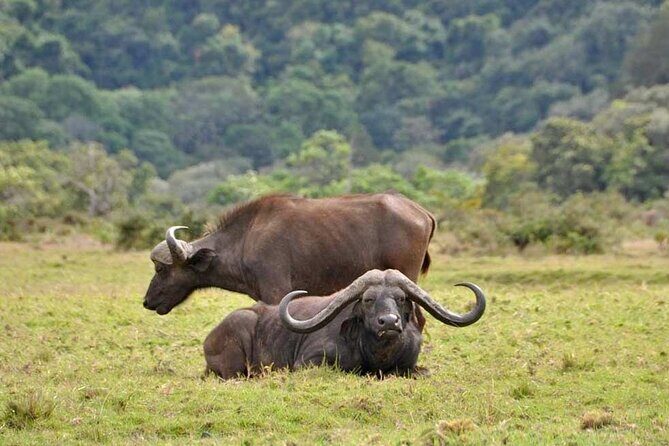
Day 4 is the mission day. After early breakfast, you’ll descend the Ngorongoro crater aiming to spot black rhinos. This is described as harder to see than many other animals. That makes sense for your planning: don’t assume you’ll definitely get it just because the crater is famous. Black rhinos are more difficult to spot, even in prime conditions.
The upside is that a crater floor can make sightings easier for many other animals because the terrain funnels movement. So even if the black rhino hunt requires patience, you’re still operating in a setting where you can get plenty of wildlife action.
After lunch, you’ll continue with a game drive, then ascend the crater to camp and pack for the trip back toward Arusha town. This closing structure is practical because it avoids ending with a long “just travel” day. Your final hours still include wildlife time, not only vehicle time.
Mobile Tents, Camping Gear, and What Your Nights Actually Mean
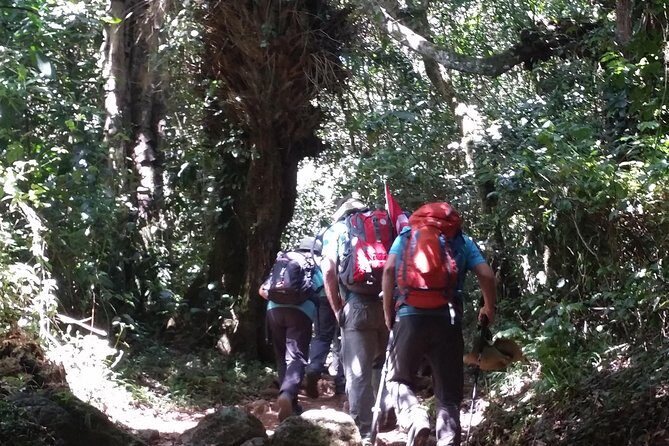
This safari uses adventurous mobile tents in the wild. Camping gear is included, including a sleeping bag and a sleeping mattress, so you don’t have to hunt down equipment on your own.
What camping changes is how you experience wildlife. You’re not just viewing animals from a vehicle. You’re living next to the environment where animals move. That can be thrilling, but it also means you’ll want to be comfortable with basic setup and the sounds that come with being outdoors.
The trip includes meals and bottled water daily—3 liters or more per day is listed. That’s not a small detail. On safari, dehydration is an easy mistake when you’re focused on spotting animals and forgetting to sip.
If you get the chance to camp where rangers are active nearby, it adds a layer of safety. The tour specifically mentions close ranger protection around camp time, which is a big deal when hyenas are around.
Price and Value: What $950 Gets You (and What Doesn’t)
At $950 per person, you’re getting a package that covers several major costs that can add up fast on your own:
Included:
- Park entrances and taxes
- Camping equipment (sleeping bag, sleeping mattress)
- Meals and water, including breakfast, lunch, and dinner
- Airport transfer
- Bottled water (3 liters or more per day)
Not included:
- Tips
- Flights
- Visas fee
Here’s how I’d frame the value for you: the expensive part of this safari isn’t only the vehicle. It’s paying for entry into multiple parks and sorting out the camping gear and meals. This plan bundles those essentials so you can focus on the safari itself.
Your best move is to budget for extras you control, especially tips and any personal spending. Also plan for optional add-ons like the Maasai village fee if you choose to stop.
The Guide Factor: Why Abouh’s Name Keeps Coming Up
In the feedback you’ve been given, one name shows up again and again: Abouh. People describe him as friendly and helpful, with strong animal knowledge and an ability to find the right roads. That matters more than it sounds.
On a safari, the “what” is the wildlife. The “how” is the driving choices—where the guide positions the vehicle, when they shift locations, and how they read animal behavior. A guide who understands the area can make your time feel efficient, even when sightings are unpredictable.
If you don’t get Abouh, you’ll still want to ask your guide how they handle routing and timing. For you, the goal is simple: maximize your daylight game drive value and keep the experience smooth for a group.
Who Should Book This Camping Safari (and Who Might Want a Different Style)
This tour fits best if you want:
- A true northern circuit route: Tarangire + Serengeti + Ngorongoro
- Camping with included gear
- A shared group experience with a small cap (max 15)
- Plenty of time on game drives rather than short, rushed stops
It may not fit as well if you need:
- High comfort levels like a lodge safari
- Guaranteed sightings for specific species (even black rhinos are described as hard to spot)
- A low-structure vacation where you can control every minute of the schedule
If you’re the kind of traveler who enjoys the “hunt,” the uncertainty, and the payoff moments, you’ll likely feel at home here.
Should You Book This 4-Day Tanzania Camping Safari?
Yes, if you’re aiming for good value and you’re excited by the camping style. This is the kind of safari where the day’s rhythm matters: long game drives, a real shift from crater to plains, and the chance to see wildlife from camp at night.
Also, consider your priorities. If you care most about seeing as many animals as possible across multiple ecosystems, this route makes sense. If you’re chasing one species only, I’d temper expectations—especially for black rhinos.
Finally, if you want the experience to feel well run, pay attention to the guide match. The positive energy around Abouh is a strong sign you’ll get solid animal explanations and smooth navigation.
FAQ
What parks does this 4-day safari visit?
You’ll visit Tarangire National Park, the Ngorongoro Conservation Area (including a crater viewpoint and crater descent), and Serengeti National Park.
Where does the safari start and what time?
The start point is Arusha Airport, with a start time listed as 7:30am.
How long is the tour?
It runs for 4 days (approximately).
What is included in the price?
Park entrances and taxes, camping equipment (sleeping bag and sleeping mattress), meals and water, and airport transfer are included.
Is airport transfer included?
Yes. Airport transfer is listed as included.
Does the tour include camping gear and meals?
Yes. Camping equipment is included, and the tour includes breakfast (3), lunch (4), and dinner (3), plus bottled water listed as 3 liters or more per day.
Is a Maasai village visit included?
It’s optional. If you choose it, there is a $20 entrance fee.
Are tips, flights, or visas included?
No. Tips, flights, and visas fee are not included.
What is the cancellation policy?
Free cancellation is available up to 24 hours in advance of the experience start time for a full refund.