REVIEW · ARUSHA
The Best 2-Days 1-night Tanzania Budget Group Joining Safari Tour
Book on Viator →Operated by Tanzania Serengeti Safaris · Bookable on Viator
A budget safari with real wildlife power.
If you’re aiming for Kilimanjaro, this quick Arusha-based trip is a strong on-ramp: you start with Tarangire game drives and end with the Ngorongoro Crater big sights. It’s set up as part of a bigger Kilimanjaro plan that references the Machame Route for a longer seven-day hike, so this short safari can get you used to the rhythm of the parks before you trade jeeps for trails.
I especially like two practical parts: meals and guide fees are built in, so you’re not constantly managing small add-ons while you’re trying to enjoy the day. And I like the pace that packs in sunrise wildlife time in Tarangire, then a full crater day with a packed lunch inside Ngorongoro—tight, efficient, and very “Africa safari” in feel.
One consideration: expect early starts and long drives. The pickup begins at 7:00 am, and the second day is set up for a sunrise game drive, so this is not a slow, lie-in style outing.
In This Review
- Key things to know before you go
- Arusha to Tarangire: a fast start with big-elephant odds
- Day 1 dinner and an overnight rhythm in a budget camp
- Tarangire at sunrise on Day 2: when the light is doing the work
- Ngorongoro Crater descent: the day’s headline moment
- Return to Arusha by late afternoon
- Price and what $642 buys you (and what it doesn’t)
- Group style safari: living with the schedule (and sharing the view)
- Kilimanjaro context: how a short safari fits the Machame plan
- Food plan and the stress you don’t have to manage
- What to pack for Tarangire and Ngorongoro in two days
- Who this safari trip suits best
- Should you book this 2-day 1-night joining safari?
- FAQ
- What is the meeting point for the tour?
- What time does the tour start?
- How long is the safari?
- Which parks are included?
- Are meals included?
- Is guide support included in the cost?
- Do I need to arrange flights for this experience?
- Is accommodation included?
- Is this tour refundable if my plans change?
- Who can participate in the tour?
Key things to know before you go
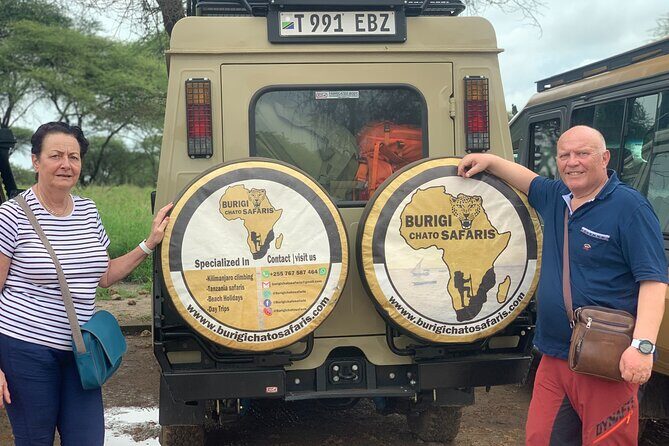
- 7:00 am pickup in Arusha from Shoppers Supermarket starts your day fast
- Tarangire + Ngorongoro in only 2 days for a high-sights ratio
- Meals included: breakfast (1), lunch (2), dinner (1) for less budget stress
- Guide fees included to keep the cost clearer than many add-on-heavy options
- Group size up to 200 means it can feel lively and run on schedule rather than custom pace
Arusha to Tarangire: a fast start with big-elephant odds
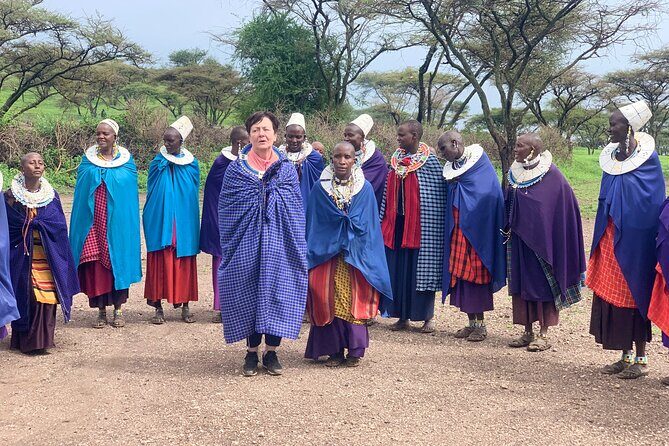
This is a two-day, one-night safari-style trip based out of Arusha, and it begins at Shoppers Supermarket. Pickup is at 7:00 am, and that matters because you’re not waiting around. You’re getting moving while the morning is still cool and animal activity tends to be higher.
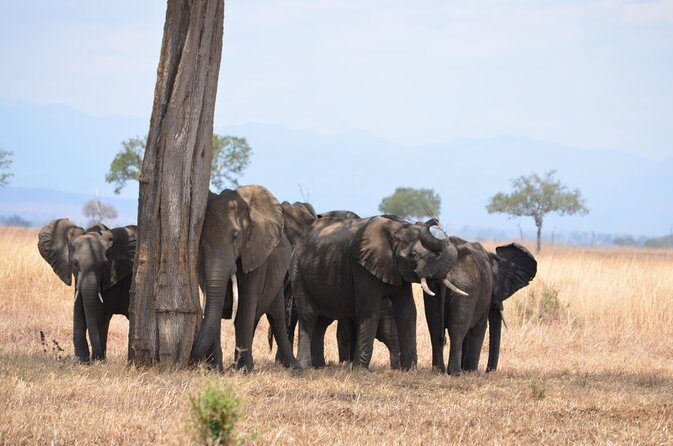
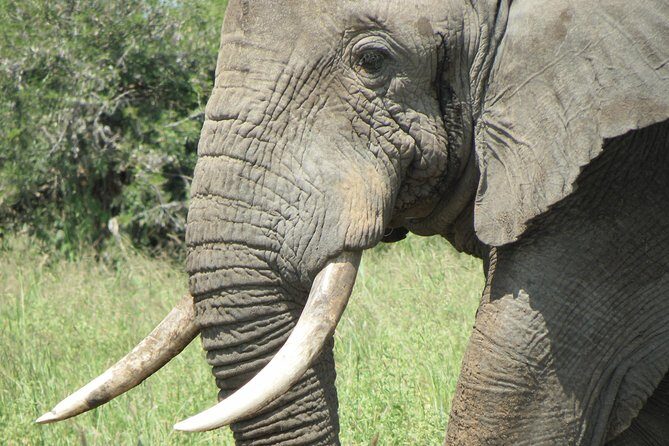
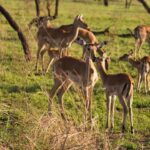
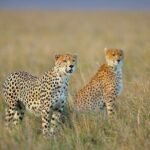
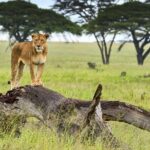
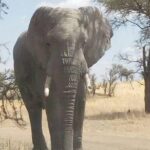
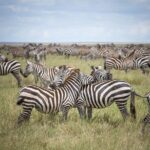
Your Day 1 centers on Tarangire National Park, famous for its elephant population and the feeling that you’re watching wildlife do normal wildlife things, not a curated photo-op. The day includes a game drive with chances to spot the usual cast—think lions, zebras, giraffes—plus the steady elephant presence Tarangire is known for. If you’ve never seen elephants up close in a park setting, it can be oddly moving how calm and grounded the herd can look, even while they’re very clearly in motion.
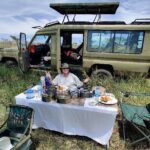
You’ll also have a picnic lunch in the park. That’s a real quality-of-day detail. Eating out on the savanna keeps you in the action instead of sending you back to town for a rest and a reset. It also helps explain the tour’s budget approach: you’re paying for time in the park, not time in transit and back-and-forth.
The tradeoff on Day 1 is that you’re going to be outside most of the daylight hours. Tarangire can be hot. Even if the day feels “doable,” you’ll want to plan for sun, dust, and enough water to stay comfortable between stops. If you’re someone who hates being in a vehicle for hours, you might find this itinerary a bit intense.
You can also read our reviews of more evening experiences in Arusha

Day 1 dinner and an overnight rhythm in a budget camp
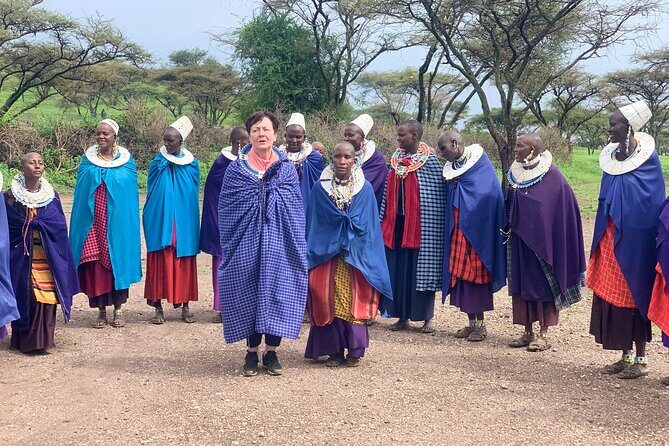
After your second stretch of game drive in the afternoon, the plan is to overnight in a budget camp. This is where you should match expectations with reality. A budget camp usually means simple rooms or tents, shared setups, and fewer comforts than a lodge.
Here’s what I’d advise: treat the overnight as recovery, not as part of the “vacation experience.” The main event here is wildlife and crater time. You’ll be better off packing sleep and comfort basics like you would for a rugged field day—earplugs if you’re sensitive to night sounds, and layers if temperatures drop.
One small caution: the trip listing says Accommodation Cost is not included, but the itinerary clearly includes an overnight in a budget camp. Because those two lines can conflict, I’d confirm during booking what’s actually covered for sleeping. If you already know you’ll be paying for extra nights or a specific accommodation upgrade, plan for it early.
Tarangire at sunrise on Day 2: when the light is doing the work
Day 2 starts with a sunrise game drive in Tarangire. This is the smart part of the schedule. Sunrise isn’t just a prettier time of day—it’s often when animals are more active and the park feels alive as temperatures begin to rise.
The game drive is paired with breakfast. Then you’ll head toward Ngorongoro Crater. This is a long-drive transition day, so breakfast is more than a meal. It’s energy for the shift from one park mindset to another: Tarangire feels open and spread out, while Ngorongoro feels like a natural bowl where everything is pulled in.
If you’re hoping to photograph wildlife, sunrise is where you’ll get workable light without baking at midday. If you’re not into photos, sunrise can still help your mood. There’s something about seeing the first animals of the day while the sky is changing that makes the safari feel more real and less like a checklist.
Ngorongoro Crater descent: the day’s headline moment
After the drive, you’ll go to Ngorongoro Crater and descend into it. This crater is widely described as the eighth wonder of the world, and the reason it lives up to hype is simple: the environment pulls wildlife into a compact area.
You’ll spend time experiencing the conservation area from inside the crater, which is where you’re more likely to see a dense mix of animals. The itinerary highlights abundant wildlife, and that’s the practical payoff of going down rather than viewing from the rim. In a crater setting, there’s less wandering space, and animals tend to be visible across the slopes and plains.
Lunch is included as a packed lunch in the crater area. That detail matters because it reduces decision fatigue. You’re not trying to find food options mid-safari. You stay focused on the drive, the sights, and the wildlife.
The main “drawback” here isn’t discomfort so much as intensity. Ngorongoro days can feel nonstop because the animals keep showing up where you’re looking. You might catch yourself watching for one more sight before you even realize how quickly time passed.
Return to Arusha by late afternoon
After your crater experience, you’ll depart and head back to Arusha, arriving by late afternoon. The tour ends back at the meeting point, Shoppers Supermarket.
This “back by late afternoon” finish is a real value piece. A lot of people underestimate how tired you get after two days of driving and wildlife attention. Ending in Arusha means you can plan a normal evening instead of needing to figure out transportation in a different location.
Also, this return timing helps if your longer Kilimanjaro hike logistics are lined up. You can get your basics together—gear check, restocking, and anything you need for the next segment of your trip.
A few more Arusha tours and experiences worth a look




Price and what $642 buys you (and what it doesn’t)
At $642 per person, the value depends on one big question: what do you compare it to? If you compare it to doing Tarangire and Ngorongoro on your own with separate guides and meals, this group format can make financial sense quickly.
What’s included helps explain the price:
- All fees and taxes are listed as included
- Guide fees are included
- Meals are included (breakfast 1, lunch 2, dinner 1)
Those items are where many “cheaper” trips quietly get expensive. Here, you’re less likely to be hit with lots of smaller line-items while you’re on the move.
What’s not included is equally important:
- Flights (local or international)
- Tips for guides
- Visa and medical insurance
- Personal needs
- Anything outside the itinerary meals and any confirmed lodging coverage
So I’d treat $642 as paying for the core safari components: park time, guides, and planned meals. If you’re also factoring in tips, travel insurance, and any extra Arusha night(s), your real budget will be a bit higher. Still, the “meals included” setup can make a noticeable difference.
Group style safari: living with the schedule (and sharing the view)
This is a group joining safari experience, and the maximum group size is listed as 200. In practice, that can mean two things:
1) You’ll move on the tour’s timing, not your personal rhythm.
2) You may share vehicle space and viewpoints with a lot of people.
That doesn’t automatically ruin the experience. Some people like the social energy. But if your ideal safari is quiet and private, a larger group format can feel less personal.
The flip side: group trips often lower the cost of guides and park access. That’s the whole point of a budget safari. Here, you’re paying for major parks and a structured day flow rather than a custom route.
My advice: come in with a “watch and enjoy, not micromanage” mindset. If you do that, you’ll get your money’s worth in animal time.
Kilimanjaro context: how a short safari fits the Machame plan
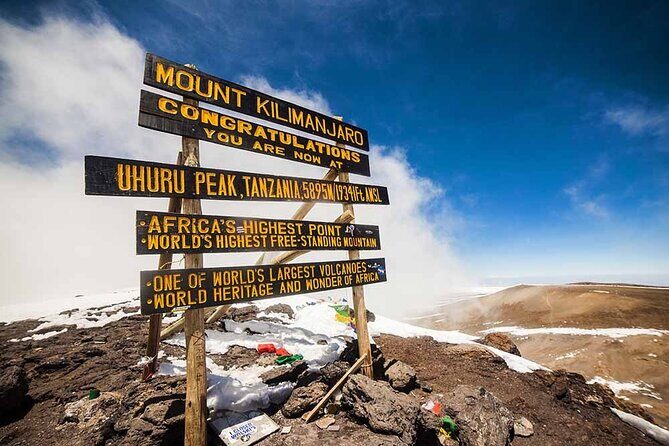
The tour description points to a longer Kilimanjaro hiking experience via the Machame Route, described as helpful for acclimatization. That’s important context because this short safari isn’t just a standalone nature weekend in your head—it’s positioned as part of your larger climb.
Even though your itinerary here focuses on Tarangire and Ngorongoro, the message is clear: get you into the Tanzanian groove before stepping onto a mountain route. You’ll learn the “always moving, always planning” style of Tanzania operations: early starts, scheduled meals, and trusting the guide team.
A smart way to use this: treat the safari as a mental rehearsal. You’ll learn how your body reacts to long hours outdoors and how you handle basic routine in a remote setting. That’s useful later when hiking on the mountain demands steady effort more than sudden bursts.
Also, the notes credit Burigi Chato Safaris Company Limited for professional assistance and a successful summit for multiple Kilimanjaro hikes. The provider listed for this experience is Tanzania Serengeti Safaris, so roles may differ, but the important practical takeaway is that strong support staff seem to be part of the overall operation you’ll be stepping into.
Food plan and the stress you don’t have to manage
The tour includes meals across the two days: breakfast, two lunches, and a dinner. That’s not just convenience. It can be budget control and energy management.
Why it matters:
- You won’t burn time hunting for food at odd hours.
- You can keep your hydration and energy consistent.
- Picnic lunch and packed lunch keep you inside park time.
This also changes your packing list. You might still want snacks for personal preference, but you’re not starting from zero. The tour is covering the scheduled fuel so you can focus on the sights.
What to pack for Tarangire and Ngorongoro in two days
The data doesn’t list a packing list, so I’ll stick to what the itinerary implies: lots of sun, dust, and time in a vehicle.
Bring:
- Sunglasses and sunscreen (Tarangire sun can be punchy)
- A hat that handles wind and bumpy road days
- A light layer for cooler mornings (especially with sunrise starts)
- Refillable water bottle
- Basic motion comfort: if you get car-sick, pack your usual fix
- A day bag that you can keep with you on game drives
If you’re continuing to Kilimanjaro later, start thinking about how you’ll separate “safari comfort” from “hike essentials.” This two-day safari is short, but it’s the kind of trip that can tempt you to pack everything at once. Don’t. Keep it simple.
Who this safari trip suits best
This experience fits you if you want:
- Big-name parks in a short window
- A clear schedule with included meals
- A budget-minded group format
- A warm-up for a future Kilimanjaro hiking plan (Machame route is referenced)
It’s less ideal if you:
- Want a quiet, private wildlife experience
- Dislike early starts and long drive days
- Need fully flexible timing (group tours run on set plans)
Should you book this 2-day 1-night joining safari?
I think you should book if you’re optimizing for park time + predictable costs. Two days can feel short, but the structure here is concentrated: Tarangire with daytime and sunrise game drives, then Ngorongoro with a crater descent and packed lunch inside. That’s a strong “value per hour” pattern.
Before you click confirm, do two quick checks:
- Ask what’s covered for the overnight specifically, since the itinerary mentions a budget camp but the listing also states accommodation cost isn’t included.
- Plan your extra budget for tips and anything personal (medical insurance, visa, and flights aren’t included).
One more practical point: this experience is listed as non-refundable and cannot be changed for any reason. So only book if your dates are solid.
If your schedule is firm and you’re okay with early starts and a group pace, this is a solid way to experience two of Tanzania’s most famous wildlife settings before you move on to bigger mountain plans.
FAQ
What is the meeting point for the tour?
The tour starts at Shoppers Supermarket in Arusha, Tanzania, and it ends back at the same meeting point.
What time does the tour start?
The start time is 7:00 am.
How long is the safari?
It runs for about 2 days and 18 hours 30 minutes (approx.).
Which parks are included?
Day 1 includes Tarangire National Park, and Day 2 includes Ngorongoro Crater.
Are meals included?
Yes. The tour includes breakfast (1), lunch (2), and dinner (1).
Is guide support included in the cost?
Yes. Guide fees are included, and all fees and taxes are listed as included too.
Do I need to arrange flights for this experience?
Yes. Local and international flights are not included.
Is accommodation included?
The itinerary includes an overnight in a budget camp, but accommodation cost is listed as not included, so you should confirm what your booking covers for sleeping arrangements.
Is this tour refundable if my plans change?
No. The experience is non-refundable and cannot be changed for any reason.
Who can participate in the tour?
Most travelers can participate.