REVIEW · DAR ES SALAAM
8 Days Safari to Mikumi NP, Ruaha NP and Nyerere NP + Isimila Stone Age Site
Book on Viator →Operated by African Pangolin Safaris · Bookable on Viator
One long road trip. Three major parks. Add a stone-age site and you get a safari that feels like a whole different Tanzania every couple of days. This route is interesting because it mixes Mikumi, Ruaha, and Selous/Nyerere-area wildlife with real culture stops like the Isimila Stone Age Site.
I especially love how this itinerary schedules strong viewing moments in the same place: late-afternoon game drives at Mikumi’s hippo pool, full days in Ruaha, then Selous days that change the game with both 4WD tracking and a Great Rufiji River boat safari. I also like that your days are built around practical wildlife rhythms—early starts for best activity, then drives when animals actually move.
One thing to consider: the driving is a big part of the experience. You’ll spend long hours on the road between parks (for example, around 5 hours to Mikumi and about 2.5 hours from Iringa to Ruaha), so it helps to be comfortable with a slower pace and fewer quiet breaks.
In This Review
- Key things that make this safari worth your time
- Why this southern Tanzania route hits different
- Day 1: Mikumi National Park and the hippo pool at golden hour
- Day 2: More Mikumi game time, then an overnight in Iringa
- Days 3–4: Ruaha National Park and the predator mix (plus kopjes and baobabs)
- Day 5: Isimila Stone Age Site (museum intro, canyon walk, and bird watching)
- Day 6: Selous Game Reserve and the long, wild road into remoteness
- Day 7: 4WD game drive plus Great Rufiji boat safari
- Day 8: Walking safari with an armed ranger, then back to Dar es Salaam
- Value and what your money is actually covering
- Transportation, timing, and comfort reality check
- What animals and moments to hope for (without forcing it)
- Who this safari suits best (and who should rethink it)
- Should you book this 8-day Mikumi, Ruaha, Selous/Nyerere, and Isimila route?
- FAQ
- What parks and sites are included on this safari?
- How long is the safari?
- What time does the tour start each day?
- Is pickup from the airport or hotel included?
- What is included in the price?
- Are park admission tickets included?
- What is the cancellation window for a full refund?
Key things that make this safari worth your time
- Open pop-up roof 4×4 in game reserves: you get better sightlines for photos and animal spotting.
- Mikumi sunset at the hippo pool: a classic timing choice that often pays off.
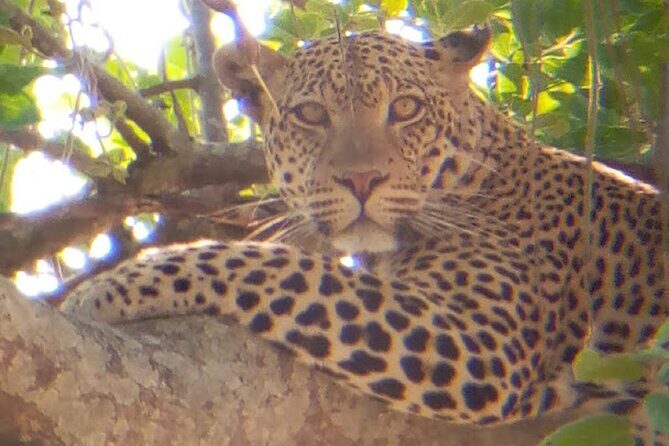
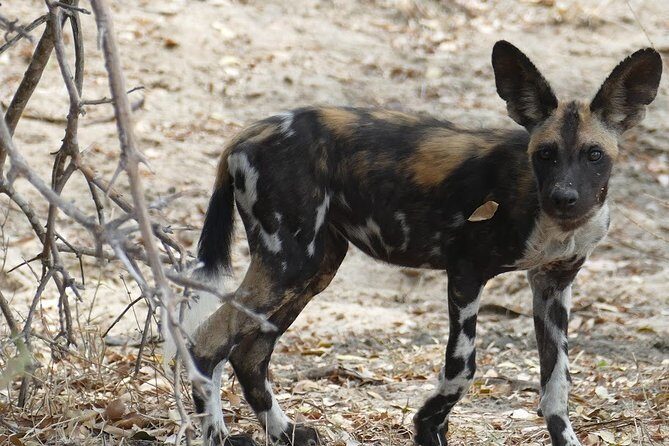
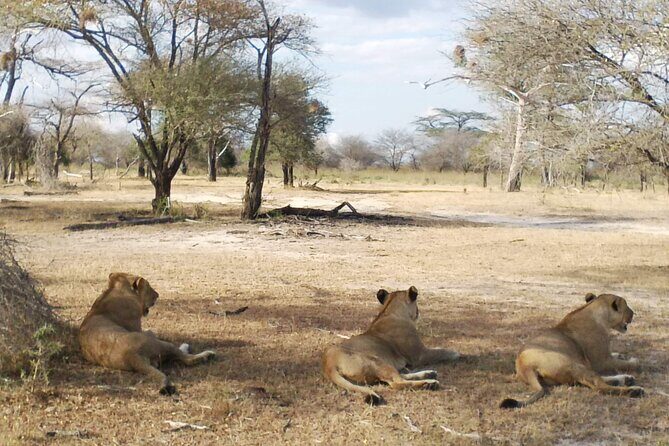
- Ruaha predator country: lions, cheetahs, leopards, striped and spotted hyena, plus highly endangered African wild dog.
- Isimila Stone Age Site with a guide on the canyon path: you see tools and how the rock formations shaped the finds.
- Selous/Nyerere-area boat safari on the Great Rufiji River: close views of hippo and crocodile plus heavy bird life.
- Walking safari with an armed ranger: a different kind of animal awareness than vehicle drives.
Why this southern Tanzania route hits different
This trip is built for people who want more than one “wildlife highlight.” You’re not just bouncing between parks for a checkbox list. You’re moving through three of the region’s most important game areas, each with its own feel and animal behavior.
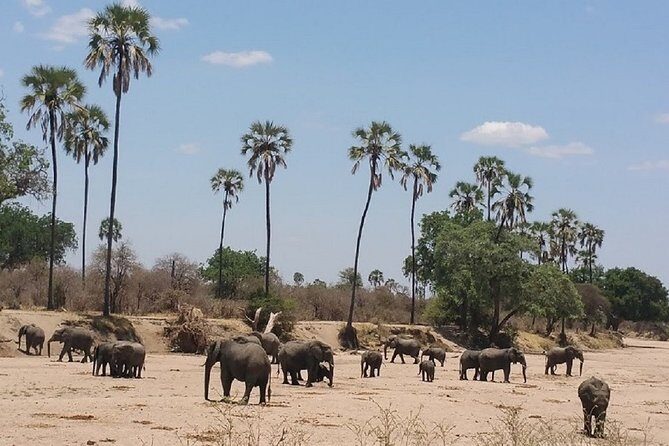
Mikumi kicks things off with an easier on-ramp. Ruaha is where the trip starts to feel more serious: rocky kopjes, ancient-looking baobabs, and a predator mix that can make you sit up straighter in your seat. Then Selous/Nyerere-area shifts the vibe toward real remoteness, with river action on the Great Rufiji.
And the Isimila stop keeps the day from being all about safari dust. You get a guided walk and museum context around the formation of the site and where stone-age tools were found.
A few more Dar es Salaam tours and experiences worth a look
Day 1: Mikumi National Park and the hippo pool at golden hour
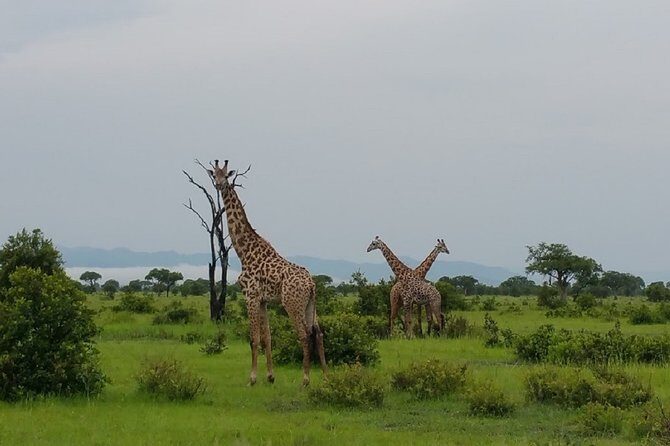
Your day starts with pickup from the airport, ferry terminal, or hotel, then a drive of about 5 hours to Mikumi National Park. There’s a lunch stop in Morogoro, which matters because the long road day can otherwise chew up your energy before your first wildlife moment.
Once you arrive, you go for an afternoon game drive. The timing is key: you’re aiming for sunset views at the hippo pool, which is exactly the kind of situation where animals come to water and you can actually watch behavior, not just spot a distant silhouette.
Practical tip: if you care about photos, this is when you’ll want your camera ready before the light drops. In places like Mikumi, the best animal activity can be brief, and you only get one sunset.
Day 2: More Mikumi game time, then an overnight in Iringa
Day 2 keeps you in Mikumi for a half day of game viewing. That’s a smart choice. Instead of trying to force two full days into one long transfer, you get another wildlife window before you switch regions.
After lunch, the plan is to drive to Iringa town for dinner and an overnight. This matters because it gives you a more comfortable base between parks. You’re also resetting your body for the next big move: heading to Ruaha.
If you’re the type who hates rushing, this day is a relief. You can enjoy wildlife without immediately facing another all-day road slog.
Days 3–4: Ruaha National Park and the predator mix (plus kopjes and baobabs)
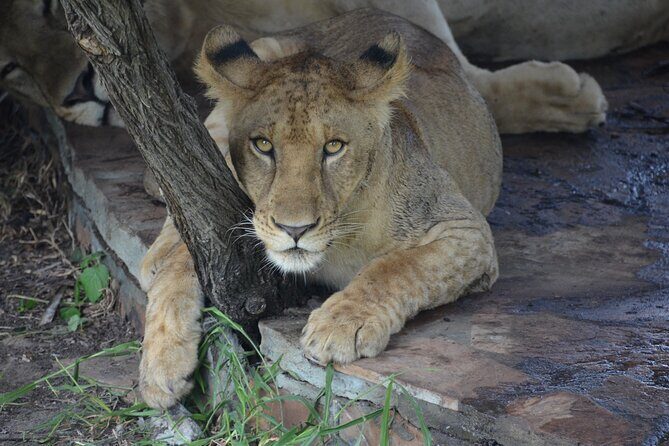
Ruaha is where this itinerary earns its reputation. After early breakfast, the drive to Ruaha’s gate takes about 2.5 hours from Iringa town. Once you enter, you’re looking at a full day game drive with stops in the park’s network of viewing roads along the Great Ruaha and seasonal tributaries.
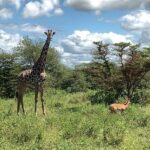
Ruaha’s appeal in this plan is the predator and prey pressure. You have chances to see impala and waterbuck near water during the dry season, and at the same time you’re in a park with lions that can be active in groups of 10-plus. The tour also flags cheetahs stalking open grassland and leopards hiding in riverine thickets, which is the kind of detail that helps you set expectations: you’re not just searching for “big cats,” you’re watching different hunting styles and habitats.
The plan even calls out striped and spotted hyena, plus several packs of highly endangered African wild dog. That list is ambitious, but it’s also exactly why Ruaha days tend to feel memorable—Ruaha has the ecological ingredients for those encounters.
Day 4 is another early start with a full day focused on different scenery: rocky kopjes and ancient baobab trees. Then you return to the lodge for dinner and overnight in the late evening. This second day in Ruaha is valuable because it gives your eyes time to adjust. Some days you’ll spot animals fast; other days you’ll notice tracks, behavior, and patterns that only reveal themselves after a couple of hours on the same routes.
Day 5: Isimila Stone Age Site (museum intro, canyon walk, and bird watching)
This is the cultural breather you didn’t know you needed.
After breakfast, you drive about 2 hours to the Isimila Stone Age Site via Iringa town. The tour begins at a small museum where your guide explains how the site formed and what fossils and tools display. That intro is useful because it turns the later walk from a scenic pause into something you can actually understand.
Then you head down a steep footpath into the canyon. Your guide points out tool beds where the finds were located and explains how the rock towers formed. The walk is described as scenic, with warm reddish earth tones, and it’s also mentioned as a good place to see birds.
Afterward, you return to the travel rhythm: drive to Iringa town for hot lunch, then continue to Morogoro for dinner and overnight.
If you want a safari that feels more than animal spotting, this day adds real texture. It’s also a good place to slow your pace after two heavy safari days.
Day 6: Selous Game Reserve and the long, wild road into remoteness
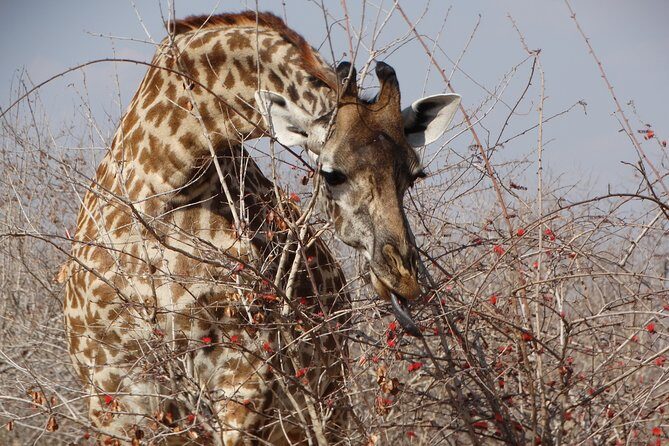
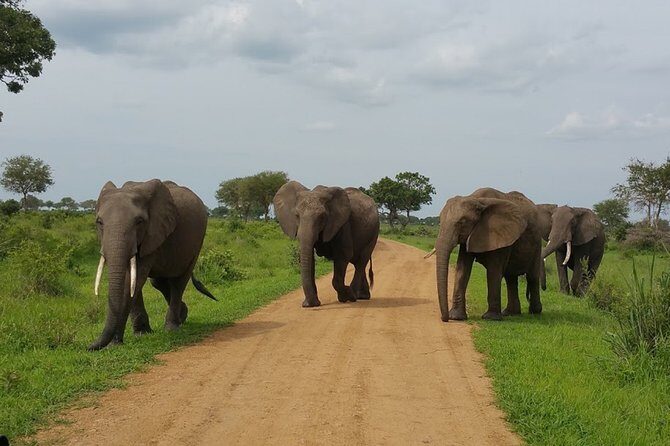
On day 6, you shift into Selous Game Reserve. The drive is described as tiring but “most rewarding,” and you can see why from the route details: you go up into the Uluguru Mountains, cross rivers, and pass through small local villages and farms.
That means you’re not just traveling through empty space. You’re traveling through working communities and changing terrain. When the roads finally lead you into the reserve, it can feel like someone shut off the modern world behind you.
You arrive for an afternoon game drive until sunset. This is a good way to start in Selous because animals often respond to light and water movement. Starting in the late day also gives your guide time to assess the best areas for the next day’s plans.
Day 7: 4WD game drive plus Great Rufiji boat safari
Day 7 is a two-part wildlife day, and it’s one of the biggest strengths of this itinerary.
First, you have an early breakfast and a half day game drive in Selous via a 4WD vehicle. The plan calls out the chance for good photographic opportunities and exploring different sections of the reserve. That matters because Selous is large, and seeing a variety of areas usually improves your odds of hitting different animals and different behavior.
You drive until 12:30, return for lunch, and then have a short nap until 16:00. That recovery time is not wasted. In safari country, afternoons can be hot and tiring, and boat safari stamina is real.
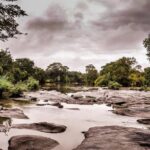
Then you go out for a boat safari along the Great Rufiji River until sunset. This is a high-signal wildlife format because you’re close to water at the exact time animals are moving. Expect close contact with hippo and crocodile, plus fantastic bird life. The plan even describes crocodiles gliding into the water as the boat approaches and hippos appearing very close, with grunting and steam-like blowing.
Practical tip: boat safari days are about comfort and timing. Dress for sun and possible splashes, and keep an eye on where you sit for the best viewing. Also, bring anything you need for sun protection since you’re on open water.
Day 8: Walking safari with an armed ranger, then back to Dar es Salaam
The final day starts early with a cup of tea or coffee, then you head out for a wilderness walking safari with an armed ranger. The walk lasts about 2 to 2.5 hours, and the big difference is how you pay attention.
Instead of only watching animals at distance, you’re learning to read what’s around you—footprints, droppings, and signs of small animals that you might miss during a vehicle drive. This format gives the safari a grounded, physical feel. Even when you don’t see a dramatic animal, you still notice evidence and behavior in the environment.
After the walk, you return for breakfast, pack up, and start the drive back to Dar es Salaam, with a lunch pack. You’re dropped off at your hotel or the airport for your next destination.
If you’re worried about feeling like “day 8 is only getting back,” don’t. Walking safari is often the one day people remember for the way it changes your awareness.
Value and what your money is actually covering
The price is $2,500.62 per person for an 8-day safari. That number can look big until you break down what’s included and what you’re not paying extra for.
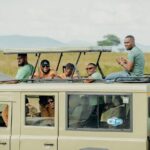
This package includes private transportation, a 4×4 tourist vehicle with an open pop-up roof, bottled drinking water, and accommodations as shown in the itinerary. Meal coverage is strong: you have 7 breakfasts, 8 lunches, and 7 dinners. It also includes all fees and taxes, which matters because park entry and related charges can add up fast on African safaris.
It’s also clear that the itinerary includes several formats, not just one. You get vehicle game drives in multiple parks, a museum-guided cultural visit at Isimila, a boat safari on the Great Rufiji River, and a walking safari led by a ranger. Those add variety and, more importantly, different ways to see wildlife.
What you should budget extra for: tips for your driver/guide and anything of personal nature. If you want a smooth experience, it’s wise to keep cash or a plan for tipping ready, since guides and drivers make daily timing work.
One more value angle: many people pay extra to add experiences like boat safaris or walking safaris. Here, the structure already schedules them.
Transportation, timing, and comfort reality check
Start time is 7:00 am, so plan your mornings around an early push. The itinerary is mostly full days, then travel days into the evening.
Expect long drives:
- Day 1 to Mikumi is about 5 hours plus a lunch stop.
- Day 2 continues with travel after lunch to Iringa.
- Day 3’s Iringa-to-Ruaha transfer takes about 2.5 hours before the first big game day.
- Day 5 includes the Isimila drive plus time in Morogoro afterward.
- Day 6 includes the Uluguru Mountains drive into Selous.
If you’re the type who gets antsy in a vehicle, you’ll want to bring snacks you’re comfortable with, water habits, and something to keep you cool and comfortable. The package does provide bottled drinking water, which is helpful.
Also, open-roof 4×4 days are great for wildlife viewing, but they can be dusty or windy. That’s not a deal-breaker—it’s just what comes with better animal viewing.
What animals and moments to hope for (without forcing it)
This itinerary sets you up for several wildlife “styles,” and knowing that helps you adjust expectations.
In Mikumi, you’re working around water activity, especially around the hippo pool. That means you’ll likely get better odds in late afternoon when animals come to drink.
In Ruaha, the plan emphasizes the predator mix and dry-season behavior near water. You’re also positioned for different habitats within the park because your road network follows the Great Ruaha and seasonal tributaries. That gives you repeated chances to see antelope, then keep an eye out for lions, cheetahs, leopards, and hyenas.
In Selous, the game drive and boat safari create complementary viewing. Vehicle drives are best for scanning and tracking behavior, while the boat safari focuses you on what’s happening at the river—hippo, crocodiles, and birds.
Finally, the walking safari is about signs and proximity to the smaller scale of wildlife. Even if a big animal doesn’t show up at exactly the perfect moment, you’ll still learn how the environment is “speaking.”
Who this safari suits best (and who should rethink it)
This tour fits you if:
- You want multiple major parks in one trip rather than just one reserve.
- You like a mix of safari formats: open-roof game drives, boat safari, and a walking safari.
- You want at least one real off-vehicle cultural stop, and you’d rather learn than just pass through.
You might want to reconsider if:
- You hate long travel days. Several legs are multi-hour drives, and day 1 is especially long.
- You expect a relaxed itinerary with lots of downtime. This plan is structured for daily activities, not rest-and-linger.
- You’re highly sensitive to dust and sun without the right gear, since open-roof days and boat time can be exposed.
Should you book this 8-day Mikumi, Ruaha, Selous/Nyerere, and Isimila route?
I’d book this safari if your main goal is variety and you want value tied to included activities. The biggest win is how the trip combines three different wildlife settings with two high-impact water-based experiences: the hippo pool timing in Mikumi and the Great Rufiji River boat safari in Selous.
It’s also a smart call if you enjoy learning. The Isimila stop isn’t treated like a quick photo stop. You get a museum intro and a guided walk down into the canyon.
If you’re still on the fence, ask yourself one question: are you comfortable trading “extra long drives” for “more chances to see different wildlife?” If yes, this route is a strong match.
FAQ
What parks and sites are included on this safari?
The itinerary includes Mikumi National Park, Ruaha National Park, and Selous Game Reserve (listed alongside Nyerere NP in the trip description), plus the Isimila Stone Age Site.
How long is the safari?
It runs for 8 days (approx.).
What time does the tour start each day?
The tour start time is 7:00 am.
Is pickup from the airport or hotel included?
Yes. Pickup is offered from the airport, ferry, or hotel, and you are also dropped off at your hotel or the airport at the end.
What is included in the price?
Included items are private transportation, all fees and taxes, accommodations as shown, a 4×4 tourist vehicle with an open pop-up roof, bottled drinking water, and meals (7 breakfasts, 8 lunches, and 7 dinners).
Are park admission tickets included?
In the plan, admissions are listed as free for the safari park days, while Isimila Stone Age Site admission is included.
What is the cancellation window for a full refund?
You can cancel up to 6 days in advance for a full refund.