REVIEW · MOSHI
Our Top 5-Day Kilimanjaro Marangu Route: 2025 and 2026 Updates
Book on Viator →Operated by AFRICA NATURAL TOURS · Bookable on Viator
This easy Kili route feels like training wheels. The trick is that the Marangu Route still climbs high, with hut accommodations every night, so you stay focused on moving (and not just surviving weather and gear).
I like that the schedule is beginner-friendly in feel, even while you’re gaining serious altitude. You’ll start in the rainforest, keep switching scenery, and end with a long green descent back toward Moshi.
What I really love is the day-to-day structure: a clear pace, proper meal coverage, and an official briefing before you go up. I also like that you’re picked up from your Moshi hotel to Marangu Gate and returned to Moshi after the walk, which cuts down on stressful logistics.
One consideration: the 5-day plan is tight. If you’re prone to altitude issues, you’ll need to take acclimatization seriously and listen to your guide, because there’s less slack time than on longer routes.
In This Review
- Key points I’d write on a Post-it
- Why the Marangu 5-Day Route works for first-timers
- Day 1: Marangu Gate rainforest to Mandara Hut (7 km, 4–5 hours)
- Day 2: Horombo Huts acclimatization day (11 km, 6–8 hours)
- Day 3: Horombo Huts to Kibo Huts semi-desert shift (10 km, 6–8 hours)
- Day 4: Summit day from Kibo to Uhuru Peak and down to Horombo (4 km up, 14 km down)
- Day 5: Horombo down through rainforest to Marangu Gate and Moshi (18 km, 6–7 hours)
- Price and logistics: what your $1,080 covers, and what it doesn’t
- The crew factor: why people keep naming the guides
- Fitness and pacing reality check for a 5-day ascent
- Who should book this Marangu 5-Day climb (and who should reconsider)
- Should you book this 5-Day Marangu Route in 2025 or 2026?
- FAQ
- What time does this 5-day trek start?
- How long is the hike?
- Is pickup included from Moshi?
- Are meals included?
- What about Kilimanjaro park fees?
- Do I need to bring my own gear and insurance?
- Is the trek guaranteed to run on any given day?
Key points I’d write on a Post-it
- Hut nights throughout: this is one of the few routes where you keep sleeping in built accommodation rather than pitching tents.
- A beginner-shaped rhythm: each day has a clear target, with rest built in at the key hut stops.
- Summit push is early and real: Day 4 is the big effort, with Uhuru Peak reached in pre-dawn hours.
- You get full food support: breakfast, lunch, and dinner are included while you’re on the mountain.
- Crew continuity matters: this operator’s guides and support staff are repeatedly praised by name in past climbs.
- You still budget for park fees: Kilimanjaro park fees are not included and are paid separately.
Why the Marangu 5-Day Route works for first-timers
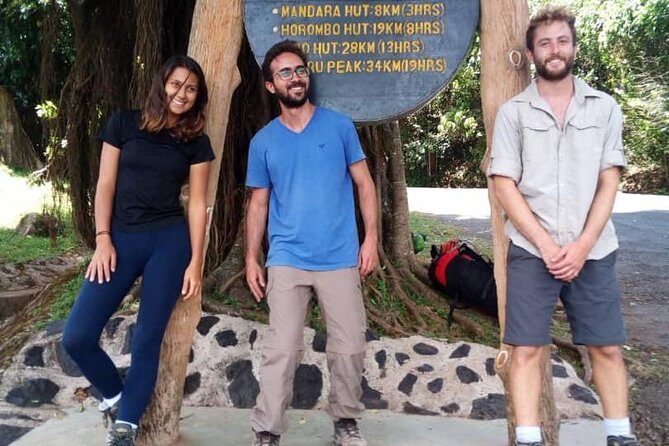
The Marangu Route is popular for a reason. It’s one of the most established paths up Kilimanjaro and it keeps the “comfort baseline” higher than tent-heavy options, since you sleep in huts/dorm-style lodging each night. For many first-time climbers, that alone removes a lot of uncertainty.
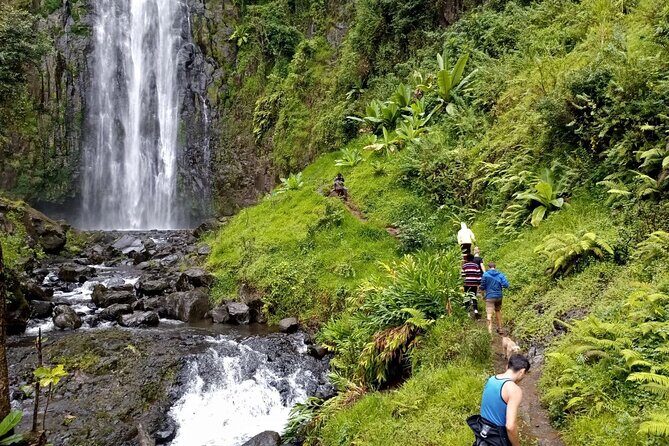
You’re also getting a full hiking arc, not just a straight grind. Day 1 starts deep in rainforest, Day 3 turns more semi-desert and rocky, and your final day drops back through green forest. That scenery shift does two useful things: it keeps your brain engaged, and it helps you mentally track that altitude change.
That’s also the practical truth behind why this route is often chosen for beginners: you can concentrate on hiking rhythm and breathing instead of constantly thinking about campsite logistics. Still, it’s not a “walk in the park.” The summit day is steep and cold, and your legs will feel it.
A few more Moshi tours and experiences worth a look


Day 1: Marangu Gate rainforest to Mandara Hut (7 km, 4–5 hours)
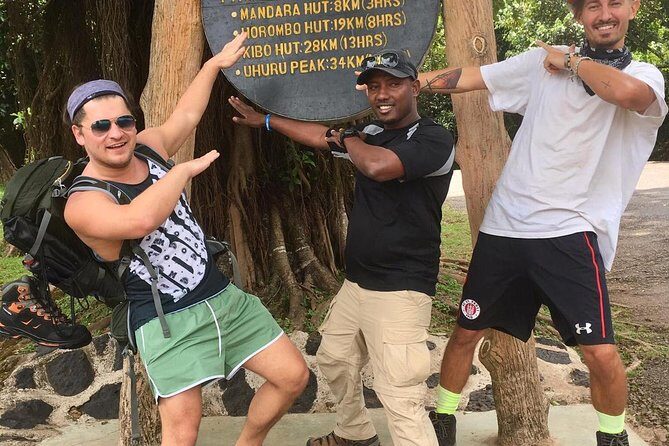
Your day begins around 7:00 am with registration at Marangu Gate and time to meet your professional guide. Then you head into rainforest for about 7 km, climbing from roughly 1,830 m to 2,740 m. Expect 4 to 5 hours of hiking at a steady effort level.
This is the day you’ll thank yourself later for taking calmly. Rainforest trails can feel forgiving, which tempts people to speed up. I’d avoid that. You’ll want an easy pace that lets you settle into altitude breathing so Day 2 doesn’t feel like a jump.
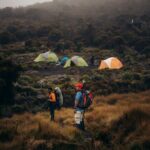
Mandara Hut is your first real “base” moment. It’s where you rest, eat, and get your summit mindset ready without rushing. One practical win here: your accommodation is already handled for you, so the only task is to manage your energy and sleep.
Possible drawback on Day 1: because it starts in lush forest, it can feel cooler at times under the canopy, and then you’ll still reach higher elevations. Dress in layers so you’re not guessing when temperature swings hit.
Day 2: Horombo Huts acclimatization day (11 km, 6–8 hours)
Day 2 moves you up to Horombo Huts at about 3,690 m. The walking target is around 11 km and typically takes 6 to 8 hours, with a gradual transition from rainforest into more open moorland.
This is your acclimatization checkpoint. You’ll feel the altitude more here than on Day 1, even if the walking is not the steepest of the trip. Horombo is where you learn the rhythm that will keep you moving on summit night and summit morning: slower steps, steady breathing, and a refusal to “catch up” with faster hikers.
When you arrive, you get time to rest and enjoy the views—plus the practical part: you’ll be preparing for a higher leap the next day. The more you treat Day 2 as a recovery day (even while it’s still a long hike), the smoother Day 3 usually feels.
If you’re someone who worries about being stuck on the mountain for multiple days, this is the day that helps most people relax. Horombo has the feeling of a real halfway point, not just a stop to sleep.
Day 3: Horombo Huts to Kibo Huts semi-desert shift (10 km, 6–8 hours)
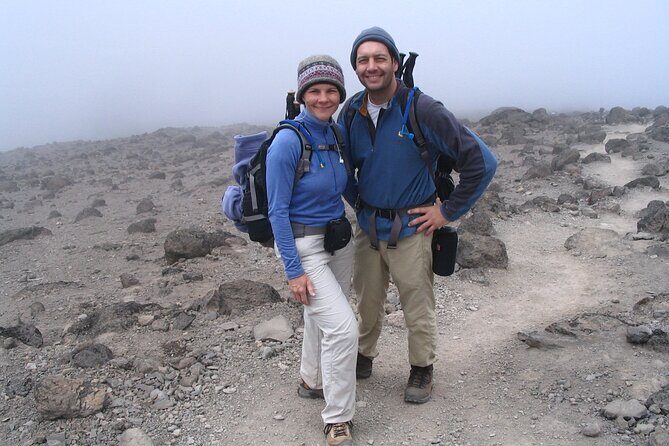
On Day 3 you climb from about 3,690 m to 4,695 m toward Kibo Huts. It’s around 10 km and often 6 to 8 hours of hiking.
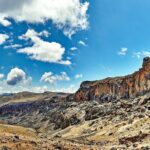
This is the day the mountain starts to look different. The terrain becomes more semi-desert: fewer plants, more rocky paths, and a more exposed feel. That doesn’t just change your scenery. It changes how you manage footing, energy, and sun exposure.
I’d plan to spend extra attention on your step cadence today. Rocky paths can waste energy because your feet are always adjusting. A slower pace is usually faster in the long run, especially when you’re heading toward a summit attempt.
Kibo Huts are where you rest and get ready for what comes next. You’re not just arriving at sleeping quarters—you’re arriving at summit staging. That means tightening up your plan: hydrate, eat well, and be ready for the early departure push on Day 4.
Day 4: Summit day from Kibo to Uhuru Peak and down to Horombo (4 km up, 14 km down)
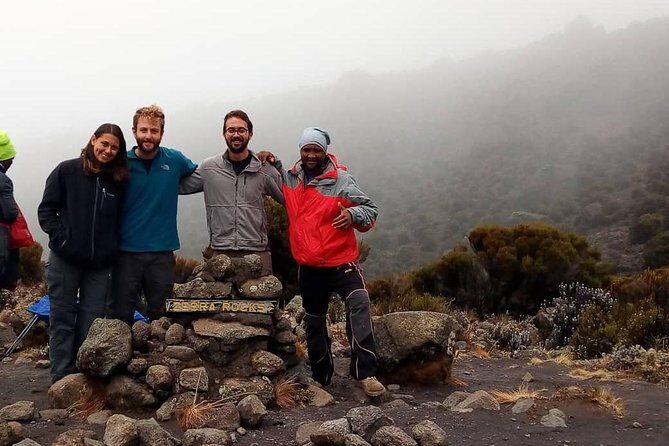
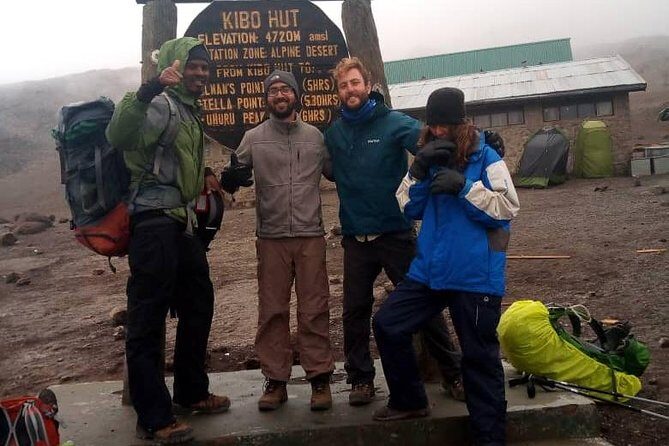
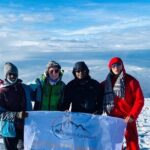
This is the day you came for. You depart early hours from Kibo Huts and ascend the final 4 km (about 2.5 miles) to Uhuru Peak, reaching roughly 5,895 m (19,340 ft). The summit hike often takes 5 to 7 hours.
Then you descend. You’ll cover about 14 km back to Horombo Huts in around 5 to 6 hours. That’s the part many people underestimate: the summit is the headline, but the descent taxes your knees and your muscles just as much.
If you want the practical strategy that actually helps: think about summit pacing as a controlled effort, not a sprint. The high altitude makes every step feel heavier, and stopping too often can waste time and energy. Your guide’s job is to keep you moving with a plan that matches your body.
This is also where the human support factor shows up in memorable ways. Past climbers associated with this operator have credited guides like Gabriel, Martin, Budah, Victor, Thomas, Noah, and Samson for calm, hands-on help during summit pushes. I’d take that as a signal to look for a guide who stays attentive and checks your condition, not just the route.
When you land back at Horombo, you’re done with the hardest work. Rest like it matters—because your Day 5 legs will depend on it.
Day 5: Horombo down through rainforest to Marangu Gate and Moshi (18 km, 6–7 hours)
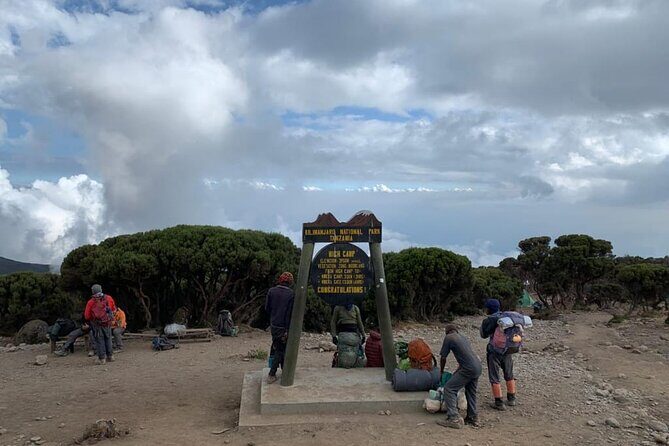
Your final day takes you from Horombo Huts back to Marangu Gate over about 18 km (around 11 miles). Typical hiking time is 6 to 7 hours, and you descend from roughly 3,690 m to 1,830 m.
Here’s the emotional shift: going down can feel like relief, but it can also feel long. Your body will still work, especially if your quads are sore from Day 4. The trail moving back through rainforest gives you a softer sense of place than the semi-desert days, with opportunities to see wildlife and enjoy the green scenery.
When you reach Marangu Gate, your trek ends and you’ll be transferred back to Moshi. This is the moment to celebrate properly: eat, rest, and let your body cool down after the altitude run.
One last practical note: Day 5 is where people forget hydration because the air can feel easier. Drink anyway. The descent is still a workout.
Price and logistics: what your $1,080 covers, and what it doesn’t
At $1,080 per person, the value depends on what you compare it to. For this price, you get a guided trek with key mountain supports: meals plus the mountain-side accommodation fees. You also get pickup from your Moshi hotel to Marangu Gate, a briefing, and a trekking certificate.
Included highlights:
- Breakfast, lunch, dinner during the climb
- Kilimanjaro hiking professional guide
- Briefing and trekking certificate
- Pick up from Moshi town to Marangu Gate
- Camping fees (listed in the package)
Not included items you’ll need to plan for:
- All Mount Kilimanjaro park fees
- Airport pickup/drop-off
- Hotel before and after in town
- Travel/medical insurance
- Flights
- Personal hiking gear
- Tips for the crew
My take on the budgeting: the biggest “gotcha” is usually park fees and your own gear. If you’re already bringing the right hiking kit and you’re comfortable arranging flights and insurance, the package price looks more reasonable. If you still need to buy major gear and you’re comparing against a deal that hides park fees, do the math carefully.
You should also know this is weather-dependent. Poor conditions can lead to a different date or a full refund, so you’ll want a flexible travel schedule.
The crew factor: why people keep naming the guides
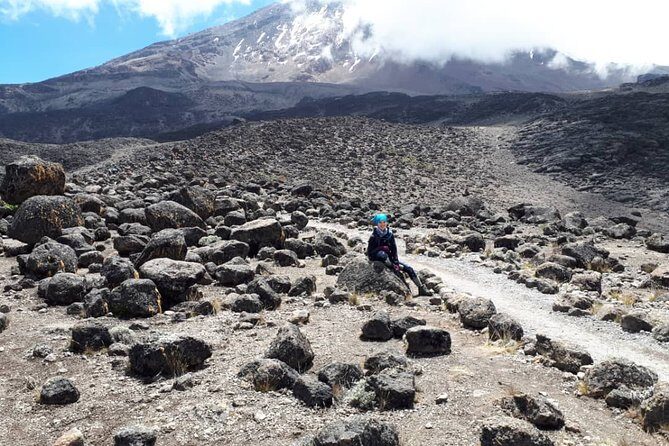
This operator shows up for people in the details. Multiple past experiences highlight guides who communicate well before, during, and after the hike, and crews that keep you feeling safe—especially if you’re traveling solo.
You’ll see names like Godfrey Ngaiza associated with management and communication, and climbing support credited to guides such as Victor, Thomas, Noah, Gabriel, Samson, Budah, and Martin. On the service side, names like Jackson and his team come up as part of the support crew.
Why this matters for you: on Kilimanjaro, the biggest danger is not just physical—it’s losing confidence when your energy drops. A strong guide helps you keep your pace, manage discomfort, and make smart decisions. That’s not fluff. It’s the difference between finishing the day feeling proud versus finishing it feeling frustrated.
If you’re nervous going in, this is the kind of crew reputation you want to see.
Fitness and pacing reality check for a 5-day ascent
This trek is listed for travelers with moderate physical fitness. That’s a fair label for the day length, but you should treat it like a minimum bar, not an automatic pass.
A 5-day summit attempt means:
- You hike long hours on multiple consecutive days.
- You gain altitude fast enough to feel it.
- Summit morning is intense, and the descent is still long.
So I’d recommend training that focuses on endurance and leg strength. You don’t need to be an athlete, but you do need legs that can handle hours of uphill and then hours of downhill the very next day.
Also remember: your schedule is only as good as your choices. Drink, eat, and slow down when altitude starts telling you to. If your breathing gets ragged, you don’t “push through” by force. You adjust.
Who should book this Marangu 5-Day climb (and who should reconsider)
This tour fits best if you:
- Want a beginner-friendly feel with hut accommodation at night
- Prefer more straightforward logistics than tent camping
- Like having meals provided so you focus on walking
- Plan to travel with a guide-led safety net
You might reconsider if you:
- Know you struggle with altitude quickly and need more time to recover
- Prefer a quieter, less structured route experience
- Want a long buffer for summit planning and rest days
The group size maximum is listed at 100 travelers, so it’s not a tiny private climb. Still, the real experience depends on how the operator manages group pacing and how your guide watches your condition.
Should you book this 5-Day Marangu Route in 2025 or 2026?
If you want the classic Kilimanjaro experience with hut stays and a strong support team vibe, I think this route deserves a serious spot on your shortlist. The biggest advantage is not just comfort. It’s that you can spend your energy on acclimatization and hiking rhythm instead of camp setup.
Book it if you’re ready to take altitude seriously and you’re okay with a tighter summit timeline. Don’t book it if you’re hoping Kilimanjaro will be “easy” because huts make it simpler. The mountain still runs the show.
If you want a practical decision tool: choose this route when you’re aiming for the best balance of structure, comfort, and a real shot at Uhuru Peak.
FAQ
What time does this 5-day trek start?
The start time is listed as 7:00 am.
How long is the hike?
The duration is listed as about 5 days.
Is pickup included from Moshi?
Yes. You get pickup from your Moshi hotel to Marangu Gate, and the experience ends with a transfer back to Moshi after the trek.
Are meals included?
Yes. Breakfast, lunch, and dinner are included during the trekking days.
What about Kilimanjaro park fees?
Mount Kilimanjaro park fees are not included. You can pay them directly to the park or via the tour operator.
Do I need to bring my own gear and insurance?
Yes. Personal hiking gears are not included, and travel/medical insurance is also not included.
Is the trek guaranteed to run on any given day?
No. The experience is weather dependent. If canceled due to poor weather, you’ll be offered a different date or a full refund.