REVIEW · MOSHI
Kilimanjaro Climb Marangu Route 6 days
Book on Viator →Operated by Kilimanjaro Safari Experience · Bookable on Viator
The midnight push to Uhuru Peak tests more than legs. This 6-day Kilimanjaro Marangu route moves from rain forest to moorland and on to the high-altitude Saddle, with an early summit start that aims you for the top of Kibo. I especially like the private transportation and the fact that filtered water is handled for you throughout the trek.
Marangu can feel gentle on paper, but the summit night is still a hard climb. Expect freezing cold and strong wind during the midnight ascent, and plan your body and head for that reality.
In This Review
- Key things I’d bet on
- Why the Marangu Route feels steady, even when it’s tough
- Moshi pickup and the calm before you climb
- Day 1: Rain forest to Mandara Hut (6,046 ft → 8,858 ft)
- Day 2: Moorland to Horombo Hut (8,858 ft → 12,205 ft)
- Day 3: Horombo acclimatization plus a Mawenzi Ridge walk
- Day 4: The Saddle and arrival at Kibo Hut (12,205 ft → 15,430 ft)
- Day 5: Midnight ascent to Uhuru Peak and sunrise at Gilman’s Point
- Day 6: Long rainforest descent to Marangu Gate and certificates
- How the $2,290 price adds up (and when it feels worth it)
- What to pack and what to expect to pay for yourself
- Who this Marangu 6-day climb suits best
- Should you book this Kilimanjaro Marangu route?
- FAQ
- How long is the Kilimanjaro climb on the Marangu route?
- Where does the trek start and end?
- Is pickup offered?
- What route is this?
- What’s the hardest part of the trek?
- Where is the accommodation during the trek?
- Are meals included?
- Is water provided?
- What’s not included in the price?
- What’s the cancellation window?
Key things I’d bet on
- Private support that handles the logistics: private transportation plus a trek flow that’s set up day by day.
- Water, meals, and hot wash time included: filtered water through the trek and hot water for washing.
- A real acclimatization buffer: the extra day around Horombo helps you cope with altitude before the big step toward Kibo.
- Views timed for dawn at Gilman’s Point: an early sunrise from the crater rim can be stunning if you’re positioned well.
- A crew that’s respected and treated well: the guide’s approach to his team is a standout in the feedback you provided.
Why the Marangu Route feels steady, even when it’s tough
The Marangu route is known for a slower, more gradual feel than some other paths. You go through distinct altitude zones in order: rain forest, heath/mountain moorland, then the alpine desert of the higher sections. That progression matters because altitude isn’t just about height—it’s also about what your body is doing while terrain changes.
I also like that Marangu builds in breathing room. You climb up from Mandara Hut toward Horombo Hut, then you get a true acclimatization day instead of pushing straight through. That extra day doesn’t make Kilimanjaro easy, but it gives you a better chance to arrive at the Kibo stage with less panic breathing.
Still, don’t let the word gentle fool you. This is a tough walking trip. If you’re not used to mountain walking and long days on your feet, you’ll feel it—especially when the trail turns into steep scree on summit night.
A few more Moshi tours and experiences worth a look
Moshi pickup and the calm before you climb
This trek starts in Moshi Urban, Tanzania, and pickup is offered, which is a big deal when you’re trying to keep your first day stress-free. You’ll handle park formalities at Kilimanjaro National Park before the walking starts at Marangu Gate, and having transport arranged privately reduces the chances of losing time.
One of the quieter benefits here is how the operation treats the people who make the trek possible. The package includes fair wages for the mountain crew approved by KINAPA. That doesn’t change the altitude, but it often correlates with smoother teamwork—people show up ready, not resentful, and you get a steadier climb.
The feedback you shared also highlights a guide named Shungu and a very people-first attitude. That shows up in how the team is described: respectful, coordinated, and focused on helping you handle the days ahead.
Day 1: Rain forest to Mandara Hut (6,046 ft → 8,858 ft)
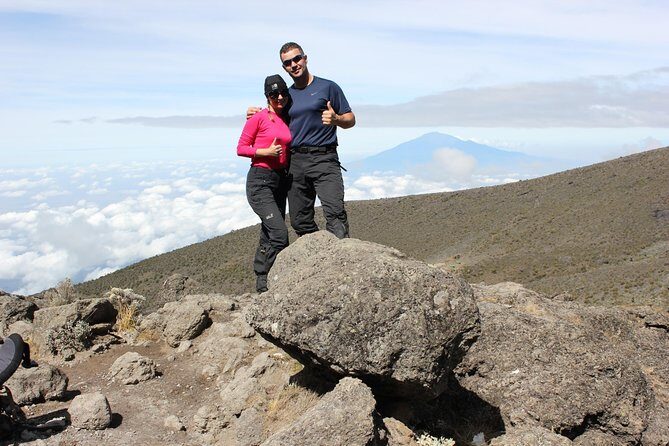
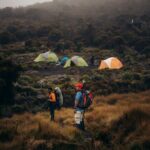
Your first day is about getting into the rhythm. The trail starts by climbing through tropical rain forest after you depart Moshi for Marangu Gate. This part tends to feel alive: the air changes with altitude, and the footing is more forgiving than later rocky sections.
A fun, specific detail on this day: at the upper edge of the forest line, you might spot blue monkeys. If you do, it’s a good reminder that Kilimanjaro isn’t just a “mountain view” package—it’s also a walk through real East African ecosystems.
You reach Mandara Hut after about 4–5 hours (around 8 km / 5 miles). The drawback is that Day 1 can tempt you into going too fast because the trail feels pleasant. I’d resist that. Save energy for the hours when everything becomes more effort per step.
Day 2: Moorland to Horombo Hut (8,858 ft → 12,205 ft)
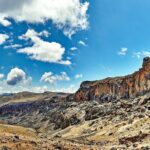
Day 2 shifts you out of the forest and into high moorland, where the air feels thinner and the scenery opens up. You’ll keep climbing for 6–8 hours over roughly 12 km / 7 miles, so this is where your body starts learning what Kilimanjaro actually demands.
This is also the day when many people get their first clearer views of the big volcanic players: Kibo and Mawenzi. Even if the horizon is cloudy some moments, you’re still working at the right altitude for gradual adaptation.
A practical caution: moorland can be deceptive. The trail may look less dramatic than later days, but long hours at altitude add up. Keep your pace steady, take short breaks, and don’t treat Day 2 like a fitness test.
Day 3: Horombo acclimatization plus a Mawenzi Ridge walk
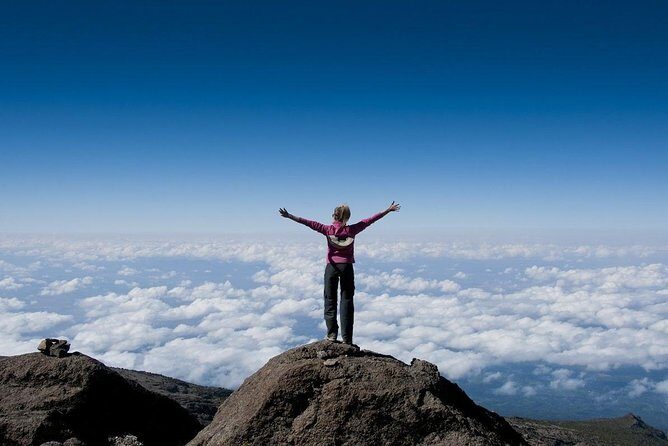
Day 3 is your “don’t rush” day. It’s built for acclimatization and includes a walk on Mawenzi Ridge, with motivating views back toward Kibo and Mawenzi. The distance and time here are shorter—about 2–3 hours up to Mawenzi Ridge, then 1–2 hours back toward Horombo Hut—so you’re not stacking fatigue on top of altitude.
This is a smart way to do acclimatization because you get movement without the full stress of a long haul. You’re training your body to work at height while staying under control.
The one drawback is psychological: it’s easy to wonder why you’re not “moving faster” after an easy-feeling day. I’d ignore that urge. On Kilimanjaro, the goal isn’t to win the schedule—it’s to arrive fresh enough to handle the summit night.
Day 4: The Saddle and arrival at Kibo Hut (12,205 ft → 15,430 ft)
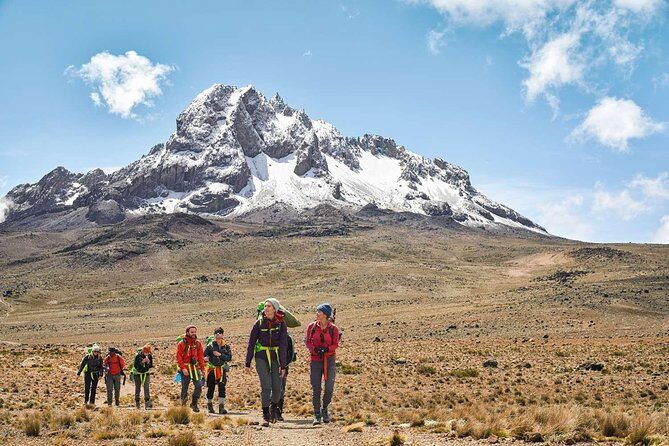
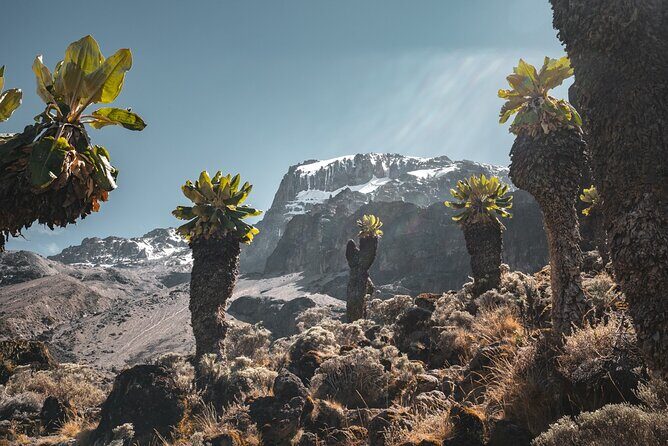
Now things turn more lunar. You climb gradually and then cross the Saddle—a high-altitude desert that separates Kibo (5,895 m) from Mawenzi (5,149 m). The “Saddle” feeling is why Marangu works as a transition route: you’re moving from greener zones into stark alpine terrain.
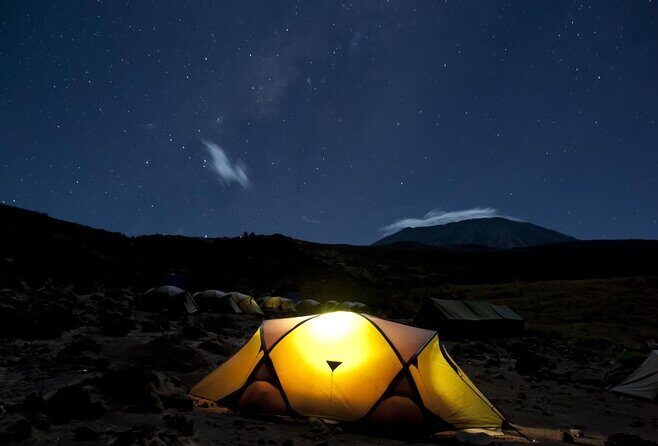
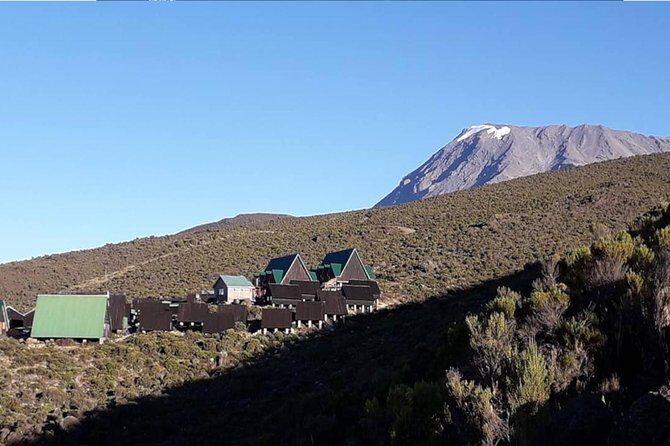
Your camp is Kibo Hut, positioned at the bottom of the Kibo crater wall. That matters because it sets you up for the summit push with an important recovery window. You’ll rest there, then have an early dinner to prepare for the early summit day.
This day is about building energy discipline. You’re walking 6–8 hours (about 10 km / 6 miles), and at these altitudes, every decision counts: your pace, your hydration, and how well you can get comfortable before a very cold morning.
Day 5: Midnight ascent to Uhuru Peak and sunrise at Gilman’s Point
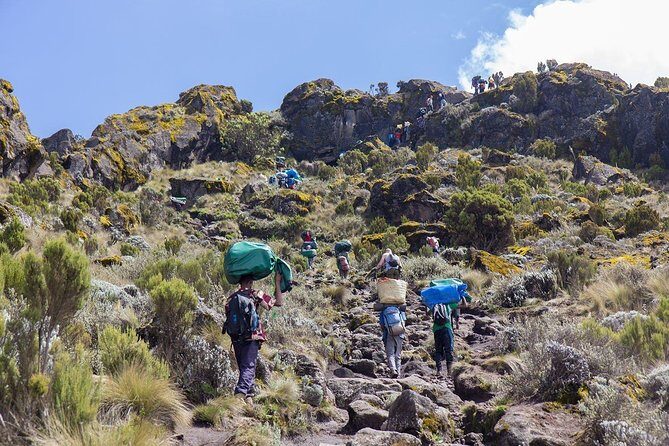
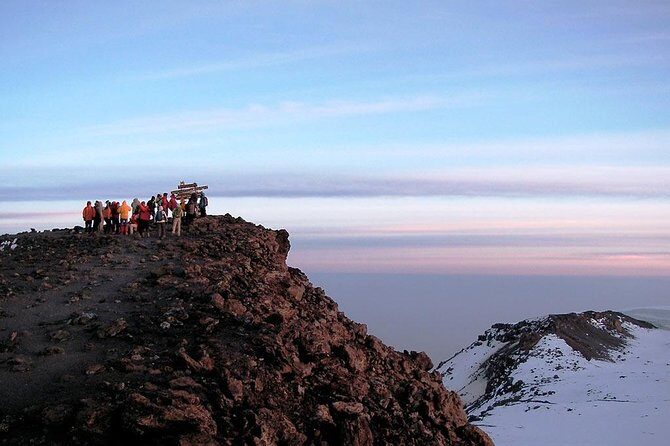
This is the day most people remember. You start the summit push around midnight, which means you’ll hike for several hours in darkness with wind and cold. The listing details mention that the wind and cold can be extreme, and that steep scree becomes easier when it’s frozen—so the frozen trail texture can reduce sliding, but it doesn’t reduce effort.
The climb from Kibo Hut to Uhuru Peak is about 6 km / 4 miles and takes 6–8 hours, then you descend from Uhuru Peak back to Horombo Hut (about 16 km / 10 miles) in roughly 4–5 hours. That is a long day. Even if your summit moment is the highlight, the work continues on the way down.
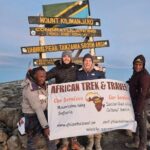
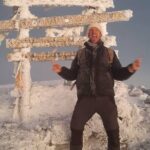
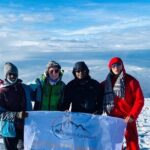
A key timing reward comes at Gilman’s Point (18,600 ft). If conditions are cooperative, you can catch one of the most dramatic sunrises coming over the crater rim while Uhuru Peak lies above. It’s the kind of moment that turns hours of discomfort into a story you’ll retell.
Possible drawback? Cold night hiking. If you’re not comfortable with winter conditions, you’ll feel it here. Plan to move slower than you think you should and take short, frequent breaks.
Day 6: Long rainforest descent to Marangu Gate and certificates
After the summit, Day 6 is about getting back down safely and calmly. You head from Horombo Hut to Marangu Gate, covering about 20 km / 12 miles over 5–7 hours. Most of it is downhill through tropical rainforest, which is great for views and also tough on your knees if your legs aren’t ready.
Once you reach the park headquarters at Marangu Gate, you collect your summit certificates. That’s a satisfying close to the journey because it marks the moment you made it to the top.
A vehicle will meet you at Marangu Gate and drive you back to your hotel in Moshi. That’s where the value of the “private, handled logistics” approach really shows: you’re not coordinating transport after a six-day physical grind.
How the $2,290 price adds up (and when it feels worth it)
At $2,290 per person, this is not a budget casual trek. But the price includes more than “being guided.” It covers all fees and taxes, private transportation, and core support systems that can cost extra if you build your own plan.
What’s meaningfully included:
- Filtered water throughout the trek
- Meals every day (breakfast 5, lunch 6, dinner 6)
- Hot water for wash
- Fair wages for the mountain crew as approved by KINAPA
- Admission/park-related components shown as included on the relevant trek days
So the value math is less about paying for a person to lead you and more about paying for an entire operational machine that feeds you, hydrates you, moves you, and runs the trek responsibly.
What’s not included is also important for budgeting: visas, insurance, flights, personal trekking gear, personal expenses, and alcoholic or non-alcoholic beverages. If you already own solid trekking boots, layers, and a warm sleeping setup for cold nights, you’ll need less extra spend. If you don’t, plan for gear costs.
What to pack and what to expect to pay for yourself
You’ll need personal trekking gear, and that’s the one area where people often underestimate the expense and the time needed to find proper items. Since Day 5 involves arctic-like cold conditions, you should prioritize warmth and wind protection. If you arrive with summer gear, you’ll feel it.
Also, plan money for anything outside the provided meals and beverages. The package doesn’t include alcohol or non-alcoholic drinks, and it doesn’t cover personal expenses beyond what’s listed.
The practical takeaway: build a small buffer in your travel budget for gear upgrades and a few extras, so the summit night doesn’t turn into a shopping spree under pressure.
Who this Marangu 6-day climb suits best
This trek is a great fit if you’re fit and used to walking in mountain areas. It’s described as tough but within limits of a fit individual, and the itinerary supports that with gradual elevation gain plus an acclimatization day.
It’s also a good match for people who want a more structured climb. Private participation means it’s just your group, and the support system includes filtered water, hot wash time, and meals timed across the days.
On the other hand, if you’re unsure about your ability to handle long days on your feet, or if cold night hiking is a big unknown, I’d pause and think hard before booking. Marangu may be “gentler,” but the summit night still demands mental grit and physical stamina.
Should you book this Kilimanjaro Marangu route?
If you want Kilimanjaro with a calm, well-run operation—and you appreciate support that includes meals, filtered water, hot washing time, and park/fee coverage—this $2,290 private 6-day Marangu climb looks like a strong value.
I’d lean toward booking if you:
- want the Marangu pacing with a real acclimatization day at Horombo
- care about solid crew treatment (the guide Shungu is highlighted for respect toward his team and good hospitality)
- prefer a setup where logistics are handled from Moshi through Marangu Gate
I’d think twice if:
- you know you struggle with cold, wind, or very early starts
- you don’t have the trekking gear for a very demanding summit night
If you’re ready for that summit reality, this route gives you the best kind of reward: forests, moorland breathing space, the stark Saddle crossing, then dawn near the crater rim, with the top of Kibo just above.
FAQ
How long is the Kilimanjaro climb on the Marangu route?
The trip is about 6 days.
Where does the trek start and end?
It starts in Moshi Urban, Tanzania, and ends back at the meeting point.
Is pickup offered?
Yes, pickup is offered.
What route is this?
It follows the Kilimanjaro Marangu route, moving through rain forest, moorland, the Saddle, and then to the summit of Kibo at Uhuru Point.
What’s the hardest part of the trek?
The most mentally and physically challenging part is the summit push on Day 5, starting around midnight, with very cold and windy conditions.
Where is the accommodation during the trek?
You’ll stay at Mandara Hut, Horombo Hut, and Kibo Hut during the climb.
Are meals included?
Yes. Breakfast, lunch, and dinner are included (breakfast 5, lunch 6, dinner 6).
Is water provided?
Filtered water is provided throughout the trek.
What’s not included in the price?
Visas, insurance, flights, personal trekking gear, personal expenses, and alcoholic or non-alcoholic beverages are not included.
What’s the cancellation window?
You can cancel up to 24 hours in advance for a full refund. If you cancel less than 24 hours before the start time, the amount you paid is not refunded.