REVIEW · MOSHI
Moshi: Town tour and Local Markets tour
Book on GetYourGuide →Operated by Oasis Ride · Bookable on GetYourGuide
Moshi is a better show when you see it up close on foot. This 3-hour town-and-markets tour with guide Isaac (often called Zac) takes you through everyday places, not just photo stops, and I like how you get real market explanations plus fruit and food tastings along the way. One thing to consider: it’s market walking, so you’ll want comfortable shoes and patience for busy crowds and narrow paths.
I also really appreciate the flow of the day: you start with the railway and a Mt Kilimanjaro photo moment, then move from one market type to the next so the differences actually make sense. The last stop also has meaning, with Blue Zebra linking shopping to jobs for disabled makers and school support for children. The only drawback is that food beyond tastings is on you, so come hungry for samples, but plan to pay if you want a full meal.
If you’re in Moshi for trekking, Kilimanjaro planning, or just “learning the place,” this is a smart, efficient way to get your bearings fast—without losing half a day to logistics. You’ll get pickup and drop-off in Moshi Urban, bottled water, and a live English guide, all for $25 per person.
In This Review
- Quick hits
- Moshi’s Town Markets: The Fastest Route to Real Local Life
- Meet Isaac (Zac): Your English Guide and the Pace of the Tour
- Train Station Stop: Railway History and a Mt Kilimanjaro Photo Moment
- Manyema Market: Food Market Energy and Fruit Tasting First
- Mbuyuni Market: Bananas, Fish, Spices, Clothing, and a Local Dispensary
- Central/Main Market: Comparing Market Styles and Walking the Town Links
- Coffee Union Cafe Break: A Real Pause in the Middle of the Streets
- Moshi Bus Stand: How People Do Business Between Routes
- Blue Zebra Art (Tanzanite and Souvenir Shop): Shopping With a Social Purpose
- Price and Value: What $25 Really Buys in 3 Hours
- Who Should Book This Moshi Town and Local Markets Tour
- Should You Book This Moshi Town and Local Markets Tour?
- FAQ
- How long is the Moshi town and local markets tour?
- Where does pickup and drop-off happen?
- Is food included in the price?
- What language is the tour guide?
- What should I bring?
- Can I get a refund if I change my plans?
Quick hits
- Train station photos and railway history with a Mt Kilimanjaro panorama moment
- Manyema and Mbuyuni markets where you can compare what people buy and why
- Fruit tastings plus a closer look at bananas, fish, spices, clothing, and a local dispensary
- Sim banking education along the way as you pass local banks
- Coffee Union Cafe break for tea or coffee before the bus-stand slice of local life
- Blue Zebra Art and Tanzanite shopping tied to makers and community support
Moshi’s Town Markets: The Fastest Route to Real Local Life
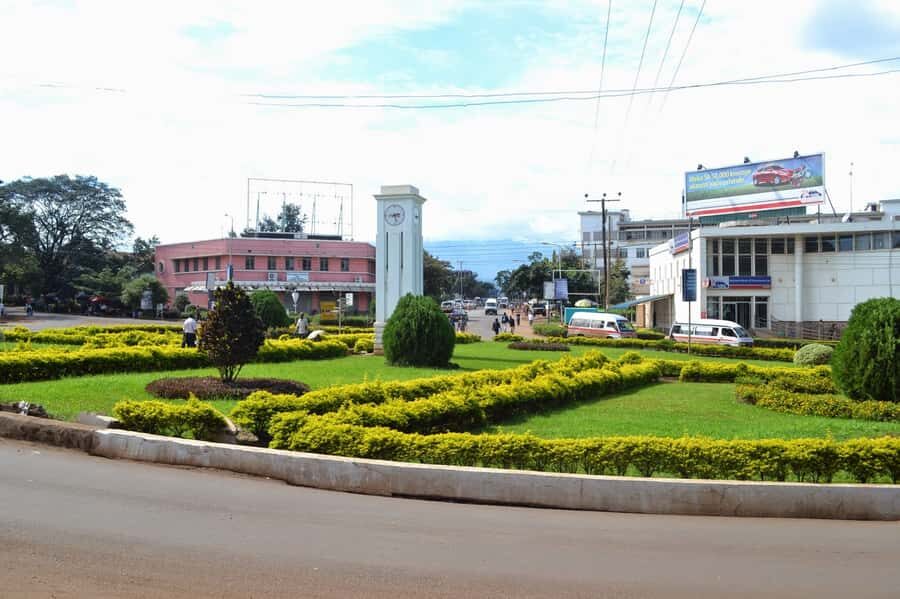
Moshi sits right in the Kilimanjaro orbit. That’s why it’s easy to rush through—grab groceries, book a trek, move on. This tour slows you down in the best way. In just a few hours, you see how people eat, trade, bank, travel, and shop for basics.
What I like most is the sequence. You don’t just wander into a single market and leave. You bounce between market types, then you connect the dots with small pieces of town life—banks, transport, and a café stop. It’s a practical education, the kind you can remember when you’re shopping later.
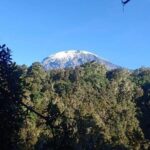
And yes, you’ll get that Mt Kilimanjaro moment at the start. Even if clouds hide the peak sometimes, the area still gives you the “this is the gateway” feeling.
You can also read our reviews of more tours and experiences in Moshi.

Meet Isaac (Zac): Your English Guide and the Pace of the Tour
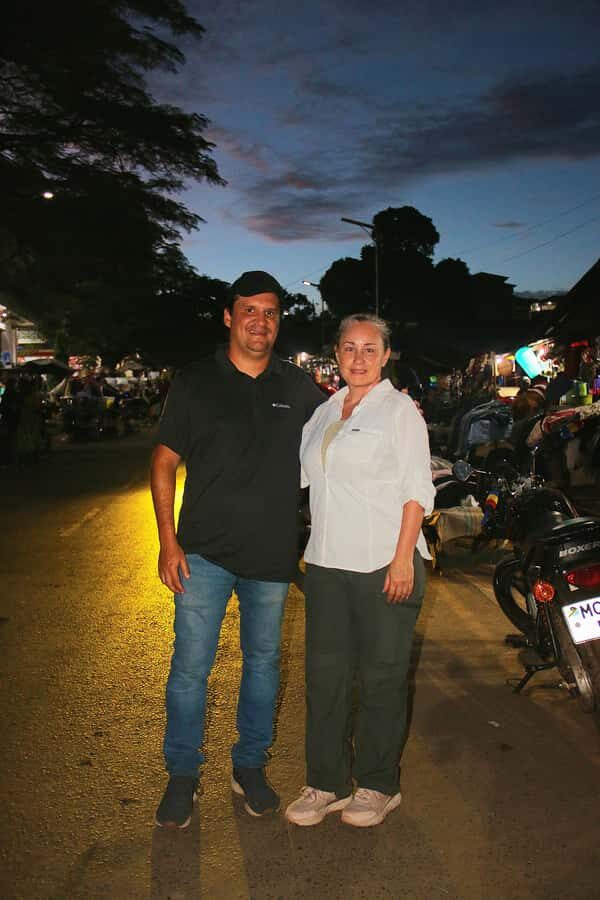
You’ll meet for pickup in Moshi Urban and then head out together. The guide, Isaac (Zac), leads in English and keeps things moving at a walking pace that’s easy to follow—especially important in markets, where it’s tempting to get pulled into stalls without context.
The vibe in the tour is personal. Multiple guests described it as safe, well-paced, and comfortable, with room to ask questions and even short practical detours when there’s time. If you need a quick reset, it’s not the kind of experience where you’re stuck “go-go-go” the whole way.
It lasts about 3 hours, which is long enough to feel like you did something real, but short enough that it doesn’t steal your whole day from planning, rest, or enjoying Kilimanjaro views.
Train Station Stop: Railway History and a Mt Kilimanjaro Photo Moment
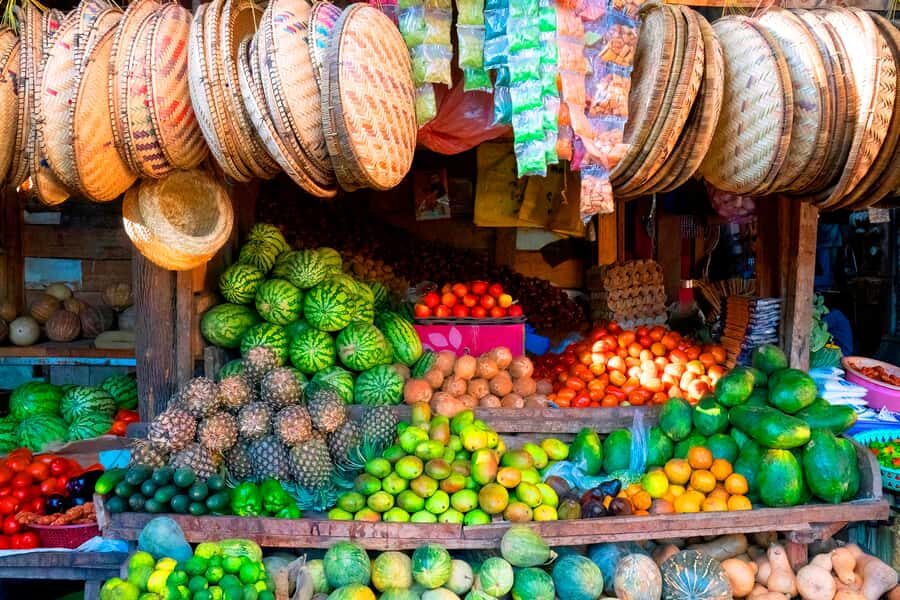
The tour starts near the train station. Expect a guided look at the history of the railway and a photo stop focused on the panorama toward Mt Kilimanjaro.
This part matters more than it sounds. The railway is one of those quiet ways a place connects to trade and movement. Seeing it early helps the rest of the tour feel less random. Later, when you’re at the bus stand and markets, you’ll understand the human “how goods and people get around” thread.
Tip: bring your phone charger or a backup battery. Even in a short stop, you’ll want multiple angles, and photos in cooler early light can look great.
Manyema Market: Food Market Energy and Fruit Tasting First
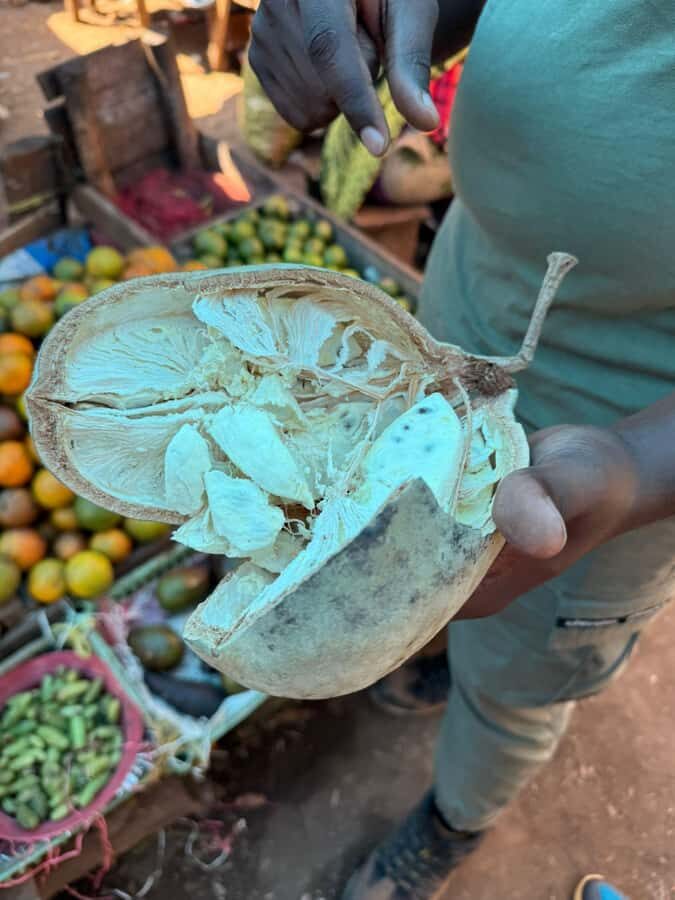
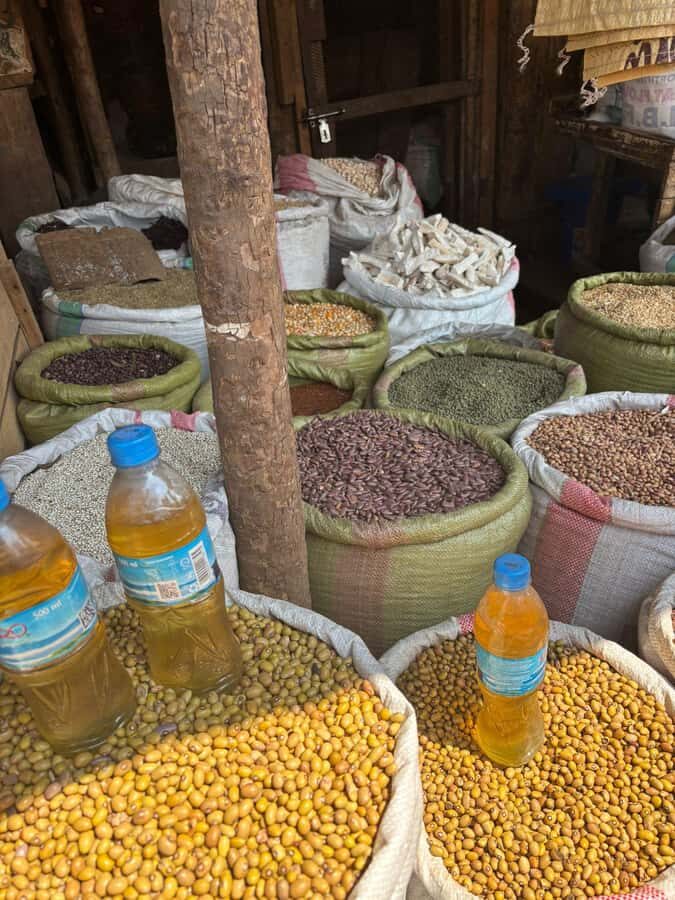
Next up is the Manyema Market food area. This is where the tour leans into senses—smells of spices and produce, the sound of deals being made, and the simple reality of what’s available right now.
Even if you’re not a “buy everything at markets” person, Manyema is perfect for orientation. You’ll see the kinds of items people shop for daily and learn how the market fits into the local economy, not just tourism.
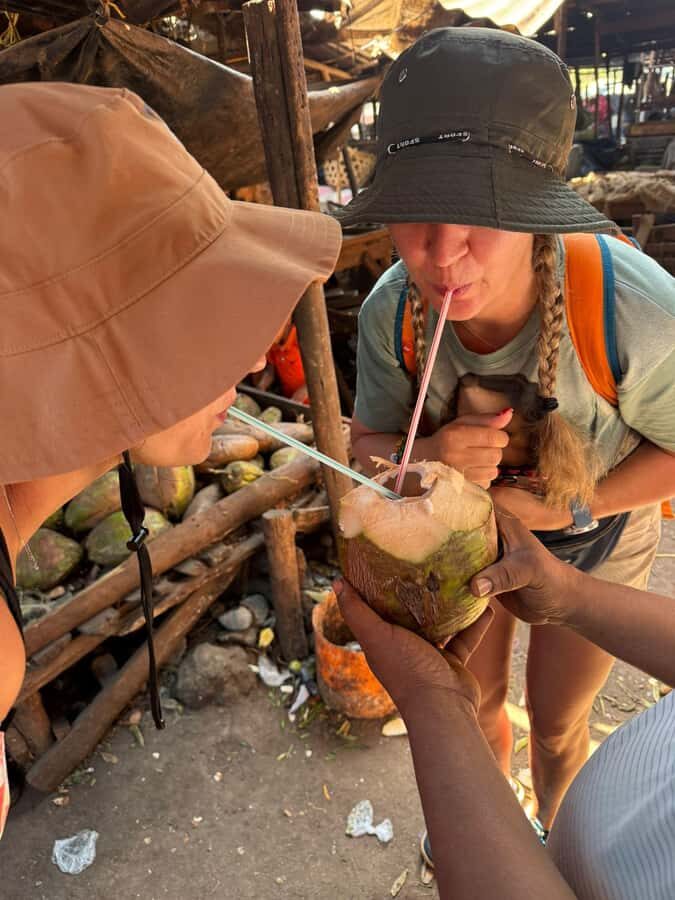
And you’ll get food tasting, including fruit samples. This is one of the best parts for first-timers, because tasting breaks down the fear barrier. You don’t have to commit to buying. You try, ask, and learn what you actually like.
Possible drawback: If fruit tasting makes you full fast, you may need to pace yourself. The next markets are still packed with things to sample visually.
Mbuyuni Market: Bananas, Fish, Spices, Clothing, and a Local Dispensary
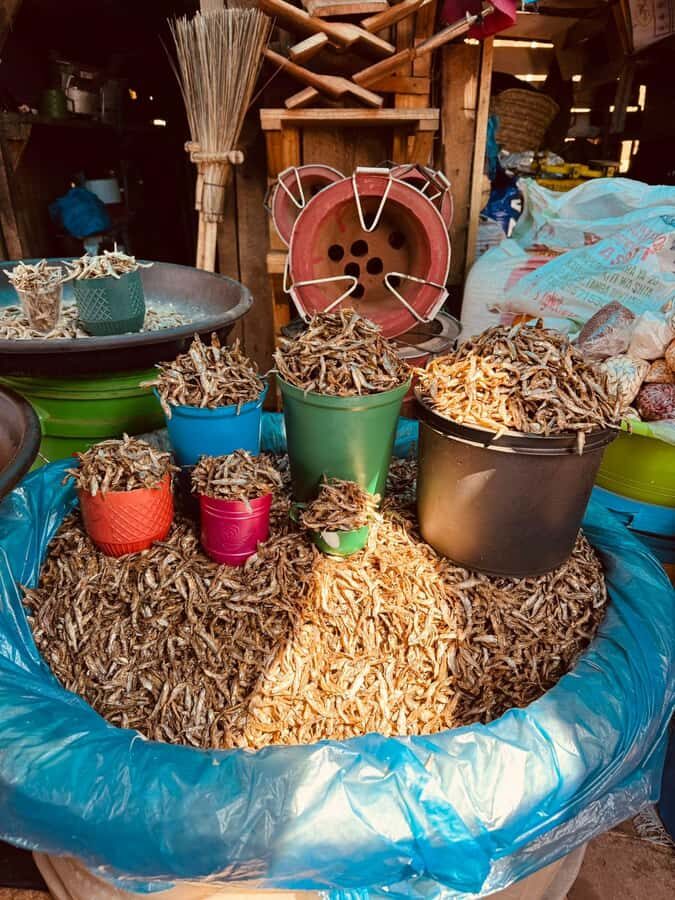
Then you move into Mbuyuni Market, and this stop is all about variety. Here you’ll explore areas like:
- banana trading
- fish market activity
- spice stalls
- clothing sections
- a local dispensary area
This is the tour moment where you start understanding the market as a system. Each section has its own rhythm and customer type. The guide helps connect what you see—produce, fish, spices—to how people earn money and what they prioritize.
The tasting element continues here in spirit, too. The goal isn’t only “try something.” It’s learning what’s fresh, what people recognize as everyday value, and how sellers explain their products.
One more practical note: markets mean lots of hands and surfaces. If you’re sensitive about hygiene, use hand sanitizer before eating. (Food tastings are part of the plan, but you still control your comfort level.)

Central/Main Market: Comparing Market Styles and Walking the Town Links
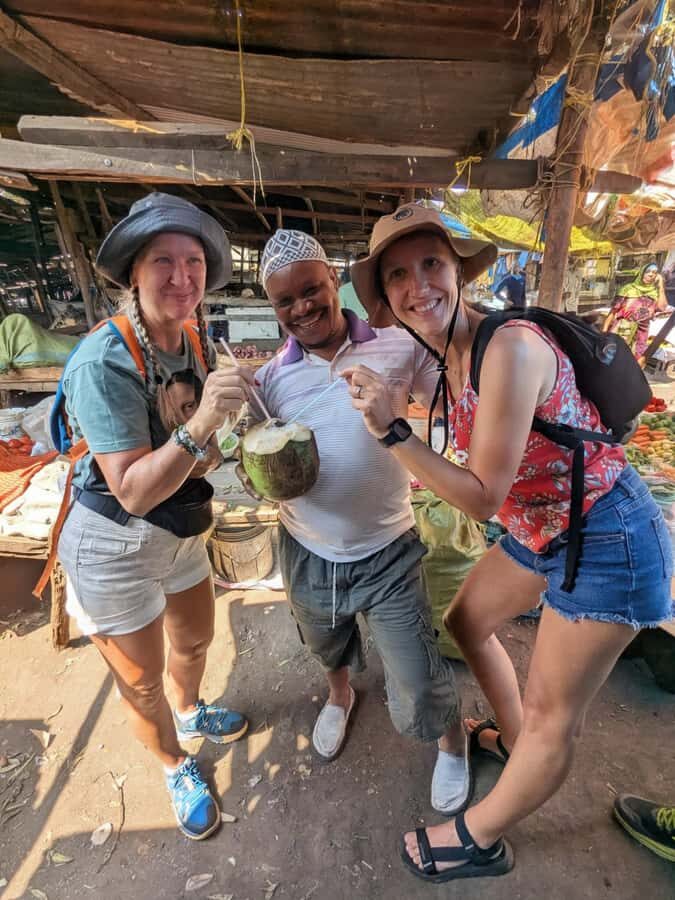
After Mbuyuni, you head toward the Main Market area. Along the route, you’ll pass local banks, and the guide explains the Sim banking business in Tanzania.
This is the kind of detail that makes the whole day click. Markets aren’t just about goods; they’re about transactions, savings, and trust. When you understand how people move money day-to-day, you can follow the logic of prices and purchasing decisions more easily.
At the Main Market, you’ll compare what you saw earlier with a different market style and food market setup. Some items will overlap, but the “feel” shifts. That difference is useful. It helps you avoid the common travel mistake of treating one market as if it represents the whole country.
Coffee Union Cafe Break: A Real Pause in the Middle of the Streets
Once the walking and looking gets intense, you get a break at Coffee Union Cafe. You’ll have time for coffee or tea—and this stop is intentionally placed so you can catch your breath without losing momentum.
This is where you also slow down enough to ask deeper questions. The guide’s English plus on-the-spot explanations turn the café break into more than a caffeine stop. It becomes a chance to connect market life with what you’ll see later in Moshi.
If you’re trekking soon, this is also a smart time to check your hydration and energy. The tour includes bottled water, but your body still needs real rest during market walking.
Moshi Bus Stand: How People Do Business Between Routes
After coffee, you visit the bus station (also called the Moshi Bus Stand). This isn’t a tourist viewpoint. It’s a working hub where people and goods link up with schedules and local movement.
Expect photo opportunities plus a guided walk through how the area functions. The value here is context. If you’ve spent time planning Kilimanjaro logistics, you’ll immediately recognize the importance of transport in daily life—how fast things can move, where delays happen, and why people sit patiently and watch for updates.
If you’re someone who likes everyday realism, this stop is a keeper. It adds “town texture” beyond produce and souvenirs.
Blue Zebra Art (Tanzanite and Souvenir Shop): Shopping With a Social Purpose
The final stop is at Blue Zebra Art | Tanzanite | Souvenir Shop. Yes, there’s shopping. But it’s shopping with a story.
This market is described as supporting disabled makers, and a portion of revenue helps the community—sending orphans to school and assisting the underprivileged. So when you browse, you’re not just buying a trinket. You’re seeing a business model built around employment and support.
It also sells tanzanite, the valuable gemstone associated with Tanzania, so you may want to look closely if that’s on your list. The guide will show you around and you can buy something if you want.
Practical advice: Tanzanite and souvenirs can tempt impulse buys. If you’re unsure about prices or quality, treat this like a lesson stop. Look, ask questions, then decide. No pressure.
Price and Value: What $25 Really Buys in 3 Hours
At $25 per person for around 3 hours, this tour is good value because you’re paying for more than “being shown around.” You’re paying for guided context across multiple town functions:
- train station history and panorama time
- two-plus market areas with food tastings
- a town-knowledge segment about Sim banking
- a café break with tea/coffee
- a bus stand walk-through
- a socially connected souvenir and gemstone stop
Included basics are solid: hotel pickup and drop-off plus bottled water. Food and drinks are not included, so tastings are the safe bet, not a full lunch.
If you’re comparing cost, think about what you’d spend on transport plus a private guide for even one market. This is the more efficient way to compress learning into one outing.
Who Should Book This Moshi Town and Local Markets Tour
This is a great fit if you:
- want a low-stress introduction to Moshi without spending a full day
- enjoy markets but want guardrails, translation, and explanations
- like practical culture, not only scenic stops
- are traveling solo and want a safe, guided plan for busy streets
- need a short break from trek planning and want town life instead
It may feel less perfect if you hate walking or dislike crowds. But even then, you can still benefit if you take your time and use the guide to keep the pace comfortable.
Should You Book This Moshi Town and Local Markets Tour?
Yes, I’d book it if you want a fast, grounded view of Moshi that goes beyond the obvious. The best reason is the variety in such a short window: railway, markets, banks, transport, and a purpose-driven shop—all with Isaac handling the explanations and the flow.
If you want the Kilimanjaro gateway experience with real local texture, this tour delivers. Pack comfortable shoes, come ready to snack on tastings, and treat the shops as learning stops, not just spending stops. If you do that, you’ll leave with a clearer sense of how Moshi works—and where to shop without feeling lost.
FAQ
How long is the Moshi town and local markets tour?
It lasts about 3 hours.
Where does pickup and drop-off happen?
Pickup and drop-off are included for Moshi Urban.
Is food included in the price?
Food tasting is part of the experience, but food and drinks are not included.
What language is the tour guide?
The tour guide is available in English.
What should I bring?
Bring comfortable shoes and comfortable clothes for walking around markets.
Can I get a refund if I change my plans?
Yes. You can cancel up to 24 hours in advance for a full refund.