REVIEW · ARUSHA
Safari & Culture
Book on Viator →Operated by Serengeti One Safaris · Bookable on Viator
Six days, two worlds: animals and people. In Northern Tanzania you get the full safari hit fast, but you also trade some game-drive time for bushmen and Datoga culture, something most short safaris skip. You’re moving between parks with a private guide who focuses on where animals are, not just where tourists usually stop.
I like the way the trip balances big wildlife moments with real human contact. Tarangire’s elephants are the headline on Day 1, and the later Datoga jewel-making stop gives you something you can’t photograph from a vehicle window. One thing to keep in mind: the days are long, often 8 to 10 hours of driving, and one park fee (Ngorongoro) isn’t included, so you’ll want a small bit of cash planning for that.
In This Review
- Key things I’d circle before you book
- Entering Northern Tanzania: how this 6-day format works
- Tarangire National Park: elephants, baobabs, and a river that matters
- Serengeti National Park: Maasai country on the way in
- A full day Serengeti game drive: chasing the Big Five
- Ngorongoro Crater: the “inside view” of a natural amphitheater
- Lake Eyasi and Ngorongoro Conservation Area: bushmen life and Datoga jewelry
- Arusha on the way home: shopping with a buffer day
- Price and value: what $2,572.31 buys you (and what to double-check)
- Who this safari fits best (and who should think twice)
- Small practical tips that make the days easier
- Should you book this Safari & Culture tour?
- FAQ
- How long is the Safari & Culture experience?
- Is pickup offered for this tour?
- Is this a private tour?
- What parks and cultural areas are included?
- Are admission tickets included for the parks?
- What wildlife should I expect to see?
Key things I’d circle before you book
- Tarangire’s elephant focus: baobabs, acacia, and lots of elephants around the Tarangire River water supply.
- Serengeti with an eyes-on approach: a full day game drive where your guide works the terrain to find the Big Five.
- Ngorongoro Crater concentration: a caldera with animals and birds packed into a single dramatic bowl.
- Lake Eyasi culture day: early departure with time to meet bushmen and see Datoga crafts.
- Private group time: only your group, so you can ask questions and adjust pacing with your driver.
Entering Northern Tanzania: how this 6-day format works
This safari fits a lot into six days, and it works because the route is tight. You start around Arusha, then you’re hitting Tarangire, Serengeti, and Ngorongoro—the classic northern circuit—without spending extra time crisscrossing the country.
The bigger value is the pairing. Wildlife days are doing the big-ticket work, but the culture day at Lake Eyasi (bushmen life plus Datoga craftwork) is what makes the trip feel personal. You’re not just watching a park. You’re learning how people live alongside it.
You should go in with the right expectations: expect early mornings, long drives, and game drives that run as long as your sightings demand. If you want a slow “sit by the lodge” vacation, this isn’t it.
A few more Arusha tours and experiences worth a look
Tarangire National Park: elephants, baobabs, and a river that matters
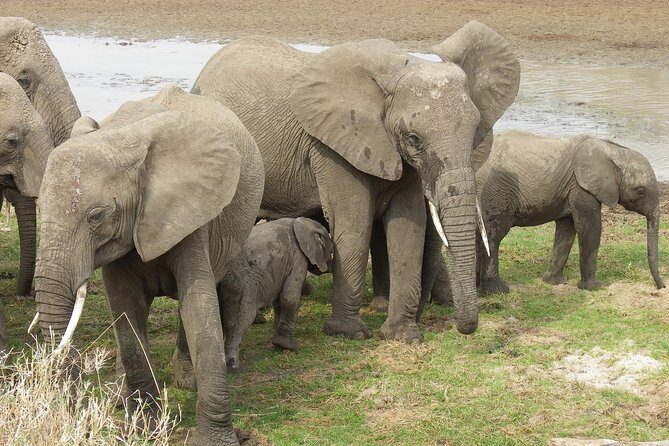
Tarangire is a smart first stop because it teaches you how the ecosystem works. The park’s name comes from the Tarangire River, described as the only dependable water source for animals here. That means wildlife concentrates when the landscape gets dry, and your time has a higher chance of meaning.
The scenery is varied, from hilly areas to savannah zones with baobabs and acacia dominating the view. Those trees aren’t just pretty. They create shade lines and natural “edges” where animals move, rest, and feed—great for both watching and photography.
And then, yes, the elephants. Tarangire is particularly known for large numbers of elephants, including some of the biggest individuals in the world. If you love elephant behavior—family groups, dusting, trunk work—you’re in the right place for that.
Practical note: this day is listed as 8 hours, so you’ll want comfortable shoes and a light layer. Morning shade can cool down fast even when the sun feels strong later.
Serengeti National Park: Maasai country on the way in

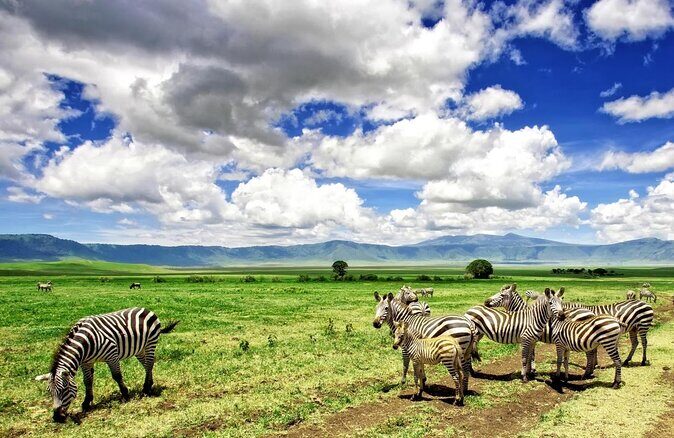
The drive from Tarangire to Serengeti takes you through the Ngorongoro high plateaus, and that stretch matters because it sets the tone. You’ll see the Masai with their red-clad style and round huts, and you’ll notice cattle grazing in the same broad view where wildlife moves—zebra, gnu, and giraffe across the savannah.
This is one of those moments where the landscape is doing more than scenery. It shows you that the story here is land use as much as it is animals. You’re in a region where people and wildlife share space, and that context makes your later game drive feel less like a cartoon and more like a real living system.
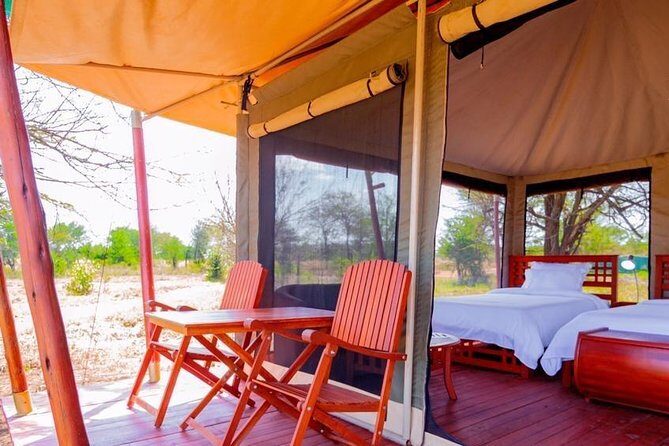
Once you reach Serengeti, you overnight at Dik-dik Campsite. Campsites can be simple, but that simplicity often helps you catch the next day early and ready.
A full day Serengeti game drive: chasing the Big Five
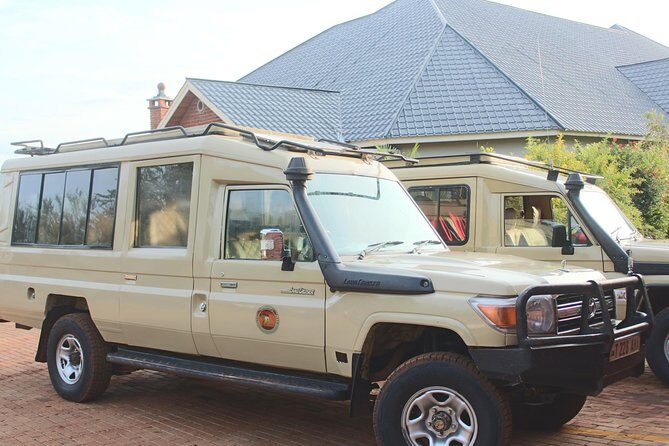
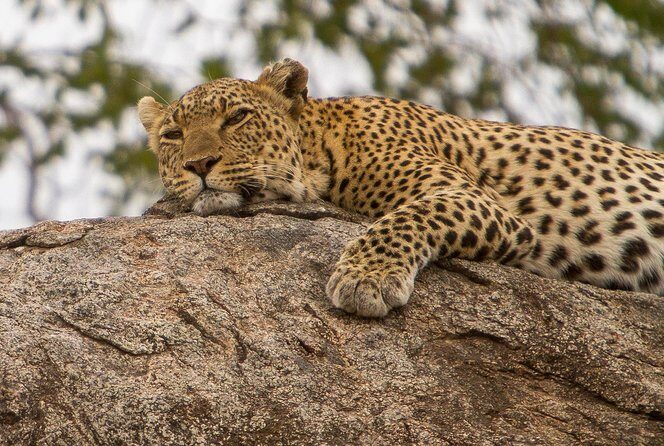
Day 3 is your long push in Serengeti National Park, and it’s where the tour earns its reputation. The goal is the Big Five: lions, leopards, elephants, rhinos, and buffalo. Even when you don’t get all five, the day is still a masterclass in reading animal movement.
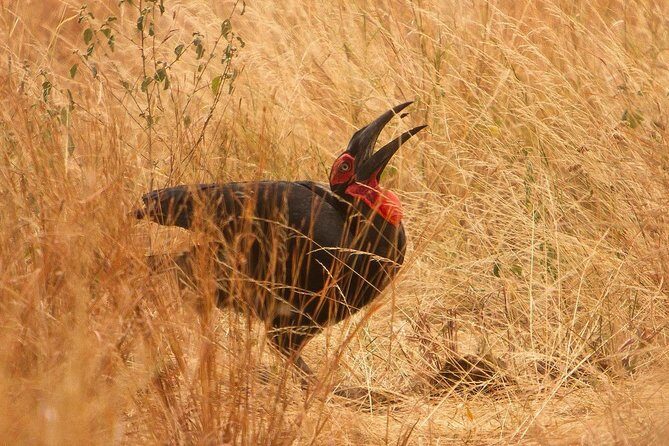
Expect to see a wide set of other species too, including Thompson’s gazelles, topi, Grant’s gazelles, eland antelopes, warthogs, eagles, and ostriches. Hippos also come with the ecosystem here—you may get the chance to see them wallowing in hippo pools, which is one of those sightings that makes your brain go quiet for a minute.
What I really like about a focused Big Five day is that it gives the driver a job. A good guide doesn’t just drive around randomly. They look for signs—tracks, fresh feeding areas, watch positions—and then they reposition the car for better viewing.
In the guide stories you’ll hear names like Joseph and Roussagé. They’re praised for knowing parks for years and for finding animals and positioning the vehicle so you can actually see what you’re paying for. For you, that translates into fewer hours wasted.
Ngorongoro Crater: the “inside view” of a natural amphitheater
Ngorongoro Crater is the kind of place that changes your sense of scale. You drive down into a caldera where the walls still hold shape and where 25,000 animals and 350 bird species live with access to water year-round.
The descent is part of the thrill: before you reach the open crater floor, the route passes through a lush rainforest section. Then you start dropping into the crater basin, and the rim becomes a constant reference point. You’re 600 meters down from that rim, but the elevation is still high—described as 2,200 meters above sea level at the rim. So you feel high, cool air can sneak in, and weather can shift.
This day is listed as 10 hours, and it’s also the one day where admission ticket is not included. That’s not a deal-breaker, but it’s a budgeting point. You’ll want to confirm what’s expected and what you personally pay so there are no surprises at the entrance.
When it works, Ngorongoro delivers animals in a compressed area. It’s less “searching all day” and more “seeing a living map of the food chain,” from grazing to predators to birds.
Lake Eyasi and Ngorongoro Conservation Area: bushmen life and Datoga jewelry
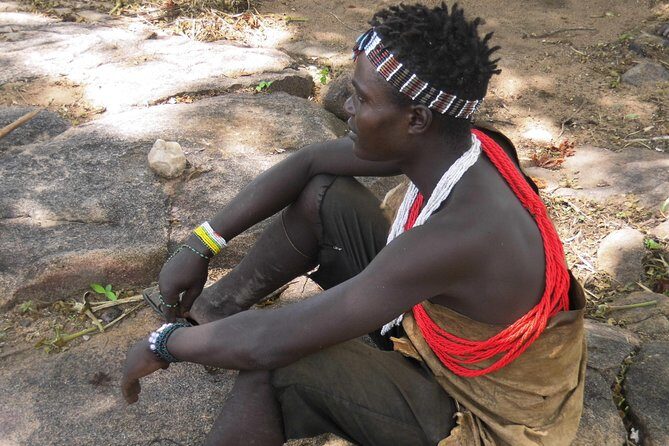
This is the culture day, and it’s the reason the trip feels different from a pure wildlife circuit. You leave very early with a breakfast box, then drive about an hour toward Lake Eyasi for time with bushmen and the Datoga.
The experience described includes seeing bushmen life and watching or joining in hunting activities, and then moving on to Datoga where you can see how they make jewels using local tools. Even if you don’t understand every word, you’ll understand the skills. The “how” is the story.
A good culture experience should do two things: it should teach, and it should create respectful time for questions. This kind of stop tends to work well when your guide explains what you’re seeing and also gives you space to be an observer before you become a talker.
You then drive back for a hot lunch in Karatu town. That lunch stop is important. It keeps the day from feeling like a sprint, and it gives you a chance to reset—especially after an early start.
One consideration: this is active, early, and close-up. If you’re expecting a comfortable, slow cultural walk with no early morning, you might find it more intense than you planned.
Arusha on the way home: shopping with a buffer day
The last day is a return to Arusha after breakfast, with time for shopping along the way before you go back home. This is a nice final “human scale” wrap-up after days of parks and long horizons.
Arusha is also where you can correct small travel mistakes. Forgot sunscreen? Need a final power bank? Want a simple Tanzanian souvenir that isn’t stuck in a plastic bag at an airport store? This is the moment to handle it, without feeling rushed.
Since the tour is private, the shopping time can feel less like a chore and more like a bonus, especially if your guide knows what to look for and what prices to expect in local markets.
Price and value: what $2,572.31 buys you (and what to double-check)
At $2,572.31 per person for about six days, you’re paying for more than vehicle time. You’re paying for a tight route across three major parks plus a culture day that isn’t “drive-by sightseeing.”
Here’s the practical value breakdown based on what’s listed:
- Park entry is marked free on several days (including Tarangire and Serengeti days).
- Ngorongoro Crater admission isn’t included, so you should budget for that separate cost.
- You get pickup offered and a mobile ticket.
- It’s a private tour, meaning only your group participates.
So, the money makes sense if you want:
1) fewer wasted days,
2) full game-drive attention,
3) real cultural contact at Lake Eyasi,
4) a guide who’s practiced at finding animals.
If your goal is the cheapest possible safari, this may not be the lowest price option. But for the mix of parks plus people, it’s positioned as a “do it properly in a short time” trip.
Also remember: the experience notes it requires good weather. If weather cancels or shifts, you’ll be offered a different date or a full refund, so it’s wise to have some schedule flexibility.
Who this safari fits best (and who should think twice)
This trip fits you if:
- you want Big Five-level effort without a long, multi-week journey,
- you enjoy both wildlife and cultural encounters,
- you like the idea of a guide who actively hunts for sightings rather than following a rigid checklist.
It may not fit you if:
- you want downtime. The schedule is full and driving-heavy.
- you hate early mornings. The Lake Eyasi day starts very early.
- you prefer all costs to be included up front. Ngorongoro admission is listed as not included on that day.
Small practical tips that make the days easier
- Bring layers. You can feel very different temperatures from crater rim areas to morning starts.
- Pack for dusty days. Even when you’re not moving constantly, safaris bring grit.
- Protect your eyes and ears. A truck window, dry air, and long drives add up.
- Keep questions ready. Your best culture moments happen when you ask respectful, simple things and let your guide translate what you’re seeing.
And if you care about photography, the guide reputation matters. People mention guides who can find animals and position the vehicle well, which is huge if you’re trying to capture sharp faces instead of blurred silhouettes.
Should you book this Safari & Culture tour?
If you’re planning a first trip to Northern Tanzania and you want both nature and real people, I’d say this is a strong booking target. The route makes sense for a short stay, and the Lake Eyasi bushmen and Datoga portion gives you a story you’ll remember long after the safari photos fade.
That said, book it with the right mindset. It’s a packed, active safari. You’ll be most satisfied if you’re okay with long days and early starts, and if you’re prepared for the one-day fee that isn’t included.
If you want a safari that feels like a curated mix of animals plus human culture, Serengeti One Safaris is aiming at exactly that.
FAQ
How long is the Safari & Culture experience?
It runs for about 6 days (approx.).
Is pickup offered for this tour?
Yes. Pickup is offered.
Is this a private tour?
Yes. Only your group participates.
What parks and cultural areas are included?
You visit Tarangire National Park, Serengeti National Park, Ngorongoro Crater, and the Ngorongoro Conservation Area/Lake Eyasi area, with time that includes bushmen life and Datoga jewelry-making.
Are admission tickets included for the parks?
Admission ticket is listed as free on most days, but Ngorongoro Crater admission ticket is noted as not included on Day 4. It’s worth confirming the exact entrance payment you’re responsible for.
What wildlife should I expect to see?
The trip highlights elephants (especially in Tarangire), and it includes a Serengeti day focused on the Big Five: lions, leopards, elephants, rhinos, and buffalo, plus other species like gazelles, warthogs, eagles, ostriches, and hippo pools.