REVIEW · MOSHI
Materuni Waterfall and Coffee Plantation Half Day Tour
Book on Viator →Operated by Boni · Bookable on Viator
Coffee and waterfalls in Chagga country—short, sweet, real. I love the combo of the Materuni Waterfall (a big, 90m drop) plus the hands-on coffee time, where Boni shares Chagga life and helps you grind and brew your own cup. If you like culture and plants as much as scenery, this hits both. The one thing to plan for is muddy ground on the hike, so bring shoes that can handle a wet trail.
This tour runs about 5 hours and starts with a tuk tuk pickup from your hotel in Moshi to Materuni village, the last village before you reach the national park edge around Kilimanjaro. With a max group size of 20, it stays friendly and conversational instead of feeling like a rushed factory line.
In This Review
- Key highlights you’ll care about
- The real appeal: a half-day that actually feels worth it
- From Moshi to Materuni village: the tuk tuk start sets the tone
- Coffee plantation time: how Arabica becomes your morning cup
- The Materuni Waterfall hike: short, scenic, and sometimes muddy
- Lunch and village culture: the part you’ll remember after the photos
- Price and value: what you’re really paying for
- What to bring and how to get the most from the day
- Who this tour fits best (and who should think twice)
- Should you book Materuni Waterfall and Coffee Plantation?
- FAQ
- How long is the Materuni Waterfall and Coffee Plantation tour?
- What does it cost?
- Do you get picked up from Moshi hotels?
- How long is the hike to Materuni Waterfall?
- Is swimming allowed at the waterfall?
- What do you do during the coffee plantation visit?
- Is lunch included?
- How many people are in a group?
- What happens if weather is bad or I cancel?
Key highlights you’ll care about
- Boni’s Chagga storytelling in great English plus a focus on local culture and Kiswahili talk
- Hands-on Arabica coffee processing from pounding beans to roasting, grinding, and tasting your own brew
- A 45-minute hike to a 90m waterfall with a real chance to cool off with a swim option
- Locally prepared Chagga lunch included, plus optional banana beer if you want something extra
- Tuk tuk ride out from Moshi to Materuni village, giving you that last-village-before-the-park feeling
The real appeal: a half-day that actually feels worth it
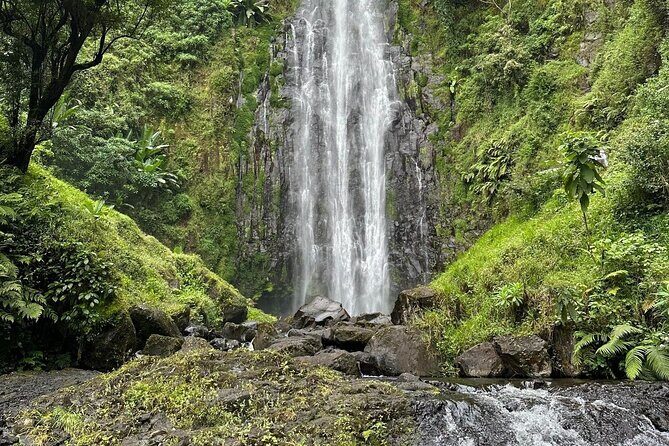
A half-day tour can go two ways. It can feel cut-rate, or it can feel efficient because each stop matters. This one is the good kind of efficient: coffee, waterfall, then lunch and village life, all in about five hours.
What makes it work is the pacing. You don’t just get dropped at a viewpoint and sent back. You get a guided walk to the falls, real time in a coffee-growing setup, and a proper meal afterward—so your day ends with something you can point to, not just photos.
A few more Moshi tours and experiences worth a look
From Moshi to Materuni village: the tuk tuk start sets the tone
You’ll meet up in Moshi and ride out by tuk tuk. That matters more than you’d think. The drive takes you from town life toward the edge of Mt. Kilimanjaro’s surrounding national parks, ending in Materuni village.
On arrival, the day starts with a local agricultural view—coffee and banana. It’s not a lecture stage-managed for tourists. It’s the kind of start that helps you understand what you’re about to see and smell. The coffee part also begins right away, so the day doesn’t feel like you’re waiting for the fun.
The first stop is about 1 hour 30 minutes, and there’s no admission ticket cost listed for this segment.
Coffee plantation time: how Arabica becomes your morning cup
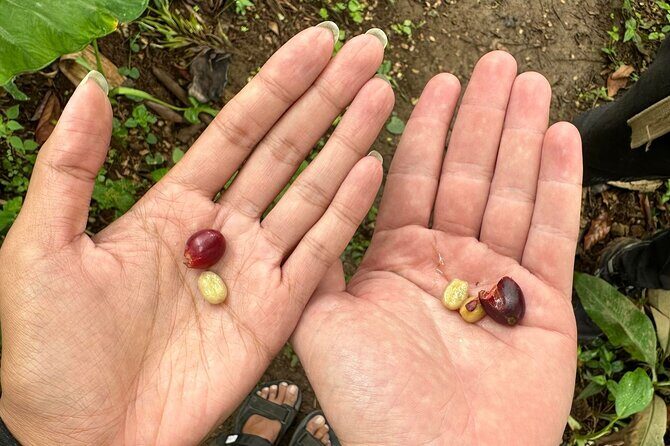
If you think coffee is just something that appears in a cafe, this section will reset your mental map fast. You’ll learn how Arabica coffee is cultivated, harvested, and processed. And the best part is that you don’t just watch—you help with the process.
Here’s what you’ll do in the coffee workflow:
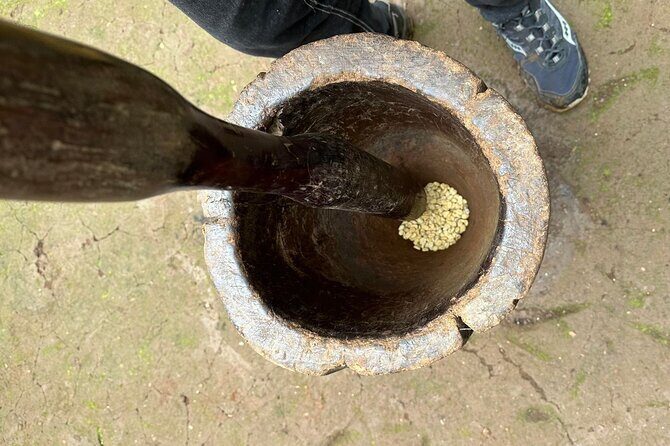
- Pound the beans to remove them from their shells
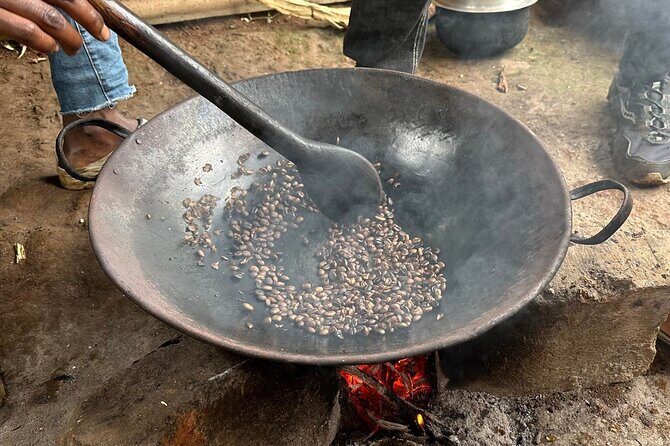
- Roast the coffee
- Grind it for brewing
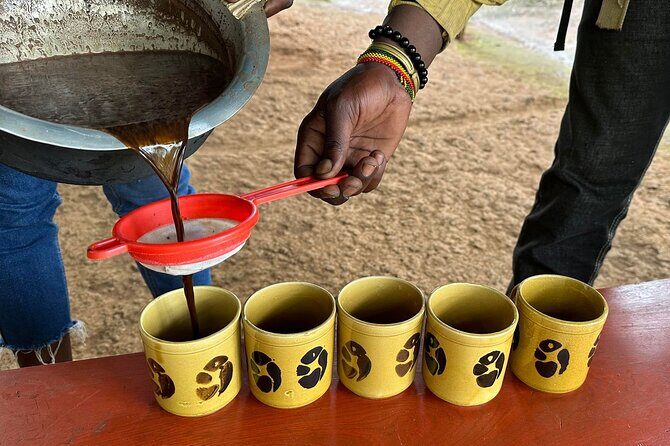
- Finally, enjoy homemade coffee together
That sequence is the point. You’ll see how labor and time shape flavor. Even if you’re not a coffee nerd (no judgment), you’ll leave with a clearer sense of why coffee tastes different when you change the steps.
Boni also adds a culture layer. The way he talks about Chagga life and the region’s background makes the farm feel connected to people, not just crops. One of my favorite moments is when language questions come up—he’s the kind of guide who’s happy to explain, including Kiswahili, and it makes the experience feel personal.
The Materuni Waterfall hike: short, scenic, and sometimes muddy
Next comes the hike to Materuni Waterfall. The hike itself is listed as about 45 minutes. It’s long enough to feel like you earned the view, but not so long that it eats the whole day.
The terrain can be muddy, so don’t treat this like a sneakers-only stroll. I’d plan on shoes with grip and soles that can handle wet earth. If you skip that, you’ll spend the walk thinking about your feet instead of the scenery.
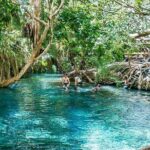
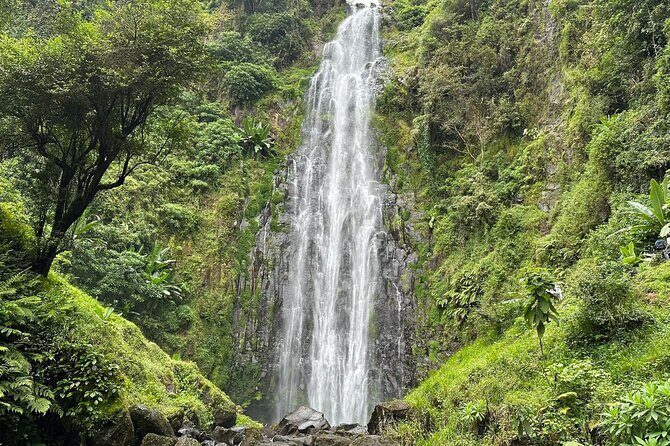
When you reach the waterfall, you’re looking at Kilimanjaro’s largest waterfall at 90m. That size is the whole story. The falls are the reward at the end of the effort, and they give the tour its wow factor.
You’ll also have the option to take a refreshing swim if conditions are right and you’re comfortable with the water. It’s an added bonus, not a requirement—but if you want to cool off, this is your moment.
Lunch and village culture: the part you’ll remember after the photos
After the waterfall, you head back to Materuni village for a locally prepared Chagga lunch. This is one of the strongest parts of the day because it ties the tour together. You’ve seen coffee and you’ve walked to the falls. Now you eat where the culture you learned about isn’t theoretical—it’s just daily life.
This lunch segment is roughly another 1 hour 30 minutes, and it’s also where the optional extras show up. You can try freshly brewed banana beer, but it’s not included in the price.
The cultural experience here isn’t just about standing in front of something. It’s about conversation. Boni’s style is engaging and thoughtful, and he shares stories and details about local life with a focus on real context—how people live, how the region works, and how language connects to identity. If you like guides who can talk beyond facts, this is a highlight.
Price and value: what you’re really paying for
At $37 per person for about five hours, the headline price is only part of the value. The real question is what’s included versus what you’d likely pay separately.
Here’s what you get as part of the day:
- Pickup in Moshi by tuk tuk up to Materuni village
- Coffee plantation learning and hands-on processing (pounding, roasting, grinding)
- A hike to Materuni Waterfall and admission for that segment
- Chagga lunch prepared locally
- A guide (Boni is the provider you may meet) and time built around the stops
- A group limit of up to 20 travelers, keeping things more human
So for your money, you’re not only buying access to nature. You’re buying guided context plus a full cycle of food and drink—coffee from bean to cup, then lunch where you understand the setting.
Is it the cheapest tour in town? Maybe. But it’s priced like something that’s built to feel complete, not clipped into pieces. In a place like Moshi, that matters.
What to bring and how to get the most from the day

Because the itinerary includes a hike with muddy terrain, your biggest planning move is footwear. Choose shoes you’d trust on wet ground. If you bring something that looks great but grips poorly, the waterfall walk will feel longer and less pleasant.
If you want the swim option, consider packing practical extras even though they aren’t listed as provided. A small change of clothes and something to keep your phone dry can make that choice easier.
Also bring a bit of patience. It’s a cultural day, not just a scenic sprint. The best moments come when you slow down enough to ask questions—especially if you’re chatting with Boni about Chagga life or Kiswahili.
Who this tour fits best (and who should think twice)
This tour is a great fit if you want all of these:
- A real coffee experience—learning plus doing
- A guided walk to a major waterfall
- Cultural time with a guide who connects the dots
- A half-day schedule that doesn’t swallow your entire trip day
It may not be your best match if you hate getting your shoes muddy or you’re looking for a completely low-effort outing. The hike is described as not too long, but wet ground can still be annoying.
One more check: the tour depends on good weather. If you arrive when conditions are unstable, you may need to adjust dates.
Should you book Materuni Waterfall and Coffee Plantation?
I’d book it if you want a day that blends nature, food, and local life in one smooth loop. The waterfall is a true destination—90m—and the coffee section is hands-on, not a quick photo stop. With Boni leading, the cultural storytelling adds depth without turning the day into a history class.
You might skip (or choose a different day) if you’re traveling with very limited mobility needs or you’re not willing to handle wet, muddy trail conditions. But if you can wear solid shoes and enjoy a guided village-to-waterfall day, this one is a smart use of time in Moshi.
FAQ
How long is the Materuni Waterfall and Coffee Plantation tour?
The tour lasts about 5 hours (approx.).
What does it cost?
The price is $37.00 per person.
Do you get picked up from Moshi hotels?
Yes. Pickup is offered, and the tour uses a tuk tuk to reach Materuni village from your hotel in Moshi.
How long is the hike to Materuni Waterfall?
The hike to Materuni Waterfall is about 45 minutes.
Is swimming allowed at the waterfall?
Yes, there is an option to take a refreshing swim at Materuni Waterfall.
What do you do during the coffee plantation visit?
You learn about how Arabica coffee is cultivated, harvested, and processed. You also help with the process, including pounding the beans, roasting, grinding, and then enjoying homemade coffee.
Is lunch included?
Yes. You’ll have a locally prepared Chagga lunch. Banana beer is optional and not included.
How many people are in a group?
The tour has a maximum of 20 travelers.
What happens if weather is bad or I cancel?
The tour requires good weather. If it’s canceled due to poor weather, you’ll be offered a different date or a full refund. There is free cancellation up to 24 hours in advance for a full refund.