REVIEW · ARUSHA
4 Days Tanzania Safari Tour
Book on Viator →Operated by Glimpse of Tanzania · Bookable on Viator
Elephants and lions in four days is wild. This tight Tanzania safari packs three heavyweight areas—Tarangire, Serengeti, and Ngorongoro Conservation Area—into one smooth, private route through the Great Rift Valley. What I like most is the simple plan (big parks, full game-drive days) and the fact that meals and conservation fees are handled, so you can focus on wildlife. I also like the private, on-the-ground pacing—no battling crowds for your sighting time. One thing to consider: it’s a lot of time in the vehicle, and you’ll want to be okay with early starts.
If you care about spotting animals, this kind of circuit helps. Tarangire leans into elephants and baobab country, Serengeti gives you predator action on the endless plains, and Ngorongoro delivers a high-density finale. The driving and guiding are a major part of the experience, and names like Hassan, Abduli, Kombo, Hussein, Ally, and Hamisi show up in the operator’s history as people praised for safe, attentive guidance. The other reality check: the safari price is for a private setup with meals and fees included, but your international flight and Tanzania visa are on you.
In This Review
- Quick hits before you go
- The best reason to do this route: it stacks wildlife odds
- Arusha pickup and the Rift Valley road grind
- Tarangire National Park: elephants, baobabs, and a different kind of safari
- Serengeti: big cats, predator drama, and birdwatching you’ll actually remember
- Your best chance at sightings: sunrise timing and a full day’s rhythm
- Ngorongoro Crater: a long day, a hot lunch stop, and wildlife density that hits hard
- Price and value: what $2,395 per person really covers
- Guides and safety: why it affects your whole trip
- Who should book this 4-day safari?
- Should you book it? My straight answer
- FAQ
- How long is the 4 days Tanzania Safari Tour?
- Where does the safari start and do you get hotel pickup?
- Which parks and conservation areas are included?
- Are meals included in the price?
- Is this a private tour?
- Are international flights and visa costs included?
- Do conservation fees come with the tour?
- What is the cancellation refund policy?
Quick hits before you go
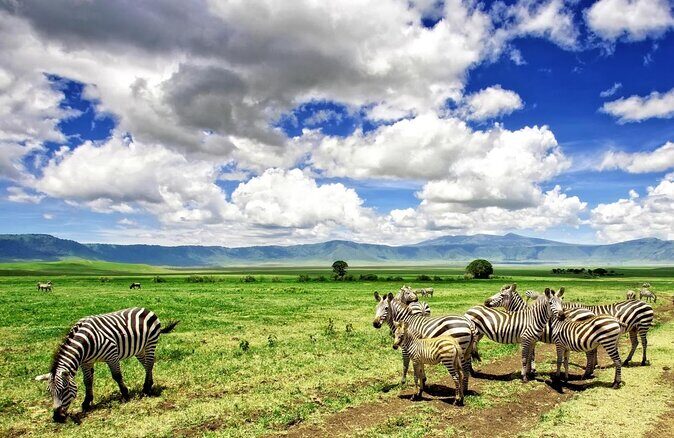
- Three iconic parks, four days: Tarangire elephants, Serengeti big cats, then Ngorongoro crater’s packed wildlife.
- Private transportation: your group only, with pickup from your Arusha-area hotel.
- Sunrise-friendly timing: at least one morning is set up for early viewing in the Serengeti.
- Conservation fees and meals included: breakfasts, lunches, and dinners are built into the plan.
- Ngorongoro picnic lunch included: a hot lunch stop at Ngoitoktok Public Picnic Site helps break up a long crater day.
- Guides matter: feedback highlights people like Hassan and Abduli for wildlife spotting and safe driving.
The best reason to do this route: it stacks wildlife odds
Tanzania safaris work best when you don’t overthink it. This plan does the heavy lifting for you. In a short window, you cover three ecosystems that feel different the second you arrive. That matters, because the animals you’re most likely to see depend a lot on habitat.
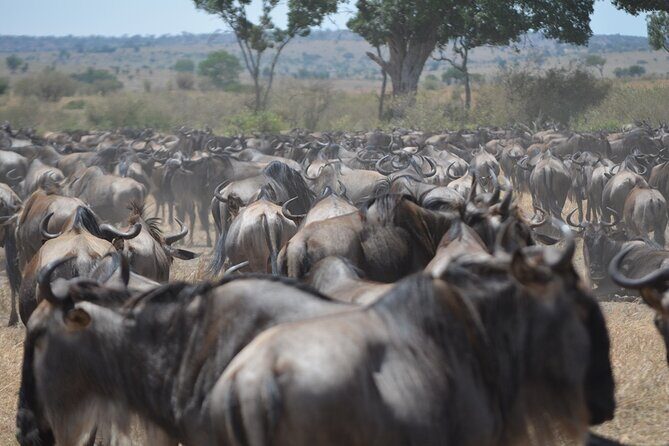
Tarangire is famous for its elephant concentration and its baobab trees—so even before you get into the prime sightings, the park has visual identity. Serengeti is the big-cat and predator playground on wide-open plains, with one of the world’s best-known migrations (wildebeest and zebra). Then Ngorongoro Conservation Area offers that crater effect: a natural bowl where water and food are available much of the year, which is why you can get a higher concentration of wildlife in a smaller area.
A four-day version is not the same as a two-week trip. But it is long enough to feel like you’re not just passing through. You get full-day game drives, plus at least one early sunrise push. That balance is a big part of why this style of safari appeals to people who want real wildlife time without living out of a suitcase for weeks.
A few more Arusha tours and experiences worth a look
Arusha pickup and the Rift Valley road grind
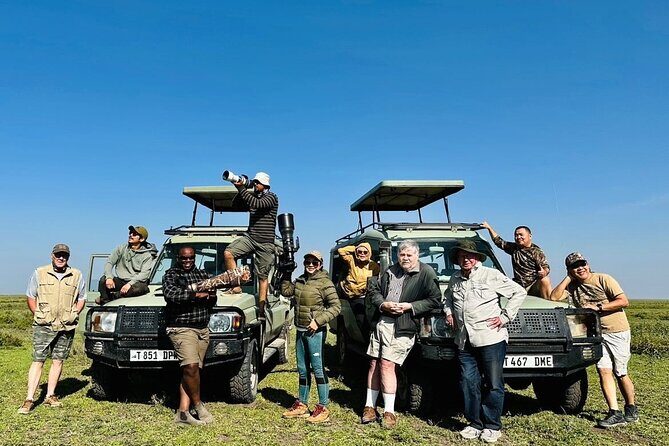
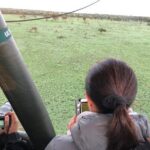
You start in Arusha, and pickup is offered. On the first safari day, the pickup timing is set for 8:00 AM from your hotel. After that, you’ll be traveling along the Great Rift Valley—often one of the most scenic parts of northern Tanzania, even on a “just driving” day.
Here’s the practical side of this: the route moves you between parks efficiently, but it still takes time. If you get car sick, pack what works for you (and don’t rely on luck). If you love sunrise light and photo timing, you’ll be happy you’re doing early starts. If you’re traveling with kids or someone who struggles with long road hours, you’ll want to plan for breaks and comfort.
The private setup helps here. You’re not squeezed into a random schedule with other groups and random stops. Your day runs around the plan, not around everyone else’s missed connection.
Tarangire National Park: elephants, baobabs, and a different kind of safari
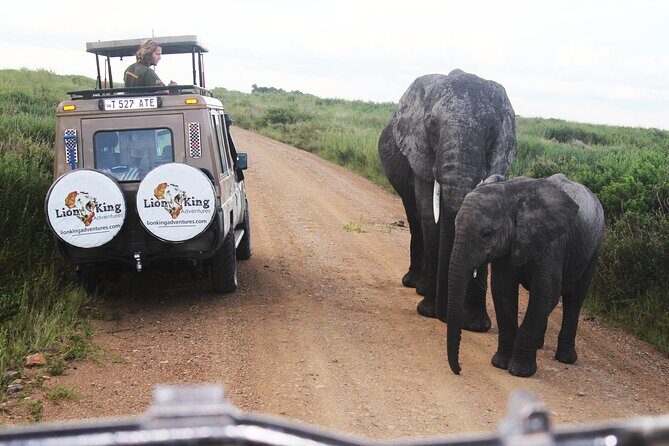
Tarangire is the kind of place you notice fast. Big elephant herds show up in numbers that are described as bigger than anywhere else in Tanzania’s northern parks. That alone is reason to include it, because elephants have a way of turning a drive into a full experience: you start watching behavior, not just passing sightings.
Then there are the baobab trees—hundreds of them in the park—and they give the landscape a bold, almost otherworldly look. Combine that with wildlife density and you get the feeling of a park that runs on its own rhythm: slower, grounded, and visually memorable.
On this safari, Tarangire is built as a full day of game driving, ending at a lodge or tented camp for your overnight. That means you’re not rushing to squeeze a quick half-hour of sightings in before the next transfer. You can catch animals at different activity moments—early movement, midday patterns, and the late-afternoon “everything gets a little more interesting” time.
What to watch out for: a full-day park day is a long day. Bring sunscreen, a hat, and a layer for mornings. Tanzania sun can be strong even when you start cool.
Serengeti: big cats, predator drama, and birdwatching you’ll actually remember
Serengeti is the headline. And it lives up to it because the park is built around the kind of open sightlines where predators can hunt, and where animals can move in visible rhythms across wide plains.
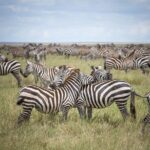
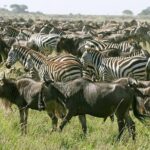
As you enter, you’re met with endless-looking terrain and a high concentration of wildlife. The park is also noted for having the highest number of big cats in Africa, and it’s tied to the world’s largest wildebeest and zebra migration. Even if you’re not there for the peak movement moment, migration areas still draw constant attention from predators and scavengers.
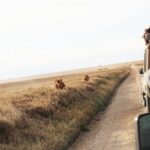
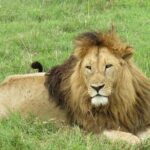
This safari gives you Serengeti time across more than one day. One day is focused on getting into the park and settling into the action, with predator activity possible—lions, hyenas, vultures, and other species showing up around the big-game drama. Another day is set up with an early start recommendation so you can take in sunrise and then continue with a full-day drive (with lunch).
Also, don’t ignore the birds. Serengeti is listed with 480 species of birds, and that’s not just a trivia fact. It means you can enjoy the drive even when the big-cat action is quieter. You’ll likely end up watching movement in the treeline edges, scanning for raptors, and noticing how many different calls and behaviors show up from one hour to the next.
A real consideration: Serengeti is wide. That’s part of the magic, but it also means you’ll spend hours concentrating through the same horizon. If you’re expecting nonstop action every minute, temper that. The trade-off is you get a higher chance at seeing multiple types of behavior, not just one quick highlight.
Your best chance at sightings: sunrise timing and a full day’s rhythm

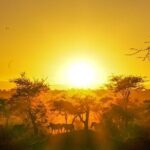
One of the most useful parts of this safari is the way it structures your central Serengeti time. You’re encouraged to wake early so you can see the sunrise, then you head out for a full-day game drive with lunch before returning for overnight.
Why does this matter? The first light of day changes animal behavior. Predators and prey both move differently in early hours. Shadows are longer, visibility can be crisp, and you often get more focused sightings before the heat flattens the day.
The other reason this works: you’re not forced to decide between “sleep” and “wildlife.” The plan builds in the sunrise window and then gives you a full day to keep searching. That reduces the pressure on any single moment. You can enjoy the morning viewing without feeling like the rest of the day is automatically a letdown if the first hour is slow.
Practical tip: set yourself up for success the night before. Keep your camera gear ready. Wear layers you can adjust quickly. And don’t wait until you’re already chilled or sweaty—on safari, comfort saves your attention for spotting.
A few more Arusha tours and experiences worth a look

Ngorongoro Crater: a long day, a hot lunch stop, and wildlife density that hits hard
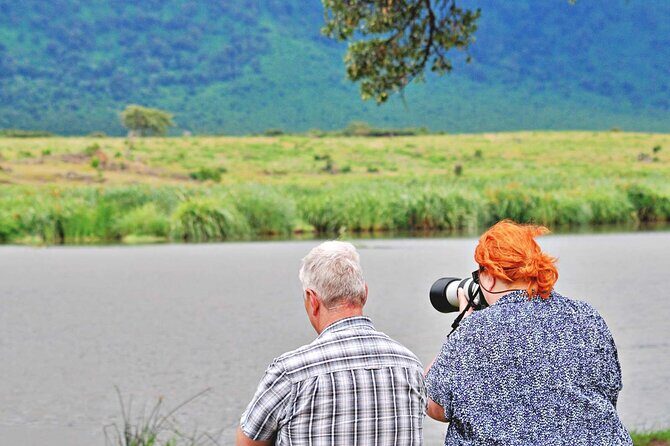
Ngorongoro Conservation Area is where the itinerary closes strong. Ngorongoro Crater is described as the world’s largest and most famous caldera, with 19 km diameter and a 260 km circumference. That size matters because it creates a “contained world” effect: wildlife can be easier to find because water and food are available almost year-round.
This safari’s crater day is structured for early action. You’re advised to wake very early, eat breakfast, and start with a game drive until midday. Then you stop for a hot lunch at the Ngoitoktok public picnic site. After lunch, you continue the drive before exiting the crater and returning toward Arusha for departure home.
That lunch stop is more than a break. It gives you a chance to recharge your brain and hands (and swap lenses, wipe condensation, and regain your patience for another round of scanning). Then you get more time in the crater, which is when wildlife may be active in different zones after midday.
One realistic consideration: this is a long day, about 12 hours. If you’re sensitive to fatigue, take it seriously. Hydrate early, plan for bathroom breaks, and have a way to keep valuables secure (not just for safety, but so you don’t constantly rummage mid-drive).
If you want to maximize your odds at seeing more than one big species, Ngorongoro is the place for it. You’re in a concentrated arena.
Price and value: what $2,395 per person really covers
At $2,395.00 per person, this isn’t a bargain safari. But it’s also not just a “transport + good luck” deal. You’re paying for the structure: private transportation, conservation fees, and meals are included. Breakfast is included for 3 days, lunch for 4, and dinner for 4. That’s a meaningful value piece because food costs add up quickly during park days.
You’re also not paying for the big missing items. International flights and the Tanzania visa cost are not included. So your total trip budget needs those line items on top.
The private nature is the other big value driver. This is a private tour/activity, meaning only your group participates. That generally means fewer scheduling compromises, more responsive timing, and less time wasted coordinating with other vehicles.
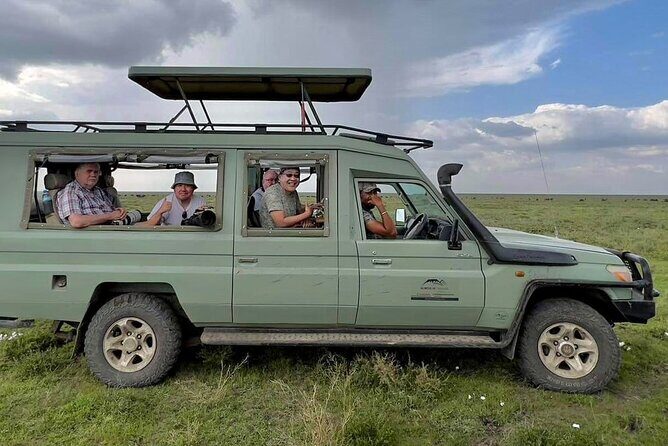
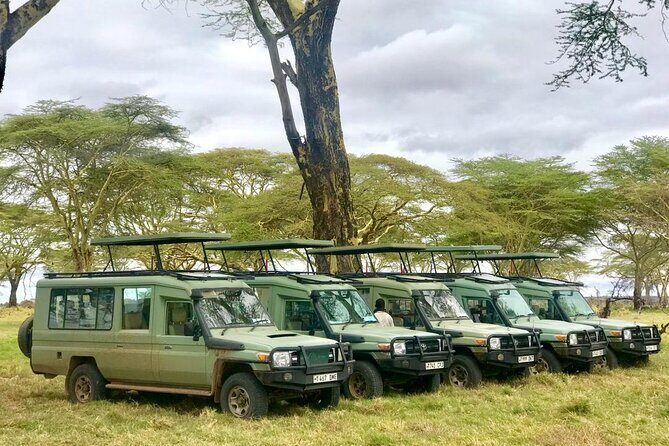
One more honesty note: vehicle condition can vary. Some people praised comfort features like water and power plugs, but at least one comment suggested the car can be outdated even when it still has what you need. If vehicle comfort matters a lot to you, consider asking in advance what kind of safari vehicle you’ll use and what’s included for passenger comfort.
Guides and safety: why it affects your whole trip
A safari isn’t only about where you go. It’s also about who’s driving the route and reading the park signs. In the feedback tied to this operator, guides like Hassan and Abduli come up for in-depth wildlife knowledge and for driving that feels safe and careful.
I like that because it changes how you experience each park. When your guide can explain what you’re seeing—why certain animals are where they are, how predator behavior connects to prey movement—you stop feeling like you’re just taking pictures and start learning how the ecosystem works.
You also feel less stressed when the driving is steady. On a road-heavy circuit like this one, confidence behind the wheel matters.
If you want the best experience, go in with the right mindset: be patient, ask questions, and stay focused on the guide’s spotting pace. That’s how you turn hours of watching into real moments.
Who should book this 4-day safari?
This safari makes the most sense if you:
- Want Tarangire + Serengeti + Ngorongoro in a short timeframe
- Like the idea of private driving with your own group
- Care about sunrise timing and full-day game drives
- Appreciate meals being included so you can spend less time thinking about logistics
It might be a tougher match if you:
- Hate long vehicle days and early mornings
- Need maximum flexibility to change plans moment-to-moment
- Are only interested in one single park and don’t want to split your time
The good news: the route is coherent. You’re not bouncing around randomly. Each stop has a clear wildlife role, and the pacing supports that.
Should you book it? My straight answer
I’d recommend this safari if you want a high-impact Tanzania wildlife circuit without dragging it out. The parks are top tier, the plan includes real game-drive time, and the included meals and conservation fees make day-to-day budgeting simpler. The early morning Serengeti approach and the Ngorongoro crater finale add up to a trip that feels like more than a checklist.
I’d hesitate if your priority is comfort above all else, because the travel time is long and one piece of feedback suggests the vehicle may not always be brand-new. If you’re okay with that reality—and you’re excited to spend hours watching animals—you’ll likely find this is strong value for a private, well-structured four-day safari.
If you book, pack smart for early mornings and sun. Bring patience for wide-open Serengeti sightlines. And treat each drive day as its own mini-mission: you’re there to learn the animals’ rhythm, not just catch one quick moment.
FAQ
How long is the 4 days Tanzania Safari Tour?
It runs for about 4 days.
Where does the safari start and do you get hotel pickup?
The safari is based in Arusha, and pickup is offered. On the first day, pickup is scheduled for 8:00 AM from your hotel.
Which parks and conservation areas are included?
You visit Tarangire National Park, Serengeti National Park, and the Ngorongoro Conservation Area (including Ngorongoro Crater).
Are meals included in the price?
Yes. The tour includes breakfast for 3 days, lunch for 4 days, and dinner for 4 days.
Is this a private tour?
Yes. It is a private tour/activity, meaning only your group participates.
Are international flights and visa costs included?
No. International flights and the Tanzania visa cost are not included.
Do conservation fees come with the tour?
Yes. Conservation fees are included.
What is the cancellation refund policy?
You can cancel up to 6 days in advance for a full refund. Cancel 2–6 full days in advance for a 50% refund. Cancel less than 2 full days before the start time, and the amount paid is not refunded.