REVIEW · ARUSHA
Materuni Waterfalls and Coffee Tour
Book on Viator →Operated by Arusha Excurssions · Bookable on Viator
A waterfall trek with coffee songs. This Materuni Waterfalls and Coffee Tour is built around a proper walk to the falls and then a hands-on coffee experience with traditional singing and dancing. Along the way, local guides help you connect the dots between everyday life, the land, and why people here care so much about coffee.
I like that your day is guided by local experts and paced for learning, not just photos. One heads-up: this trip depends on good weather, and it includes about two hours of walking, so bring grippy shoes and be ready for an active day.
In This Review
- Quick highlights you can count on
- Materuni Waterfalls and Coffee: What $85 actually buys you
- Getting from Arusha to the trail: pickup, timing, and group pace
- The 2-hour walk to Materuni Falls: Chaga life on the way
- The main consideration
- Waterfall time: what to expect once you arrive
- A quick tip for pictures and comfort
- Kilimanjaro stories with an accredited guide: more than trivia
- Why this matters for your day
- Coffee farm making and tasting: singing, dancing, and learning the process
- What I’d do if coffee is your thing
- The meal and the rhythm of the day: why the pacing feels good
- Timing, weather, and what to pack for a comfortable day
- Who this tour suits best (and who might want to choose something else)
- Price vs value: where your $85 shows up
- Book it, but book smart: a few final tips
- Should you book the Materuni Waterfalls and Coffee Tour?
- FAQ
- How long is the Materuni Waterfalls and Coffee Tour?
- What does the Materuni Waterfalls and Coffee Tour cost?
- Is pickup offered from Arusha?
- What activities are included during the day?
- Is the waterfall admission ticket included?
- What are the operating hours?
- What is the cancellation policy and what happens if weather is bad?
Quick highlights you can count on
- A waterfall visit with admission included, so you’re not hunting for extra tickets on the spot
- About 2 hours of walking through Chaga neighborhoods, rivers, and plant life with explanations as you go
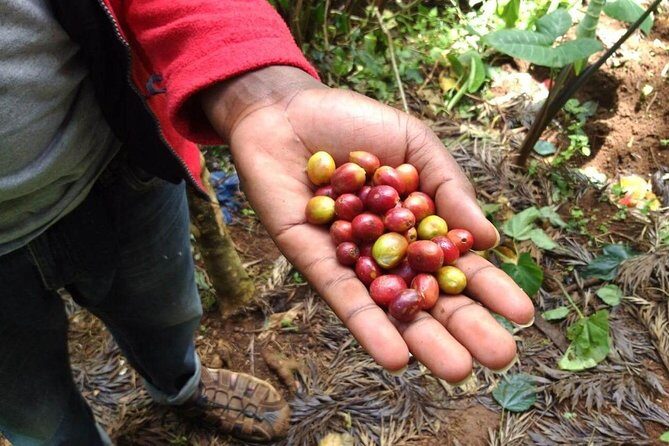
- Coffee farm time that’s hands-on, where you’ll make and drink coffee while traditional singing and dancing happen
- Kilimanjaro context from an accredited guide, including formation, beliefs, and old climbing routes
- A driver plus local guides, with reviews calling out strong organization and friendly, practical guidance
Materuni Waterfalls and Coffee: What $85 actually buys you

At $85 per person for a 6 to 8 hour outing, this is one of those days that tries to give you more than a single photo stop. You’re paying for transportation from Arusha, guided time, and experiences that tend to cost extra elsewhere: a waterfall visit (with admission included) plus a coffee-focused cultural session.
What makes the value feel real is the mix of walking, stories, and food. You’re not just “taken somewhere,” you’re brought through the route—past local homes, into working farm space, and into a coffee routine that includes tasting. If you like tours that feel like a window into daily life rather than a checklist, this fits.
The price also matters because it’s a private setup for your group. In other words, you can ask questions and keep the pace comfortable without feeling like you’re stuck in a long bus-line of strangers.
A few more Arusha tours and experiences worth a look


Getting from Arusha to the trail: pickup, timing, and group pace
The day starts in Arusha, Tanzania, and ends back at the same meeting point. Pickup is offered, and the schedule runs daily within 8:00 AM to 4:00 PM.
This matters because Materuni days can feel long if you’re moving slowly at the start. With pickup, you lose less time doing logistics and more time learning and walking. Also, since it’s private for your group, the timing can feel more human. You’re not stuck waiting while a larger group reunites.
A useful practical point: the tour runs only if the weather cooperates. If the conditions look rough, plan for a different date or a full refund. That’s a big deal for safaris and treks around Arusha, where one bad rain window can change everything.
The 2-hour walk to Materuni Falls: Chaga life on the way
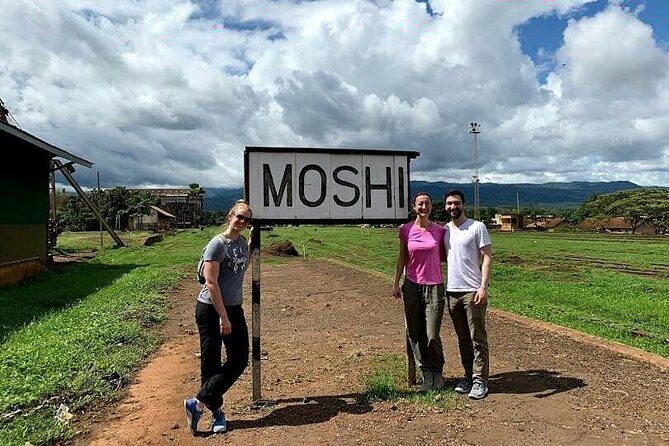
The heart of the day is the trek to Materuni Falls. Your local guide accompanies you for roughly two hours on foot, and you’re not walking through empty scenery—you’re moving through lived-in places.
Expect to pass through Chaga people residences, with your guide explaining what you see as you go. That includes local features like a bar where they sell local brews, plus a look at coffee farm space, rivers, and different fauna and flora. The tone here is practical: you learn what things are, what they’re used for, and how the landscape supports daily routines.
This part is also where reviews consistently sound the happiest. People praise the walk itself—especially the combination of route guidance and the fact that the guides make the trail feel understandable instead of random.
The main consideration
Two hours of walking means you should treat this as moderate activity. If your legs aren’t used to uneven ground, or if you arrive wearing worn-out shoes, you’ll feel it. And because the trip requires good weather, slick trails can turn an easy rhythm into slower, careful steps. Bring grippy footwear and take your time when the ground is wet.
Waterfall time: what to expect once you arrive
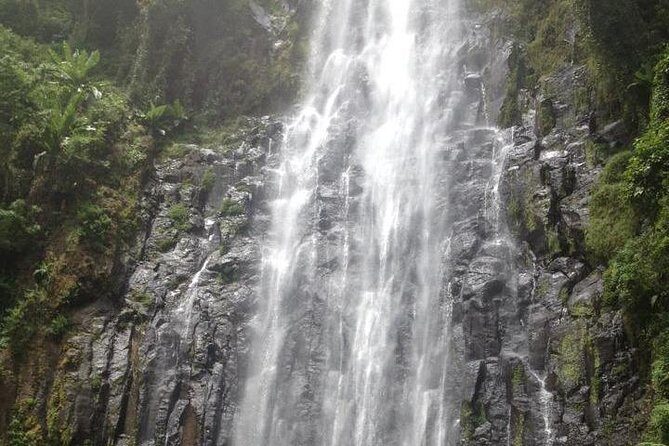
You’re walking for a reason, and once you get to Materuni Falls, the day stops being abstract and becomes real. The tour includes the waterfall admission ticket, which is helpful because it removes one more step of figuring out payment and entry.
From a practical point of view, waterfall visits are never just a single moment. You’ll likely spend time taking in the falls, listening to your guide’s explanations, and getting a feel for the area before moving on. If you like getting oriented—seeing how water flows, how people talk about it, and how the route fits into the wider area—this is the right kind of stop.




A quick tip for pictures and comfort
Waterfall time is when you’ll want to slow down. The best shots often come when you’re not rushing. Also, if you’ve been on foot for a couple hours, take a minute to breathe, hydrate, and adjust your plans—especially if you’re dealing with damp air.
Kilimanjaro stories with an accredited guide: more than trivia
After the waterfall trek, the day adds something that helps you connect Arusha to the bigger story of Tanzania: Kilimanjaro.
An accredited guide explains Mount Kilimanjaro’s formation, the tradition beliefs connected to the mountain, and the routes that used to be used to climb toward the top. Even if you’re not planning a summit attempt, this part gives context for why Kilimanjaro matters beyond the postcard.
What I like about this section is that it doesn’t read like a dry lecture. It’s tied to place and meaning, using the same guided style you get on the trek. You’re learning through explanation, and the ideas feel more grounded when you’ve just spent hours moving through the local environment.
Why this matters for your day
A lot of waterfall and coffee tours can feel like two separate items stitched together. Here, Kilimanjaro adds a “why” layer: water, land, belief, and routes all connect in the same worldview. If you came to Arusha wanting real cultural context, not only activities, this hits that goal.
Coffee farm making and tasting: singing, dancing, and learning the process
This is where the tour becomes something you’ll remember with your senses, not just your camera roll.
You’ll spend time with the coffee team and learn how coffee is made and served. The experience includes making and drinking coffee, and it comes with traditional singing and dancing. This isn’t just background entertainment—it’s part of the way the day communicates respect for the craft.
Reviews highlight two key things here:
- Guides who describe their work on the local coffee farm in a friendly, clear way
- The day’s rhythm, which includes food and a warm, welcoming atmosphere rather than a rushed tasting
After the tasting, you can also buy roasted coffee beans to take home. That’s a practical souvenir option because it’s consumable and tied directly to what you experienced. If you enjoy coffee anyway, this gives you something more personal than a generic magnet.
What I’d do if coffee is your thing
Ask questions during the coffee-making moment. Pay attention to the steps and the reasons behind them, since you’ll get a much better flavor memory. And if you plan to buy beans, don’t leave it until the last second—give yourself time to ask what’s best for your taste.
The meal and the rhythm of the day: why the pacing feels good
At several points, reviews mention the meal as a highlight. That’s not a small detail. On a 6 to 8 hour schedule with walking, you need food that keeps your energy steady—especially if you’re going to be active again later.
The value of the meal isn’t only the calories. It also acts like a reset point: you sit, you recover, and you get a calmer moment to chat with your guides while the day’s main activities shift gears.
If you prefer tours where the day has emotional texture—walk, explanation, culture, food, coffee—you’ll probably appreciate how this one is arranged.
Timing, weather, and what to pack for a comfortable day
The tour runs in the daytime window 8:00 AM to 4:00 PM, and it depends on good weather. If conditions are poor, you’ll be offered a different date or a full refund. In practice, this means you should plan to be flexible.
For packing, keep it simple and practical:
- Grippy shoes for uneven ground
- A light rain layer (because weather can shift quickly around Arusha)
- Water and a small snack only if you know your group routine allows it; otherwise, follow your guide’s lead
- A camera that won’t panic if it gets misty near the falls
Since the experience is “most travelers can participate,” you don’t need to be an athlete. But you should expect walking time and be honest with yourself about your comfort level on trails.
Who this tour suits best (and who might want to choose something else)
This is a great fit if you want a day that mixes nature, culture, and hands-on food. It suits people who:
- Enjoy guided walking with explanations
- Want real local context instead of only scenic stops
- Like coffee and don’t mind learning the process
- Appreciate traditional performance as part of the day, not as a separate event
It may be less ideal for people who:
- Prefer minimal walking
- Have very limited mobility for uneven terrain
- Hate rain delays and would rather lock in a strictly weather-proof plan
Remember: the trip requires good weather. If you’re in Arusha during a time when rain is common and you can’t adjust your schedule, consider building in extra flexibility.
Price vs value: where your $85 shows up
Let’s break down the value in plain terms.
For $85, you’re getting:
- Pickup and transport within a full day
- A guided walk to the falls with about two hours on foot
- Admission included for the waterfall visit
- A coffee farm experience with making and drinking coffee
- Traditional singing and dancing during the coffee portion
- An accredited Kilimanjaro explanation
- A meal during the day (called out as fabulous in reviews)
That’s a lot bundled together for one day. Many activities in this area are either “just transport + photos” or “just a single attraction.” This tour tries to stitch multiple meaningful parts into one outing—walk + water + local explanation + coffee craft.
If you like efficiency but also want depth, you’ll likely feel the money went toward real experiences. If you’re mostly after one thing (like only the waterfalls, or only a coffee tasting), you might compare options and decide whether bundling is your style. But for most people, the combination is exactly the point.
Book it, but book smart: a few final tips
This tour is popular enough that it’s often booked about 43 days in advance. If your dates are fixed, don’t wait for the last minute. Also, because it’s private, availability can tighten when groups want the same day.
Before you go, do a quick self-check:
- Can you handle a two-hour walk on uneven ground?
- Are you okay with weather-driven changes?
- Do you enjoy interactive experiences like cooking or making things, not only watching?
If yes, you’re in the right place. This is the kind of day where the best moments come from asking questions, taking your time on the trail, and letting the coffee experience become more than a tasting.
Should you book the Materuni Waterfalls and Coffee Tour?
I’d book it if you want a balanced Arusha day: active but not extreme, guided and educational, and anchored by two parts people actually talk about—the waterfall trek and the coffee farm experience with singing and dancing.
Choose a different option if you want something strictly restful, weather-proof, or you’d rather skip walking and cultural context. Otherwise, this tour gives you a strong mix for the money, and the reviews’ themes—good organization, friendly local guidance, and a meal that hits—match the shape of the day.
If you’re traveling with limited time in the region and want one outing that covers water, local life, and coffee craft, this is an easy yes.
FAQ
How long is the Materuni Waterfalls and Coffee Tour?
The tour lasts about 6 to 8 hours.
What does the Materuni Waterfalls and Coffee Tour cost?
It costs $85.00 per person.
Is pickup offered from Arusha?
Yes, pickup is offered, and the tour starts and ends at the meeting point in Arusha, Tanzania.
What activities are included during the day?
You’ll do a trek to Materuni Falls and then have a coffee experience where you make and drink coffee with local guides, including traditional songs and dancing. The day also includes explanations about Mount Kilimanjaro.
Is the waterfall admission ticket included?
Yes, the admission ticket for the waterfall is included.
What are the operating hours?
The tour runs Monday to Sunday from 8:00 AM to 4:00 PM.
What is the cancellation policy and what happens if weather is bad?
You can cancel for free up to 24 hours in advance for a full refund. If the experience is canceled due to poor weather, you’ll be offered a different date or a full refund.