REVIEW · MOSHI
Kilimanjaro Trek 7 Days – Machame Route
Book on Viator →Operated by Kilitwende Adventures · Bookable on Viator
Kilimanjaro feels bigger than photos. The Machame Route mixes rainforest, high moorland, lava scenery, and a summit night push that gets you to Uhuru Peak with smart pacing.
I especially love the route’s changing habitats day after day, and the way the team logistics remove stress (camp support, meals, and transfers). I also like that the climb includes real comfort basics like camping setup, a portable flush toilet setup, and an oxygen tank for emergencies.
My one caution: this trek is still physically demanding and cold at altitude. Also, key gear like a sleeping bag isn’t included, so you’ll want to plan that shopping list early.
In This Review
- Key things I’d focus on before you book
- Machame Route, aka the Whiskey Route: what you’re really signing up for
- Price and logistics: what $2,890 buys you (and what it doesn’t)
- Is it good value?
- Starting in Moshi: your first big day begins with a drive
- Day-by-day on the Machame Route (7 days, smart altitude rhythm)
- Day 1: Rain forest to Machame Camp (2,833m)
- Day 2: Heath and moorland to Shira Cave Camp
- Day 3: Up toward Lava Tower, then down to Barranco Camp (the acclimatization hinge)
- Day 4: Great Barranco Wall to Karanga Valley and Karanga Camp
- Day 5: Barafu Hut and the Southern Circuit with summit angles
- Day 6: Midnight to Stella Point, then Uhuru Peak at the end
- Day 7: Mweka Gate and the certificates finish line
- Camps, meals, and the small comfort wins that matter at altitude
- Guides, cooks, porters: why the team usually makes or breaks the trek
- Who should choose the Machame 7-day trek, and who should think twice
- Weather and what it means for your plan
- Final call: should you book Kilitwende Adventures for the Machame Route?
- FAQ
- How long is the Kilimanjaro Machame Route trek?
- What does the trek price include?
- What is not included in the price?
- What time does the trek start and where do you meet?
- What kind of accommodation and toilets will I have on the mountain?
- Is this a private tour?
- What happens if weather is poor?
Key things I’d focus on before you book
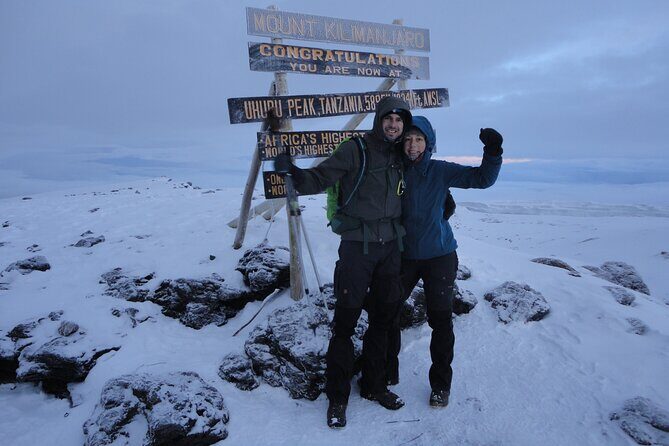
- Machame’s scenery jump-cuts: rainforest to heath to alpine desert to arctic cold.
- Acclimatization built into the profile, including time up near Lava Tower before descending to sleep.
- A summit plan that’s simple but serious: midnight start, Stella Point at sunrise, then Uhuru Peak.
- Comfort and safety basics included: sleeping setup, portable flush toilet tent, and an oxygen tank for emergencies.
- Food and camp support that make long days feel more manageable, including accommodation for diet needs reported by past hikers.
Machame Route, aka the Whiskey Route: what you’re really signing up for
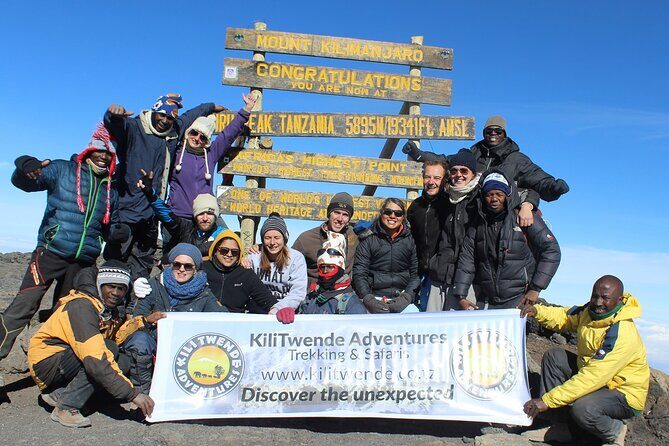
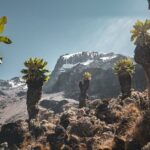
People call Machame the Whiskey Route for a reason, but the better reason to choose it is what you’ll experience on the ground: variety. Instead of hiking through one long, similar-looking zone for days, you keep stepping into new ecosystems. One day you’re walking under canopy in rain forest. The next, you’re threading through heather and open moorland. Then you’re moving across alpine desert, where the rock feels volcanic and the sky is sharp.
Machame also has a reputation for being a crowd favorite with a strong completion rate, and the 7-day timing matters. That extra day on many Kilimanjaro plans gives your body more chances to adjust to altitude instead of rushing head-first to the top.
And Moshi is the right base town for this. You’ll start near sea level-ish comfort, eat breakfast, then ride up toward the gate area with a full day of hiking still ahead.
You can also read our reviews of more hiking tours in Moshi
Price and logistics: what $2,890 buys you (and what it doesn’t)
At $2,890 per person, this price isn’t just “a guide and some trekking.” It covers a long list of costs that add up fast on Kilimanjaro: park entry fees, camping fees, forest fees, and rescue fees (including VAT on tour fees and services). It also includes the crew wages as approved by the Kilimanjaro Park Authority and associations.
On top of fees, you get the camp and daily-support pieces that make or break a mountain trek:
- Camping setup like sleeping tents and dining tents
- A mattress and seating basics (including foam 1.5 inches thick, plus table/chairs)
- Three meals a day during the climb
- A portable flush toilet with a toilet tent
- Transfers to/from the mountain gates, plus round-trip airport transfers to Kilimanjaro International Airport (JRO)
You also get two hotel nights (bed and breakfast) around the trek. That matters more than it sounds. Arriving in Tanzania, sleeping well, and eating a proper breakfast before Day 1 can help you start strong.
What the price does not include is mostly personal gear and extras. You’ll be responsible for things like a sleeping bag, duffle bag, hiking boots, and walking sticks (plus tips for guides, cooks, and porters). You’ll also pay for lunch/dinner and drinks while you’re at the hotel in Moshi, and international or domestic flights aren’t included.
Is it good value?
For me, it’s value if you want the “full mountain package” without stitching together logistics yourself. You’re paying for the setup, the fees, and the day-to-day operations. If you already own everything (especially a warm sleeping bag) and you’re comfortable managing permits and transfers on your own, you could theoretically reduce costs elsewhere. But if you want a clean, supported climb, this package is built for that.
Starting in Moshi: your first big day begins with a drive
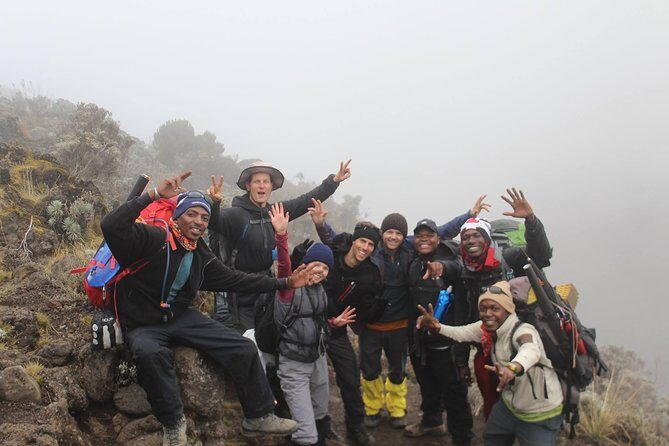
Your start time is 8:30 am, and pickup is offered. After breakfast, the ride from your Moshi hotel to the Machame gate takes about an hour. The drive passes the village of Machame on the lower slopes, so even before Day 1 begins, you’re seeing the mountain’s human footprint.
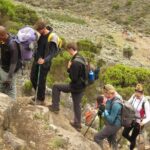
From the gate, you start your hike through dense rain forest on a winding trail up a ridge, heading toward Machame Camp at 2,833m (9,350 ft).
Day-by-day on the Machame Route (7 days, smart altitude rhythm)
A few more Moshi tours and experiences worth a look
Day 1: Rain forest to Machame Camp (2,833m)
You’ll hike about 11 km and take around 5–7 hours. The focus is elevation gain through rain forest, with the trail winding as you move up toward camp.
Why this day matters: it sets the tone and lets your legs warm up while the air still feels friendly. You’re not trying to smash a summit goal. You’re building “mountain time.”
What to watch: rain forest trails can mean mud and slippery spots. Bring footwear you trust, and keep your pace steady.
Day 2: Heath and moorland to Shira Cave Camp
Day 2 is shorter on paper—about 5 km and roughly 4–6 hours—but it’s still altitude work. You leave the rain forest glades and climb into heath and open moorland. Then you cross a large river gorge area before arriving at Shira Cave Camp.
Why this day matters: the scenery changes quickly. One moment you’re in greenery and shade; the next you’re in wide, open views with higher-altitude plants.
Small reality check: moorland wind can start to show up. Even if you feel fine at midday, it can turn chilly later.
Day 3: Up toward Lava Tower, then down to Barranco Camp (the acclimatization hinge)
This is the Machame profile moment. The day is about 7 km total at 4–5 hours for the first part, plus another 3 km (about 2–3 hours) as you descend toward camp.
You’ll head east toward Lava Tower, a tall volcanic rock formation (about 4,603m / 15,190 ft). After lunch, you descend to Barranco Camp at 3,953m (13,044 ft) through the Senecio Forest.
Here’s why I like this day: the plan has you spend time at higher altitude and then sleep lower. That’s the kind of acclimatization rhythm that can reduce the pressure on your body.
The tradeoff: you’re still exposed. Lava Tower areas and later ridges can be cold and windy, and descent trails can be rough underfoot.
Day 4: Great Barranco Wall to Karanga Valley and Karanga Camp
Day 4 starts with a descent into the base of the Great Barranco Wall. Then you climb a steep cliff section that’s described as non-technical but steep, with about 900 ft of elevation rise. After reaching the top, the route crosses hills and valleys, then descends sharply into Karanga Valley, noted as the last water point. You’ll continue up to Karanga Camp, arriving for lunch, then do a shorter acclimatization walk later in the afternoon.
Why this day matters: the Barranco Wall is the “character-building” climb of Machame. It’s steep, but it’s within the plan’s rhythm and not a technical scramble.
Watch-outs: steep switchbacks can hit your quads hard. If you tend to rush, this is where that habit punishes you. Go slow and smooth.
Day 5: Barafu Hut and the Southern Circuit with summit angles
From Karanga Camp, you’ll pass the junction that connects with the Mweka Trail, and continue through rocky sections to Barafu Hut. This is described as completing the Southern Circuit and gives you views of the summit from different angles. After you arrive at camp, you rest, have an early dinner, and prepare for summit night.
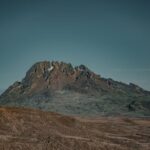
This is also a day where you may get clear views of major peaks. When the weather is cooperative, you can see Mawenzi and Kibo.
Why this day matters: you’re mentally shifting gears. By now, you’ve been walking at altitude for days, so your body has a sense of what’s coming. Summit night becomes a plan you can feel, not a distant idea.
Practical consideration: sleep can be tough on summit-prep nights. Keep your gear arranged so you’re not searching in the dark.
Day 6: Midnight to Stella Point, then Uhuru Peak at the end
This is the big one. You start the push to the summit at midnight. The trek is described as the most mentally and physically challenging portion, with wind and cold weather.
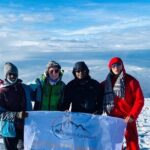
You hike in darkness for several hours, taking short breaks. You reach Stella Point (18,900 ft) at sunrise. From there, you continue to Uhuru Peak (5,895m / 19,341 ft), the highest point on Kilimanjaro.
After a short time on the summit for photos, you begin the descent to Mweka Camp (noted as about 12 km / 7 miles, around 4–6 hours, in rain forest habitat).
Why this day matters: this is where the whole trip gets validated. It’s also where pacing and cold-weather readiness matter most. Even if you’ve felt strong earlier in the trek, summit day can feel like a different sport.
One more point: the plan includes an oxygen tank for emergency. That doesn’t eliminate altitude risk, but it’s a piece of safety planning you’ll appreciate.
Day 7: Mweka Gate and the certificates finish line
After breakfast, you hike the final descent to Mweka Gate (about 3 hours). You’ll sign out with the park authority and collect your summit certificates. Then a vehicle transfers you back to your Moshi hotel.
Why this day matters: it’s a relief day. You’re still moving downhill in altitude terrain, but you’re no longer fighting for another night at altitude. It’s the day you’ll remember the whole trek as one continuous story.
Camps, meals, and the small comfort wins that matter at altitude
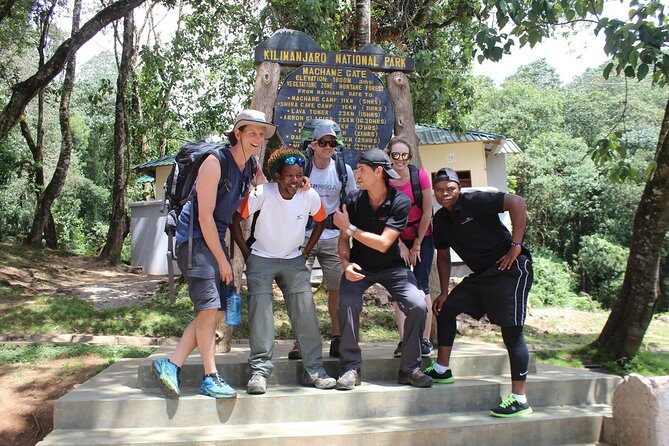
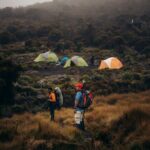
I like that the package doesn’t leave camp basics to chance. You’ll have sleeping tents and a dining tent, plus table and chairs. The mattress is foam, described as 1.5 inches thick. That’s not a plush hotel bed, so if you’re sensitive to sleeping on the ground, you might want to plan a bit of extra padding for your comfort.
Food is included as three meals a day during the climb. Past hikers in the shared feedback highlight the quality of cooking and the feeling of being well taken care of. One guest even mentioned diet restrictions being accommodated. That’s not a tiny detail on Kilimanjaro when you need steady energy.
And then there’s the toilet setup: a portable flush toilet with a toilet tent. On a trek this long, that’s a real comfort upgrade compared to the typical basics.
Guides, cooks, porters: why the team usually makes or breaks the trek
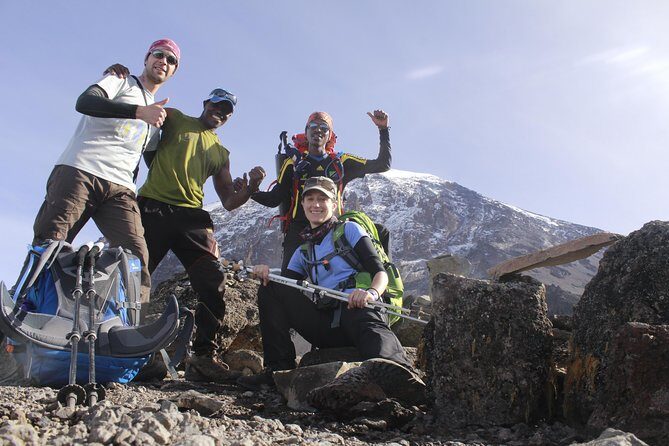
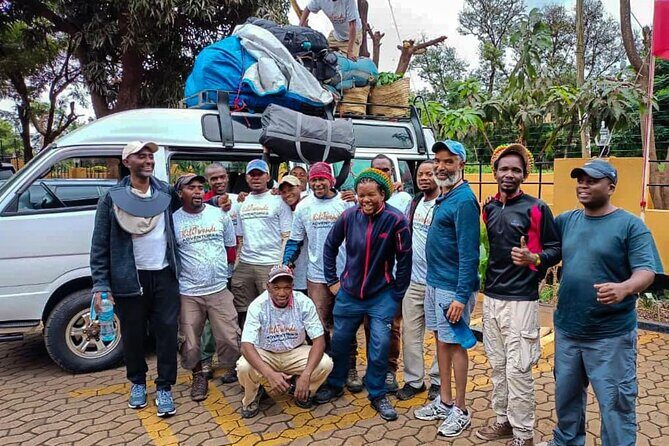
This kind of trek runs on teamwork. Kilitwende Adventures uses guides, cooks, and porters, and the included fees cover their wages approved by park and associations. That’s a good sign that the operation is set up for safety and continuity.
In the feedback, I saw names like Jerry, Joseph, and Sadhi tied to guiding experiences. You might also meet team members referred to as John, Bob, Bobby, Nate, or Robert. The common thread in the praise: professionalism, patience, and strong human support when the climb gets hard.
A few specific things you’ll benefit from:
- If you struggle with pace, a good guide helps you keep breathing in control.
- If you get tired, the team’s camp rhythm keeps you from falling behind.
- If you’re worried about safety, strong coordination makes you feel steady.
I’ll be honest: you can have the best route in the world and still have a rough time with the wrong team. The positive feedback here is mostly about people handling the details so you can focus on walking.
Who should choose the Machame 7-day trek, and who should think twice
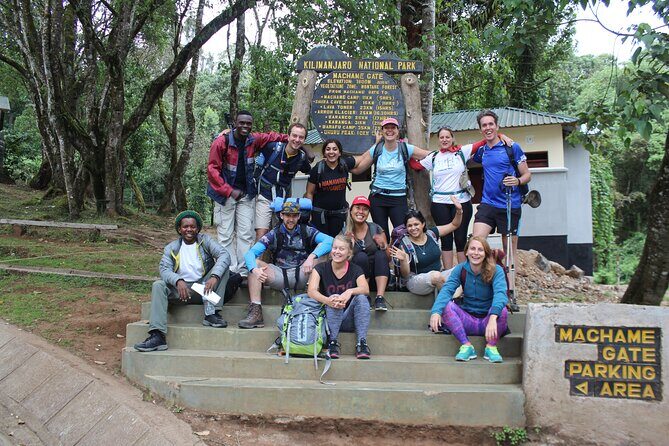
This trek is for hikers with moderate physical fitness. “Moderate” doesn’t mean easy. It means you can handle long days, steep moments (like the Barranco Wall), and very cold night conditions on summit night.
You’ll likely enjoy Machame if you:
- Want changing scenery more than a single “same view all day” hike
- Prefer a route with an acclimatization rhythm built in
- Appreciate a guided camp setup with real meals and support
You should think twice if:
- You’re not willing to invest in cold-weather basics, especially a sleeping bag
- You get discouraged by very steep sections and long summit-day effort
- You’re expecting a comfortable experience all the way to Uhuru Peak
Weather and what it means for your plan
Kilimanjaro is weather-dependent. The experience notes that it requires good weather, and if it’s canceled due to poor weather, you’ll be offered a different date or a full refund. That’s how mountain operations work here. You’re not just buying a reservation—you’re buying a chance to go when conditions allow.
Also remember: even on clear days, summit night is cold and wind can be part of the deal.
Final call: should you book Kilitwende Adventures for the Machame Route?
If you want a supported, structured 7-day Machame Route with park and rescue fees handled, meals included, airport transfers arranged, and camp comfort basics taken care of, I think this is a strong fit. The price looks high on paper, but a lot of what costs money on Kilimanjaro is rolled in here, including the crew operations and camp setup.
I’d book it if you:
- Want Machame’s route profile and scenery variety
- Like the idea of acclimatization pacing (especially the Lava Tower to Barranco rhythm)
- Prefer a team known for safety, care, and getting people to the summit
I’d hesitate if you:
- Haven’t planned your cold-weather gear and don’t want to buy a sleeping bag
- Want a short, low-effort hike (this is not that)
- Hate steep climbs like the Barranco Wall
If you can commit to the physical effort and prepare properly for cold nights, this trek can turn into one of those trips you talk about for years. The route gives you enough surprises to keep your eyes up, and the team support helps you keep going when your legs start arguing.
FAQ
How long is the Kilimanjaro Machame Route trek?
It’s listed as a 7-day trek (approx.).
What does the trek price include?
The package includes park entry fees, camping fees, forest fees, rescue fees (with 18% VAT on tour fees and services), crew wages, camping gear like sleeping tents and mattresses, hotel accommodation for 1 night before and 1 night after (bed and breakfast), transfers to and from the mountain gates, round-trip airport transfers to Kilimanjaro International Airport (JRO), a portable flush toilet setup, oxygen tank in case of emergency, and three meals a day during the climb.
What is not included in the price?
Not included are hotel lunches/dinners and drinks while in Moshi, tips for your guides/porters/cooks, personal gear such as a sleeping bag and hiking boots, personal travel documents, flights, and laundry services.
What time does the trek start and where do you meet?
The meeting point start time is 8:30 am.
What kind of accommodation and toilets will I have on the mountain?
You’ll sleep in a tent with a foam mattress (1.5 inches thick) and have a dining tent setup. There’s a portable flush toilet with a toilet tent.
Is this a private tour?
Yes. It’s described as private, meaning only your group will participate.
What happens if weather is poor?
The experience requires good weather. If it’s canceled due to poor weather, you’ll be offered a different date or a full refund.