REVIEW · MOSHI
Kilimanjaro Climb – 6 Days Marangu Route
Book on Viator →Operated by Incredible Africa Adventures · Bookable on Viator
Kilimanjaro gets real fast at 4,700m. This 6-day Marangu route from Moshi keeps things more structured with permanent sleep huts, planned altitude steps, and a summit attempt that starts from Kibo Hut. It’s the famous Coca-Cola route for a reason: fewer days, hut comfort, and a clear schedule.
I like how the trip is built around sensible support. You get private airport transfers, a head guide for a briefing and gear check, and on-mountain team help with guides, cook, and porters. From the reviews, I also love the human side: Octavian (the key person at Incredible Africa Adventures) is described as responsive and willing to customize needs, and the guides and chef team (like Alex, Rafael, Manme, and chef King) focused on keeping people supported and well fed.
One consideration: Marangu does not give you a lot of extra acclimatization time, and it also shares the same path for going up and coming down. That means more traffic and, historically, a lower summit success rate than routes with more gradual schedules.
In This Review
- Quick hits you’ll care about
- Marangu in plain English: hut sleeps and what that means for you
- Price and logistics: what $2,200 includes (and why it’s not just a number)
- The route in your head: altitude steps from rainforest to summit night
- Day-by-day: what each stop feels like and what to watch for
- Day 1: Marangu Gate to Mandara Huts through rainforest
- Day 2: Mandara Huts to Horombo Huts into moorland
- Day 3: Horombo acclimatization day (the breathing practice day)
- Day 4: Horombo Huts to Kibo Huts, the move into desert terrain
- Day 5: Kibo Huts to summit (Uhuru Peak) and the descent start
- Day 6: Horombo Huts down to Marangu Gate for your summit certificate
- Guides, porters, and meals: the support that makes hard days survivable
- Safety gear that’s actually included: oxygen, ox-meter, and first aid
- Who Marangu suits best (and who should think twice)
- Tips you should know before you go (no fluff, just the useful stuff)
- Should you book this Kilimanjaro 6-day Marangu climb?
- FAQ
- How long is the Kilimanjaro climb on the Marangu route?
- Where does the climb start and how do you get there?
- What are the main overnight huts on this route?
- How does summit night work on the Marangu route?
- Are meals included during the climb?
- What safety equipment is included?
- What’s included in the tour price besides guiding?
- What’s not included?
- Will I receive a summit certificate?
- What if the weather is poor or I need to cancel?
Quick hits you’ll care about
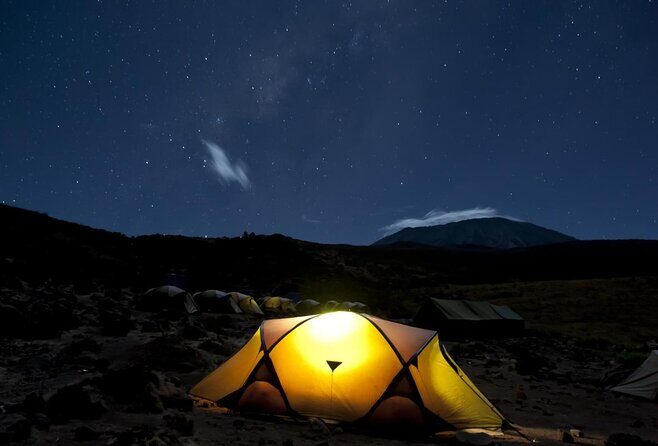
- Permanent sleep huts at the campsites make the “up and down” feel more manageable than camping routes
- Summit night from Kibo Hut is steep and passes Gilman’s Point on the way to Uhuru Peak
- A built-in acclimatization day at Horombo helps, even though Marangu is still a faster itinerary
- Oxygen tanks, ox-meter, and emergency first-aid kit are included for peace of mind
- 3 hot meals daily on the mountain removes a big day-to-day worry
- Professional guides plus cook and porters are part of the package, so you’re not self-managing everything
Marangu in plain English: hut sleeps and what that means for you
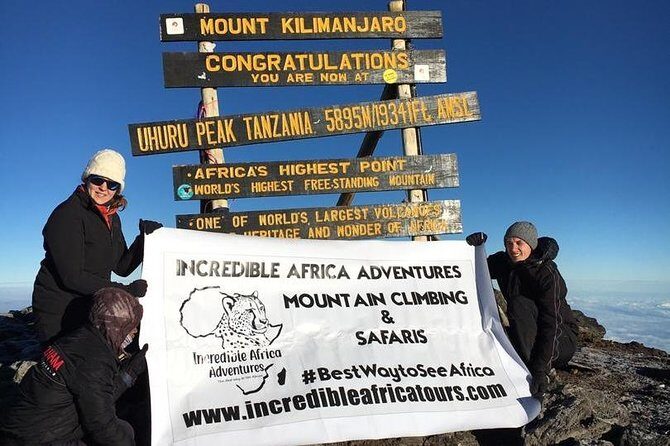
The Marangu route is often called the Coca-Cola route because it’s one of the most popular ways to climb Kilimanjaro. The big practical difference is sleep: you’re in permanent huts at the campsites, not pitching tents and sleeping under canvas. If you’re the kind of person who wants to focus on the climb instead of camp chores, that matters.
Another key detail is the route design. Marangu uses the same trail for ascent and descent, so you’ll see more people on the path—especially around the same high-traffic sections. That doesn’t automatically mean it’s unpleasant, but it does mean you should expect crowds in places where other routes can feel quieter.
And then there’s the tradeoff. Marangu’s “shorter and steeper” profile generally gives you less time to acclimatize, which can impact how your body handles the summit night. It’s not a reason to avoid Kilimanjaro—it’s just a heads-up so you plan smart.
A few more Moshi tours and experiences worth a look
Price and logistics: what $2,200 includes (and why it’s not just a number)
At $2,200 per person, this is a private 6-day Kilimanjaro climb organized by Incredible Africa Adventures, based in Moshi. For many people, that price feels “high” until you look closely at what’s actually covered.
What’s included is the stuff that usually costs real money and real time:
- Private transport to and from Kilimanjaro International Airport
- Accommodations (including the hut stays on the mountain)
- Park fees and all taxes
- 3 hot meals daily on the mountain
- Professional mountain guides, cook, and porters
- Portable oxygen tanks, ox-meter, and an emergency first-aid kit
On a climb like this, guides and porters aren’t optional frills. They handle pace, safety protocols, and day-to-day logistics so you can spend your energy on breathing and walking. The included oxygen equipment also helps you feel calmer—though it’s still not a guarantee, and you still need to take acclimatization and hydration seriously.
What’s not included is also important for budgeting. Your hotel lunches/dinners and drinks before and after the climb are on you, plus travel insurance, personal items/toiletries, and tips for the guides, porters, and cook.
The route in your head: altitude steps from rainforest to summit night
This climb is laid out in altitude “chunks” that build gradually—but not slowly. You’ll start at the Marangu Gate area and work your way up through three main hut zones:
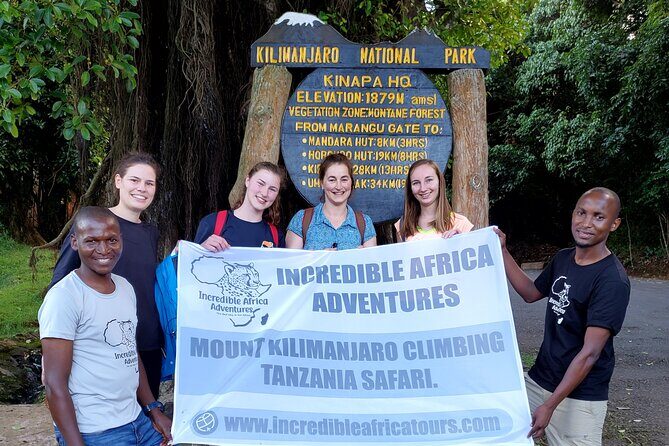
- Mandara Huts (2,750m)
- Horombo Huts (3,780m) with an acclimatization day
- Kibo Huts (4,700m), where summit night begins
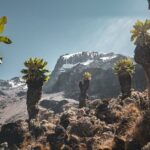
The itinerary also clearly separates ecosystems as you gain height. Day 1 is rainforest, Day 2 transitions to moorland, and Day 4 pushes into desert-like conditions. Those changes aren’t just scenic trivia. They affect how cold you feel, how your skin reacts, and how your body copes with wind and thinner air.
The single biggest physical day is usually Day 5: you’ll go from Kibo Huts to the summit. It’s long, steep, and the timing matters because summit night is cooler and the conditions can be demanding.
Day-by-day: what each stop feels like and what to watch for
Day 1: Marangu Gate to Mandara Huts through rainforest
You’ll trek about 4–5 hours over roughly 7 km, with an altitude gain around 950m. Expect the beginning to feel warmer and greener as you move through rainforest.
This day is mainly about getting into motion without going too hard. You’re gaining altitude quickly, but you’re not yet at the hardest “thin air” levels. I’d treat it like a warm start: steady pace, frequent sips, and don’t chase speed just because it feels easy.
You’ll end at Mandara Huts (2,750m) for overnight.
Day 2: Mandara Huts to Horombo Huts into moorland
Day 2 is a longer hike: around 5–6 hours, about 11 km, and roughly 1,030m of altitude gain. The environment shifts into moorland, which often feels more exposed and cooler than rainforest.
This is a day where you can feel altitude in your breathing, even if your legs still want to keep going. If you’re prone to rushing, use this day to practice calm: slower steps, relaxed shoulders, and measured breaths.
You overnight at Horombo Huts (3,780m).
Day 3: Horombo acclimatization day (the breathing practice day)
This is your “rest with a purpose” day. You’ll get time to relax, plus short hikes to help with acclimatization around Horombo. The goal isn’t to punish yourself; it’s to give your body cues that help it handle higher elevations later.
In real terms, this day can decide how you feel on summit night. If you use it well—rest early, keep your pace easy, and drink water consistently—you’ll likely step into Day 4 with less stress.
Day 4: Horombo Huts to Kibo Huts, the move into desert terrain
Day 4 is about 5–6 hours over roughly 12 km, with about 920m of altitude gain. You’ll shift into desert conditions as you climb toward Kibo Huts (4,700m).
The air gets drier and the ground can feel harsher underfoot. This is where clothing layers matter more than you think. You might start hiking in one temperature and end in another.
You sleep at Kibo Hut, and that sets you up for the big summit push.
Day 5: Kibo Huts to summit (Uhuru Peak) and the descent start
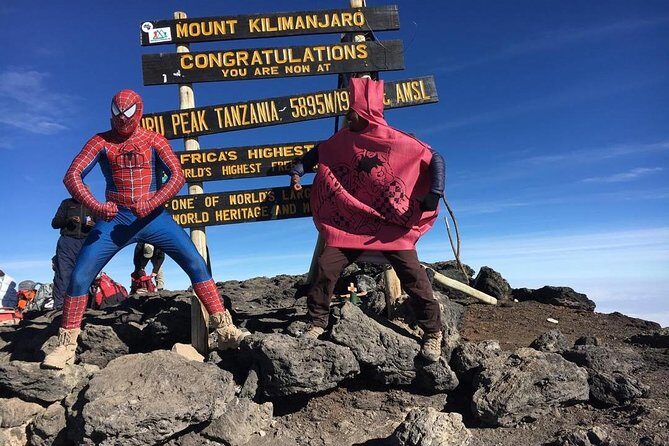
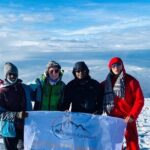
Summit day is the main event. The climb from Kibo Huts up to the summit is about 6–8 hours over around 7 km, with altitude gain around 1,145m. Along the way you pass Gilman’s Point before continuing to Uhuru Peak.
The guide-and-pace setup here matters a lot. This is steep trekking. Your job is to keep moving steadily in a way your body can sustain—small steps, controlled breathing, and patience when your mind wants to speed up.
After a short time on the roof (you’ll be able to experience the summit viewpoint before descending), you begin your descent with about 5–6 hours of trekking and approximately 1,975m+ of elevation loss noted for the segment. You’ll head back down toward the Horombo Huts area to finish the day for the next morning’s walk.
Day 6: Horombo Huts down to Marangu Gate for your summit certificate
Your final day is around 5–7 hours with a longer distance of about 18 km and total altitude loss around 1,878m. This is where your legs work hard in a different way: downhill can be tough on knees and calves.
You’ll also get an official reward. You’ll receive your Kilimanjaro summit certificate at Marangu Gate, then transfer back to your hotel in Moshi or Arusha.
Guides, porters, and meals: the support that makes hard days survivable
A strong climb is not only about altitude. It’s about who’s watching you when you’re tired.
In the reviews connected to this Kilimanjaro experience, Octavian is repeatedly mentioned as a key point of contact who anticipated needs and customized the adventure. That kind of responsiveness matters before you’re even at altitude—when you’re checking gear and making sure you have what you need.
On the mountain side, guides such as Alex, Rafael, and Manme are described as professional and caring. That’s exactly the behavior you want on a steep schedule: people who keep you moving but don’t ignore signs your body is struggling.
Then there’s the food. Chef King and the kitchen team are praised for keeping meals consistent and helpful through the climb. On Kilimanjaro, eating isn’t a luxury. It supports energy for hiking and helps you keep your body steady when temperatures drop.
Three hot meals a day while you’re on the mountain are included, which is one less thing you have to organize yourself at altitude.
Safety gear that’s actually included: oxygen, ox-meter, and first aid
This package includes portable oxygen tanks, an ox-meter, and an emergency first-aid kit. That doesn’t change the fact that Kilimanjaro can be serious, but it does mean you’re not going into the climb with only luck and willpower.
If you’re someone who worries about breathing at high altitude, this inclusion helps. The ox-meter lets your team monitor oxygen-related conditions, and the oxygen equipment gives an additional tool in the right circumstances.
Still, you should treat it as support, not magic. Your behavior matters: pace, hydration, rest, and how you manage effort on summit night.
Who Marangu suits best (and who should think twice)
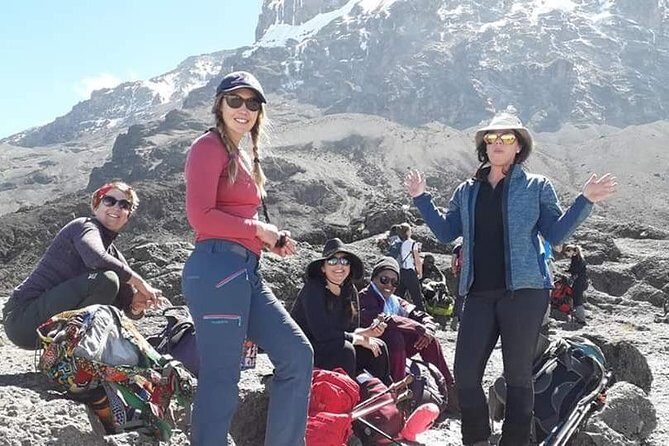
Marangu is often the best fit for people with limited time. It’s designed to be done in fewer days and uses hut sleeping, which is simpler logistically than camping routes.
It also fits you if you prefer a more structured plan with a rest/acclimatization day and clear transitions between ecosystems. The trail design (same ascent/descent) can bring crowds, but it can also make route-finding simpler when you’re tired.
I’d think twice if you know you struggle with acclimatizing on fast schedules. Because Marangu is shorter and steeper, you can feel altitude harder. If you’ve had past issues at elevation, consider planning for a slower pace of your own even when the itinerary is compact.
Tips you should know before you go (no fluff, just the useful stuff)
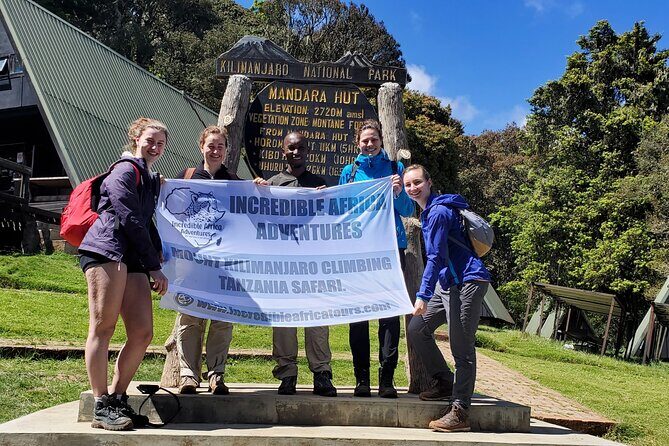
You’ll need strong physical fitness for this climb. “Strong fitness” here doesn’t mean running marathons; it means you can hike steadily for long hours and you recover between days.
Pack for temperature swings. You’ll move from rainforest warmth into desert-like cold, and summit night conditions can feel punishing. Layering is your friend.
Also, use the briefing. Your head guide handles a quick information session about Kilimanjaro and the Marangu route, plus a gear check and arranging for you to hire any equipment you might need. If anything is missing, address it early. Fixing a gap at altitude is miserable.
Finally, remember that this climb is private: only your group participates. That usually means you get more personal attention on pace and needs, which can help a lot on a steep summit night.
Should you book this Kilimanjaro 6-day Marangu climb?
Yes, if you want a hut-based Kilimanjaro route with a clear schedule, included mountain meals, and a team that’s known for caring support. The mix of private airport transfers, professional guides plus porters, and the inclusion of oxygen and monitoring gear makes the experience feel more controlled than many self-organized climbs.
Think twice if your main goal is maximum odds for the summit and you’re sensitive to altitude. Marangu’s faster, steeper nature and shared trail traffic mean it can be harder for your body to adjust compared with routes that take more days.
My practical advice: if you book, train for consistent hiking, respect pacing on summit night, and take the acclimatization day seriously. In that order.
FAQ
How long is the Kilimanjaro climb on the Marangu route?
This experience is listed as 6 days (approximately).
Where does the climb start and how do you get there?
You’re picked up at Kilimanjaro Airport. There’s a private transfer for an overnight stay at your hotel, and the mountain part starts from the Marangu Gate area.
What are the main overnight huts on this route?
You sleep at Mandara Huts, then Horombo Huts, then Kibo Huts. The itinerary includes a full acclimatization day at Horombo.
How does summit night work on the Marangu route?
On the summit day, you start from Kibo Hut, trek to Uhuru Peak, and you pass Gilman’s Point along the way. The ascent from Kibo is described as steep.
Are meals included during the climb?
Yes. You get 3 hot meals daily while on the mountain. Lunches, dinners, and drinks at your hotel before and after the climb are not included.
What safety equipment is included?
Included items are portable oxygen tanks, an ox-meter, and an emergency first-aid kit.
What’s included in the tour price besides guiding?
The package includes private transport to and from the airport, accommodations, park fees and all taxes, and a full on-mountain team: professional guides, cook, and porters.
What’s not included?
Not included: travel insurance, personal items and toiletries, tips for guides/porters/cook, and hotel lunches/dinners/drinks before and after the climb.
Will I receive a summit certificate?
Yes. You’ll get your Kilimanjaro summit certificate at Marangu Gate.
What if the weather is poor or I need to cancel?
The experience requires good weather. If it’s canceled due to poor weather, you’ll be offered a different date or a full refund. You can cancel for a full refund up to 24 hours in advance; canceling later means no refund.