REVIEW · NUNGWI
Zanzibar: Nungwi Kilosa Zoo Conservation Tour
Book on GetYourGuide →Operated by Zanturtle Explore Tours and Safaris · Bookable on GetYourGuide
Hands-on conservation beats a typical zoo stop. At the Kilosas Conservation Center in Nungwi, you get a compact, guided experience that focuses on protecting local wildlife and showing you what’s at stake.
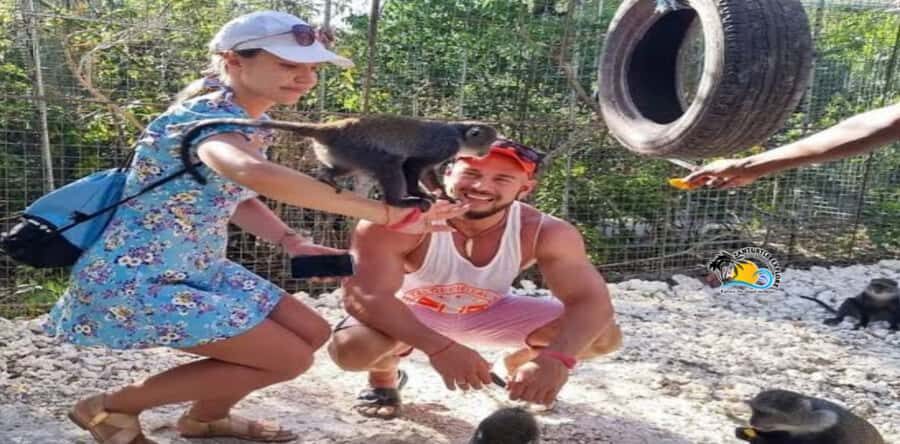
I really like the chance to participate through touch and feeding during the guided visit, which turns learning into something you can actually feel. And when the guide brings energy (I’ve heard guides like Mufasa explain things with jokes and an easy smile), the whole walk-through stays lively without rushing.
One consideration: this is a light, no-frills outing, and aside from the welcome bottle of water, you shouldn’t count on lots of drinks or a full snack stop. Also, it’s short, so it won’t replace a longer safari day.
In This Review
- Why Kilosas in Nungwi Works So Well for a Short Tour
- Nungwi Zoo-Style Conservation, But With Real Purpose
- Price and What You Get for $45 in 2 Hours
- Getting There Smoothly: Hotel Pickup to Kilosas Entrance
- The Guided Tour Flow: Learn First, Then Touch and Feed
- Endangered Species You Might Meet (and Why It Matters)
- Meet the Full Cast: Monkeys, Reptiles, Tortoises, Birds, More
- Conservation Education and Community Responsibility
- Family-Friendly Timing and Photo Tips
- What to Bring, What to Skip, and Animal Etiquette
- Who This Tour Fits Best in Zanzibar
- Should You Book the Zanzibar Nungwi Kilosas Zoo Conservation Tour?
- FAQ
- How long is the Zanzibar Nungwi Kilosas Conservation Tour?
- Where is the tour located?
- What is included in the price?
- Are meals or other drinks included?
- Which languages is the live guide available in?
- What animals might I see?
- Is touching or feeding allowed?
- Can I bring a pet?
- What should I bring?
Why Kilosas in Nungwi Works So Well for a Short Tour
- Hands-on animal interaction happens as part of a guided, conservation-focused route
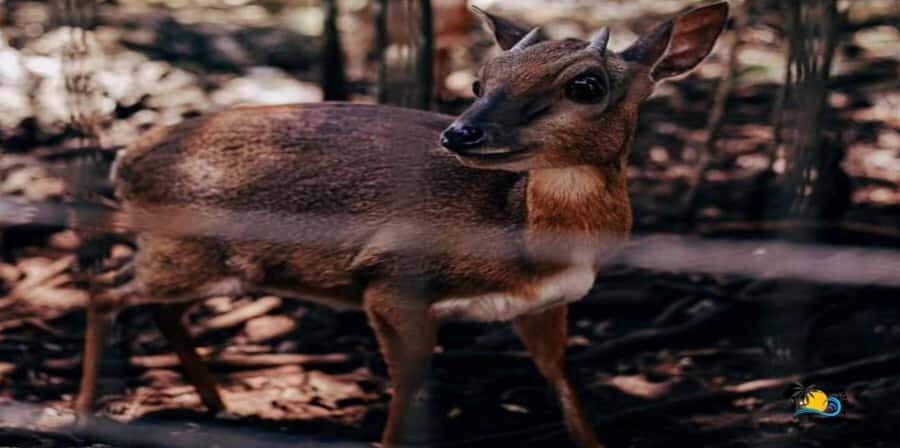
- Endangered species with local ties, including Zanzibar red colobus monkey and Aders’ duiker
- A quick 2-hour format that fits easily between beach time and other Zanzibar plans
- Hotel pickup and drop-off included, which keeps logistics simple in Nungwi
- Many languages available through the live guide, so you can follow along clearly
Nungwi Zoo-Style Conservation, But With Real Purpose
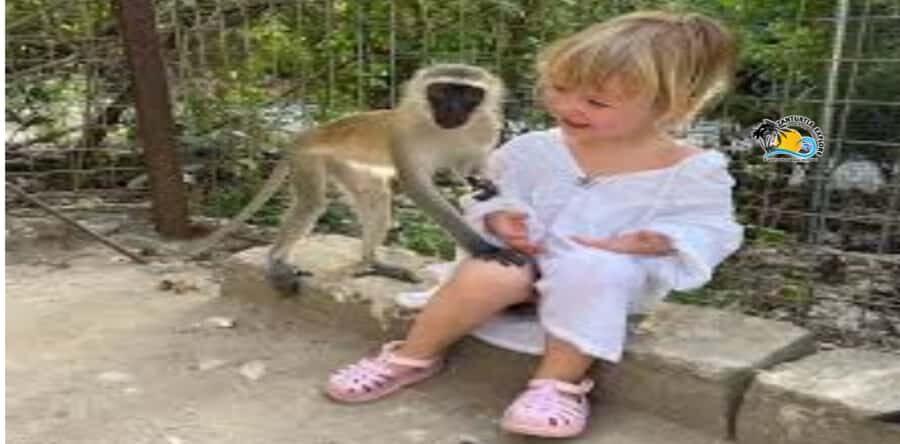
Zanzibar gets most of the headlines for beaches and the Stone Town vibe, but Nungwi has its own side to explore: conservation right where people can see it up close. Kilosas is set up like a small zoo, yet the point isn’t just entertainment. The center’s mission is to raise awareness, protect endangered animals, and help visitors understand why preserving plants and animal life matters in this region.
What makes this kind of place click is the balance between “look and learn” and “participate safely.” You’re not just scanning enclosures from the outside. You’re guided through what the animals are, where they fit into the local ecosystem, and how conservation work ties back to responsibility.
The tone tends to be practical, too. You’ll spend your time learning why these animals are important, rather than waiting through vague explanations. And because it’s a short tour, you’re unlikely to feel drained before it ends.
A few more Nungwi tours and experiences worth a look
Price and What You Get for $45 in 2 Hours
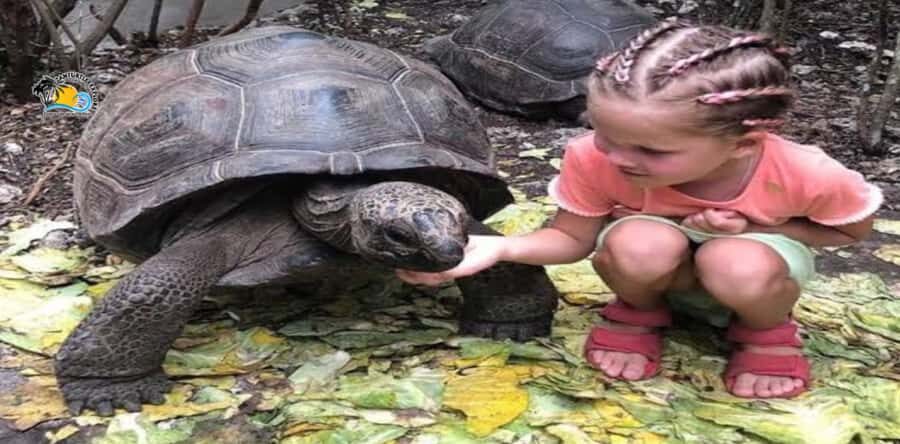
At $45 per person for a two-hour experience, this is priced like a mid-range activity—more structured than a casual stroll, less time than a full day safari. The biggest value point is what’s included: entry fee and taxes, a professional guide, and hotel pickup and drop-off.
That matters on Zanzibar, where travel time and finding the right spot can eat into your day. Having transport handled is often the difference between fitting a plan and dropping it. On top of that, the tour includes a welcome bottle of water, plus the opportunity to touch and feed the animals as part of the visit.
A second value point is education. This isn’t only animal time; you’re also getting conservation education connected to local plants and animals. If your priority is understanding wildlife and not just collecting photos, you’ll feel like you got your money’s worth.
Main trade-off: meals and drinks aren’t included. So if you’re the type who needs more than a bottle of water to stay comfortable, plan to bring extra drinking water yourself.
Getting There Smoothly: Hotel Pickup to Kilosas Entrance
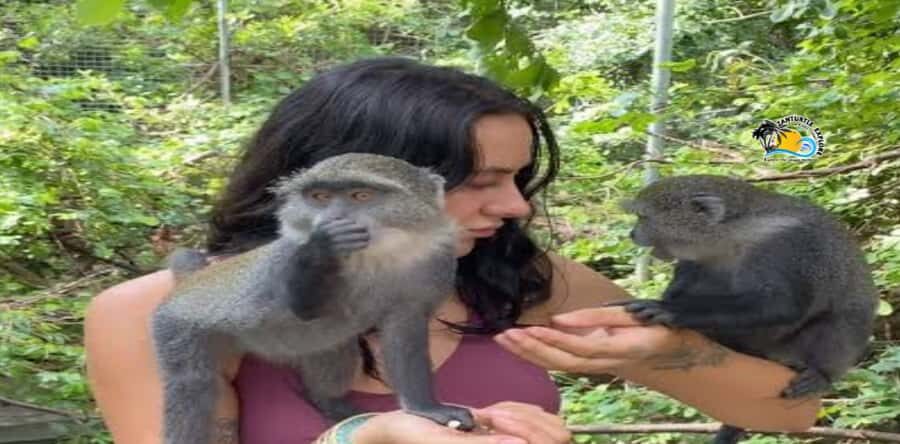
The logistics are refreshingly straightforward. You meet your representative in your hotel lobby or reception area, then you get picked up and later dropped off again at your hotel. If you’re staying in Nungwi, this usually feels painless.
The tour is also set up as a private group, which helps keep the experience flexible and focused. You’re not stuck waiting on a huge crowd to shuffle between enclosures. Instead, your guide can pace the conversation and answer questions as you go.
Timing is built for people who are juggling beach plans. With a duration of about two hours, you’re not committing an entire morning or afternoon. It’s a good “add-on” that still feels substantial once you’re inside.
The Guided Tour Flow: Learn First, Then Touch and Feed
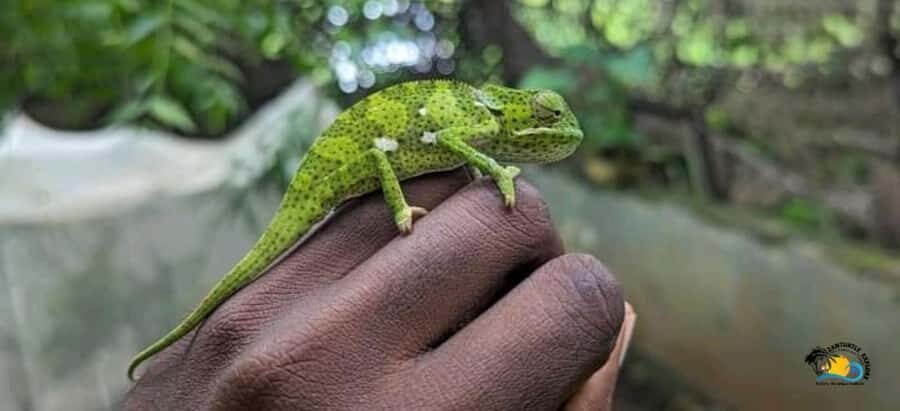
You’ll begin with a guided introduction to what the center does and what you’ll see during the walk-through. The emphasis is on safety and learning, since this is a place built to provide a secure environment for endangered species.
From there, the tour typically moves enclosure to enclosure. Your guide explains what each animal is, what makes it special, and how conservation efforts affect survival. Expect the route to be designed so you don’t just bounce from one exhibit to the next; you pause long enough to understand the animals’ role.
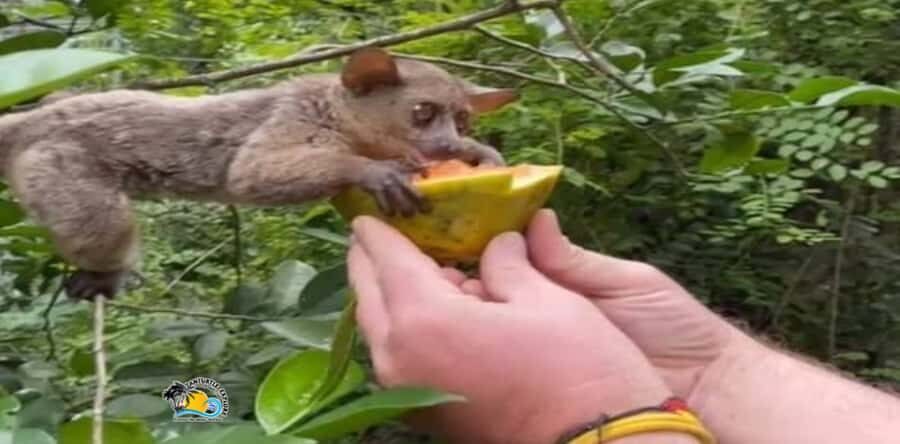
Then come the hands-on moments. The experience includes opportunities to touch and feed animals, guided by the staff and your tour guide. This is often the part that makes the whole tour feel memorable, especially if you’re visiting with kids or you simply like active, not passive, tourism.
A small practical note: because feeding and touching require attention, this isn’t a sit-back-with-your-phone type of tour. You’ll want to listen, watch what your guide is doing, and be ready for the hands-on parts when they happen.
Endangered Species You Might Meet (and Why It Matters)
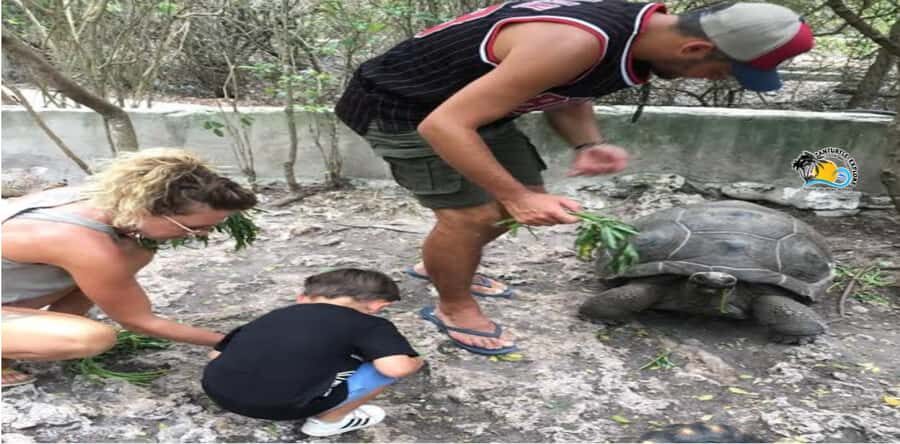
Kilosas is known for featuring endangered species with links to Zanzibar’s natural world. Two names worth keeping on your radar are the Zanzibar red colobus monkey and Aders’ duiker.
Why focus on animals like these? Because they’re not just rare; they’re indicators of broader conservation challenges. When a local population is endangered, it often reflects habitat pressure and ecosystem imbalance. The tour’s conservation messaging is built around that idea: protecting species and protecting the habitat that supports them.
You’ll also encounter several other animals during the visit, which helps broaden the conservation picture beyond one headline species. That variety supports the bigger point the center is trying to teach: preserving diverse plant and animal life is what keeps ecosystems functioning.
I like this approach because it makes the conservation story feel connected, not abstract. Even if you’re not a wildlife expert, you can understand the logic of why protecting one animal type matters to many others.


Meet the Full Cast: Monkeys, Reptiles, Tortoises, Birds, More
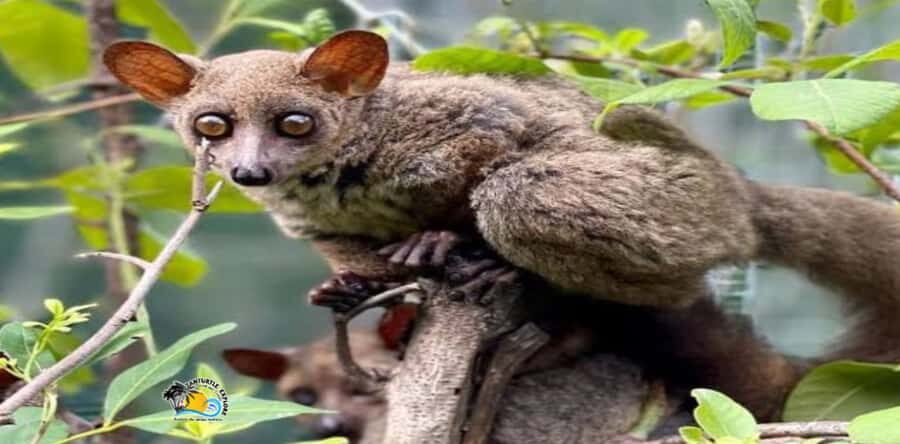
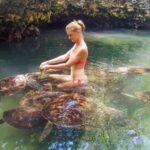
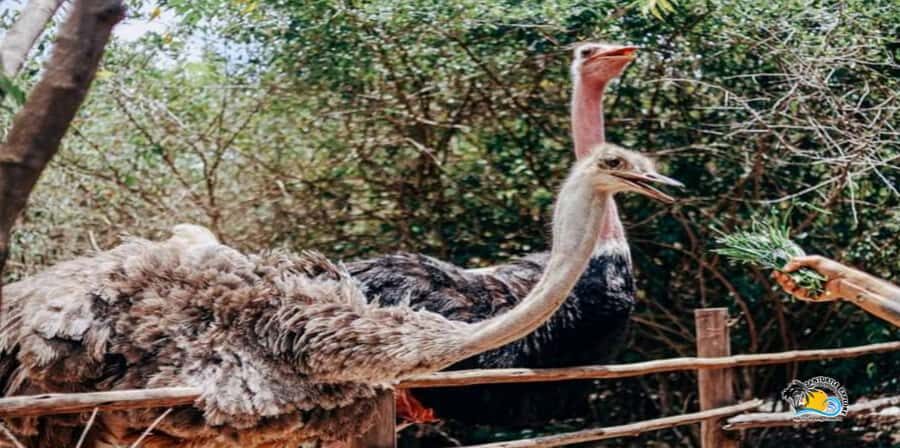
The animal lineup you might meet is one of the reasons Kilosas feels like a satisfying stop. This isn’t limited to one type of wildlife. During the guided experience, you may see monkeys, reptiles, tortoises, ostriches, deer, and crocodiles, plus birds.
This variety changes how you experience the conservation message. Instead of thinking conservation is only about big, charismatic mammals, you start seeing how many different species groups rely on stable environments. Reptiles, tortoises, and birds each have different needs, which reinforces the point that conservation must be broad to work.
Also, the animals here are presented as part of a safe environment. That’s important for visitors who want the education but don’t want to feel like they’re in a chaotic or neglectful setting. You’re there for an interaction that’s controlled and explained.
For photography, bring your camera planning mindset: you’ll want to shoot at eye level and be ready for quick moments during feeding or touch time. Natural light in Nungwi can help, but it also gets bright fast, so sun protection matters.
Conservation Education and Community Responsibility
The conservation angle doesn’t stop at the animals. Kilosas also involves the local community to build a sense of responsibility toward nature. That part is easy to miss if you only come for the animal interactions, but it’s a key reason this tour feels more meaningful than a basic “see animals” visit.
In practice, that community component supports long-term conservation. Wildlife protection isn’t only about keeping animals in a facility; it’s about shaping habits, attitudes, and daily decisions around the natural environment. If you care about ethical travel and not just photo moments, you’ll probably appreciate that message.
This tour also frames plant and animal diversity as part of the conservation story. That’s a helpful reminder in Zanzibar, where people often focus only on tourism’s most visible pieces. Here, you’re nudged to think about the full web of life.
Family-Friendly Timing and Photo Tips
A two-hour tour can sound short, but for a hands-on conservation experience, it’s a practical length. You get enough time to learn, see multiple animal types, and enjoy the feeding/touch moments without feeling like you’ve been away from your plans all day.
It’s especially well-suited for families because the experience is structured around interaction and guidance. Kids usually latch onto the monkey and feeding moments fast, but adults often enjoy the explanations just as much once the guide starts connecting each animal to why it matters.
For photos, keep it simple:
- Wear comfortable shoes for walking between enclosures.
- Use a sun hat and protect your eyes, because Nungwi sun can hit hard.
- Expect some moments where you’ll need both hands or better focus, so keep your camera ready but don’t block yourself from watching the guide.
What to Bring, What to Skip, and Animal Etiquette
This tour is straightforward about what you need. Bring comfortable shoes, a sun hat, and a camera. If you’re the type who gets dry easily, plan for extra water since meals and drinks aren’t included.
There are also clear boundaries. Pets aren’t allowed. That’s a common rule at animal-focused facilities and it helps keep the experience safe and calm for both animals and visitors.
Animal etiquette here is less about complicated rules and more about being present. When feeding and touching are part of the program, you’ll want to follow the guide’s instructions closely and move at the pace they set. Think of it as a guided interaction, not a DIY moment.
Who This Tour Fits Best in Zanzibar
This is a smart pick if:
- you want wildlife without the time commitment of a full safari day
- you like guided explanations, not just animal viewing
- you’re traveling with kids and want an activity that holds attention
- you value conservation messaging tied to local species like the Zanzibar red colobus monkey
It’s also a good choice if you’re staying in or near Nungwi and want a reliable plan with pickup and drop-off. You don’t have to figure out transport or negotiate your way into a local experience.
If you’re hoping for a long wildlife trek through remote habitat, this tour may feel too short. And if your priority is heavy emphasis on beaches, you’ll probably treat this as a side quest rather than the main event.
Should You Book the Zanzibar Nungwi Kilosas Zoo Conservation Tour?
I’d book it if you want a short, meaningful Zanzibar stop where learning and hands-on moments actually happen. The included hotel pickup, professional guide, and entry fee make it easy to say yes, and the specific endangered species focus gives the visit more weight than a generic zoo outing.
The main reason to hesitate is simple: it’s not a full day, and refreshments beyond the welcome bottle aren’t included. If you’re the type who needs snacks or extra drinks to feel comfortable, plan ahead.
If you’re okay with a 2-hour format and you like interacting with animals under guidance, this is the kind of activity that can turn an ordinary afternoon into a story you’ll remember long after you leave Nungwi.
FAQ
How long is the Zanzibar Nungwi Kilosas Conservation Tour?
It lasts about 2 hours.
Where is the tour located?
It takes place at Kilosas Conservation Center in Nungwi, Northern Zanzibar (Unguja South Region).
What is included in the price?
The tour includes a welcome bottle of water, a professional tour guide, entry fee and taxes, the opportunity to touch and feed animals, conservation education, and hotel pickup and drop-off.
Are meals or other drinks included?
Meals and drinks are not included. You do get a welcome bottle of water.
Which languages is the live guide available in?
The guide is available in Arabic, English, French, German, Italian, Polish, Portuguese, Russian, Spanish, Swahili.
What animals might I see?
You may see monkeys, reptiles, tortoises, ostriches, deer, and crocodiles, along with various birds. The tour also highlights endangered species such as the Zanzibar red colobus monkey and Aders’ duiker.
Is touching or feeding allowed?
Yes. The tour includes an opportunity to touch and feed animals as part of the guided visit.
Can I bring a pet?
No, pets are not allowed.
What should I bring?
Bring comfortable shoes, a sun hat, and a camera.